Dust Out of a Narrow Cove Without Taking the Channel Down
- 2026-11-26 18:03
- /
- Alan
A narrow hidden channel traps dust that dims the output over time; cleaning the LEDs and diffuser without dropping the whole profile restores brightness and keeps the wash even.
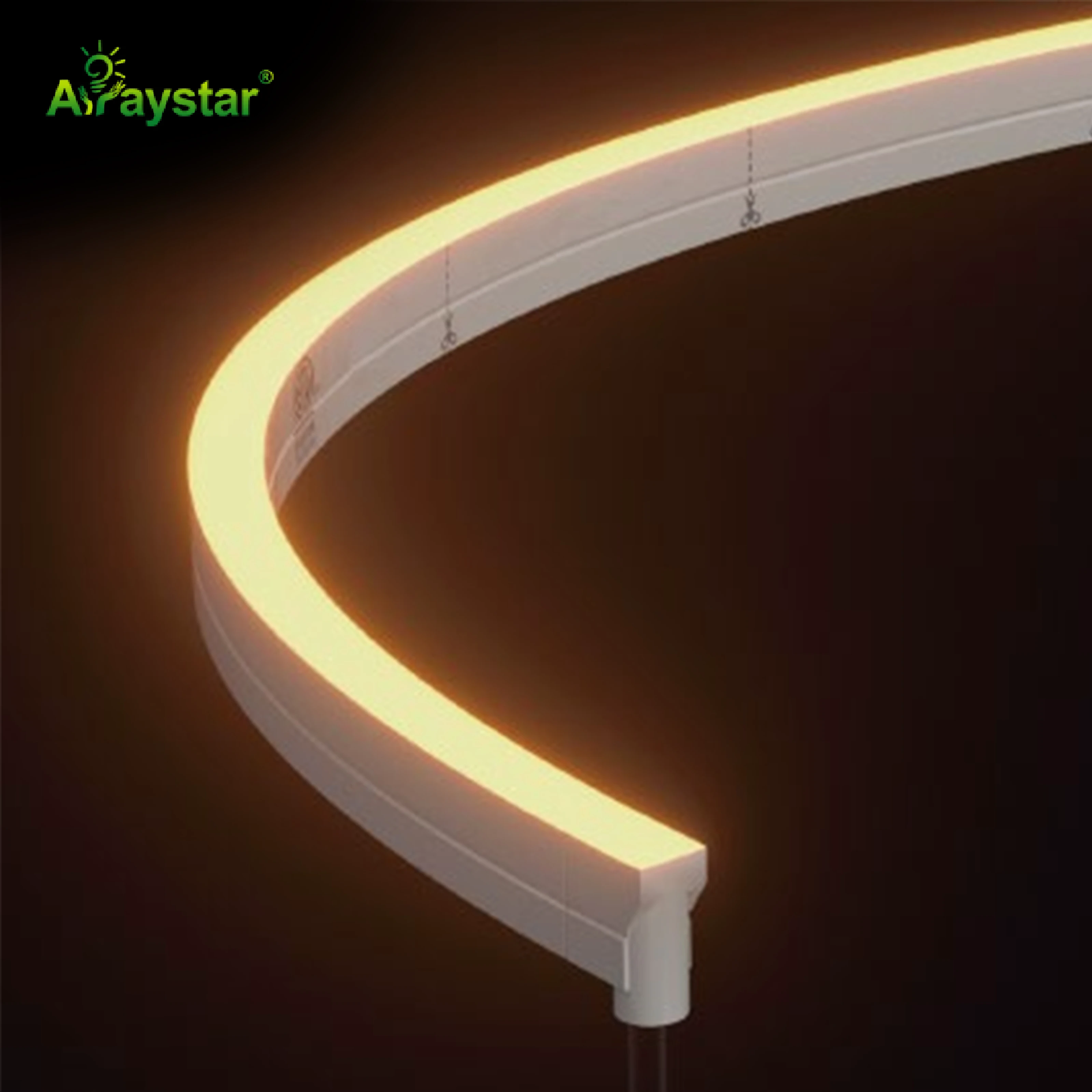
Coves, soffit channels and recessed slots accumulate dust on the board, diffuser and inner surfaces. Hidden runs are rarely seen up close, so the loss of output builds up gradually until the light looks dull or uneven along the channel.
Where dust settles
Dust collects on the diffuser face, inside the channel and on the board itself. A layer on the diffuser scatters and absorbs light, lowering the level even when the strip is still at full output. Narrow slots trap the dust where it is hard to reach without removing the trim.
Output loss is often blamed on ageing LEDs, but a dirty diffuser can account for much of the dulling in a hidden cove.
Safe cleaning steps
- Switch off and let the run cool before cleaning.
- Use a soft dry brush or low-pressure air to lift loose dust from the diffuser.
- Wipe surfaces with a soft, dry or lightly dampened cloth as the profile allows.
- Avoid liquid dripping onto the board or into the channel ends.
Access without full removal
Where the diffuser clips out, remove it to clean the inner channel and board, then refit it squarely. If the profile is sealed in, use a slim brush along the slot rather than forcing liquid into the enclosure.
Check the diffuser seating after cleaning; a lifted diffuser causes an uneven line that looks like a brightness fault rather than dirt.
Maintenance cadence
Set a cleaning interval matched to the room's dust level; kitchens, workshops and open shelving collect dust faster than sealed living rooms. A light clean keeps the wash even and delays the point where sections need renewal.
If the cove still looks dim after cleaning, compare the run for a genuinely aged section or a voltage-drop end rather than assuming dust alone caused the loss.
Installation Checklist
- Confirm the strip voltage, per-metre load and total run length before sizing the supply or controller.
- Check the mounting position for moisture, heat, clearance and any obstruction before fixing the run.
- Test the sensor, receiver or controller in the finished position, with doors and panels closed.
- Keep drivers, joints and receivers reachable so the run can be serviced without reopening the finish.
Recommended Products
For this detail, the following Arraystarled products are listed in our current catalogue and can be matched to the run after the supply, enclosure and control requirements are confirmed:
- ART-2009 Silver Color Aluminum Profile LED Channel with Cover, End Caps, and Mounting Clips
- ART-1506 Silver Color Aluminum Profile LED Channel with Cover, End Caps, and Mounting Clips
- ART-1708 Silver Color Aluminum Profile LED Channel with Cover, End Caps, and Mounting Clips
Aluminium profiles in the catalogue enclose the strip for a clean cove; plan access for periodic cleaning so dust on the diffuser does not gradually reduce the wash.
Talk to our application team with your strip length, voltage and ambient condition; we will match the supply, controller or sensor to the actual run rather than a generic rule.