Email:


UGR glare rating explained and how anti-glare diffused neon LED strips reduce discomfort glare for offices, galleries and corridors.
view more >>
TM-30 Rf/Rg vs traditional CRI Ra: what each measures, why TM-30 is more accurate, and which metric to specify for LED strip lighting.
view more >>
What SDCM and MacAdam ellipses mean for LED strip colour consistency: 3-step vs 5-step binning, specifying matched reels and avoiding shifts.
view more >>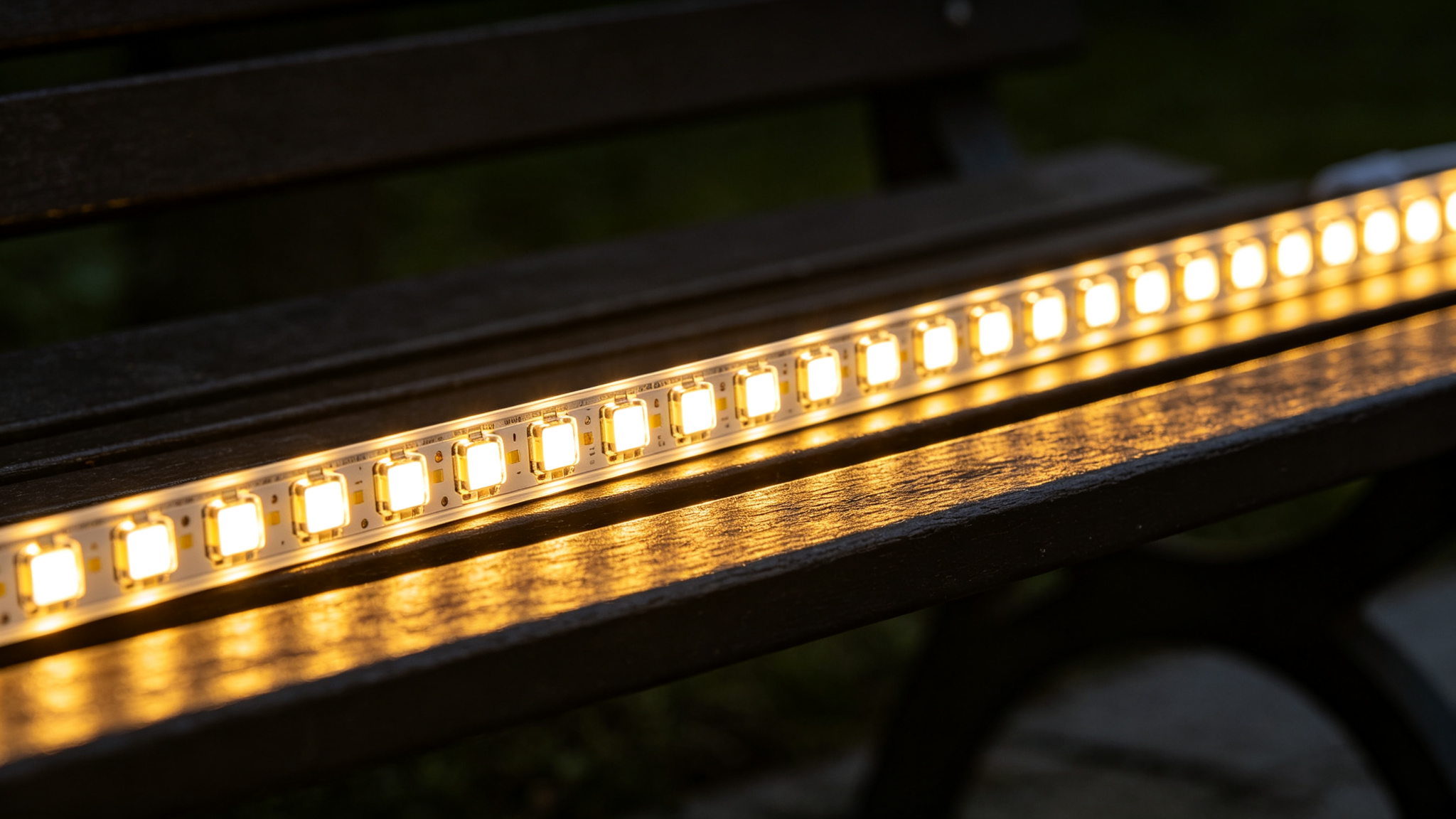
LED strip luminous efficacy explained: lumens per watt, how COB vs SMD and density affect lm/W, and how to compare efficiency accurately.
view more >>
LED strip flicker explained: flicker percentage, flicker index and PstLM, why cheap drivers flicker, and how to choose flicker-free strips.
view more >>
CRI R9 explained: what negative R9 means for reds, skin and food, how to read R9/Ra specs, and which high-CRI LED strips to specify.
view more >>
How to keep LED strip color consistent across reels: same color bin, batch matching, CCT tolerance and ordering tips to avoid mismatched runs.
view more >>
Dot-free vs dot-visible LED strips explained: LED density per metre, COB vs SMD, viewing distance and when invisible dots matter.
view more >>
Dim-to-warm vs tunable white LED strips compared: 1800K dimming vs adjustable 2700K-6500K, wiring, control and best use cases.
view more >>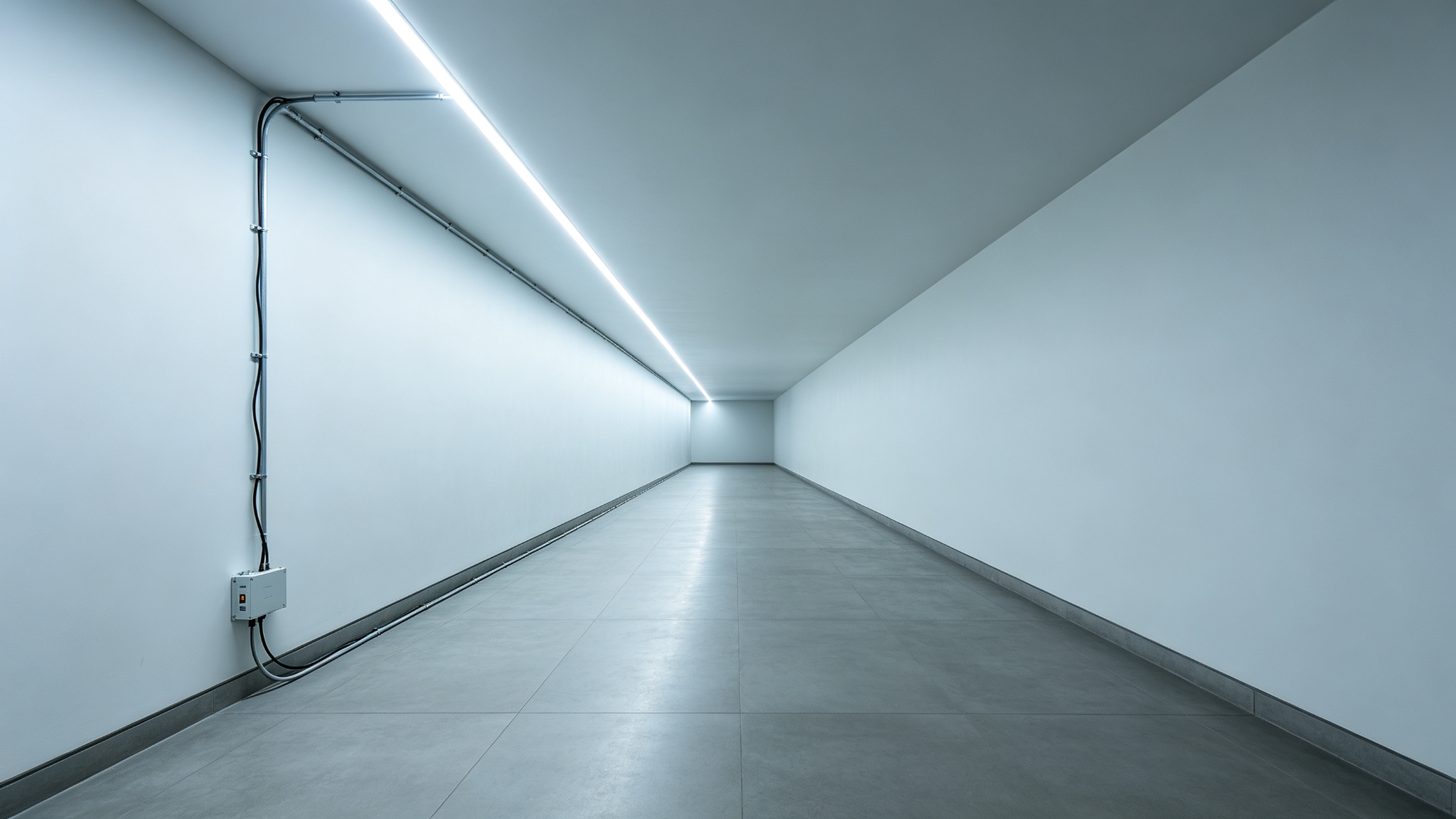
LED strip cable run length and max driver-to-strip distance by voltage, plus how to extend reach with 48V or injection.
view more >>
LED power supply overload symptoms and prevention: flickering, buzzing, thermal shutdown and how to size drivers.
view more >>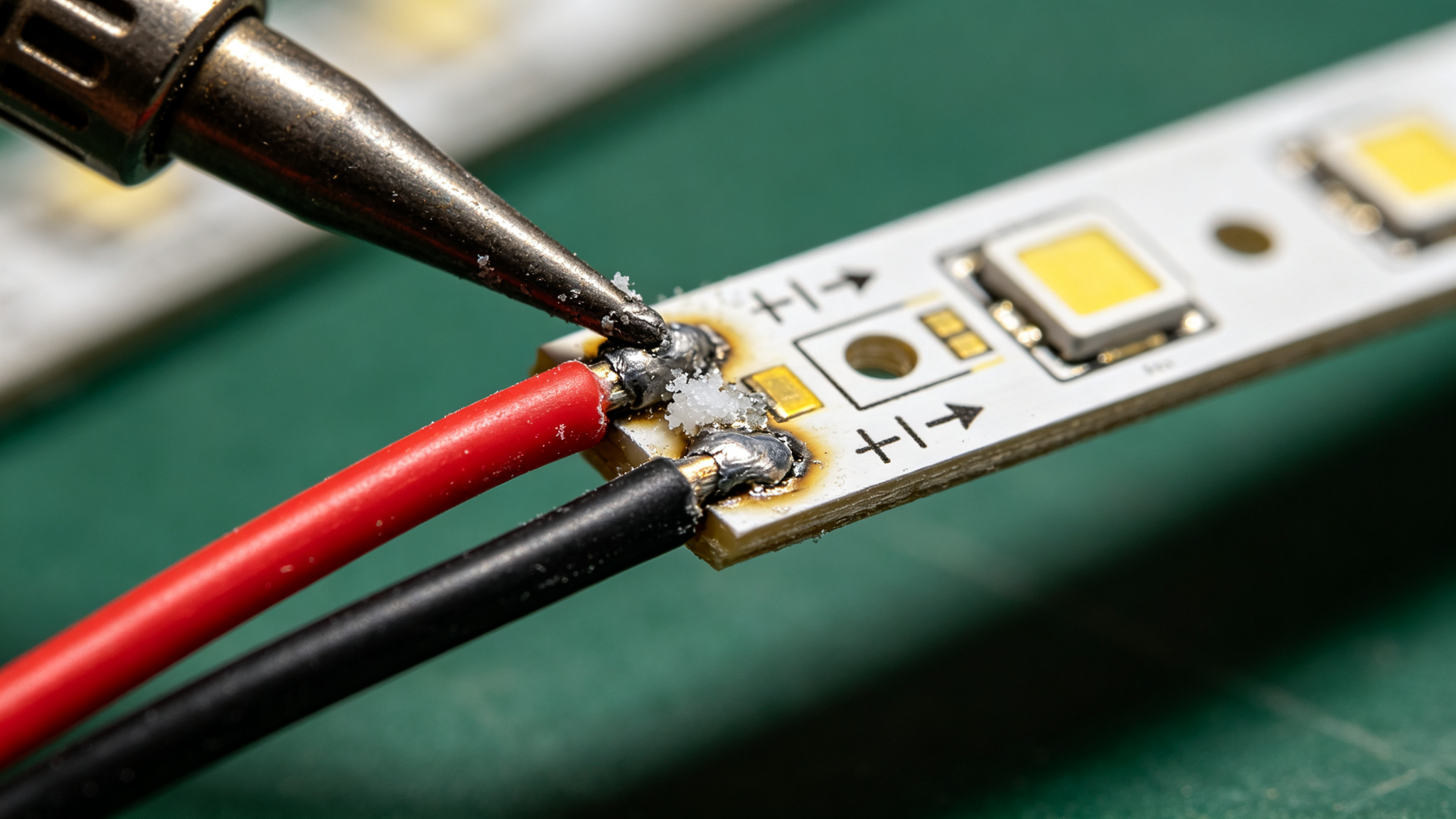
LED strip polarity and wire color code explained: red vs black, reading PCB marks, what reverse polarity does.
view more >>