Battery Sensor Life in an Unheated Garage: Cold-Weather Battery Cut-Rate
- 2026-11-26 18:02
- /
- Alan
A rechargeable wireless sensor in an unheated garage sees lower battery life than indoors: cold slows the battery, and standby drain still runs through the winter months.
A garage or outbuilding is often unheated through winter, and a wireless battery sensor there runs through nights well below room temperature. Battery runtime in the specification usually assumes a mild indoor environment, not a cold garage.
What cold does to the battery
Battery chemistry delivers less usable capacity as temperature drops, and the self-discharge and standby draw of the sensor continue regardless. A sensor rated for a year indoors may run noticeably shorter through a cold winter, especially if it transmits often.
The effect is not permanent: the battery recovers capacity when warmed, but the reduced runtime during the cold season is real and should be planned for.
Standby and transmission drain
- A sensor that transmits on every small movement drains faster than one that waits for a clear trigger.
- Rechargeable units rely on their own battery; check whether charging is accessible in the garage.
- Signal distance and wall thickness can raise transmission effort and drain.
- Battery status feedback, where available, lets you spot a weakening cell before it fails.
Choosing for a cold space
For an unheated garage, compare the sensor's rated operating temperature against the local winter low. If the space regularly drops below the battery's comfortable range, a wired sensor switch or a supply-backed receiver avoids the battery problem entirely.
A rechargeable sensor can still work in a mild winter garage, but schedule a battery check before the coldest months rather than waiting for a dead trigger. Keep the sensor mounted where it does not sit against a cold external wall overnight.
Placement that reduces drain
Mount the sensor where it sees the traffic it is meant to detect, not across a wall it watches constantly. Fewer stray triggers mean fewer wake-ups and transmissions, which protects battery life.
Keep the sensor away from the coldest outer wall and any drafty opening where possible, and verify battery life after a season of real use rather than trusting the indoor figure. If the space sits below the rated operating range for much of the winter, plan a battery check before the coldest weeks rather than waiting for a failed trigger.
Installation Checklist
- Confirm the strip voltage, per-metre load and total run length before sizing the supply or controller.
- Check the mounting position for moisture, heat, clearance and any obstruction before fixing the run.
- Test the sensor, receiver or controller in the finished position, with doors and panels closed.
- Keep drivers, joints and receivers reachable so the run can be serviced without reopening the finish.
Recommended Products
For this detail, the following Arraystarled products are listed in our current catalogue and can be matched to the run after the supply, enclosure and control requirements are confirmed:
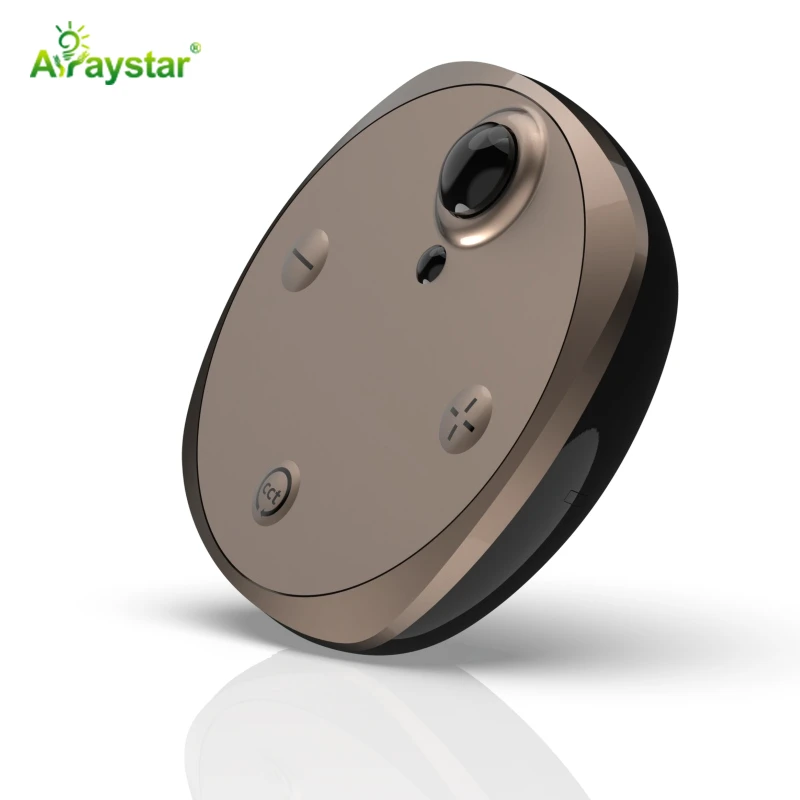
- Rechargeable Wireless Touch Sensor Switch (2.4G Control)
- Wireless PIR Motion Sensor Switch (2.4G Remote Control)
- LED Cabinet Sensor Switch ART-5048M2
Rechargeable and wired sensor switches in the range cover indoor and garage use; for a cold unheated space, compare battery type and consider a wired or mains-backed sensor where runtime matters.
Talk to our application team with your strip length, voltage and ambient condition; we will match the supply, controller or sensor to the actual run rather than a generic rule.