One Receiver Switching Two Separate Light Zones: Wiring Options
- 2026-11-26 18:02
- /
- Alan
Two independent light zones can run from one control system, but the wiring and channel choice decide whether each zone can be switched and dimmed separately or only together.
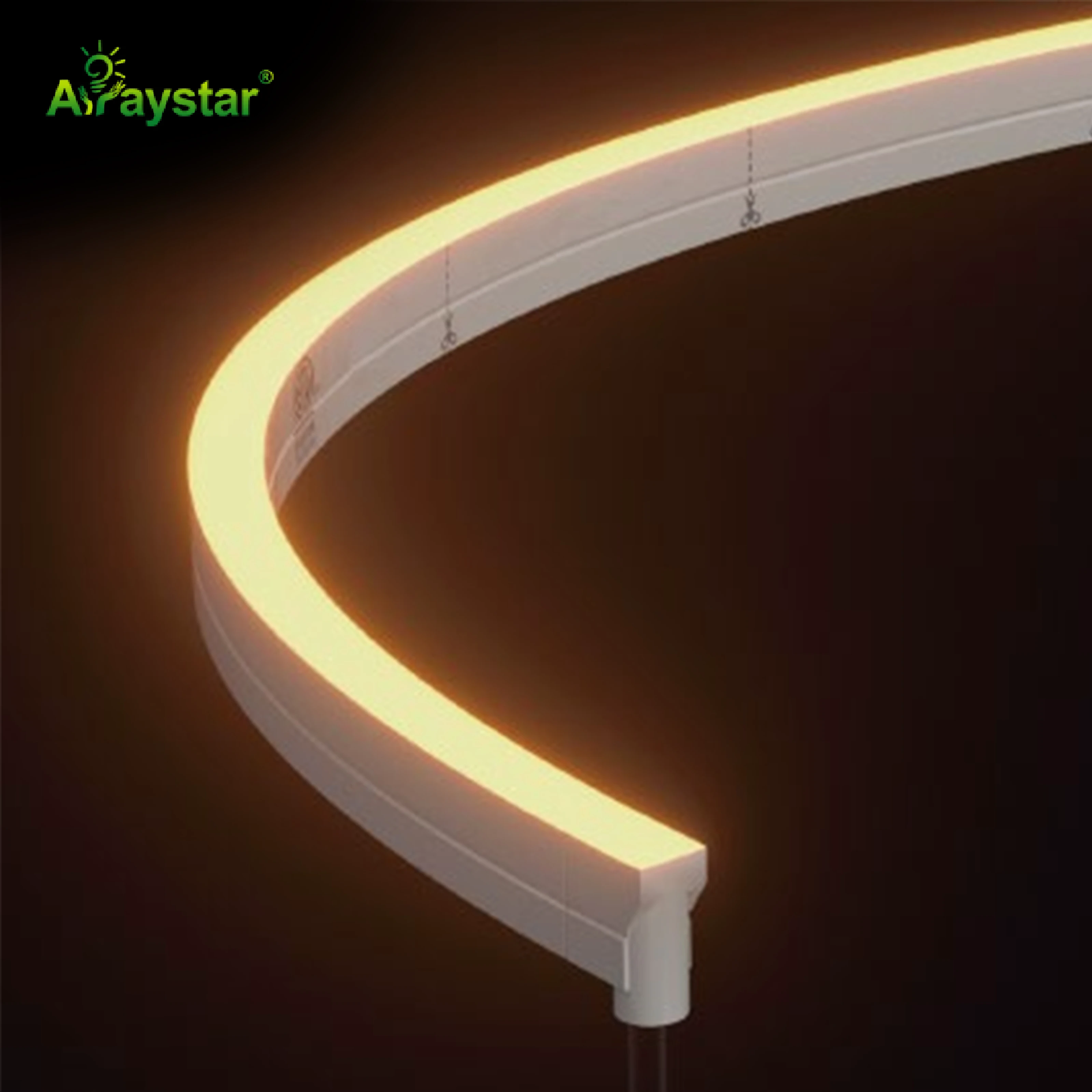
A room may split the lighting into two zones — for example, a cove run and a set of shelf strips — that should be controlled independently but sit on the same receiver or control system. How that is wired depends on the receiver's channels.
Channels versus parallel wiring
A multi-channel receiver can switch or dim each zone on its own channel, which is what independent control needs. Wiring both zones in parallel onto a single channel lights them together and cannot dim one separately.
Before wiring, decide whether the two zones must act independently. If they only ever go on and off together, a parallel feed is simpler; if they need separate levels or scenes, they need separate channels or receivers. Keep each zone's feed identifiable at the receiver so later adjustment does not swap the two runs.
Matching zones to channels
- Count the zones and match the receiver channel count to them, with a spare where possible.
- Keep each zone's load within the channel's rated current and wattage.
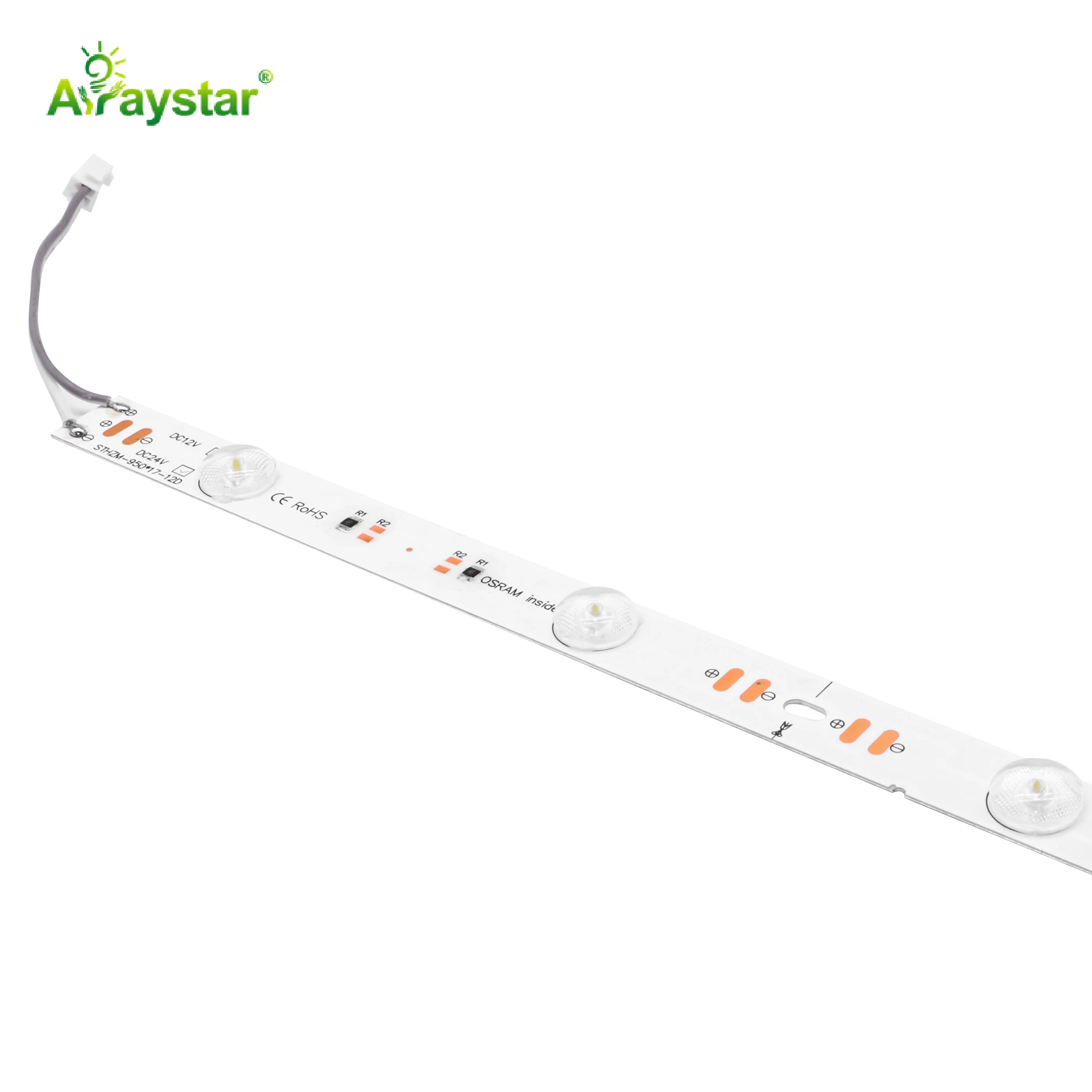
- Group loads of the same type — single-colour, CCT or RGBW — on compatible channels.
- Run the two zone feeds separately from the receiver back to their respective runs.
Dimming and scene control
Independent dimming per zone needs a receiver whose channels dim separately, not just a shared on/off relay. A two-channel dimmer can set different levels for the cove and the shelves from one remote or panel.
If one zone is a different product type, confirm the controller supports that strip type on the chosen channel; mixing a CCT and an RGBW load on one channel usually does not work.
When separate receivers are cleaner
Where the two zones are far apart, fed from different supplies, or belong to separate rooms, separate receivers are often easier to wire and service than one crowded multi-channel unit. Each receiver keeps its own load and control channel isolated.
Label the channels at the receiver and on the project plan so a future adjustment knows which feed controls which zone. If a third zone is added later, check the receiver's spare channels and total load before wiring it in.
Installation Checklist
- Confirm the strip voltage, per-metre load and total run length before sizing the supply or controller.
- Check the mounting position for moisture, heat, clearance and any obstruction before fixing the run.
- Test the sensor, receiver or controller in the finished position, with doors and panels closed.
- Keep drivers, joints and receivers reachable so the run can be serviced without reopening the finish.
Recommended Products
For this detail, the following Arraystarled products are listed in our current catalogue and can be matched to the run after the supply, enclosure and control requirements are confirmed:
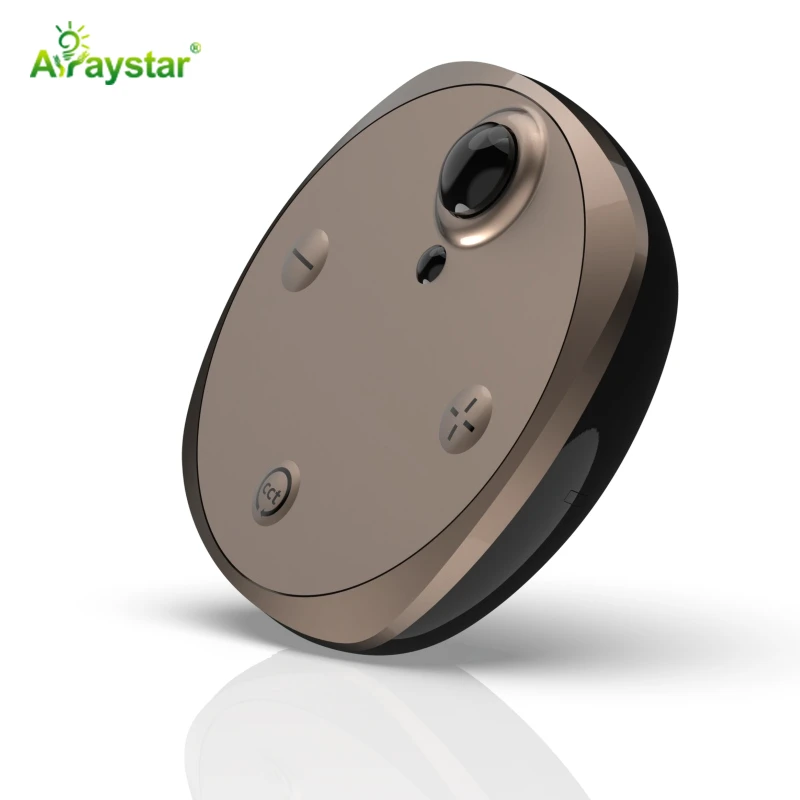
- RF Synchronous 7CH LED Dimmer Controller (Receiver Unit)
- Wireless LED Receiver / Dimming Controller (Receiver Unit)
- 2.4G Wireless Rotary Dimmer Controller
Multi-channel receivers and dimming controllers in the catalogue suit split-zone installs; confirm channel count and whether each zone can dim independently before wiring.
Talk to our application team with your strip length, voltage and ambient condition; we will match the supply, controller or sensor to the actual run rather than a generic rule.