Sensor and Battery Behaviour in a Cold Unheated Garage
- 2026-11-26 18:03
- /
- Alan
In an unheated garage the sensor's detection behaviour and battery both shift with the cold; placement, battery type and a wired fallback matter more than in a warm room.
A garage light triggered by a wireless sensor sits through freezing nights and cold days. The sensor still detects movement, but its battery and response behave differently than in a heated home, and the install has to account for the cold room.
Detection in a cold room
A PIR detects body heat against the background; in a cold garage the temperature contrast with a warm person can be strong, which helps detection, but a sensor mounted near a cold wall or draft may read background drift. Aim the sensor at the movement path rather than a cold surface.
Keep the sensor away from heaters, vents and cold draughts that create false heat signals.
Battery in the cold
- Low temperature reduces usable battery capacity and raises standby drain's share of the charge.
- Rechargeable cells in particular lose runtime in freezing conditions.
- Frequent transmissions in a cold room shorten the cell's service interval.
- Choose a sensor rated for the local winter temperature if it will be wireless.
Wired versus wireless
Where the garage run has a nearby supply, a wired sensor switch removes the battery cold-weather problem entirely. A wireless sensor suits a garage with no easy sensor cable route, but its battery should be checked before the coldest months.
Consider the receiver location too: a garage receiver can lose signal through the garage door and walls, so test range in the finished space.
Placement for reliable triggers
Mount the sensor to cover the entry and working area without watching the door swing or a cold external wall. Set the hold-on delay to the garage's actual use, and verify the trigger works from the standing or working position.
After a winter season, check the battery level and any sluggish trigger; a sensor that was fine in mild weather may need a cell or a wired replacement once the cold arrives.
Installation Checklist
- Confirm the strip voltage, per-metre load and total run length before sizing the supply or controller.
- Check the mounting position for moisture, heat, clearance and any obstruction before fixing the run.
- Test the sensor, receiver or controller in the finished position, with doors and panels closed.
- Keep drivers, joints and receivers reachable so the run can be serviced without reopening the finish.
Recommended Products
For this detail, the following Arraystarled products are listed in our current catalogue and can be matched to the run after the supply, enclosure and control requirements are confirmed:
- Rechargeable Wireless Touch Sensor Switch (2.4G Control)
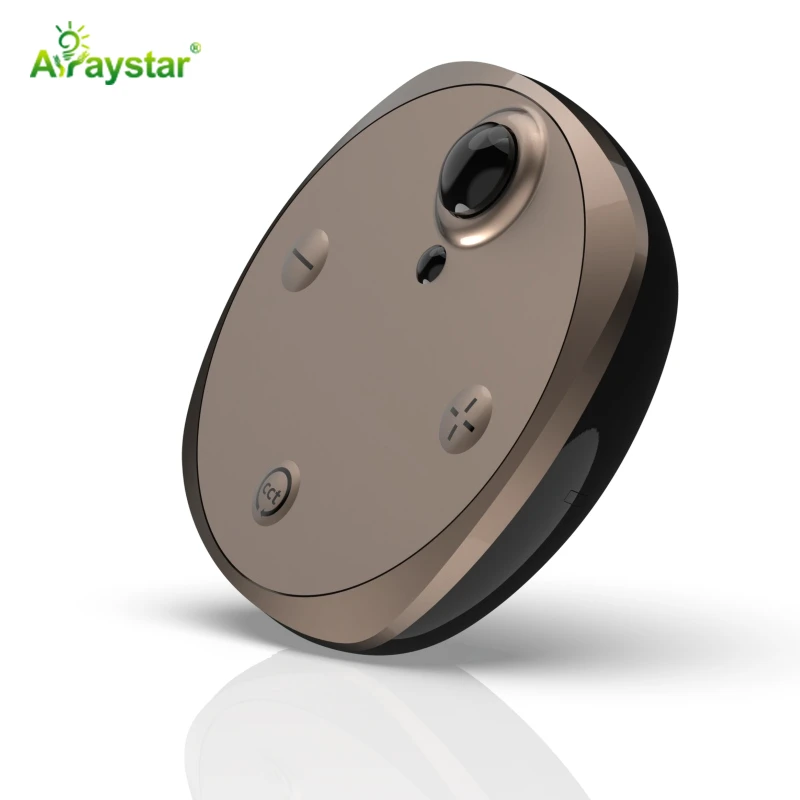
- Wireless PIR Motion Sensor Switch (2.4G Remote Control)
- LED Cabinet Sensor Switch ART-5048M2
Wired PIR and cabinet sensors avoid the battery question in cold garages; where a wireless unit is used, match its rating to the winter low and plan a battery check.
Talk to our application team with your strip length, voltage and ambient condition; we will match the supply, controller or sensor to the actual run rather than a generic rule.