Which Side of the Door the Sensor Belongs On: Hinge vs Handle
- 2026-11-26 18:02
- /
- Alan
A door sensor works only when the emitter and receiver stay aligned through the swing. The hinge-side versus handle-side placement decides whether the gap opens cleanly or blocks the sensor.
Wardrobe and cabinet door lights often use an IR or magnetic door switch that triggers as the door opens. Fit it on the wrong side and the sensor can read the door as closed when it is open, or sit in the gap where the door closes onto it.
Hinge side versus handle side
On a hinged door, the hinge side stays put while the handle side swings away. A door sensor paired across the gap should be mounted so the two parts separate cleanly when the door opens and come back together without crushing when it closes.
Mounting close to the hinge can leave the parts barely separating as the door opens, which may not trigger the switch. Mounting at the handle side opens the gap widest but puts the sensor where the door edge and frame close together.
Check the swing and clearance
- Identify which way the door opens before choosing the sensor side.
- Mount the two parts so they do not collide or get pinched at the closed position.
- Keep the sensing faces aligned; an offset emitter or receiver weakens the signal.
- Avoid the area where the door edge rubs against the frame during closing.
IR versus contact switches
An IR door switch relies on line-of-sight between emitter and receiver across the door gap; a magnetic or contact switch reads proximity as the door opens. The placement rules differ slightly, but both need a clear separation path and a solid fixing to the frame.
For a door that opens past 90 degrees, confirm the sensor still separates fully at the open angle used in real life, not just at the half-open position.
Test through the full motion
Open and close the door slowly several times and watch the light trigger and release. The sensor should fire as soon as the door opens a little and release cleanly when it shuts, with no flickering partway.
If the light misfires only when the door is pushed hard or at a certain angle, the mounting is rubbing or misaligned rather than the sensor being faulty. Re-seat the parts and repeat the full-cycle test.
Installation Checklist
- Confirm the strip voltage, per-metre load and total run length before sizing the supply or controller.
- Check the mounting position for moisture, heat, clearance and any obstruction before fixing the run.
- Test the sensor, receiver or controller in the finished position, with doors and panels closed.
- Keep drivers, joints and receivers reachable so the run can be serviced without reopening the finish.
Recommended Products
For this detail, the following Arraystarled products are listed in our current catalogue and can be matched to the run after the supply, enclosure and control requirements are confirmed:
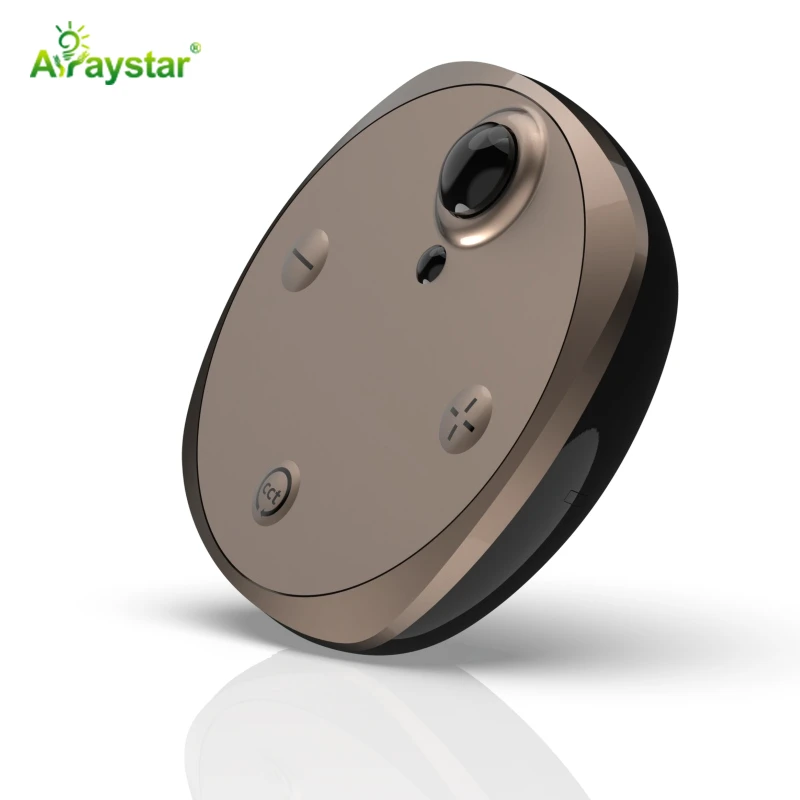
- Wireless IR Door Sensor Switch (2.4G Remote Control)
- Rechargeable Wireless Touch Sensor Switch (2.4G Control)
- Wireless Hand Wave Sensor Switch (2.4G Remote Control)
IR and door sensor switches in the catalogue cover wired and wireless cabinet triggers; match the sensor to the door swing and check the alignment through a full open and close.
Talk to our application team with your strip length, voltage and ambient condition; we will match the supply, controller or sensor to the actual run rather than a generic rule.