Keeping Pets From Triggering PIR Lights: Mounting Height and Beam Aim
- 2026-11-26 18:02
- /
- Alan
Cats and dogs cross the lower detection band first. Raising the sensor, aiming the beam away from pet height and choosing the right mounting point keeps the light on for people, not the household animal.
A home with a cat and a dog fitted PIR strip along the hallway and under the stairs, but the light kept switching on whenever a pet walked past at floor level. The sensor was seeing the animal long before it saw a standing person.
How a PIR sees a pet
A PIR reacts to moving heat across its detection zones. A dog or cat crossing close to the floor sits in the lower part of the beam and reads as a moving warm body the same way a person does, especially near the sensor. The closer the animal is to the sensor, the stronger the signal.
Small pets at floor level are hardest to ignore when the sensor is low or aimed downward. The fix starts with where the beam actually reaches, not with the sensor's advertised pet-immune label.
Raise and re-aim the sensor
- Mount the sensor high enough that the pet crosses below the main detection band rather than through it.
- Aim the beam away from floor-level pet routes and along the standing walking path.
- Avoid pointing the sensor at furniture the animal jumps onto, such as sofas or beds.
- Keep the sensor clear of radiators and warm air currents that can mimic a body heat signature.
Sensor type and position
A PIR aimed across a doorway works for human passage but may catch a pet leaving a room; consider a door-mounted switch for cabinet and wardrobe use where the trigger is the door, not movement in open space.
If the pet roams an open hallway, test the mounting at the planned height with the animal walking past at different times of day. A sensor that looks pet-proof on the bench can still trigger on a fast-moving dog in the room.
Verify in real conditions
Walk the route yourself, then let the pet cross the same path. Note whether the light triggers on the animal alone, and adjust height or aim until the pet's route falls outside the sensitive band.
Remember sensitivity and delay interact: a highly sensitive sensor will catch more than just people, so reduce sensitivity where the false triggers persist, and set the hold-on delay to suit the actual human use.
Installation Checklist
- Confirm the strip voltage, per-metre load and total run length before sizing the supply or controller.
- Check the mounting position for moisture, heat, clearance and any obstruction before fixing the run.
- Test the sensor, receiver or controller in the finished position, with doors and panels closed.
- Keep drivers, joints and receivers reachable so the run can be serviced without reopening the finish.
Recommended Products
For this detail, the following Arraystarled products are listed in our current catalogue and can be matched to the run after the supply, enclosure and control requirements are confirmed:
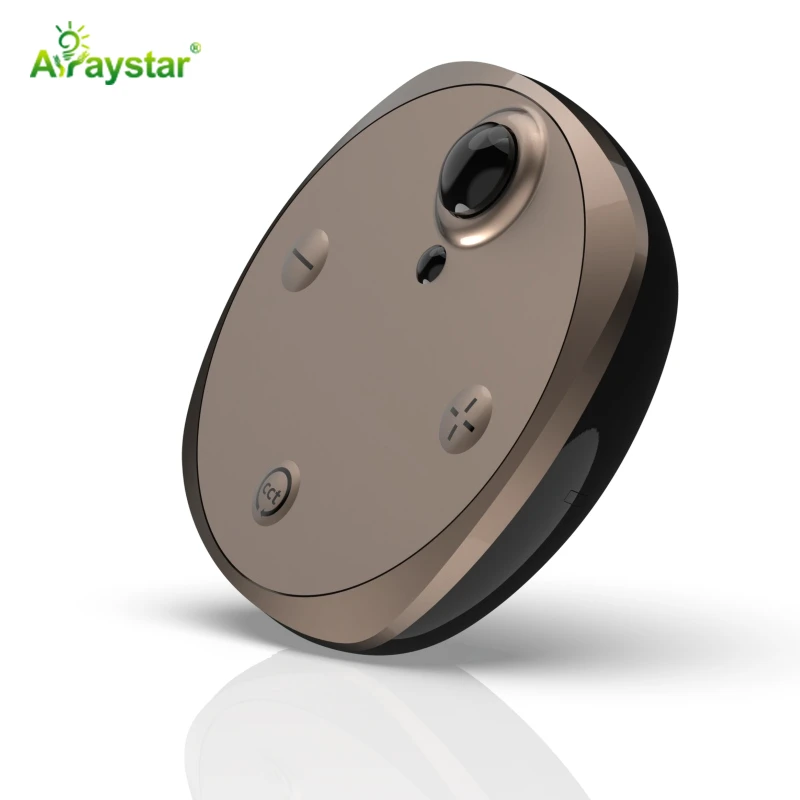
- Wireless PIR Motion Sensor Switch (2.4G Remote Control)
- LED Cabinet Sensor Switch ART-5048M2
- 10mm Pluggable Cylindrical Sensor Switch ART-S108X
PIR motion sensor switches in the range suit cabinet and passage lighting; pair the mounting height and beam aim with the pet's height so the trigger follows a person, not a pet.
Talk to our application team with your strip length, voltage and ambient condition; we will match the supply, controller or sensor to the actual run rather than a generic rule.