Full Color LED Pixel String Light (LED Point Light Source): Complete Buyer's Guide 2026
- 2026-09-11 11:36
- /
- Arraystar
Quick Answer
A full color LED pixel string light (LED point light source) is an individually addressable RGB LED string that delivers dynamic color gradients, chasing patterns, and video content via DMX512, SPI, or Wi-Fi control. Choose SPI for cost-effective decorative projects, DMX512 for large architectural installations, and IP67/IP68 for outdoor use. With 50,000+ hour lifespan and 3–5 year warranties, pixel lights are the top choice for building facades, bridges, advertising screens, and entertainment venues.
📑 Table of Contents
- What Is a Full Color LED Pixel String Light?
- How Pixel String Lights Work: Control Protocols Explained
- Key Specifications: Choosing the Right Parameters
- Top 5 Application Scenarios for Pixel String Lights
- How to Choose the Right Pixel Light for Your Project
- Installation Best Practices & Common Mistakes to Avoid
What Is a Full Color LED Pixel String Light?
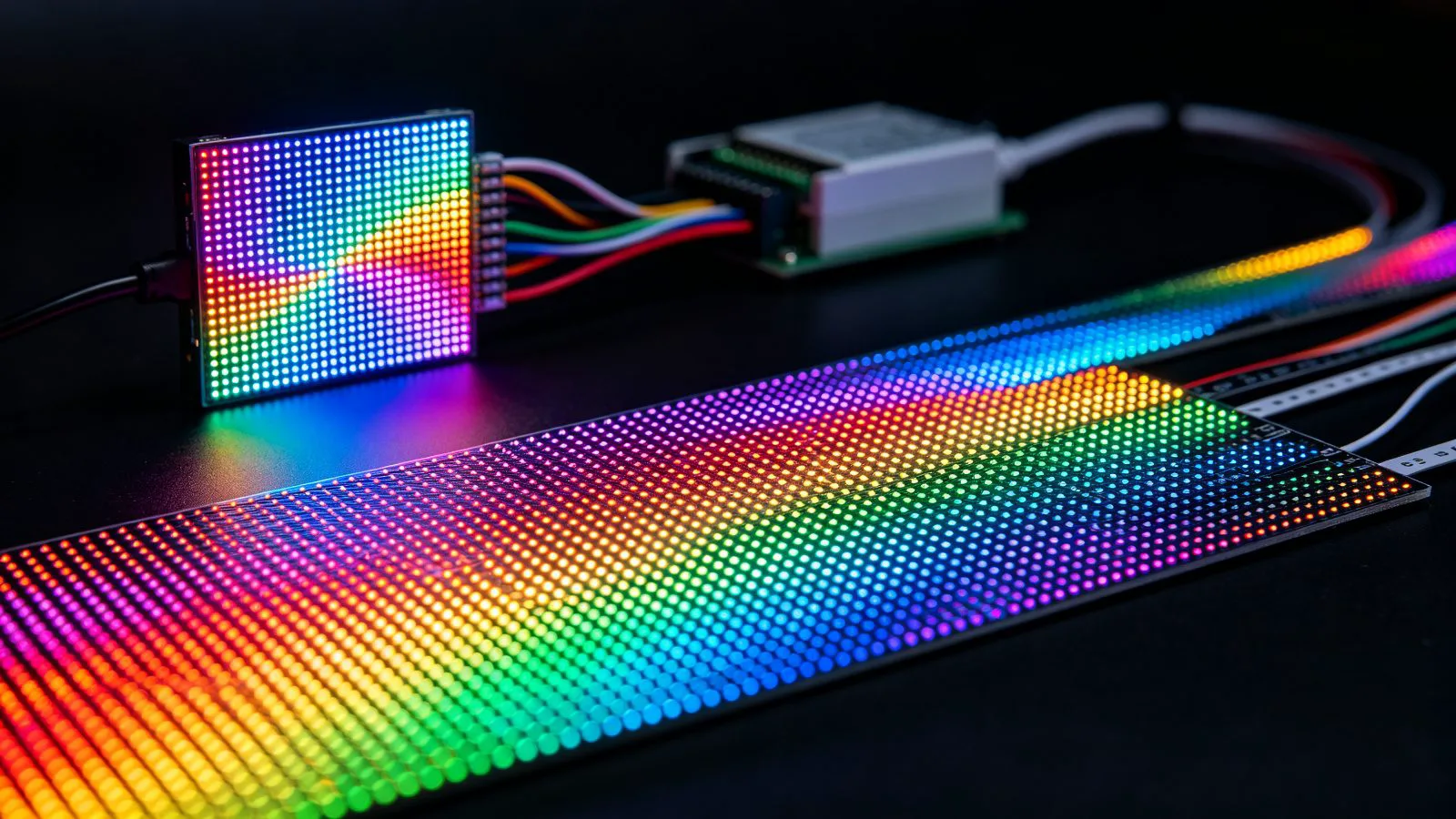
A full color LED pixel string light — also known as an LED point light source, LED pixel light, or RGB pixel string — is a series of independently controllable RGB LED nodes connected by flexible wire. Unlike traditional LED strips where all LEDs show the same color, each pixel on a pixel string can be addressed individually, meaning every single node can display a different color and brightness at the same time.
This individual addressability is what enables the stunning effects you see on modern building facades, bridges, and large advertising screens: flowing color waves, rainbow chases, text scrolling, and even low-resolution video playback. Each LED node contains a tiny IC chip (such as WS2811, UCS1903, or TM1814) that receives data from the controller and executes the assigned color and brightness.
Pixel string lights are designed for permanent outdoor installation, with IP65, IP67, or IP68 waterproof ratings, UV-resistant housing, and durable wire that remains flexible even in cold temperatures. They are the go-to solution for architectural facade lighting, bridge illumination, commercial advertising displays, amusement park lighting, and entertainment venue atmospheres.
How Pixel String Lights Work: Control Protocols Explained
The magic of pixel string lights lies in the control protocol. Three main protocols dominate the industry, each with its own strengths and ideal applications.
SPI (Serial Peripheral Interface) is the most common protocol for pixel strings. Each LED node contains an IC chip that receives data from the controller and passes the remaining data to the next node in the chain. This daisy-chain approach allows hundreds of nodes to be controlled from a single data line. SPI is cost-effective, easy to install, and best for decorative lighting, amusement rides, and medium-scale projects where cost-efficiency matters.
DMX512 is the professional lighting industry standard. Each LED node (or group of nodes) is assigned a unique DMX address, and a DMX controller sends individual brightness values for Red, Green, and Blue channels. DMX is more robust over long distances (100m+ per cable run) and integrates seamlessly with professional lighting consoles. DMX is the preferred choice for large architectural projects, stage lighting, and buildings requiring integration with existing DMX systems.
Wi-Fi and app-controlled systems are ideal for smaller installations or retail and hospitality applications. Wi-Fi-enabled controllers allow users to control pixel strings via smartphone apps, with pre-programmed effects, music sync, scheduling, and voice control integration. These are perfect for bars, restaurants, retail displays, and residential accent lighting where ease of use is paramount.
🎬 RGB LED Strip Setup - WiFi Controller and App Control
Key Specifications: Choosing the Right Parameters
Selecting the right pixel string light for your project requires understanding several key specifications. Let's break down the most important parameters and how they affect your project.
LED Chip and IC: The IC chip determines compatibility, refresh rate, and data protocol. Common ICs include WS2811 (SPI, 3-channel), UCS1903 (SPI, high refresh), TM1814 (SPI, RGBW), and DMX512 decoders. Choose WS2811 or UCS1903 for standard SPI projects, TM1814 if you need RGBW (with dedicated white channel), and DMX512 decoders for professional installations.
Voltage: Pixel strings are available in DC 12V and DC 24V. 12V is more common and slightly lower cost, but maximum run length is limited to approximately 5 meters per power injection. 24V is better for longer runs (up to 10m per injection), has less voltage drop, and is always the better choice for large projects to reduce the number of power supplies needed.
Node Spacing: The spacing between LED nodes determines the resolution of your display. 100–150mm spacing is suitable for large-scale facade washing and bridge outlines viewed from more than 50 meters away. 50mm spacing provides medium resolution, good for building facades viewed from 20–50 meters and advertising screens. 30mm spacing is high resolution, suitable for close-view applications, detailed graphics, and indoor displays.
IP Rating: IP65 is splash-proof, suitable for covered outdoor areas and vertical installations. IP67 is dust-tight and protected against temporary immersion, suitable for most outdoor applications. IP68 is fully submersible with glue-filled construction, required for underwater use, extreme weather, or ground-level installations.
Housing and Wire: PC (polycarbonate) housing is standard and cost-effective. Aluminum housing dissipates heat better and is more durable for high-temperature environments. PVC wire is standard and flexible in warm temperatures, while rubber wire remains flexible in cold climates and is more durable for outdoor use. UV-resistant wire is essential for permanent outdoor installations.
Top 5 Application Scenarios for Pixel String Lights
Pixel string lights are incredibly versatile, with applications ranging from towering building facades to intimate nightclub interiors. Here are the top five application scenarios, with real-world examples and best practices.
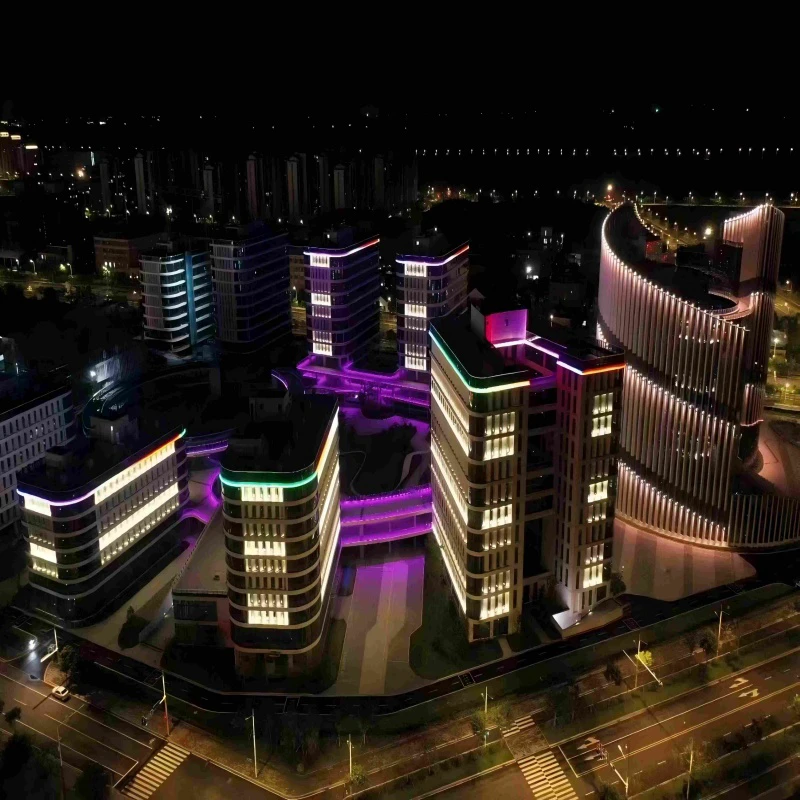
Architectural Facade Lighting is the most common use of pixel string lights. Strings are mounted vertically or horizontally across curtain walls, glass facades, or structural elements, creating everything from subtle color washes to full-motion video content visible from kilometers away. Ideal for commercial towers, hotels, government buildings, landmark structures, and shopping malls. Unlike traditional floodlighting, pixel strings allow precise, node-level control, enabling building-specific animations, brand messaging, and holiday-themed content.
Bridge and Infrastructure Illumination is another major application. Pixel string lights perfectly outline bridge structures, walkways, overpasses, and waterfront features. Their flexible wire conforms to architectural curves, and the IP67/IP68 rating ensures reliable performance in rain, snow, and humidity. Popular effects include rainbow chasing along the bridge span, color waves that flow with traffic, seasonal color themes, and synchronized shows with waterfront fountains.
Commercial Advertising and Irregular LED Screens leverage pixel strings to create large-scale, irregular-shaped displays that traditional LED panels cannot achieve. Whether it's a curved screen on a building corner, a spherical display in a shopping mall atrium, or a custom-shaped sign, pixel strings offer unmatched design flexibility. The advantage over LED panels is that pixel strings are lighter, more air-permeable (reducing wind load), and can be mounted on existing structures without major modifications — often at a fraction of the cost.
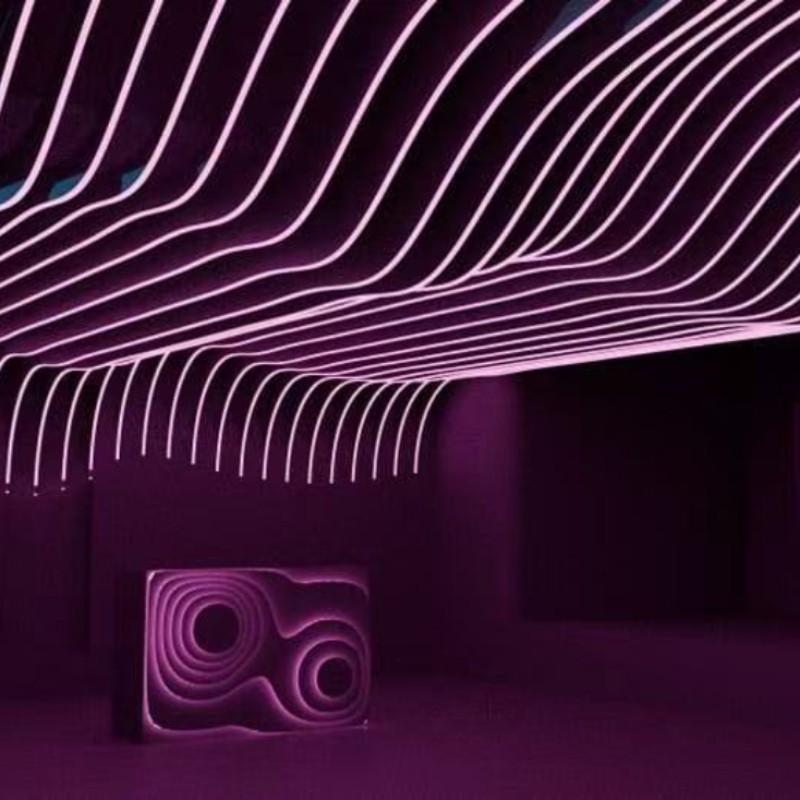
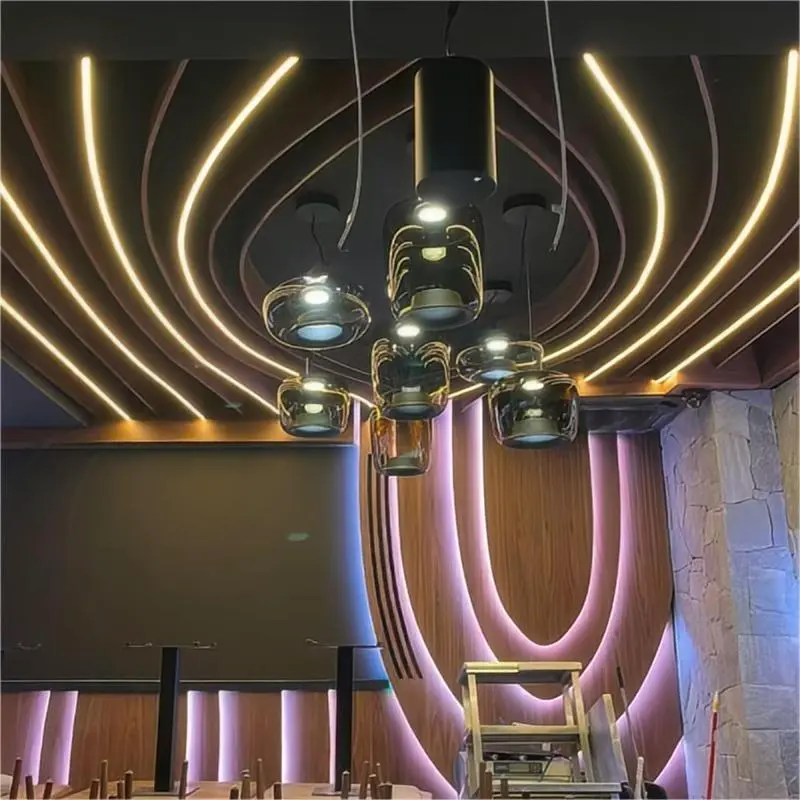
Entertainment, Hospitality and Events use pixel string lights to create immersive, dynamic atmospheres that static lighting cannot match. From nightclubs and bars to wedding stages and concert backdrops, pixel strings transform any space. Ceiling-hung strings produce starfield effects, color waves, and beat-synced animations. Popular effects include music-reactive color pulses for dance floors, slow color gradients for ambient dining, and custom patterns for brand activations and corporate events.
Amusement Parks and Attractions rely on pixel string lights to create magical, eye-catching displays that draw crowds and extend operating hours into the night. From Ferris wheel outlines to roller coaster track lighting, pixel strings bring rides to life after dark. Well-lit attractions increase perceived value, extend park operating hours, and create shareable social media content that drives visitor engagement and repeat visits.
How to Choose the Right Pixel Light for Your Project
With so many options available, selecting the right pixel string light for your project can be overwhelming. Follow this step-by-step decision framework to ensure you choose the right products the first time.
Step 1: Determine Your Resolution Needs. The spacing between LED nodes determines the resolution of your display. For large-scale facade washing and bridge outlines viewed from more than 50 meters, 100–150mm spacing is sufficient. For building facades viewed from 20–50 meters and advertising screens, 50mm spacing provides good medium resolution. For close-view applications, detailed graphics, and indoor displays, choose 30mm or tighter spacing for high resolution.
Step 2: Choose the Right IP Rating. For covered outdoor areas and vertical installations, IP65 is sufficient. For most exposed outdoor applications, IP67 is the standard choice. For underwater use, extreme weather, or ground-level installations, IP68 with glue-filled construction is required. When in doubt, choose a higher IP rating — the cost difference is minimal compared to the cost of replacing failed fixtures.
Step 3: Select Voltage. For small projects with runs under 5 meters, 12V is fine and slightly lower cost. For any project with runs longer than 5 meters, choose 24V to reduce voltage drop and minimize the number of power supplies needed. For large facade projects, 24V is almost always the better choice.
Step 4: Pick the Control Protocol. Choose SPI for cost-effective decorative projects, amusement rides, and medium-scale installations. Choose DMX512 for large architectural projects, stage lighting, and any installation that needs to integrate with professional lighting consoles. Choose Wi-Fi/app control for small installations, retail, hospitality, and DIY projects where ease of use is the top priority.
Step 5: Consider the Environment. For coastal areas, choose marine-grade wire and UV-resistant housing. For cold climates, choose rubber wire that remains flexible at low temperatures (PVC can become brittle). For high-temperature areas, choose aluminum housing for better heat dissipation. For high-vibration areas, ensure secure mounting clips and strain relief at every connection point.
🎬 LED Lighting Basics - Everything You Need to Know
Installation Best Practices & Common Mistakes to Avoid
Proper installation is critical to the long-term performance and reliability of pixel string lights. Follow these best practices and avoid the most common mistakes that lead to premature failures.
Power Injection is the number one cause of uneven brightness in pixel string installations. For 12V systems, inject power every 5 meters. For 24V systems, inject power every 10 meters. Always inject power from both ends of long runs for the most uniform brightness. Use appropriately gauge wire for power injection runs to minimize voltage drop.
Signal Amplification is essential for SPI systems running more than 500 nodes, or for cable runs longer than 10 meters between the controller and the first node. Use a signal amplifier (also called a signal repeater) to ensure clean data transmission. Without proper signal amplification, you may experience flickering, color corruption, or dead nodes at the end of long runs.
Weatherproofing All Connections is critical, even with IP67/IP68-rated strings. The connection points between strings and between strings and controllers are the weakest link in any outdoor installation. Use heat-shrink tubing with adhesive, waterproof connectors, or encapsulate connections in silicone sealant to prevent water ingress. Never leave bare wire connections exposed to the elements.
Testing Before Final Mounting saves hours of troubleshooting at height. Always test the entire system on the ground before installing on a building, bridge, or other elevated structure. This catches defective nodes, wiring errors, controller issues, and power supply problems before you're working at height with limited access.
Planning for Expansion is a mark of professional system design. When designing your system, always leave spare controller channels and power supply capacity for future expansion or repairs. Adding nodes later is much easier if your system was designed with headroom. Also, order 5–10% extra nodes for cuts, repairs, and contingencies.
Avoid These Common Mistakes: (1) Undersizing power supplies — always add 20% headroom. (2) Using indoor-rated connectors outdoors — always use waterproof connectors. (3) Ignoring voltage drop — inject power at regular intervals. (4) Skipping ground testing — always test before final installation. (5) Using cheap wire — invest in UV-resistant, appropriately gauged wire.
Control Protocol Comparison: SPI vs DMX512 vs Wi-Fi
Choosing the right control protocol is critical for your pixel light project. This comparison table helps you decide which protocol best fits your application, budget, and technical requirements.
| Feature | SPI (WS2811/UCS1903) | DMX512 | Wi-Fi / App |
|---|---|---|---|
| Max Nodes per Output | 1024–2048 | 170 RGB (512 ch) | 500–1000 |
| Cable Distance | 5–10m (needs amplifier) | 100m+ (standard) | Wireless |
| Refresh Rate | High (30–60fps) | 44Hz fixed | 10–30fps |
| Professional Console | No (needs converter) | Yes (industry standard) | No |
| Cost per Node | Low ($0.15–0.30) | Medium ($0.30–0.60) | Medium |
| Ease of Setup | Easy | Moderate | Very Easy |
| Best For | Decorative, medium projects | Large architectural, stage | Retail, hospitality, DIY |
Recommended Products
Explore our high-quality LED lighting solutions.
Frequently Asked Questions
Conclusion
A full color LED pixel string light (LED point light source) is an individually addressable RGB LED string that delivers dynamic color gradients, chasing patterns, and video content via DMX512, SPI, or Wi-Fi control. Choose SPI for cost-effective decorative projects, DMX512 for large architectural installations, and IP67/IP68 for outdoor use. With 50,000+ hour lifespan and 3–5 year warranties, pixel lights are the top choice for building facades, bridges, advertising screens, and entertainment venues.
Ready to Start Your LED Pixel Light Project?
Contact Arraystar LED for free technical consultation and custom quotes.
Get a Free Quote →