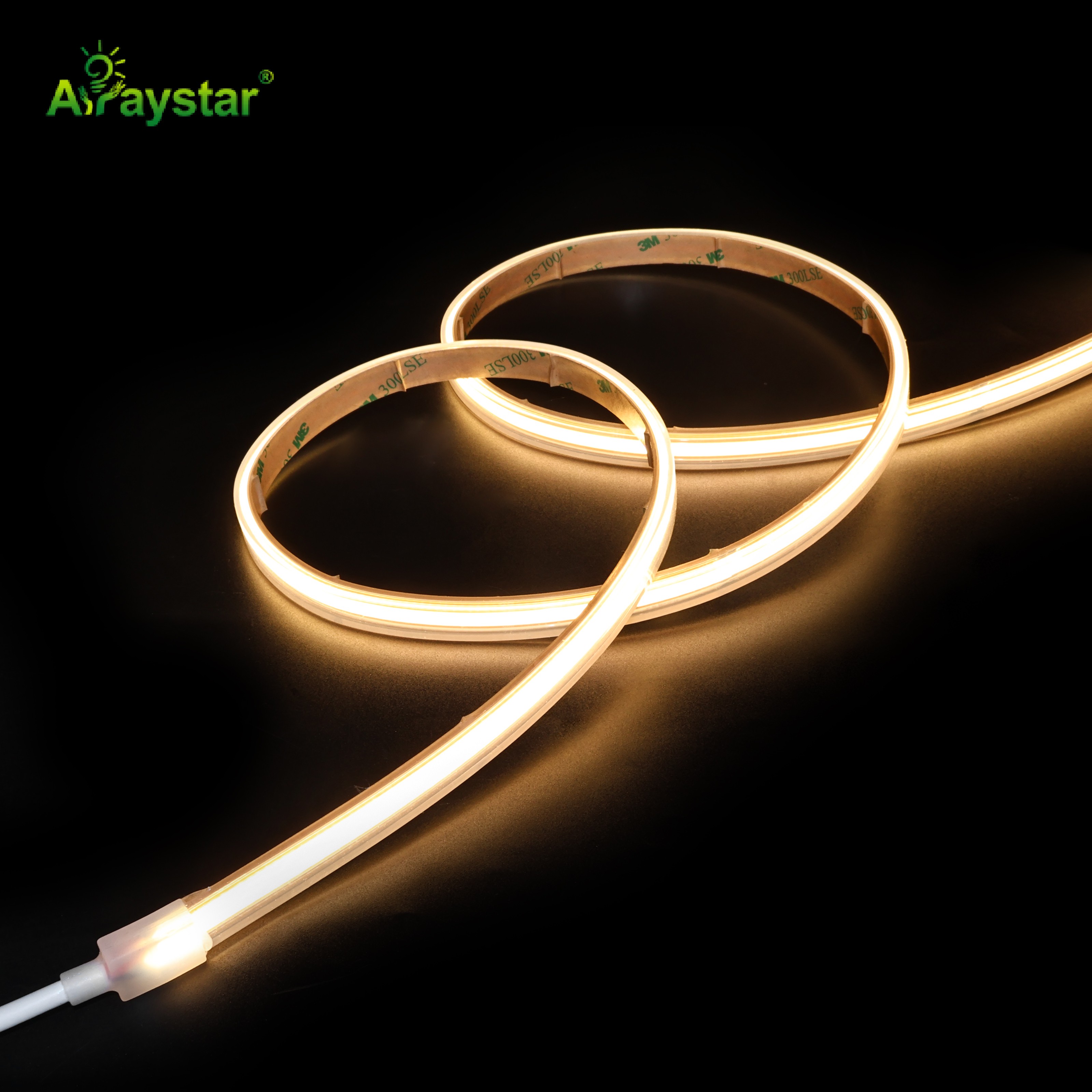
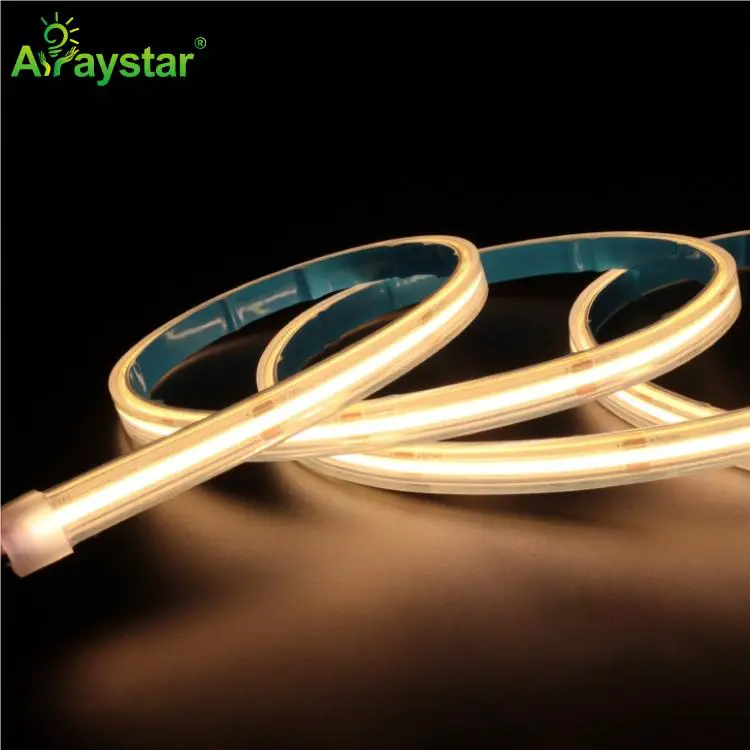
LED Strip Lighting for Warehouse Pallet Racking and Aisles: Even Shelf Light, Long Runs, Sensor Control
- 2026-11-17 17:03
- /
- Arraystar LED
Warehouse pallet racks and aisles need two layers of light: even illumination at shelf and pick-face level, and a continuous guidance line down each aisle. Long racking runs, dusty or occasionally damp conditions and zoned control make strip selection, run-length planning and driver placement more important than in a showroom fit-out. This guide lays out a racking-and-aisle strip scheme, from shelf-edge mounting to long-run power and app-based zoning. Product figures come from the published rows; any lux target follows the approved warehouse layout.
Lighting the racking and aisle environment
A pallet rack area is a mix of vertical storage faces and narrow horizontal aisles. Workers need to read labels and identify goods at beam and shelf level, while the aisle itself benefits from a steady, continuous line of light that guides traffic between racks. Runs can be long, often stretching the full depth of a racking bay, and the space may collect dust or see occasional moisture near loading doors, so the strip and its connections should be chosen for that environment rather than a dry office interior.
The scheme splits into shelf-level lighting under beams or along shelf edges, and aisle-level guidance along the racking frames or overhead line. Keeping these two layers separate makes it easier to zone control and to service one section without rewiring the whole aisle.
Layout: shelf level and aisle level
Strip type is chosen for the role; voltage, wattage and LED count per metre are taken from each product page.
| Area | Lighting goal | Strip choice | Control |
|---|---|---|---|
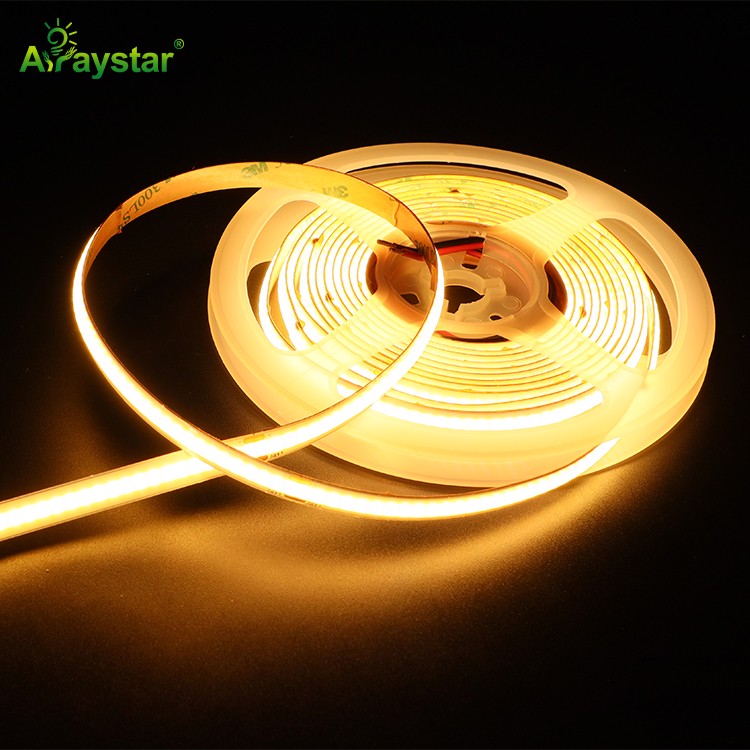
| Rack beam / shelf edge | Even light on stored goods, cartons and labels at each level. | Slim COB or SMD strip mounted under the beam or along the shelf edge. | Switches with its racking zone; can pair with aisle-level control. |
| Aisle centerline | Continuous guidance along the full aisle length. | Long-run strip; a 48V board reduces line loss on long distances. | Zone switch or sensor-triggered where aisles are used intermittently. |
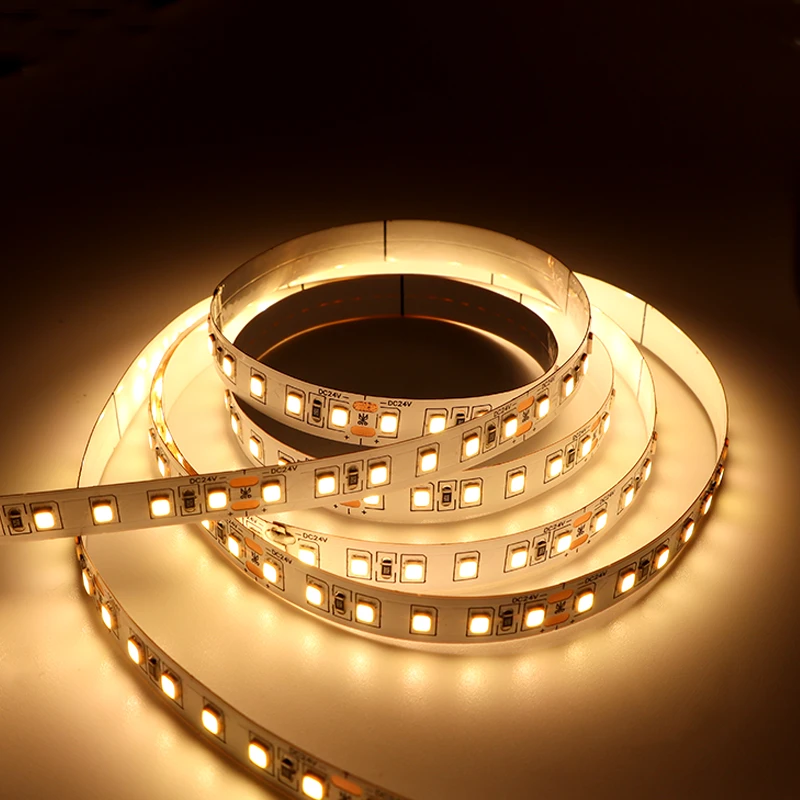
| Pick face | Local task light for order picking and inspection. | High-CRI strip where colour and label clarity matter. | Local switch or grouped with the nearby racking run. |
| Staging and loading area | Flexible accent and task light near doors and docks. | Standard SMD or COB strip to suit the surface and run. | Dimmable where the area doubles as a working space. |
Power and run-length choices
- Long aisles and line loss: on long racking runs, check voltage drop along the length; a 48V strip can carry a long run with thinner loss than a low-voltage board over the same distance.
- Driver placement: locate drivers close to their circuits, split long aisles into feeds where needed, and size each supply to the total strip wattage with margin rather than at its ceiling.
- Dust and moisture: in dusty or damp zones near docks and loading doors, choose a sealed or tube-constructed strip and protect entries and end caps; keep open-board strips for drier internal areas.
- Secure mounting: fix strips along beams and frames with clips or brackets, clear of forklift and picking traffic, and route wiring neatly along racking uprights rather than leaving it loose in the aisle.
Control and zoning
- Zone by racking block: group strips by aisle or racking block so busy zones can be controlled independently from quiet storage areas.
- Occupancy-linked control: aisles used intermittently can be linked to occupancy triggers so the aisle run stays low or off until traffic approaches; pair the strip with a compatible controller and any sensor the layout requires.
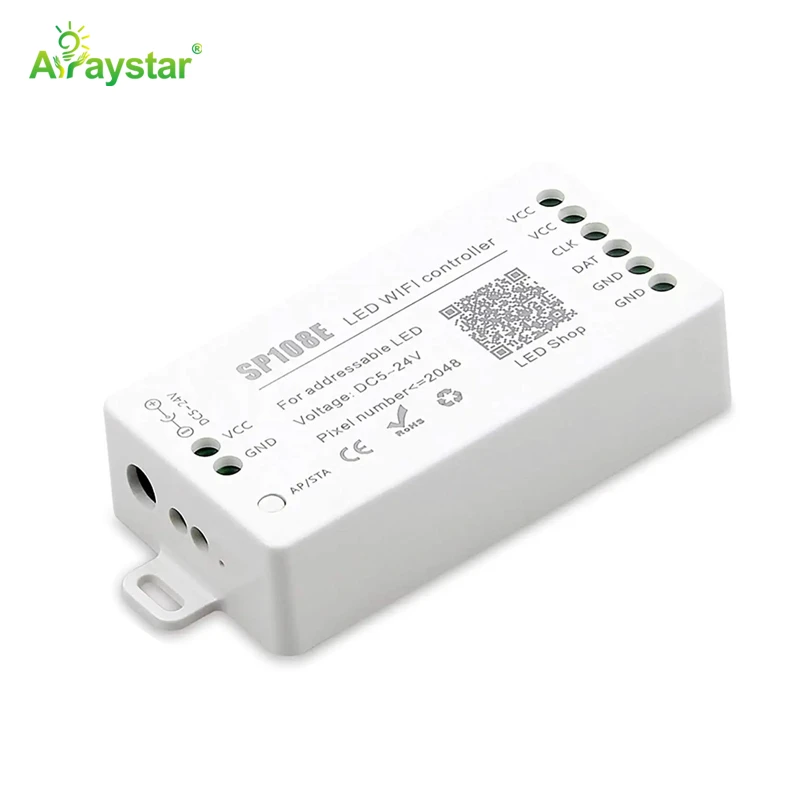
- App-based zoning: a WiFi controller can group strips by zone and adjust levels from an app, which is useful where aisle lighting schedules change with shift patterns.
- Label and pick clarity: keep the light angle aimed at the goods and labels rather than into the aisle, so pick faces stay readable without glare down the racking row.
Recommended Products
Frequently Asked Questions
What LED strip is best for warehouse racking?
For shelf edges and pick faces, a slim COB or SMD strip that gives an even, dot-free line works well; for long aisle guidance, choose a board that suits the run length and check voltage drop along the distance. Match the construction to the zone's dust and moisture level, and pair the strip with a driver sized to the total wattage with margin.
Is 48V better than 24V for long warehouse aisles?
On long aisle runs, a 48V strip generally carries the distance with lower line loss than a low-voltage board, which helps keep the far end of a long racking run bright. For shorter or drier internal sections, a 12V or 24V strip may be sufficient; calculate the run length and voltage drop before choosing the system voltage.
Can warehouse aisle lights be motion-controlled?
Yes. Aisle runs can be grouped by zone and linked to occupancy triggers so they stay low or off until traffic approaches, which suits intermittently used storage aisles. The strip needs a compatible controller and any sensor required by the layout; app-based controllers can then manage levels and zoning by racking block.
How do you light pallet rack shelves evenly?
Mount a slim strip under each beam or along the shelf edge, aimed at the goods and labels on the level below, and keep the strip and its diffuser consistent along the run. Evenness depends on LED density, consistent feed along the length, and avoiding voltage drop at the far end; check the pick face from a normal picking position after install.
Planning a warehouse racking or aisle lighting scheme?
Send your racking layout, aisle lengths and zoning needs for a strip, driver and controller recommendation, factory-direct pricing and engineering support within 24 hours. Datasheets are available on request.
Email: info@arraystarled.com | Phone: +86-0755-2103-6746 | WhatsApp: 0086 1581 8514 077