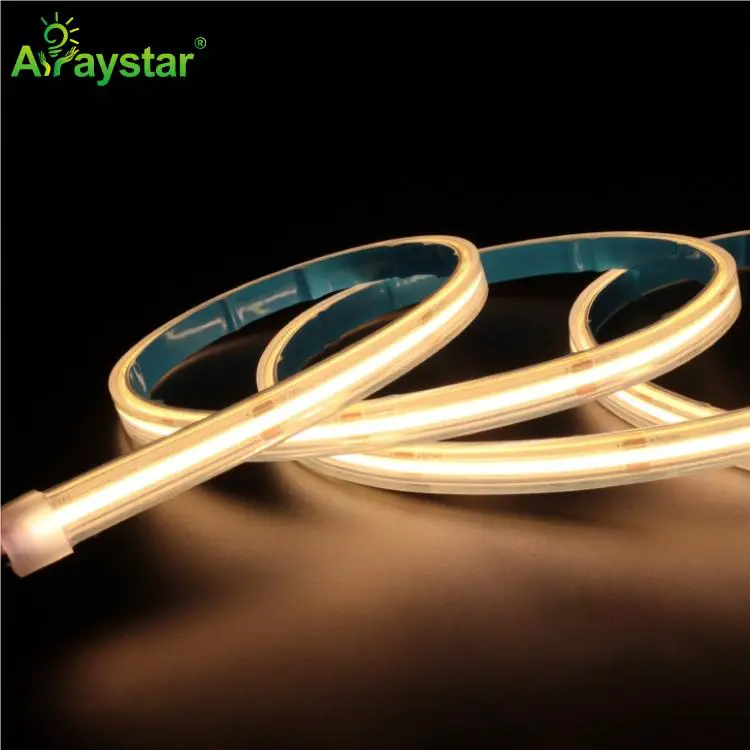
Can LED Strip Lights Run 24/7? Continuous Operation, Heat and Duty-Cycle Guide
- 2026-11-17 17:03
- /
- Arraystar LED
LED strips have no filament to burn out, so the question for a 24/7 install is usually not whether the strip can stay lit, but whether it can hold its light output and colour under continuous heat. Around-the-clock runs have no cool-down window between uses, which makes driver loading, heat dissipation and mounting choices more important than they are for accent lighting that switches off each evening. This guide explains what continuous operation asks of the strip, driver and enclosure. Product figures come from the published rows; warranty terms follow each product page.
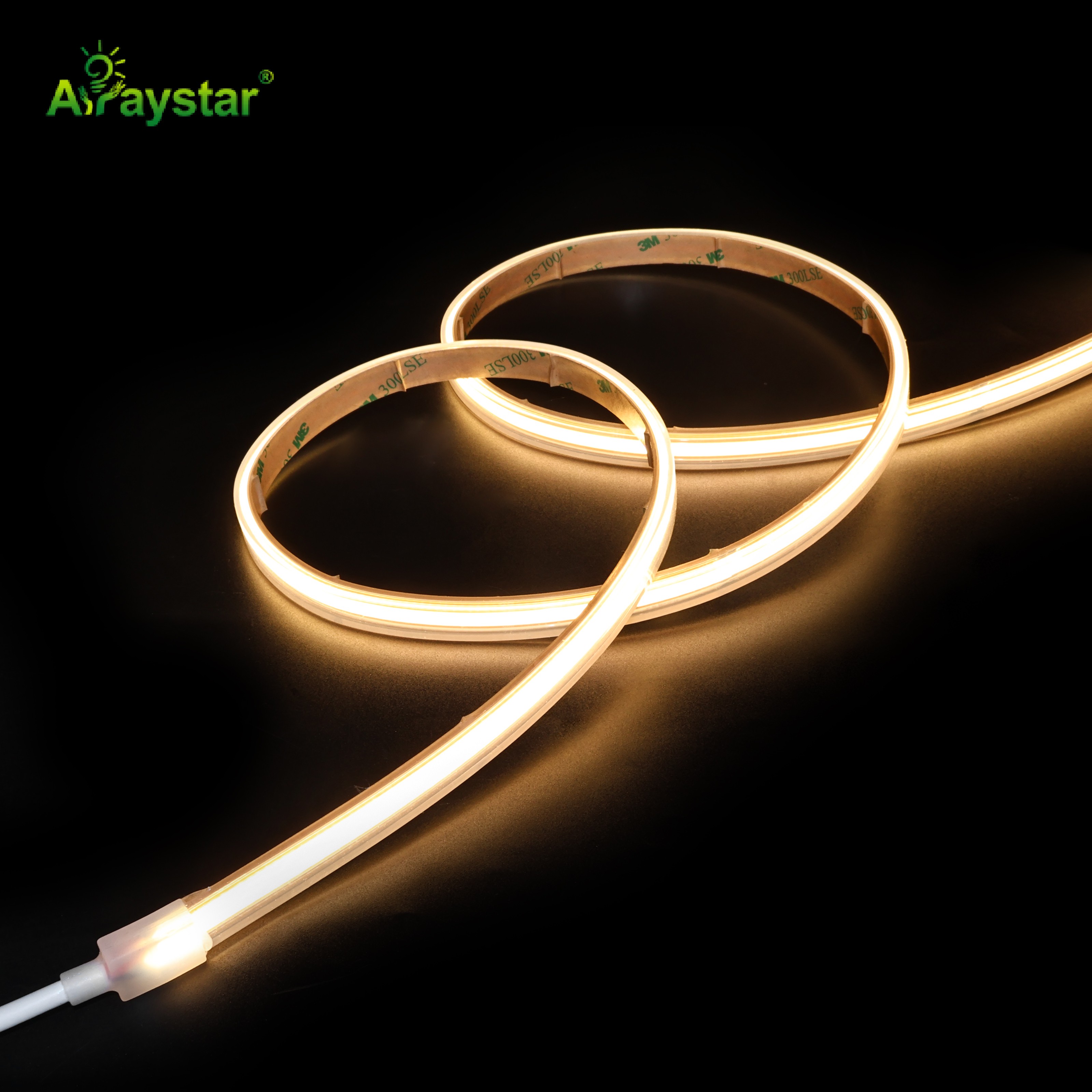
Can an LED strip run around the clock?
Yes. LED boards and drivers are designed for long operating hours, and many commercial installations leave strip lighting on continuously through corridors, signage backings, equipment areas and safety routes. What changes under 24/7 use is the thermal profile: instead of heating up and cooling down each day, the strip and driver hold a steady elevated temperature for weeks at a time. The limiting factor is not the ability to turn on, but whether the installed circuit can shed that heat without accelerating light loss.
A strip that works fine for a few evening hours may show problems once it never switches off, because small amounts of heat that would otherwise dissipate overnight build up in an enclosed channel or an overloaded driver. Treat a 24/7 project as a thermal design problem first, and a lighting choice second.
How continuous running affects the strip
LED light output gradually declines over time, and the speed of that decline is closely tied to junction temperature: the hotter the board runs, the faster depreciation tends to progress. Intermittent use gives the board a chance to cool between cycles; continuous use removes that reset, so heat that is acceptable in an accent run becomes a larger liability in a always-on layout. Colour shift, dim segments and ageing adhesive or connectors are more likely when heat has nowhere to escape.
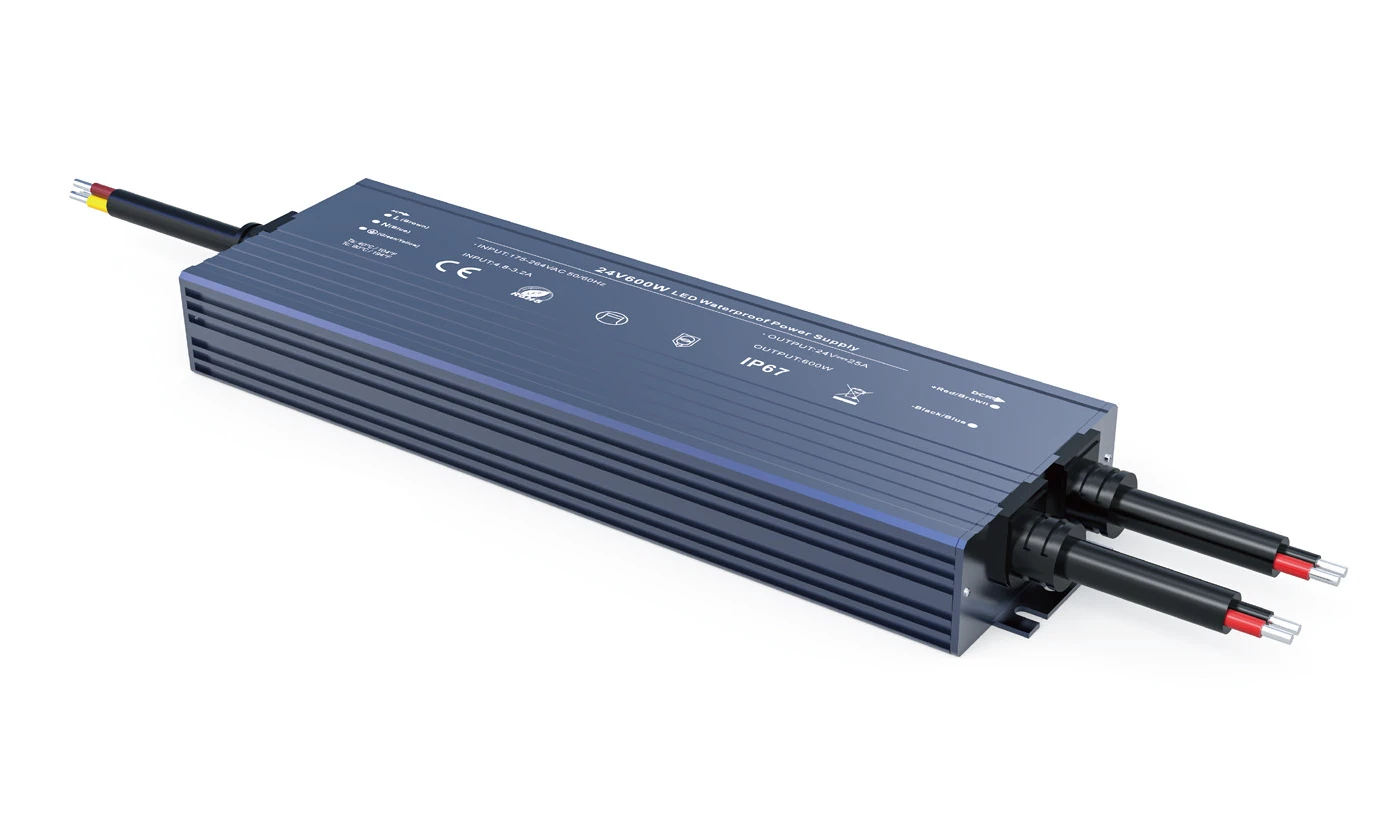
The driver behaves the same way. A supply run near its rated ceiling, in a hot sealed box, spends all day at its upper limit; drivers that are sized with margin and kept ventilated hold a steadier output and stay within their design conditions for longer.
Design choices that protect a 24/7 install
These are design principles; the rated wattage, voltage and warranty for each strip and driver are taken from the product pages.
| Factor | Risk if ignored | What to do |
|---|---|---|
| Driver loading | Supply runs at its rated ceiling, runs hot and trips or ages early. | Size the driver to the total circuit wattage with margin; do not fill the supply to 100%. |
| Heat dissipation | Heat accumulates on the board and in the channel. | Mount the strip against a thermally conductive channel or heat-spreading surface; keep the board in contact rather than floating in a gap. |
| Enclosure | A sealed, unventilated channel traps heat around the strip. | Avoid fully enclosing the board in an unventilated pocket; provide a path for heat to escape. |
| Strip selection | A dense, high-W/m board on a narrow or poorly cooled base overheats. | Choose a board width and density suited to continuous duty; check the warranty period stated for the model. |
| Ambient conditions | Nearby motors, ovens or roof heat raise the starting temperature. | Locate runs away from heat sources and keep the surrounding air moving where possible. |
Where always-on strip runs are typical
- Corridors and circulation routes: continuous low-level light that stays on for safety and wayfinding.
- Signage and facade backings: illuminated outlines and channel-letter backs that remain lit through opening hours or longer.
- Equipment and rack areas: low-level guidance and status light along cabinets, racks and containment zones.
- Security and perimeter approaches: steady light along entrances, eaves and outdoor routes that operate outside staffed hours.
Signs the install is running too hot
- A section gradually dims or shifts colour faster than the rest of the run.
- The driver feels hot to the touch after warm-up, or its protection trips intermittently.
- Connectors or adhesive lift away from the surface, or solder joints look discoloured.
- The channel or housing cannot be held against because of its heat after a period of running.
Recommended Products
Frequently Asked Questions
Is it safe to leave LED strip lights on all day and night?
Yes, provided the circuit is sized and cooled for continuous duty: the driver has load margin, the strip mounts against a conductive channel or heat-spreading surface, and the run is not trapped in an unventilated enclosure. Always-on corridors, signage and equipment areas commonly run strips continuously when these thermal conditions are met.
Does leaving LED strips on shorten their lifespan?
Continuous operation does not wear out a filament, but sustained heat can accelerate light output decline over time. The best protection against shortened life is keeping the board cool: proper channel contact, ventilation, driver margin and a strip selected for the duty. The warranty period for a given model is stated on its product page.
What temperature should a continuously running strip stay at?
After a warm-up period the board and driver should feel warm, not too hot to hold against, and there should be no local hot spot in the channel. Exact rated temperatures are stated in the datasheet; if the housing or driver is uncomfortably hot, re-check the load, mounting contact and ventilation rather than assuming the strip is fine.
Should a 24/7 strip use a bigger driver?
It should use a driver sized to the total strip wattage with headroom, rather than one matched to the absolute total. Running the supply below its rated ceiling keeps it cooler and more reliable over continuous use; split long circuits across drivers where one supply would be near its limit.
Designing an always-on strip installation?
Send your continuous-duty zones, total wattage and mounting conditions for a strip and driver recommendation, factory-direct pricing and engineering support within 24 hours. Datasheets are available on request.
Email: info@arraystarled.com | Phone: +86-0755-2103-6746 | WhatsApp: 0086 1581 8514 077