Cove Depth and Cut-Off: Why a Shallow Cove Shows LED Dots
- 2026-11-23 16:37
- /
- Alan
A cove works by hiding the source and letting the wall do the reflecting. Get the geometry wrong and you are looking at the strip, not at the light.
A restaurant fit-out had a 120 mm deep cove with the strip mounted flat on the shelf and a 40 mm lip. From the dining floor the wall showed a row of bright points, and from a low seat the LEDs were visible. The strip was fine; the geometry was not.
The basic relationship
Light from a strip on a horizontal shelf spreads in a wide cone. The lip blocks the direct view, and the depth lets the beam mix before it reaches the wall. Too shallow, and individual emitters are still resolvable when the light lands. Too deep with too small a lip, and the strip is visible from across the room.
A rough starting point for a wall wash: depth 100–150 mm, strip set back from the lip by 50–80 mm, lip at least 40 mm above the shelf. The wall distance and the required uniformity change these numbers, so treat them as a first sketch rather than a rule.
What actually controls dotting
- Distance to the wall. Further from the wall means more spread and a softer wash. At 50 mm the strip dots; at 150 mm it does not.
- Diffuser. Opal removes the point source but costs 15–30% of output; prismatic spreads more evenly with less loss.
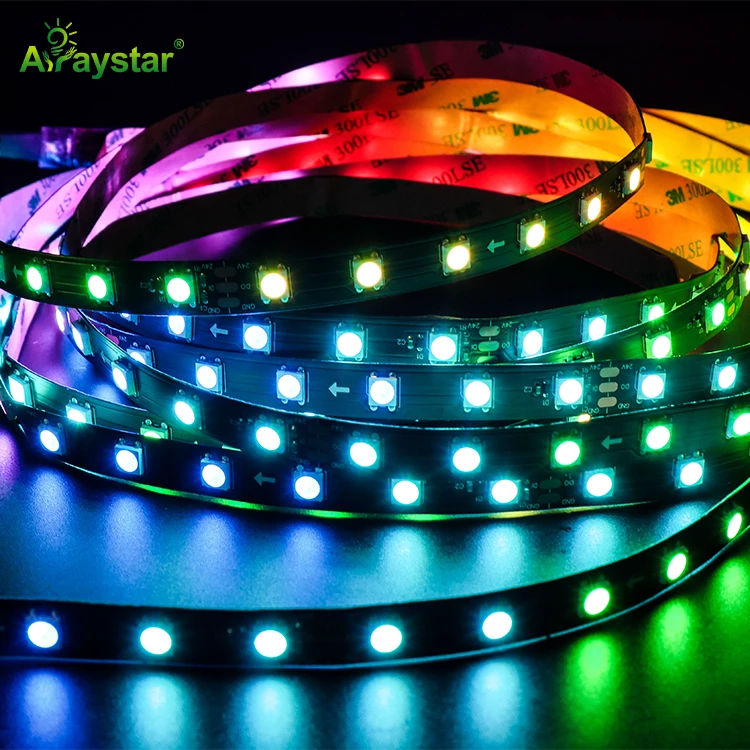
- LED pitch. A 60 LED/m COB at 7 W/m is close to continuous; a 30 LED/m SMD at the same wattage shows gaps.
- Wall finish. Matte hides residual unevenness; gloss or metallic amplifies it.
Fixes that avoid rebuilding
Adding a diffuser is the cheapest correction when the strip is accessible. Moving the strip further from the wall costs only labour. Raising the lip with a small return flange hides the source without touching the shelf.
A higher-density strip helps only when the dotting comes from pitch rather than geometry. On this job the strip was already COB; the problem was 60 mm from the wall with no diffuser.
When a shallow cove is acceptable
If the cove is high above the viewing plane and the wall is matte, a 90 mm depth can work with a diffused strip. The test is the view from the lowest seat, not from a ladder. Check it at night with only the cove on.
Commissioning check
Walk the space at the lowest realistic viewing angle and photograph the wall with a phone at eye level. A phone camera exaggerates point sources, which is useful: if it looks clean on a phone, it will look clean to the client. If you can count the LEDs in the photo, the geometry needs work.
Our profiles with diffusers list beam behaviour, and the high-density COB ranges reduce pitch-related dotting where geometry cannot be changed.