Jewelry Counter LED Strip: High CRI Lighting That Makes Gems Sparkle
- 2026-09-19 13:16
- /
- Arraystar
Jewelry is bought on sparkle, and sparkle is engineered: specify very high CRI (≥95 with strong R9), cool-white for diamonds and silver, warm white for gold, point-source or directional linear light that creates facets and reflections, and low-heat fixtures that protect pieces and staff. Diffuse, low-CRI, warm-everything lighting makes diamonds look dead and gold look dull.
What Makes Jewelry Look Expensive
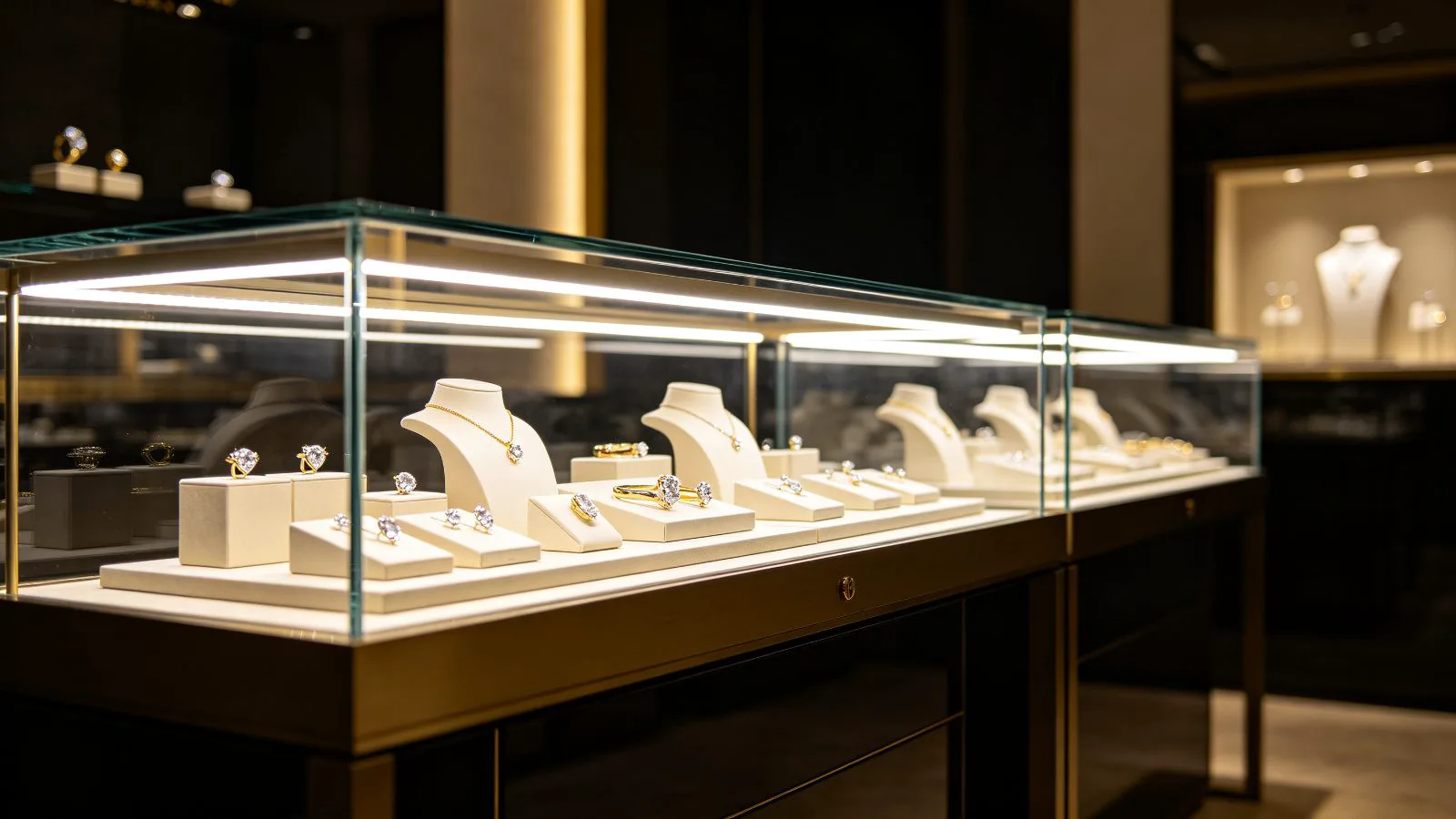
Jewellery retail is one of the few categories where lighting directly creates the product's perceived value. A diamond's brilliance comes from light entering the stone, refracting through its facets and returning as white reflections and coloured fire. Flat, diffuse, low-colour light suppresses those reflections and makes even a fine stone look glassy. Conversely, well-directed, high-quality white light makes facets sparkle across the room.
- Sparkle needs point sources and contrast, not an even wash: small bright sources create the multiple reflections that read as brilliance.
- Colour rendering must be exceptional so white metals, gem colours and skin tone read accurately under the counter.
- Heat is a real constraint: halogen in sealed cases damaged gems, waxed settings and made counters uncomfortable; LED removed this but cheap dense strip can still warm an enclosed case.
- Glare control protects the customer: light should hit the jewellery, not the shopper's eyes or reflect off the glass into their face.
- Security and consistency matter: cases are inspected closely, so colour and brightness must be uniform across every counter.
Colour Temperature and CRI by Material
Lighting recipe by jewellery type
| Jewellery / material | CCT | CRI / emphasis | Effect |
|---|---|---|---|
| Diamonds, platinum, silver | 5000–6500 K cool | Ra ≥95, high white content | Brilliance, fire, clean sparkle |
| Yellow gold, bronze | 3000–3500 K warm | Ra ≥95, strong R9 | Rich warm metal tones |
| Rose gold, pearls | 3000–3500 K soft warm | Ra ≥95 | Flattering, lustrous |
| Coloured gemstones | Tuned to the stone | Ra ≥95 / TM-30 | Accurate, vivid gem colour |
| Watches / mixed retail | 3500–4000 K neutral | Ra ≥90–95 | Balanced, versatile |
A common mistake is lighting every counter with warm 3000 K because the store feels luxurious — this flatters gold but kills diamonds, which need cool, high-colour-temperature light to return white brilliance. Stores selling both typically zone cool cases for diamond/silver walls and warm cases for gold, or use tunable-white linear systems to set each counter correctly.
Specify CRI Ra ≥ 95 with a strong saturated-red R9 (>90) and review TM-30 for coloured stones; for high-value pieces a spectral test is worth requesting because two ‘CRI 95’ strips can render a ruby or emerald very differently.
Choosing Linear Fixtures for Cases
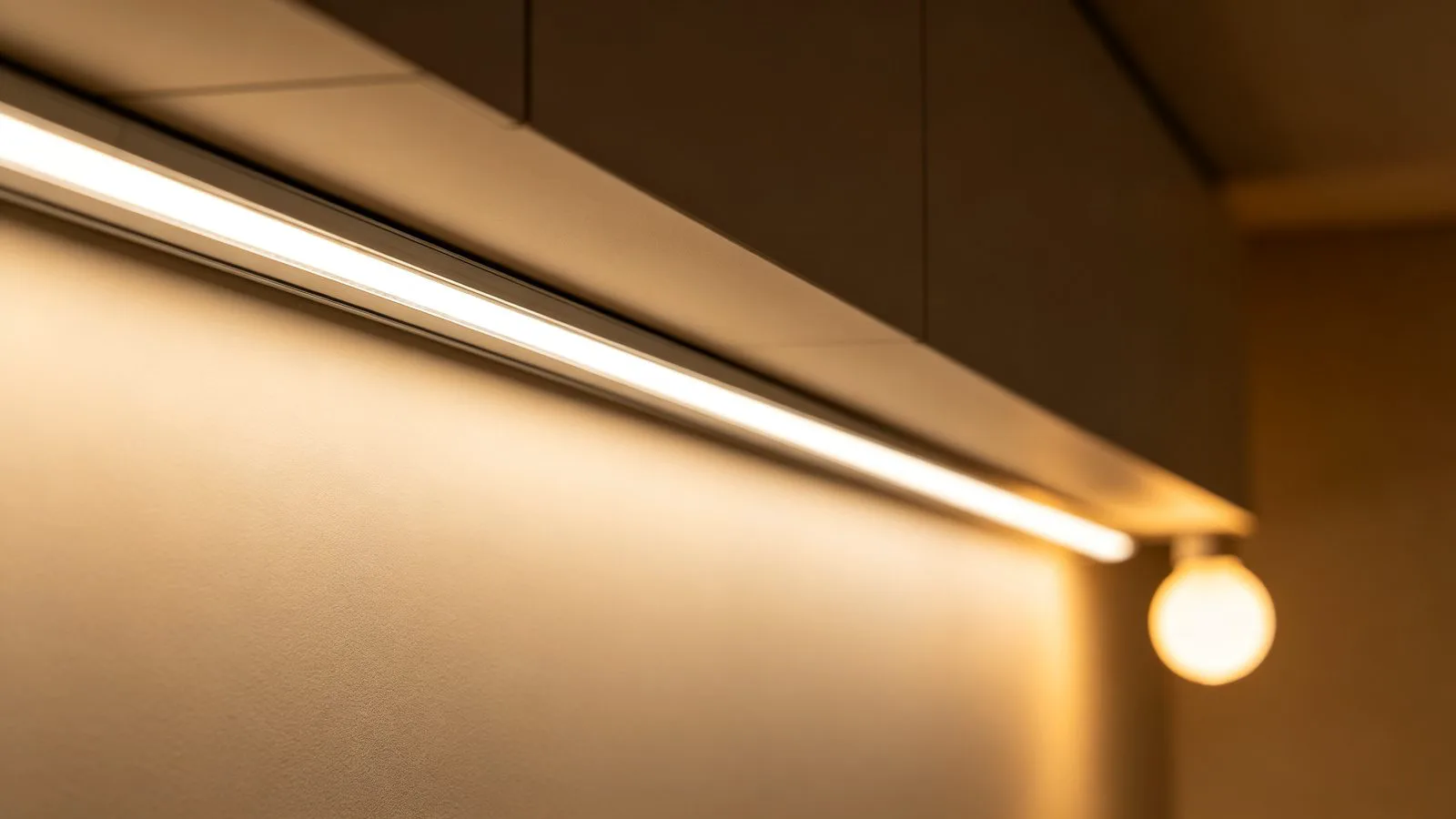
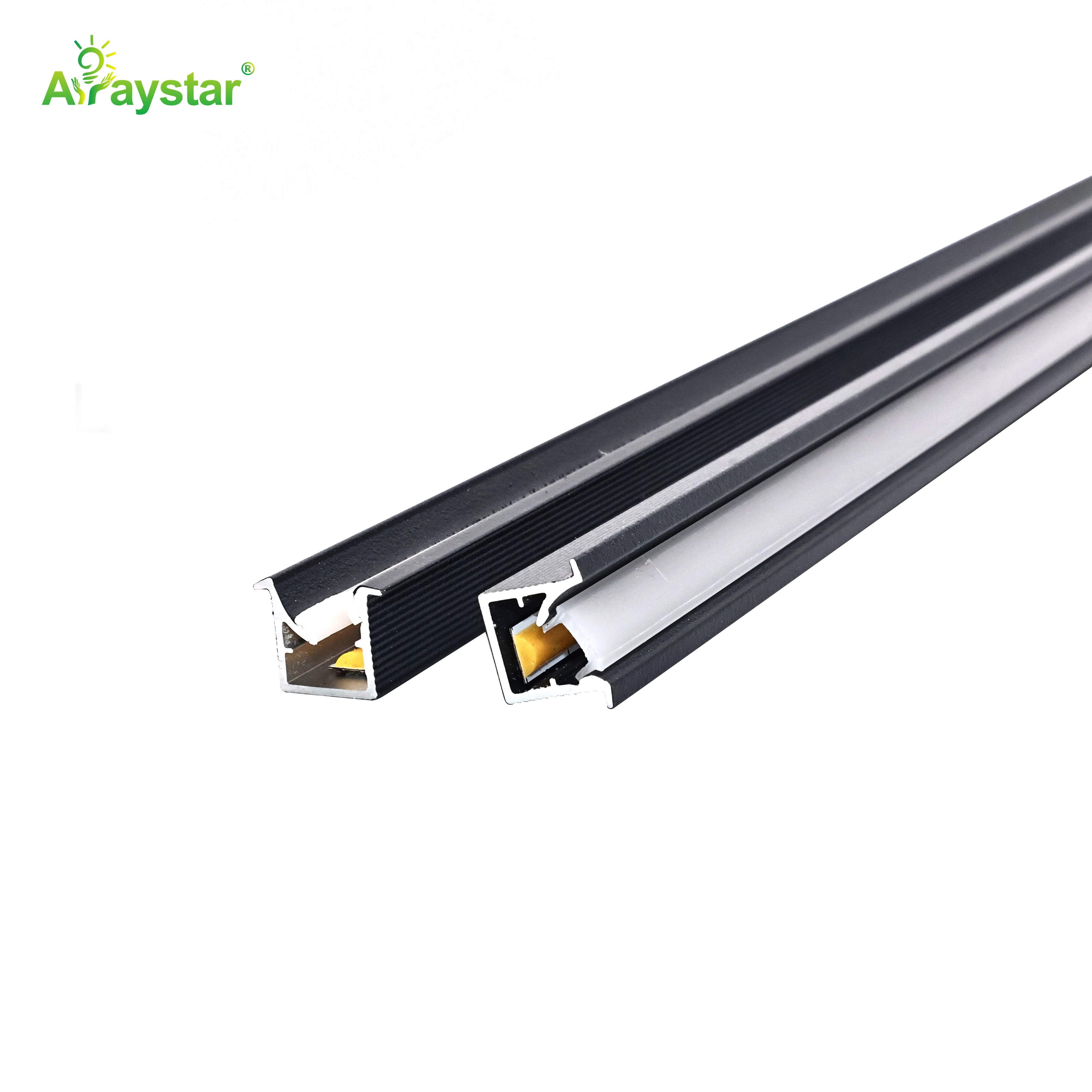
- Use very high-CRI COB or dense strip in slim top-rail or shelf-front channels with lensing that directs light onto the jewellery plane rather than the glass.
- Prefer low-wattage, thermally managed strip in aluminum profiles; keep drivers outside sealed cases and avoid dense high-power strip in small enclosures.
- Combine a soft base wash with brighter point/linear accents: an even layer prevents dark shadows while directional strips or small spots supply the sparkle-creating highlights.
- Choose opal or micro-lensed optics that conceal the diodes from normal viewing angles while preserving directional punch; bare strip reflected in glass looks cheap.
- For window displays use tunable or high-output exterior-rated strip that stays bright against daylight and can warm up in the evening.
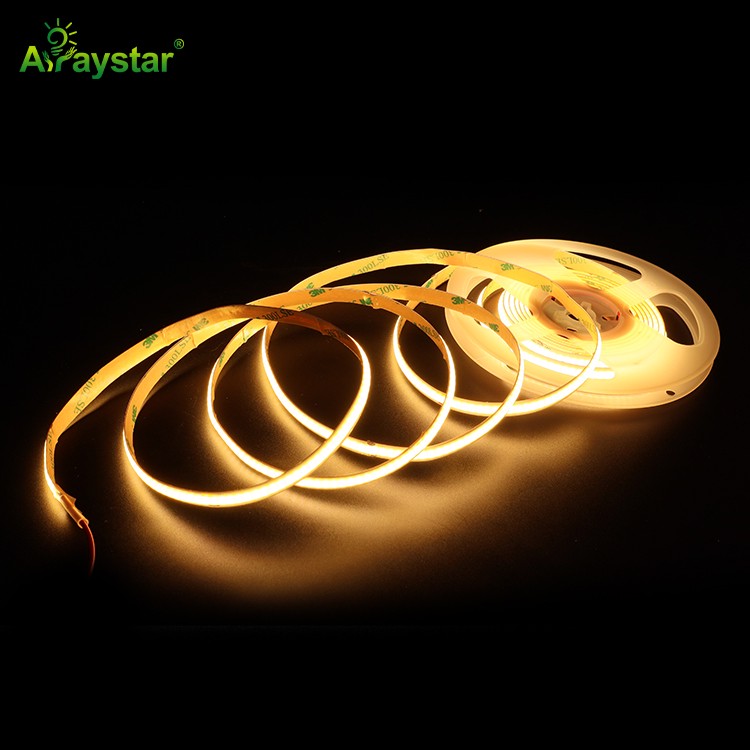
Because cases are viewed through glass at an angle, geometry matters more than raw lumens: light the rear and floor of the case so the customer's reflected glare zone (roughly the angle of incidence from their eye) stays dark. Aiming linear sources at the jewellery from above and slightly forward, with the case interior brighter than the store behind the viewer, hides reflections and focuses attention on the pieces.
Counter, Window and Control Design
- Wall cases (vitrines): continuous top-rail linear light angled in, plus a low front fill to remove chin shadows on busts and necklaces.
- Flat counter cases: slim perimeter or cross-case strips from the top/front edge, avoiding the customer's reflected sightline; small accents for hero pieces.
- Pedestal and single-item cases: a focused accent plus faint halo so signature pieces draw the eye.
- Window displays: high-output, daylight-competitive linear light by day, warmer dimmable scenes at night, on timers.
- Scenes and dimming: bright for trading, softer for evening and private appointments; consistent white balance across all cases.
Jewellery lighting specification summary
| Aspect | Requirement |
|---|---|
| CRI | Ra ≥95, R9 >90 (TM-30 for gems) |
| CCT | Cool for diamonds/silver, warm for gold |
| Optics | Directional, concealed, glare-controlled |
| Heat | Low-wattage, drivers external to cases |
| Uniformity | Consistent colour/level across counters |
| Control | Dimmable scenes, day/night window timing |
We supply very high-CRI COB in slim dimmable channels, tunable-white options for mixed collections and low-heat case kits with lensing designed to produce sparkle without glass glare. Send us your case dimensions and the mix of pieces and we will lay out a counter-by-counter lighting recipe that makes the merchandise sparkle.
Recommended Products
Frequently Asked Questions
What colour temperature makes diamonds sparkle?
Use cool white around 5000–6500 K with very high CRI (≥95). Cool, high-colour-temperature light returns white reflections and coloured fire through a diamond's facets, whereas warm light makes stones look dull and yellowish. Reserve warm 3000–3500 K for gold and rose-gold pieces.
What CRI do jewelry display lights need?
Specify CRI Ra ≥ 95 with saturated-red R9 above 90, and check TM-30 fidelity/gamut for coloured gemstones. General retail CRI 80–90 is not enough for diamonds, white metals and gems, where accurate colour and sparkle directly affect the sale.
How do I stop LED lights reflecting in jewelry case glass?
Light the jewellery, not the glass: mount directional linear sources in the top/front rail aimed at the pieces, keep the customer's reflected sightline dark, make the case interior brighter than the store behind the viewer and use anti-reflective glass where budget allows. Conceal diodes with lensing so customers never see the source.
Do LED lights damage jewelry or gemstones?
Quality LEDs emit almost no UV and very little heat, making them far safer than halogen, which could heat gems and waxed settings. Still use low-wattage, thermally managed strip with drivers outside sealed cases to keep interior temperature stable, especially for pearls, opals and organic materials sensitive to heat and dryness.
Should all jewelry counters use the same white light?
No — light by material. Diamonds, platinum and silver need cool light; yellow and rose gold, pearls and many coloured stones look best in warm light. Multi-category stores either zone counters by CCT or use tunable-white linear systems to set each case correctly while keeping overall scenes consistent.
Lighting a jewelry store or display cases?
We supply CRI 95+ cool and tunable COB in slim glare-controlled case channels with low-heat external drivers. Send case dimensions and your jewellery mix for a sparkle-optimised layout.
Email: info@arraystarled.com | Phone: +86-0755-2103-6746 | WhatsApp: 0086 1581 8514 077
Need to size your power supply? Use our LED Strip Power Calculator to find the right driver in seconds.