Kindergarten & Classroom LED Strip: Tunable White for Schools
- 2026-09-19 13:16
- /
- Arraystar
School and kindergarten lighting must protect developing eyes and support both focus and calm: specify flicker-free, glare-controlled (low UGR), high-CRI (≥90) tunable-white linear LED — cool/neutral for concentration, warm for quiet and nap times — with daylight-linked control, safety low-voltage where accessible, and fully enclosed diffusers. Poor, flickering or glaring classroom light is linked to eye strain and reduced attention, while tunable circadian schedules support the school day.
Why Classroom Lighting Is Different
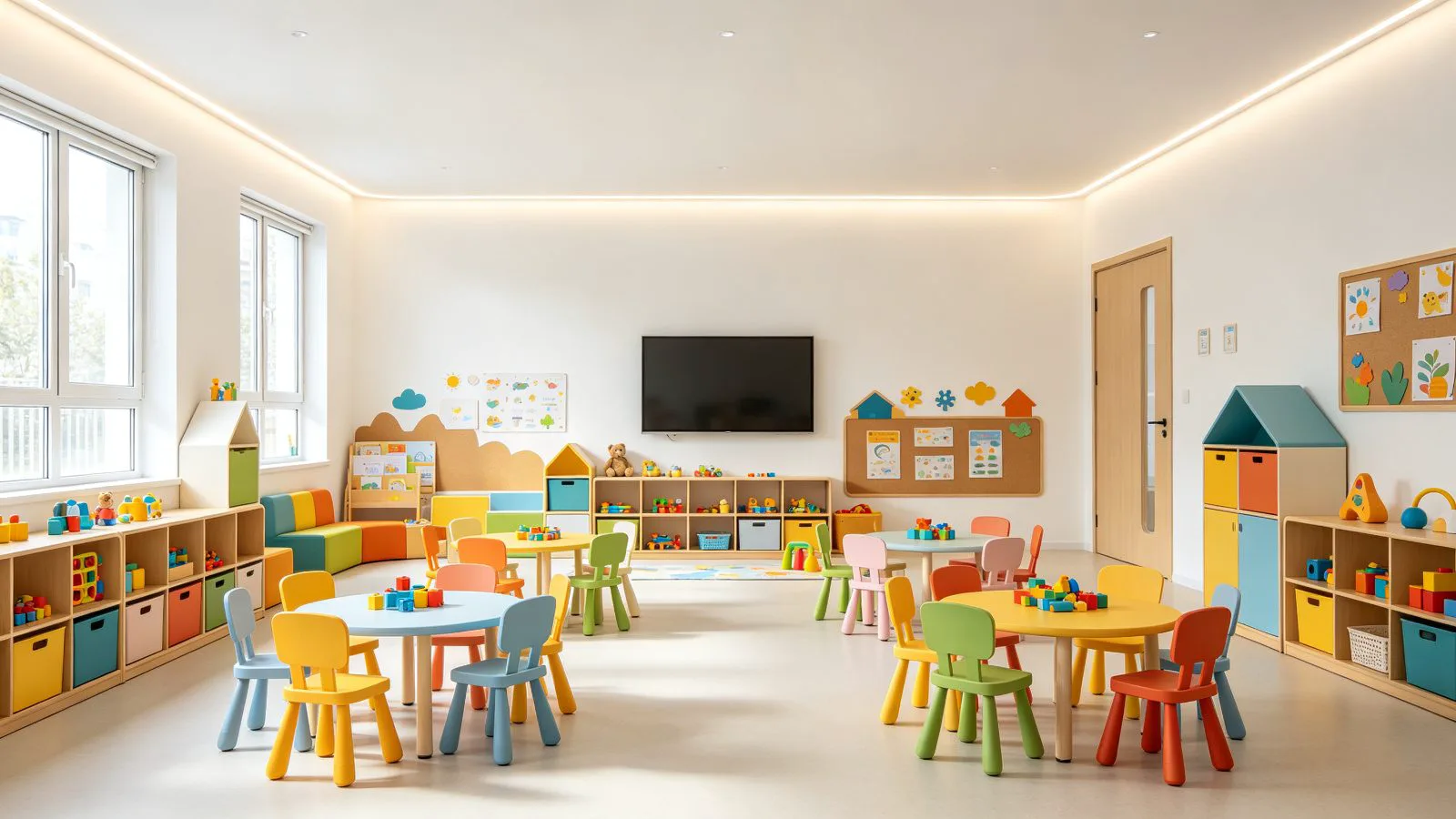
Children's visual systems are still developing and they spend long hours reading, writing and looking between paper, boards and screens. Classrooms also swing between very different activities — focused lessons, group work, art, meals and (in kindergartens) nap time. Good linear lighting protects visual comfort with no flicker and low glare, renders colours accurately for learning and art, and changes colour and intensity to match the activity and time of day, supporting concentration when needed and calm when appropriate.
- Visual comfort: zero perceptible flicker and low glare protect young eyes during near-work.
- Colour quality: CRI 90+ makes textbooks, displays and art colours accurate.
- Activity flexibility: tunable white supports focus, collaboration and quiet/nap scenes.
- Safety and robustness: enclosed diffusers, secure mounting and low-voltage where children can reach.
- Daylight harmony: dimming that balances electric light with windows avoids glare and waste.
Flicker, Glare, Colour and Circadian Tuning
Recommended school lighting parameters
| Parameter | Classroom / study | Kindergarten / nap |
|---|---|---|
| CCT (focus) | >=5000–5500 K cool/neutral | 4500–5000 K activity |
| CCT (calm/nap) | 3500 K relaxed | 2700–3000 K warm, dimmed |
| CRI | ≥90 | ≥90 |
| Glare | UGR <19, shielded | Soft, indirect, low brightness |
| Flicker | <1% / flicker-free | Flicker-free |
| Task illuminance | Per school standard (~300–500 lx) | Even, comfortable, dimmable |
- Require flicker-free drivers (high-frequency/analogue dimming, <1%) — low-frequency PWM is unsuitable for classrooms and causes fatigue and camera banding.
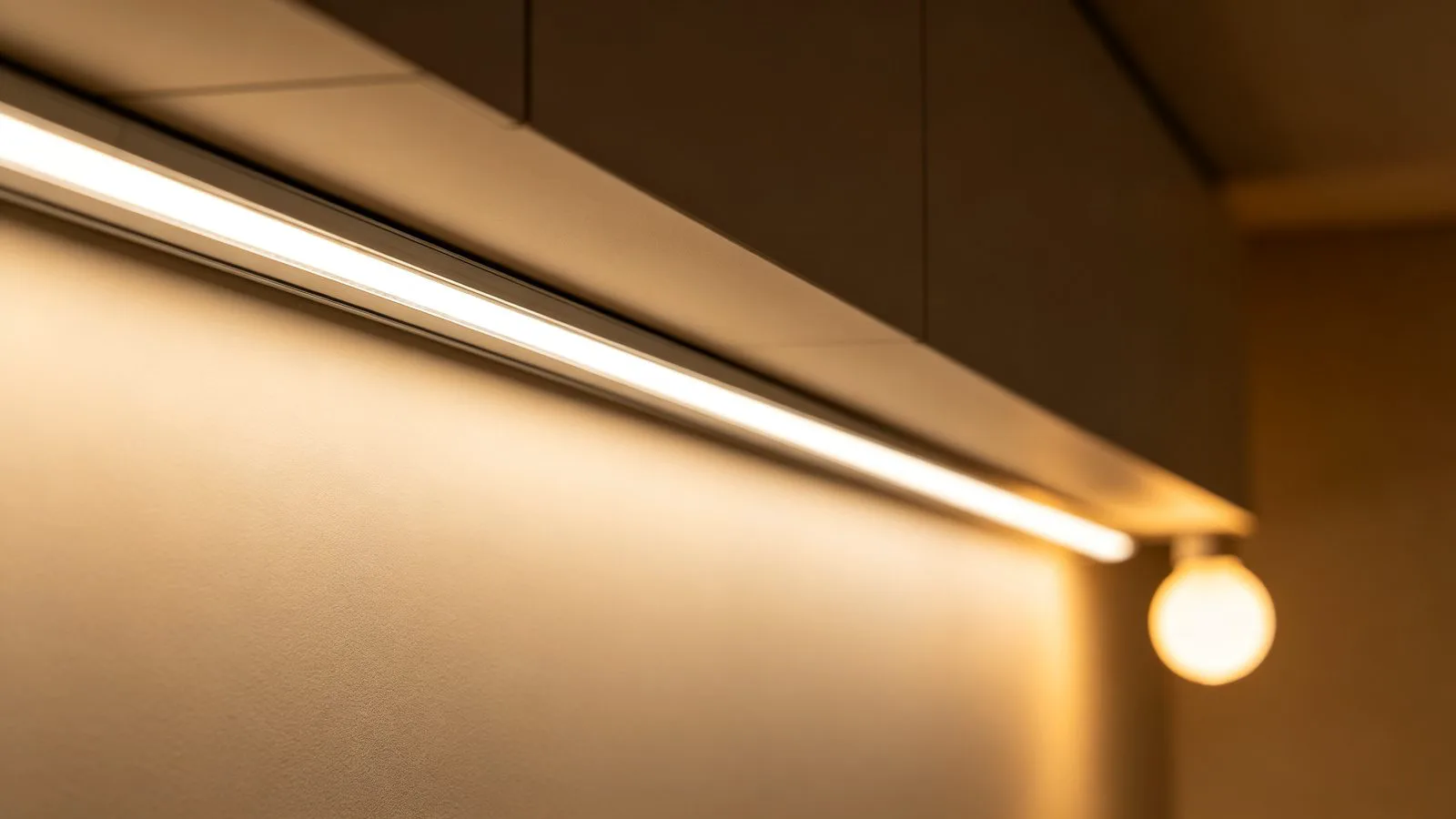
- Use diffused, shielded linear fixtures (UGR < 19); COB in opal channels or indirect coves avoid visible bright dots that children look up at.
- Specify tunable-white (warm-to-cool) systems on circadian schedules: cool/bright in morning and focus periods, warmer/softer after lunch and for naps.
- Provide daylight-linked dimming and zoning for window rows versus the room interior to keep desks evenly lit without glare.
Linear Products and Safe Installation
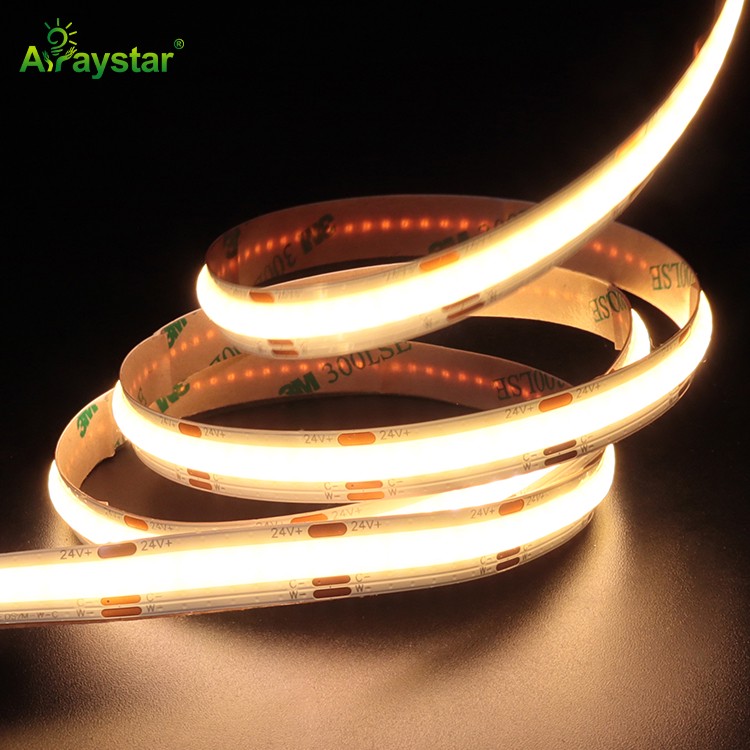
- Use high-CRI tunable-white COB in deep opal channels for continuous, dot-free, low-glare ceiling or cove lines.
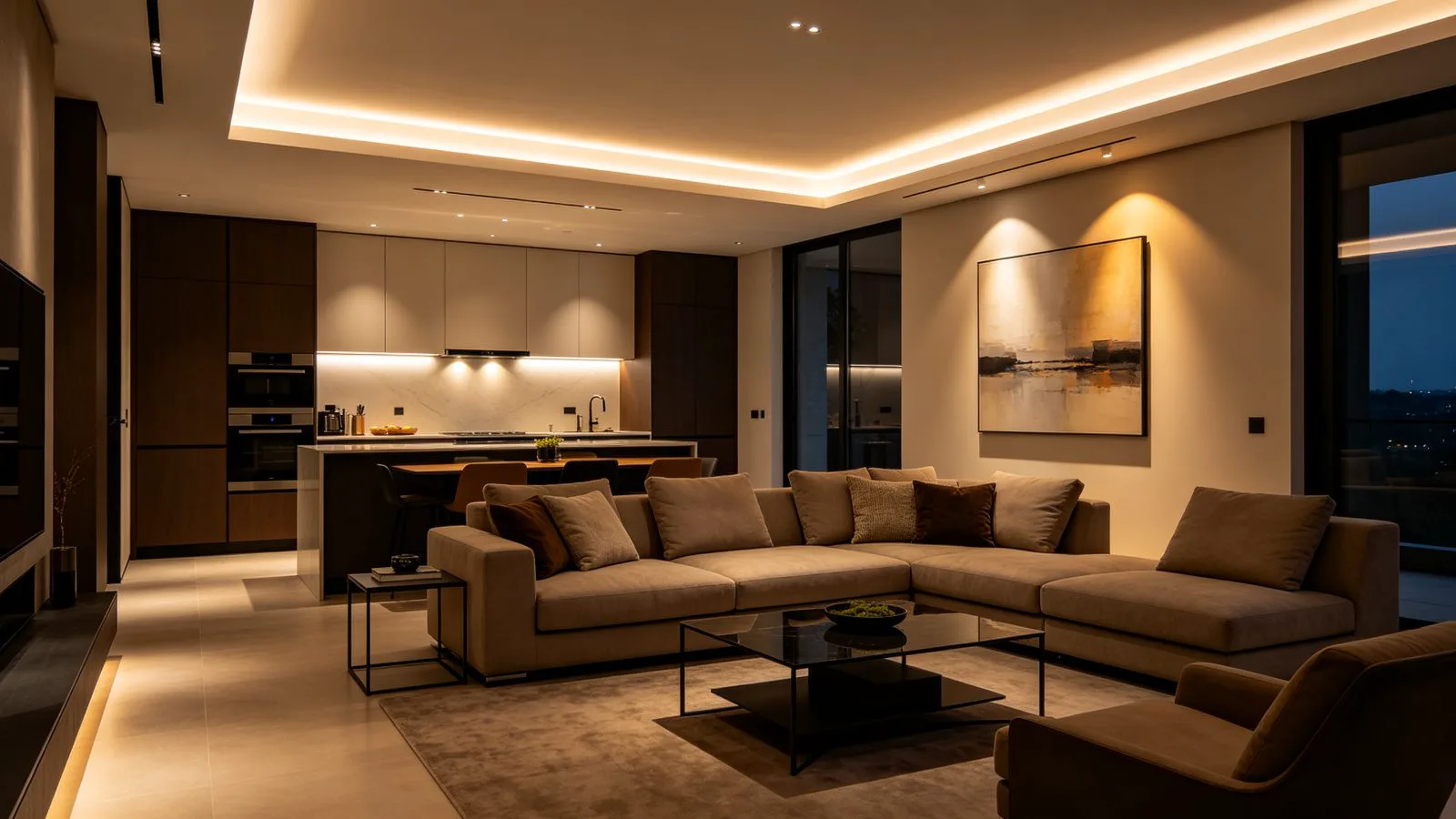
- In kindergartens prefer indirect/cove and fully enclosed fixtures with no accessible hot surfaces or exposed strip; secure all mountings against tampering.
- Use safety low-voltage (24 V) runs for any feature, wall or low-level lighting within children's reach.
- Choose durable, easy-clean housings rated for the environment and (where required) impact-resistant diffusers.
- Keep drivers and controls inaccessible to children but serviceable for staff.
Feature and accent lighting can make a kindergarten delightful — gentle colour in corridors, playful cove outlines, themed reading nooks — but keep saturated colour out of the teaching task plane and avoid flashing or rapidly changing effects in learning spaces, where they distract and can be a sensory concern.
Scenes, Controls and Compliance
- Focus scene: cool/bright, even task light for lessons and exams.
- Collaboration scene: neutral, slightly softer light for group work and the board.
- Creative/art scene: high-CRI balanced light that renders materials accurately.
- Calm/nap scene (kindergarten): warm, deeply dimmed, low-glare light for rest time.
- AV/presentation scene: dimmed front of room with maintained safe aisle light.
- Use simple teacher wall presets plus scheduled circadian changes; verify against local school lighting standards and any emergency-lighting requirements.
School specification summary
| Aspect | Requirement |
|---|---|
| CRI | ≥90 |
| Tunable white | Cool focus to warm calm/nap scenes |
| Flicker / glare | Flicker-free (<1%), UGR <19 |
| Safety | Enclosed diffusers, 24 V where reachable |
| Control | Teacher presets + circadian + daylight |
| Compliance | Local education lighting standards |
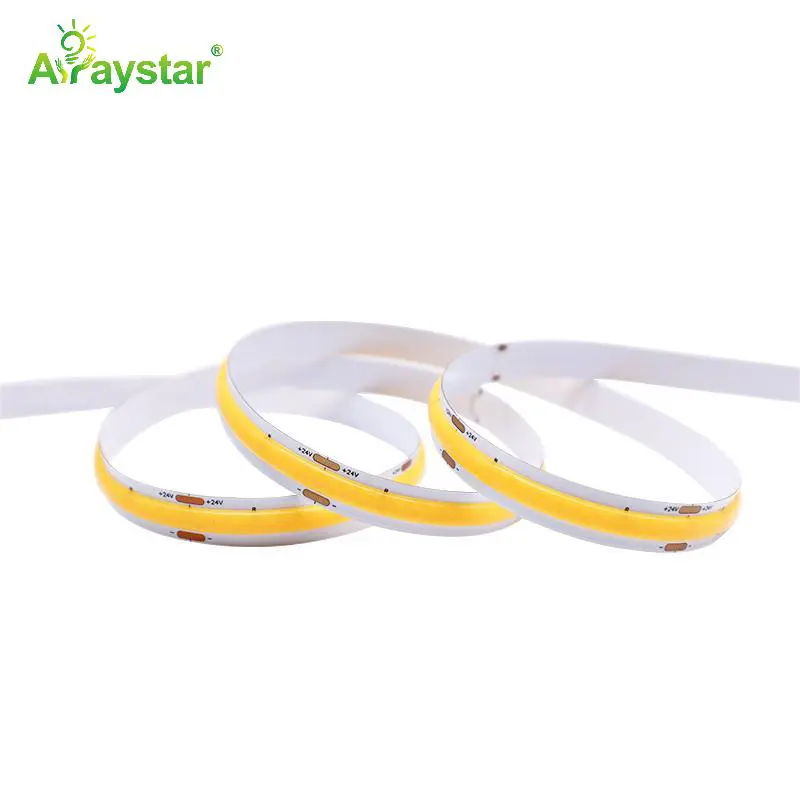
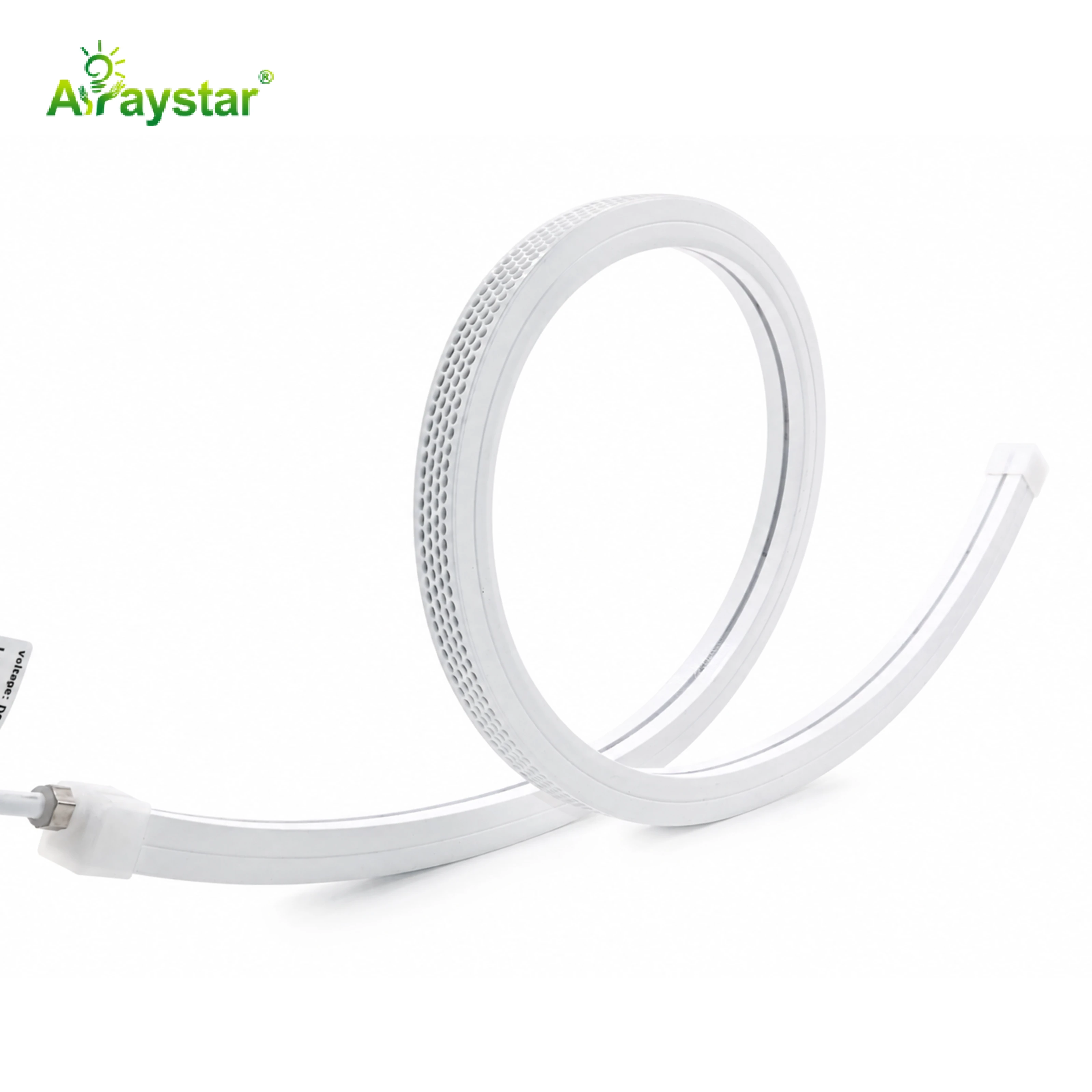
We supply high-CRI tunable-white COB in opal low-glare channels, 24 V feature strip, flicker-free drivers and teacher-friendly scene/circadian controllers for classrooms and kindergartens. Send us your room layouts and daily schedule for an activity-based lighting design.
Recommended Products
Frequently Asked Questions
What colour temperature is best for classrooms?
Use tunable white: cool/neutral around 5000–5500 K at high level for morning focus and study, shifting to neutral 3500–4000 K for relaxed group work and warm 2700–3000 K dimmed for kindergarten nap time. Fixed installations commonly use 4000 K with CRI 90+ if tuning is not available.
Why is flicker-free lighting important in schools?
Children perform long near-vision tasks and are sensitive to flicker, which can cause eye strain, headaches and reduced concentration even when the modulation is not consciously visible. Specify high-frequency or analogue dimming with flicker below 1% and quality drivers, avoiding cheap PWM dimmers and bulbs.
How do I prevent glare in a classroom or kindergarten?
Use COB or panels in deep opal diffusers or indirect coves with UGR below 19, shield bright sources from normal and upward viewing angles, balance window daylight with dimming and avoid exposed bright strip that children can look directly at. Indirect light is especially gentle in kindergartens.
Is tunable white or circadian lighting worth it in schools?
Yes for full-day environments: cool bright light in morning focus periods supports alertness, while warmer dimmer light after lunch and during kindergarten nap time aids calm. The benefits are strongest where schedules and daylight vary; simple teacher presets plus an automatic circadian schedule make it practical without burdening staff.
Is LED strip safe to use around young children?
When installed correctly: use fully enclosed opal fixtures with no exposed or hot strip, secure tamper-resistant mounting, safety 24 V low-voltage runs for anything within reach, and keep drivers and controls inaccessible to children but serviceable for staff. Avoid loose or low-level feature lighting that small hands can reach.
Lighting a classroom or kindergarten?
We supply high-CRI tunable-white COB in low-glare opal channels, safe 24 V feature strip, flicker-free drivers and teacher-friendly circadian scene controls. Send room layouts and the daily schedule for an activity-based design.
Email: info@arraystarled.com | Phone: +86-0755-2103-6746 | WhatsApp: 0086 1581 8514 077
Need to size your power supply? Use our LED Strip Power Calculator to find the right driver in seconds.