LED Strip for EV Charging Station Canopy Lighting
- 2026-09-19 12:28
- /
- Arraystar
Charging canopies are outdoor, 24/7 safety-critical lighting with large roof areas and exposed drivers. Specify high-output, low-glare IP66/IP67 linear LED (typically 4000–5000 K, ≥80 CRI) laid for even coverage, 10 kV surge-rated drivers, 48 V or mains long-run distribution, and daylight/occupancy control — with sealed, serviceable gear that survives rain, road grime, vibration and lightning for years.
What an EV Canopy Demands From Lighting
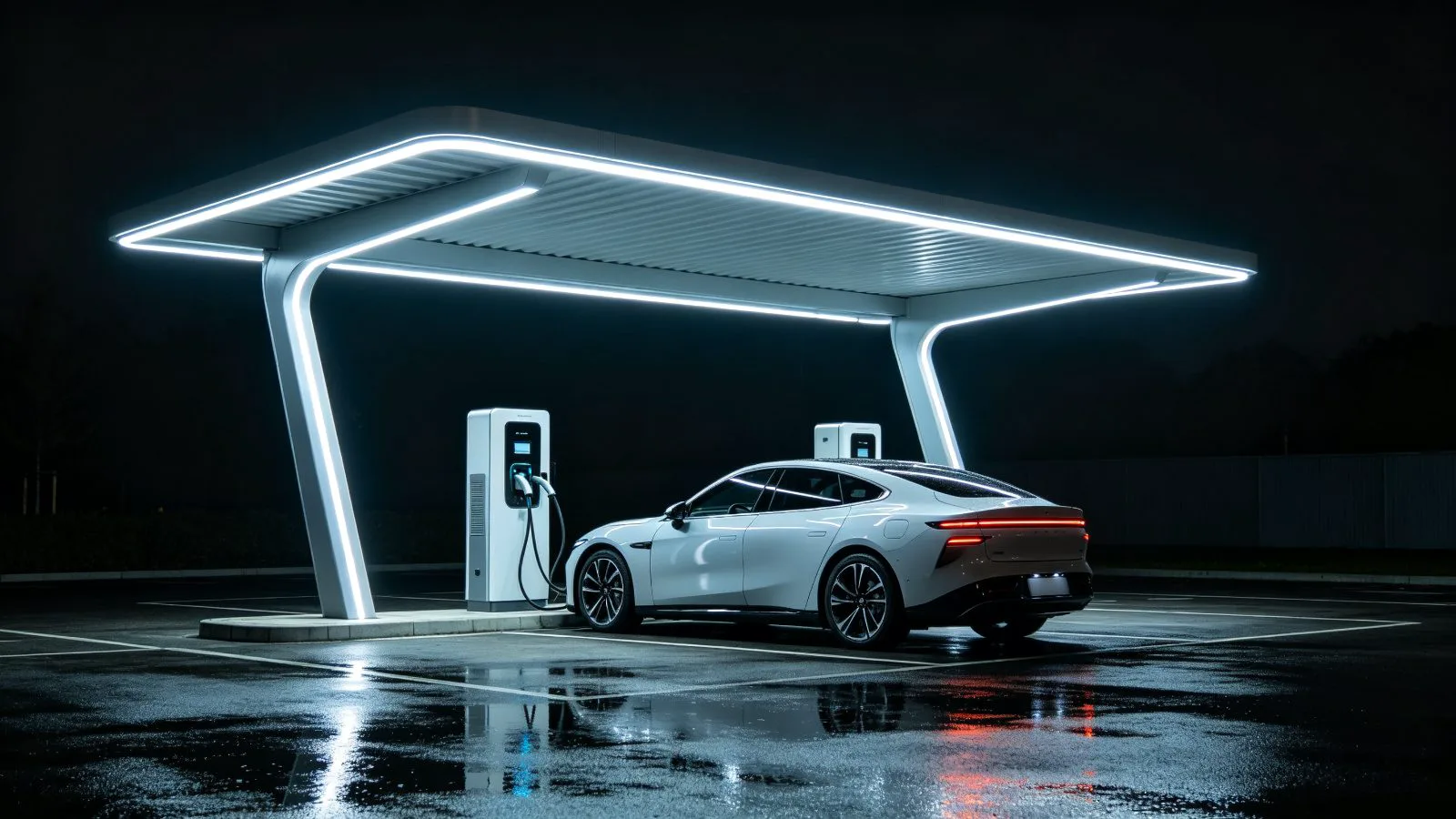
An EV charging canopy is essentially an outdoor steel or aluminium roof structure covering several parking bays, open on the sides and exposed to weather 24 hours a day. Drivers arrive after dark, handle high-voltage connectors, read screens and payment terminals, and CCTV must capture clear footage — so the lighting is a safety and security system, not decoration. It must be uniform, glare-controlled, reliable and cheap to run across a large area.
- Uniformity across bays and driving lanes to avoid dark pockets between chargers where cables and kerbs hide.
- Glare control so approaching drivers and users looking down at connectors are not dazzled.
- Weather resistance: rain, humidity, road salt, dust, pressure-washing and UV under a shallow canopy.
- Surge resilience: tall metal canopies in open car parks are lightning targets (see our surge guide).
- Low running cost and long life: sites are often unmanned, with maintenance access at a premium.
Photometric and Environmental Specification
Recommended canopy lighting parameters
| Parameter | Recommendation | Note |
|---|---|---|
| Colour temperature | 4000–5000 K neutral/cool | Alertness, CCTV clarity, perceived safety |
| CRI | ≥80 (Ra) | Adequate for safety and camera work |
| Uniformity (U0 / avg-min) | Target ~0.4+ | Even bay and lane coverage |
| Horizontal illuminance | Follow local standards / brief | Often ~20–50 lx for open canopies |
| Ingress protection | IP66/IP67 fittings & drivers | Rain, dust, washdown |
| Surge protection | ≥10 kV/5 kA SPD | Canopy is lightning-exposed |
| Corrosion | Marine-grade near coast | 316 / coated hardware, salt testing |
| Life / maintenance | L80 long life, accessible drivers | Unmanned sites |
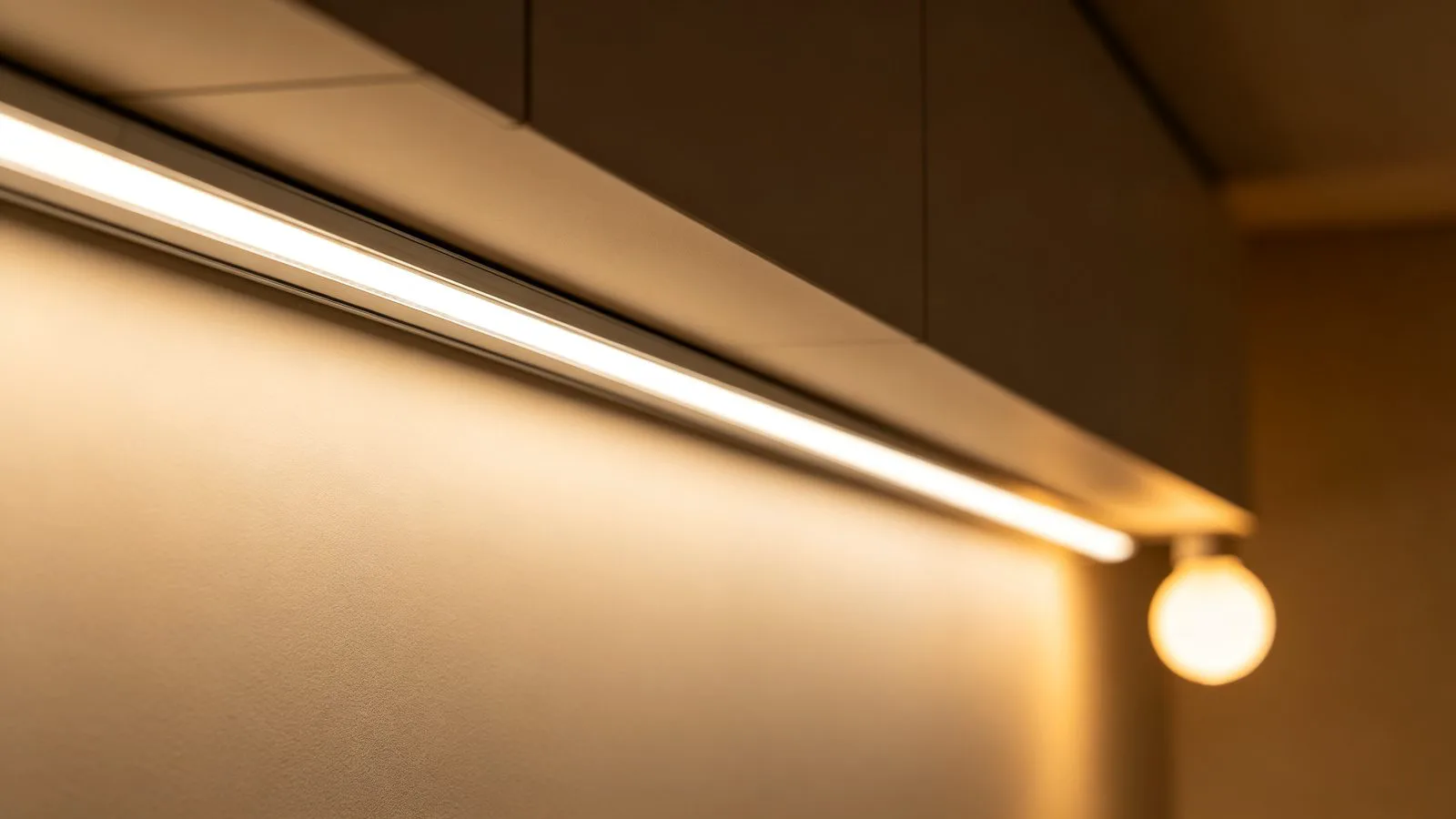
Linear LED strip or linear fixtures mounted along canopy cross-beams naturally deliver the continuous, even wash that individual canopy lights can leave patchy between bays. Use diffused, shielded or recessed linear optics to control glare, and lay out runs to overlap light at the edges of each bay rather than centring a single bright source over each charger.
Products, Voltage and Surge Protection
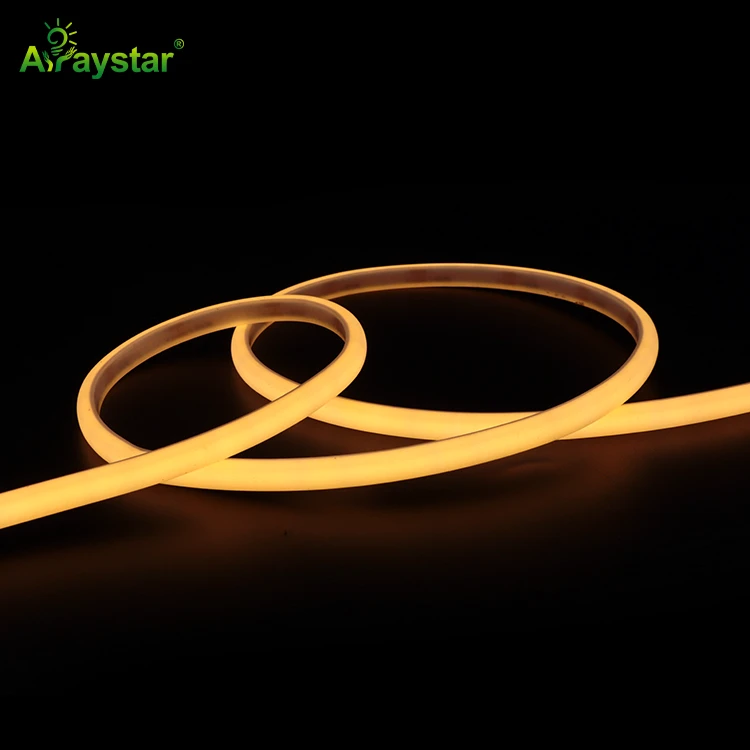
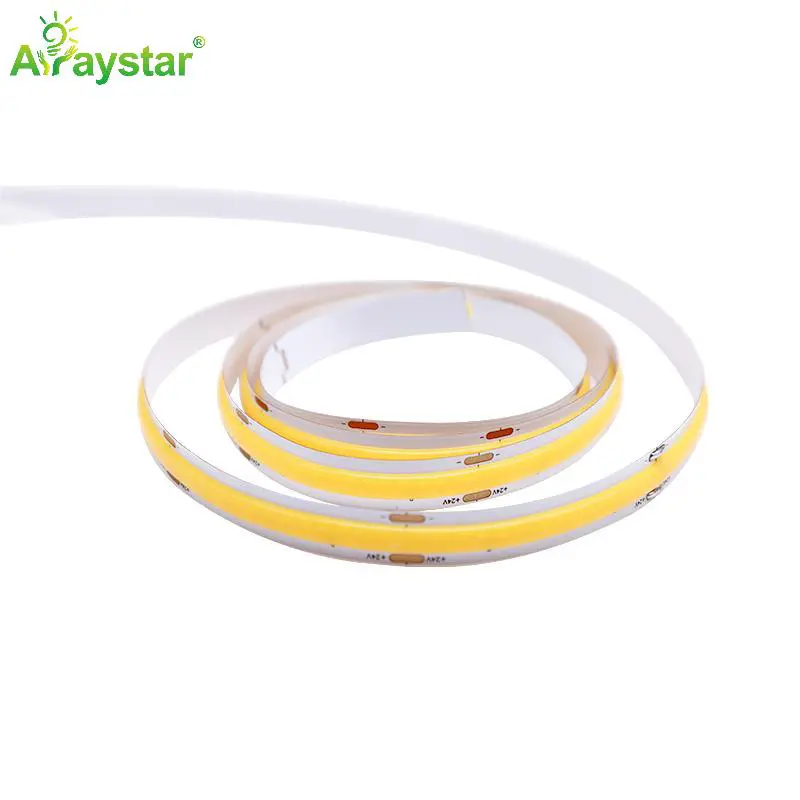
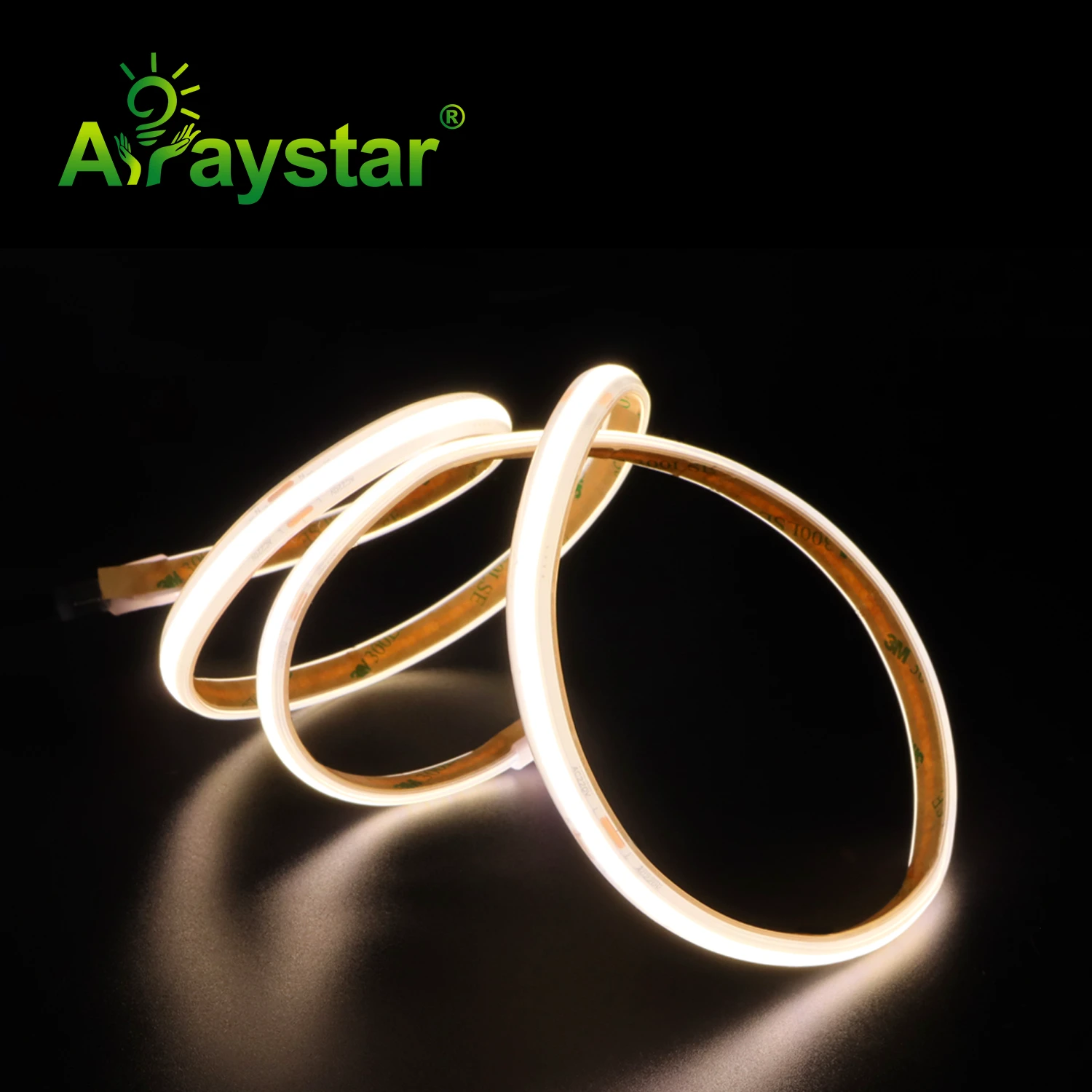
- Use high-output IP67 COB or rigid linear bars in aluminum extrusions for a clean continuous line; high-density strip must be in a sealed, thermally adequate profile — bare adhesive strip has no place on an outdoor canopy.
- Prefer 48 V or constant-current long-run linear systems for long beam runs to minimise voltage drop and wiring, with IP67 drivers located in sealed, ventilated gear trays at the canopy columns.
- Fit Type 2 SPDs (10 kV/5 kA minimum) at each driver/distribution point, bonded to the canopy earth and lightning protection system; add a Type 1 device at the main intake in high-lightning regions.
- Specify UV-stabilised, IK-rated covers where impact or pressure washing is possible, and marine-grade (316) hardware for coastal or road-salt sites.
- Keep drivers and junction points serviceable from ground or column with pluggable connectors so a failed unit is a two-minute swap, not a canopy-top job.
Thermal design is often overlooked: canopies trap heat under the roof in summer. Sealed IP67 linear gear must still be rated for the enclosure temperature reached inside the beam on a hot afternoon, so derate drivers and choose high-efficiency sources that produce less heat per lumen.
Controls, Installation and Operations
- Daylight harvesting with photocells keeps lights off by day and on at dusk; occupancy / radar sensors can dim unoccupied bays and raise to full on arrival, cutting energy substantially while preserving a safe minimum.
- Network controllers allow scheduled scenes, remote monitoring and fault alerts — valuable for multi-site charge operators who cannot inspect every canopy nightly.
- Route all cabling in sealed conduit within the steelwork, use IP67 glands and drip loops, and segregate low-voltage control from charger power cabling to avoid interference.
- Coordinate with the charger manufacturer and electrical engineer on earthing, SPD coordination and CCTV camera sightlines before fabricating beams.
- Commission at night with a lux meter or photometric check to confirm uniformity and absence of glare or dark gaps.
Typical control scenes
| Condition | Lighting response |
|---|---|
| Daytime | Off (photocell) |
| Dusk/dawn, unoccupied | Dimmed baseline (~20–40%) for security/CCTV |
| Vehicle/user detected | Full brightness in the active zone |
| Night, occupied bays | Full over active bays, baseline elsewhere |
We supply IP67 high-output linear COB and rigid bars, 48 V long-run systems, 10 kV surge-rated drivers and sensor/network controllers suited to canopy fabricators and charge operators. Send us your bay count, beam dimensions and exposure (inland versus coastal) for an even-coverage, surge-protected layout.
Recommended Products
Frequently Asked Questions
What IP rating do EV charging canopy lights need?
Use IP66 or IP67 sealed linear fixtures and drivers to handle rain, dust, humidity and washdown under an open canopy, with UV-stabilised and impact-resistant (IK-rated) covers. Add marine-grade 316 hardware at coastal or road-salt sites and ensure every gland and connector is sealed with drip loops.
How do I protect canopy LED lighting from lightning?
Canopies are exposed metal structures, so fit coordinated surge protection: a Type 1 SPD at the main intake in high-lightning regions and Type 2 devices rated at least 10 kV/5 kA at each driver, all bonded to the canopy earth and lightning-protection system with a low-resistance ground.
What colour temperature is best for a charging station canopy?
Neutral to cool white around 4000–5000 K gives a sense of safety and alertness and produces clear CCTV images, with CRI 80+ adequate. Prioritise uniformity and glare control over very high brightness so bays and connectors are evenly lit without dazzling drivers.
Can LED strip be used instead of canopy light fixtures?
Yes, but only high-output IP67 COB or rigid linear bars mounted in sealed, thermally adequate aluminum extrusions — never bare adhesive strip. Continuous linear light along the beams gives very even coverage between bays; use 48 V or constant-current long-run systems for the long spans.
Should canopy lighting be on all night?
Not necessarily at full power. Photocells switch lights at dusk, while occupancy or radar sensors hold unoccupied bays at a dim security baseline (enough for CCTV) and raise to full when a vehicle or user arrives. This preserves safety while cutting energy and extending life; networked controls add remote fault alerts.
Lighting an EV charging canopy or forecourt?
We provide IP67 high-output linear COB, 48 V long-run distribution, 10 kV surge-rated drivers and sensor/network controls. Send bay count, beam dimensions and exposure for an even, protected layout.
Email: info@arraystarled.com | Phone: +86-0755-2103-6746 | WhatsApp: 0086 1581 8514 077
Need to size your power supply? Use our LED Strip Power Calculator to find the right driver in seconds.