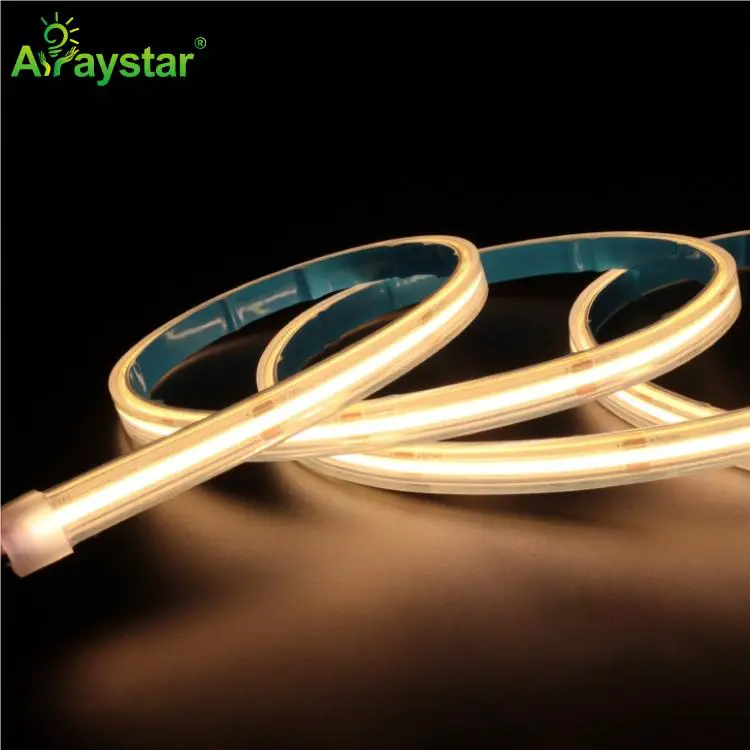
LED Strip PCB Width Explained: 4, 5, 8, 10 and 12mm Trade-offs for Bending, Channels and Heat
- 2026-11-17 17:03
- /
- Arraystar LED
PCB board width is one of the first numbers to settle when specifying an LED strip, because it sets how tightly the strip can bend, how much heat it can carry away, how wide a channel it needs, and how much power the board can hold. This guide compares the common 4mm to 12mm widths on those four axes, and matches each width to the kind of install it suits. Strip figures quoted below come from the published product rows; any target brightness or channel dimension is checked against the project drawing.
Why PCB width matters before you pick a colour or driver
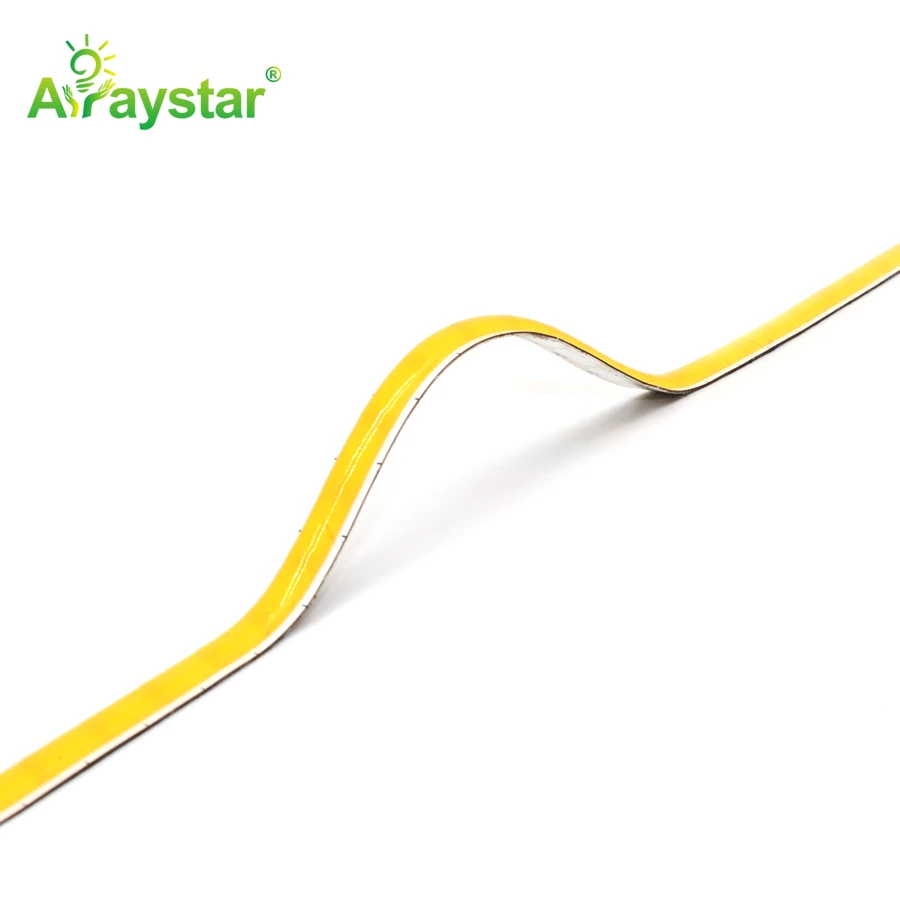
The PCB is the flexible printed board that carries the LEDs, copper traces and solder pads. Its width is not an appearance detail: it controls the amount of copper and solder surface available, the contact area against an aluminum channel, and the way the board flexes around corners. A strip that looks identical in glow can behave very differently once it has to follow a tight reveal, drop into a slim profile, or run at a higher wattage.
Specifiers usually choose width from three constraints in this order: the physical slot or channel the strip must sit in, the bend geometry along the route, and the power or density the circuit needs. Choosing the widest strip that fits the slot is not automatically the right call; a board that is too wide for the channel will pinch under the diffuser, while a board that is too narrow for a high-power run will run hotter than it should.
Width tiers and what each trades away
The tier ranges below describe common board widths in the Arraystar range; exact width, wattage and LED count per metre are taken from each product page.
| Board width | Typical role | Bending and mounting | Heat and power profile |
|---|---|---|---|
| 4-5mm slim | Narrow reveals, furniture inlay, slim neon channels and tight corners. | Flexes to a tighter radius and sits in the smallest profiles; best where the slot is only a few millimetres wide. | Lower surface area, so it suits lower-to-moderate wattage strips; keep the load conservative and use a channel for cooling. |
| 8mm mid-width | The balanced all-rounder for coves, under-cabinet, shelves and general linear light. | Bends easily around most internal and external corners; fits common 8-10mm profiles. | Enough contact area for typical COB and SMD runs; the usual choice where neither the slot nor the power is extreme. |
| 10-12mm wide | Higher-density COB, higher-wattage runs and layouts needing a broad, even wash. | Stiffer and less willing to make tight radii; plan gentle bends and wider mounting channels. | More copper and contact area to carry heat away, which supports denser LED layouts and higher W/m; verify the channel can accept the board. |
How to match the width to your channel and route
- Measure the slot first: check the internal width of the aluminum profile, neon channel or reveal, then pick a board that sits flat inside it with room for the diffuser. Do not force a wide board into a narrow slot.
- Read the bend geometry: trace the route for sharp internal corners, arcs and vertical drops. Tight bends call for a slimmer board; long straight runs give you more freedom to choose a wider, higher-power strip.
- Match width to load: add the total strip wattage and LED density for the circuit. Denser, higher-W/m layouts benefit from a wider board and a thermally conductive channel; lighter accent runs can use a slim board.
- Check the cut and pad spacing: confirm the strip's cut positions and connector width match the board, especially on 5mm and 8mm boards where connector housings differ.
- Leave a cooling path: wherever the strip is enclosed, make sure the board can contact the channel or a heat-spreading surface instead of being trapped in an unventilated gap.
Common width mistakes to avoid
- Board wider than the channel: the diffuser presses on the PCB, local parts overheat, and the board may lift off the adhesive.
- Over-flexing a wide board: forcing a 10-12mm strip around a tight corner cracks pads or traces; route the bend gently or switch to a slimmer width for that section.
- Under-cooling a narrow high-power strip: a slim board running at a high W/m needs a proper channel; sticking it onto an open, insulated surface shortens its useful life.
- Mixing widths on one visible run: adjacent strips of different widths sit at slightly different depths and can show an uneven light line; keep the width consistent along a continuous visual run.
Recommended Products
Frequently Asked Questions
Does a wider PCB make an LED strip brighter?
Width itself does not create brightness; brightness comes from LED count per metre, driver current and efficiency. A wider PCB mainly provides more copper and cooling surface, which lets a denser or higher-W/m layout run reliably. The LED density and wattage on the product page are the figures that determine output.
Can a narrow LED strip bend around tight corners?
Slim 4-5mm boards flex more readily than wide 10-12mm boards, so they are the better choice for tight reveals, arcs and small channels. Even on a slim board, follow the marked bend direction and avoid twisting the board across its width; sharp corners may still need a corner connector or a gentle arc.
Which PCB width fits a slim aluminum channel?
Measure the profile's internal width and match the board to it with room for the diffuser. A 5mm slim board suits the smallest channels, an 8mm board fits common 8-10mm profiles, and a 10-12mm board needs a correspondingly wider profile. Check the product page width and the channel spec before ordering.
How does board width affect heat and power?
A wider board carries more copper and contacts a larger area of the channel, so it can dissipate heat more effectively and support denser, higher-W/m layouts. A narrower board has less cooling surface, so its wattage should stay conservative and it should be mounted on a thermally conductive channel rather than an insulated gap.
Need help matching strip width to your channel and load?
Send your channel dimensions, route layout and total wattage for a strip and driver recommendation, factory-direct pricing and engineering support within 24 hours. Datasheets are available on request.
Email: info@arraystarled.com | Phone: +86-0755-2103-6746 | WhatsApp: 0086 1581 8514 077