Metro Platform Edge Strip: Vibration, Cleaning and Three-Hour Windows
- 2026-11-23 16:44
- /
- Alan
On a platform the lighting is exposed to moving loads, wash-down and a maintenance window measured in hours. A detail that works in an office will not survive a year here.
A platform edge line had been installed with adhesive-backed strip in an aluminum channel, clipped every 500 mm. Within months, sections had lifted near the train stopping point and one joint had corroded after cleaning.
Vibration is continuous, not occasional
Every train arrival produces a pressure wave and a ground-borne vibration. The strip and its fixings see that hundreds of times a day. Adhesive alone fatigues; clips that are not locked work loose; joints that rely on friction develop resistance.
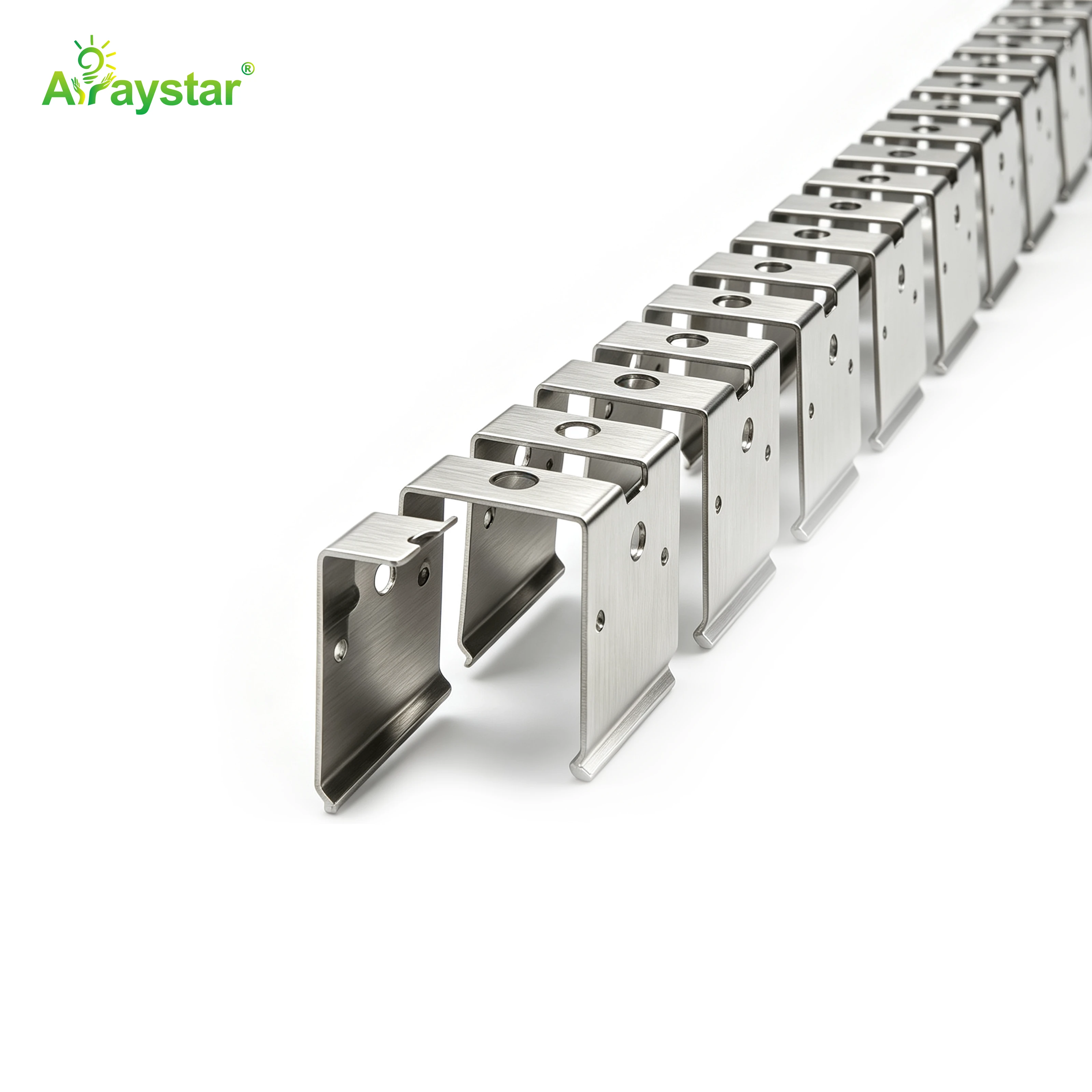
Use mechanical fixings with a locking feature, and keep the strip mechanically captured by the profile rather than relying on tape. Where the profile spans a gap, add a support rather than letting it bridge.
Ingress and cleaning
- Platforms are washed, often with hoses and detergent. IP65 minimum, IP67 where jets are used.
- Sealed ends and gel-filled connectors survive cleaning; push-on connectors do not.
- Drainage matters: the profile should not hold water against the strip.
- Detergent residue is corrosive over time; rinse and dry during maintenance.
The possession window
Work happens between the last train and the first, often three to four hours including setup and hand-back. That constrains everything: no wet trades, no long cure times, no commissioning that needs daylight.
Pre-assemble sections off site, label them by position, and use plug-in connections so the site work is mechanical. Test each section on a bench before it goes in.
What the failure looked like
The lifted sections were at the stopping point, where vibration is strongest and passengers stand closest. The corroded joint was at a cleaning access point, where water had been directed at the connector.
We replaced the channel with a mechanically retained profile, moved joints away from cleaning zones, and re-terminated with sealed connectors. The annual inspection now includes a pull test on every fifth clip.
Cable routing deserves the same attention. In a tunnel the feeder runs through areas with strict fire performance requirements, and a length of ordinary PVC cable pulled through a public area is a compliance problem. Use the specified cable and containment, and keep the low-voltage feeder separate from traction power.
Testing is also constrained. Bring a battery-powered test rig or a temporary supply, because the permanent distribution may not be energised during the possession. Test before the hand-back horn, not after, and leave the readings with the station maintenance team.
Emergency and wayfinding
Platform edge lighting often doubles as a visual warning. If so, it is not decorative and cannot be dimmed with the general scene. Keep the warning line on its own circuit and confirm the required illuminance with the station design team.
Our transit profiles include mechanical retention, and the IP65 and IP67 ranges cover the wash-down conditions.