Cabinet Door Sensor Stops Triggering After the Door Swells in Humidity
- 2026-11-02 15:55
- /
- Arraystar LED
A wardrobe door sensor that worked in summer and dies in a damp autumn is almost always the door swelling past the magnetic gap. The magnet has not moved, but the timber has moved 3 or 4 mm, and the reed switch can no longer feel it.
The sensor that stopped working after the rain
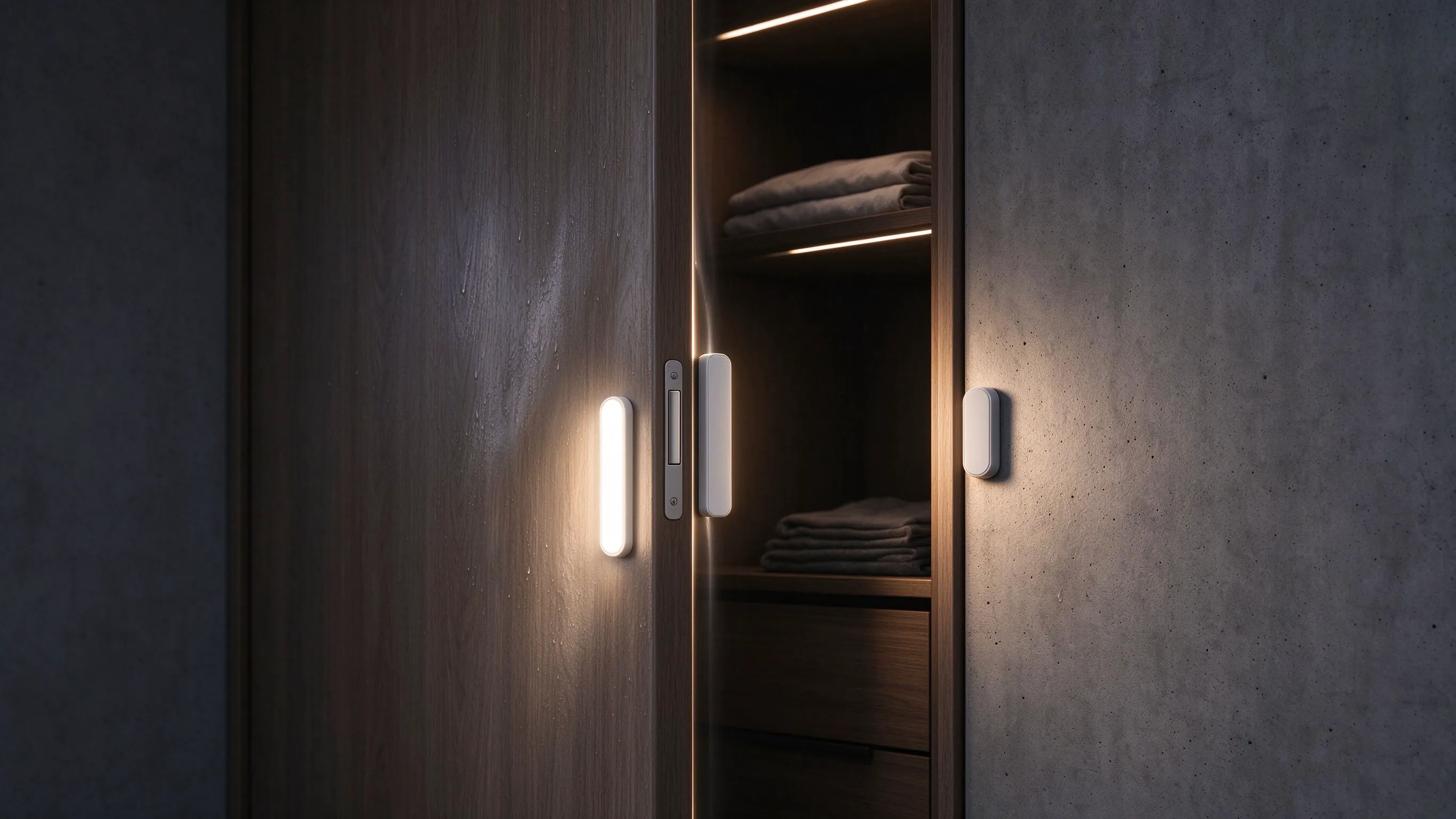
A client has a wardrobe LED that came on when the door opened. It worked perfectly for six months, then started missing the first time you opened the door in the morning. By November it does not switch on at all. He blames the battery or the sensor. The real cause is the door: solid timber absorbs atmospheric moisture and swells by a few millimetres, pushing the magnet away from the reed or Hall sensor.
A magnetic door sensor has a critical gap. A typical reed switch triggers at 15 to 25 mm from a small neodymium magnet. A Hall sensor is more forgiving, maybe 20 to 30 mm. Once the gap grows past that trigger distance, the sensor sees the door as closed, even when it is fully open. The light stays off.
- The failure is worst on damp mornings and clears by afternoon.
- The door itself looks fatter, especially at the bottom edge.
- The sensor works fine if you pull the door harder or press the magnet side close.
How much a timber door actually swells

A solid oak or ash door moves by about 0.1 to 0.3 percent in width between a dry winter heated room and a damp autumn day. On a 600 mm wide door that is 0.6 to 1.8 mm, which does not sound like much until you remember the reed switch trigger gap is only 15 to 20 mm. Add a 2 mm bow in the door panel from humidity, and the effective gap at the magnet position can grow by 4 or 5 mm overnight.
Painted doors move less than unfinished oiled doors. Kitchen cupboards in a steamy kitchen move more than a wardrobe in a dry bedroom. The environment tells you how much swell to budget for.
Checking the gap on site
Measure the gap with a feeler gauge on a damp morning.
| Gap measured at the magnet | Sensor behaviour | Fix |
|---|---|---|
| Under 10 mm | Triggers reliably | No action |
| 10-20 mm | Triggers on hard opening only | Move magnet closer |
| 20-30 mm | Misses first open | Raise magnet or change sensor |
| Over 30 mm | Does not trigger at all | Rework the gap or switch type |
Repositioning the magnet and choosing a wider-gap sensor
First I measure the gap with a feeler gauge on the wettest morning I can find. If the gap is under 20 mm, I simply reposition the magnet 3 or 4 mm closer to the sensor face. If the gap is over 25 mm, I swap the reed sensor for a Hall-effect sensor with a 30 to 40 mm trigger range, or I move the whole sensor body deeper into the carcass so the closing door brings the magnet right up to it.
I also glue the magnet into a routed recess in the door edge rather than sticking it on the surface. A surface-mounted magnet sits proud and moves with the door; a recessed magnet is flush and the gap is controlled by the timber itself, which is the thing swelling anyway.
When to abandon the magnetic sensor entirely

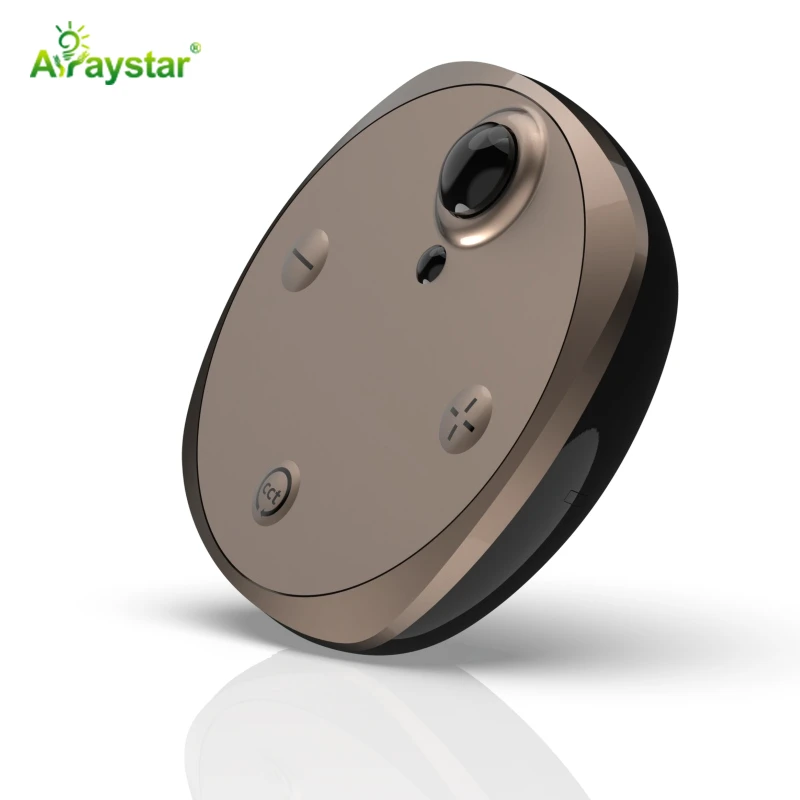
On a door that swells by more than 5 mm, like a solid-oak pantry in a kitchen, I stop fighting the magnetic gap. I fit a hand-wave sensor or a PIR inside the carcass. The sensor triggers on the person opening the door, not on the magnet position, and the timber swell stops mattering entirely.
I explain this trade-off to the client. A magnetic door switch is elegant and invisible, but it assumes the door geometry stays the same. In a steamy kitchen, that assumption is false. A hand-wave sensor costs a few dollars more and removes the humidity problem forever, and it also keeps the light working through every season of the year.
Recommended Products
Frequently Asked Questions
Why does my wardrobe sensor stop working in humid weather?
Solid timber doors swell with humidity by a few millimetres, pushing the magnet away from the reed or Hall sensor past its trigger gap. A typical reed triggers at 15 to 20 mm; once the gap grows past that, the door looks closed to the sensor.
How much does a wooden door actually swell in humidity?
Plan on 0.1 to 0.3 percent in width between a heated dry room and a damp autumn day. On a 600 mm door that is 0.6 to 1.8 mm, plus any panel bow. In a steamy kitchen, total movement can hit 4 to 5 mm.
How do I measure the magnetic gap on a door sensor?
Use a feeler gauge between the magnet face and the sensor face on a damp morning, with the door closed. If it is under 10 mm the sensor is fine. Between 10 and 20 mm it will miss; over 25 mm it will not trigger at all.
Should I reposition the magnet or replace the sensor?
If the gap is under 20 mm, reposition the magnet 3 or 4 mm closer. If the gap is over 25 mm, swap the reed for a Hall-effect sensor with a 30 to 40 mm range, or move the whole sensor body deeper into the carcass.
What is the best sensor for a door that swells a lot?
A hand-wave sensor or a small PIR inside the carcass. It triggers on the person opening the door, not on the magnet position, so timber swell stops mattering. On a solid-oak pantry in a steamy kitchen, this is the only reliable option.
Need help with your LED project?
Get factory-direct pricing, free samples and engineering support within 24 hours.
Email: info@arraystarled.com | Phone: +86-0755-2103-6746 | WhatsApp: 0086 1581 8514 077
Need to size your power supply? Use our LED Strip Power Calculator to find the right driver in seconds.