Church & Worship Space LED Strip Lighting Design Guide
- 2026-09-19 12:28
- /
- Arraystar
Worship lighting should enhance architecture and atmosphere without drawing attention to itself. Use warm (2400–3000 K), high-CRI (≥90), fully dimmable, flicker-free linear light concealed in coves and arches, with smooth preset scenes for services, weddings and contemplation — and protect historic fabric with low-heat, discreet channels and careful mounting that requires minimal intervention.
The Goals of Worship-Space Lighting
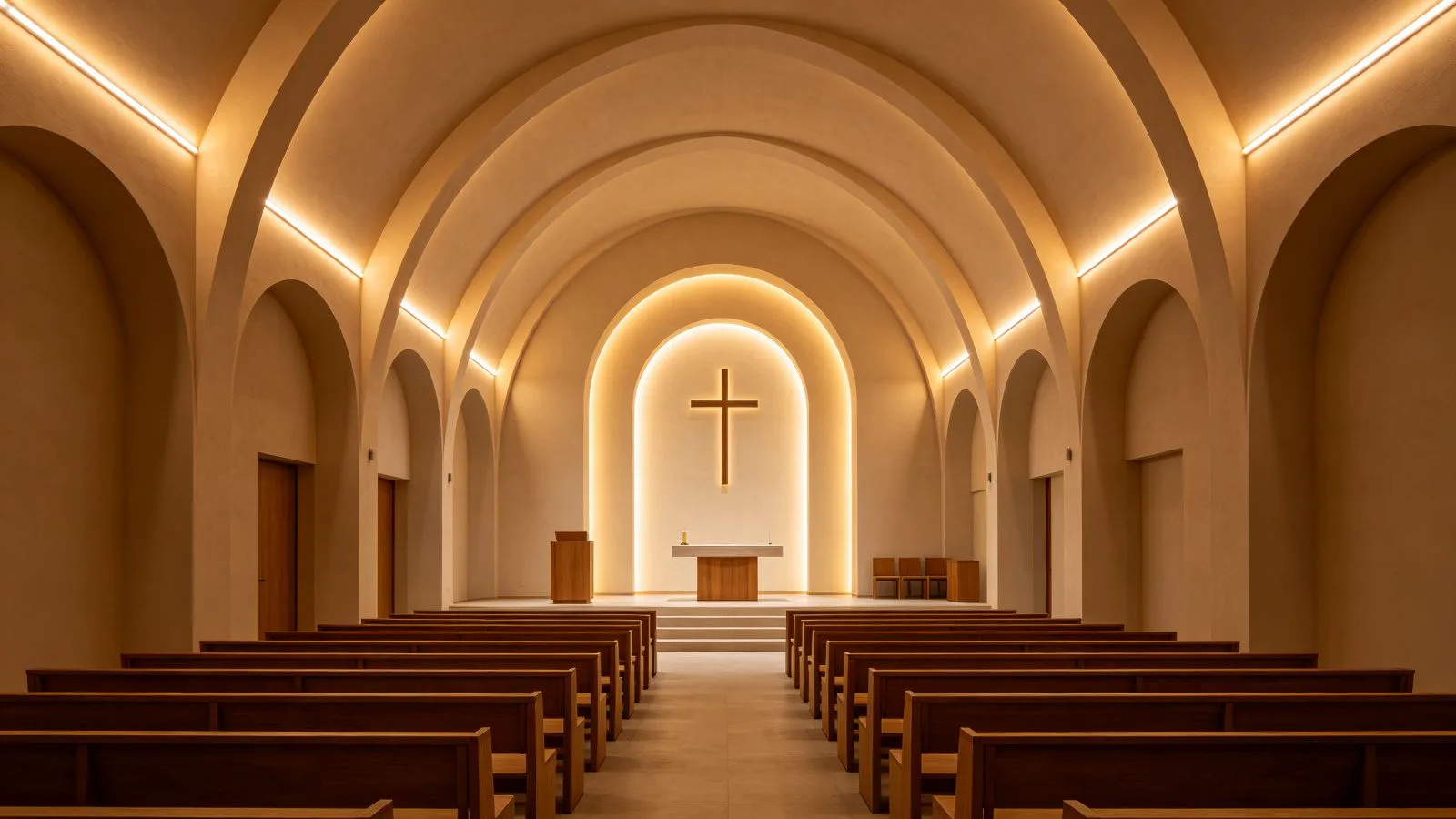
Churches, chapels and multi-faith spaces ask lighting to do something subtle: make congregants feel welcomed and focused, reveal the beauty of arches, vaults, stained glass and timber, support reading and music, and then recede. The lighting itself should never be the spectacle — no harsh spots in the eyes during prayer, no visible rows of diodes, no abrupt changes mid-service. Linear LED strip, used indirectly and dimmably, is exceptionally well suited to grazing historic forms with soft, even light.
- Reverence and atmosphere: warm, soft, dimmable light that flatters stone, wood and plaster.
- Architectural enhancement: grazing arches, vaults, reredos and soffits with continuous light.
- Functional tasks: sufficient light for hymn books, musicians, lectors and safety on steps.
- Glare avoidance: congregants and clergy look upward; visible sources are highly distracting.
- Fabric protection: low heat and UV, minimal fixings into historic surfaces, easy maintenance.
Colour, Dimming and CRI
Recommended parameters for worship spaces
| Parameter | Recommendation | Why |
|---|---|---|
| Colour temperature | 2400–3000 K (warm) | Reverent, flatters historic materials |
| CRI | ≥90 (95 near art/glass) | Accurate timber, stone, vestment colour |
| Dimming | Flicker-free, to ~1% | Smooth scenes, candle-like low levels |
| Control | Preset scenes (DALI/smart) | One-button service/event modes |
| Glare | Fully concealed / indirect | No visible diodes from seating |
| Heat / UV | Low-heat COB, zero UV | Protects art, wood and finishes |
Warm light around 2700 K suits most traditional interiors; very old stone and candle-lit chapels can use 2400–2500 K, while contemporary evangelical and multi-use worship spaces may add tunable-white to reach cooler, brighter levels for youth events and recordings. Whatever the CCT, smooth dimming to a candle-like glow and absolutely flicker-free output are essential — cheap drivers that shimmer at low levels destroy the atmosphere and are visible on streamed services.
Products and Protecting Historic Fabric
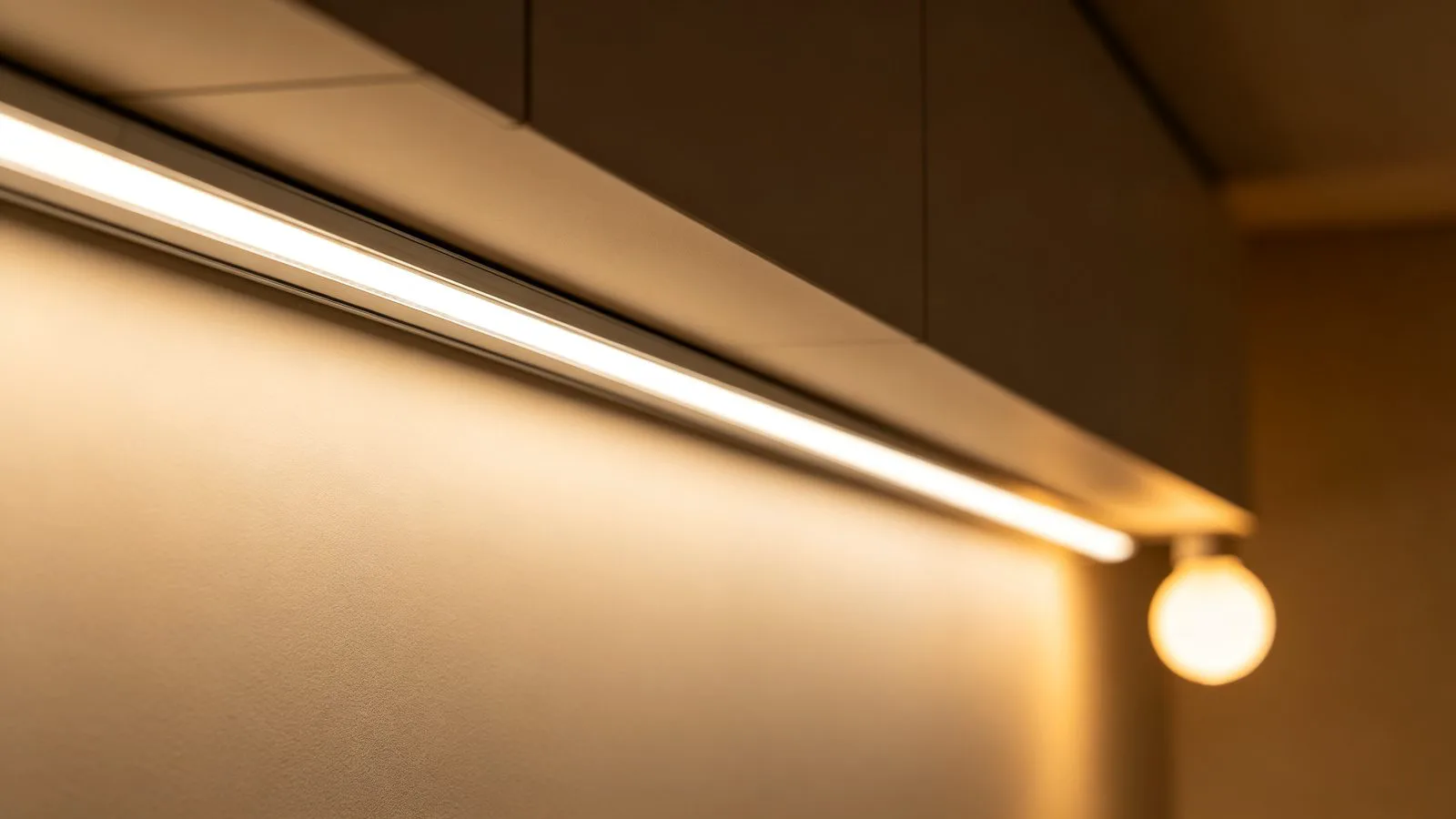
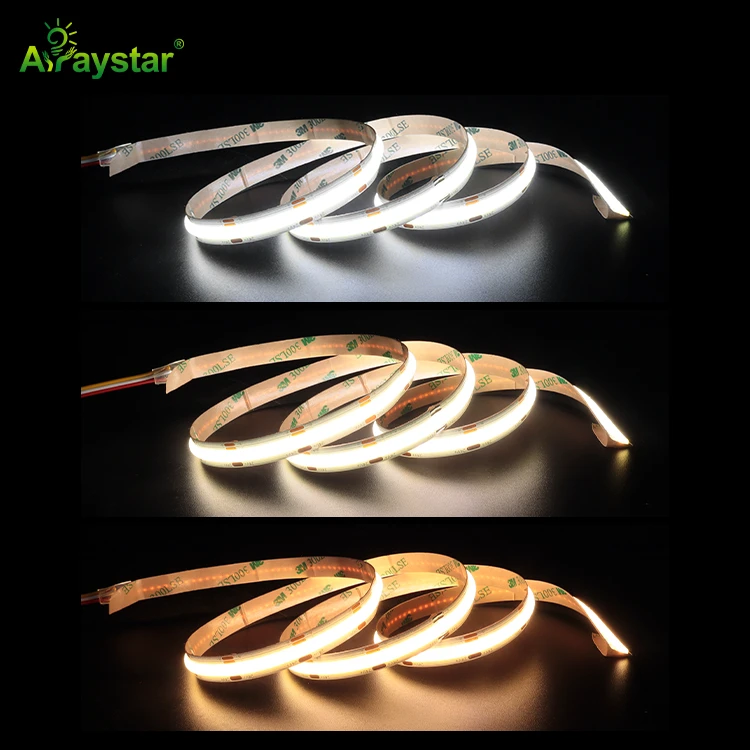
- Choose high-CRI warm COB in shallow, paintable aluminum channels with opal diffusers for a dot-free line that can be colour-matched to stone or timber and hidden in existing shadow gaps.
- Prefer low-wattage, low-heat strip — LEDs are ideal for historic buildings because they add almost no heat or UV, protecting organ pipes, paintings and woodwork that halogen damaged.
- Mount with minimal, reversible fixings: use existing ledges, coves and conduit runs; adhesive-only mounting is risky on old plaster, so combine channels with discreet mechanical clips.
- Place drivers and control gear in accessible vestries or roof voids, not in the sanctuary, and use long-run/constant-current strip to minimise wiring across historic ceilings.
- For live streaming and recording, add a high-CRI/TLCI, flicker-free neutral layer at the platform (see our TLCI guide) rather than running the whole sanctuary cool.
Stained glass needs a considered approach: it is best lit by daylight and, where supplementary light is needed, by carefully aimed external or concealed sources that reveal colour without washing it out; avoid pointing bright cool strip directly at glass from inside.
Zones and Service Scenes
- Sanctuary / altar / bimah: warmer, slightly brighter focal layer, dimmable, with high CRI on furnishings and textiles.
- Nave arches, vaults and columns: continuous concealed cove or grazing lines to reveal architecture and lift the ceiling.
- Pews and aisles: soft low-level light for reading and safe movement on steps, no glare from above.
- Choir, lectern and musicians: dedicated brighter, high-CRI task spots or linear accents.
- Welcome areas and community halls: brighter, sometimes tunable light for events, meetings and cafes.
Example one-button scenes
| Scene | Lighting response |
|---|---|
| Contemplation / prayer | Warm, very dim cove; intimate, candle-like |
| Main service | Warm architectural light + reading levels in nave |
| Wedding / celebration | Slightly brighter, warmer focal glow |
| Concert / streaming | High-CRI neutral platform layer, controlled ambient |
| Cleaning / maintenance | Full neutral brightness |
We supply warm high-CRI dimmable COB in paintable, discreet channels with flicker-free DALI/smart scene control and long-run options suited to sensitive buildings. Share photos and plans of the space and we will design a concealed, low-heat scheme that reveals the architecture while respecting the fabric.
Recommended Products
Frequently Asked Questions
What colour temperature should church lighting be?
Most traditional sanctuaries suit warm 2400–3000 K (around 2700 K), which flatters stone and timber and feels reverent. Contemporary or multi-use spaces may use tunable-white to reach cooler levels for events and streaming. Keep CRI at 90+ and always specify smooth, flicker-free dimming.
How do you hide LED strip in a historic church?
Conceal high-CRI COB in shallow paintable aluminum channels placed in existing shadow gaps, ledges, arch coves and soffits so only the indirect glow is visible, never the diodes. Use minimal reversible mechanical fixings rather than relying on adhesive on old plaster, and locate drivers in vestries or roof voids.
Is LED lighting safe for old churches and artwork?
Yes — it is far safer than halogen because quality LEDs emit essentially no UV and very little heat, protecting woodwork, paintings, organs and textiles. Use low-wattage strip, allow modest ventilation in channels and avoid concentrating heat in enclosed historic features.
How do I light a church for both services and live streaming?
Keep the sanctuary warm and atmospheric for congregants, but add a separate high-CRI/TLCI, flicker-free neutral layer at the platform/lectern controlled as its own scene for cameras. Avoid running the whole space cool, which destroys the worship atmosphere in the room.
How do you prevent glare in a worship space?
Because people look upward, use only indirect or fully concealed sources: cove and grazing lines hidden behind lips and baffles, opal-diffused channels and warm low-level aisle light. Avoid exposed strip or downlights in the normal field of view, and dim to comfortable levels during prayer.
Lighting a church, chapel or multi-faith space?
We supply warm high-CRI dimmable COB in discreet paintable channels with flicker-free scene control and long-run options for sensitive buildings. Send photos and plans for a concealed, fabric-friendly design.
Email: info@arraystarled.com | Phone: +86-0755-2103-6746 | WhatsApp: 0086 1581 8514 077
Need to size your power supply? Use our LED Strip Power Calculator to find the right driver in seconds.