Museum Exhibit Case LED Strip: UV-Free Artifact Lighting
- 2026-09-19 12:28
- /
- Arraystar
In a museum, conservation outranks drama. Specify low-heat, UV/IR-free, very high-CRI (≥95, TM-30 Rf ≥ 90) linear LED with strict lux and annual-exposure limits set by a conservator, concealed and diffused for even, reflection-free case lighting, with dimming and timers so sensitive objects are lit only when viewed. The fixture must serve the artefact — never the reverse.
Conservation Comes Before Aesthetics
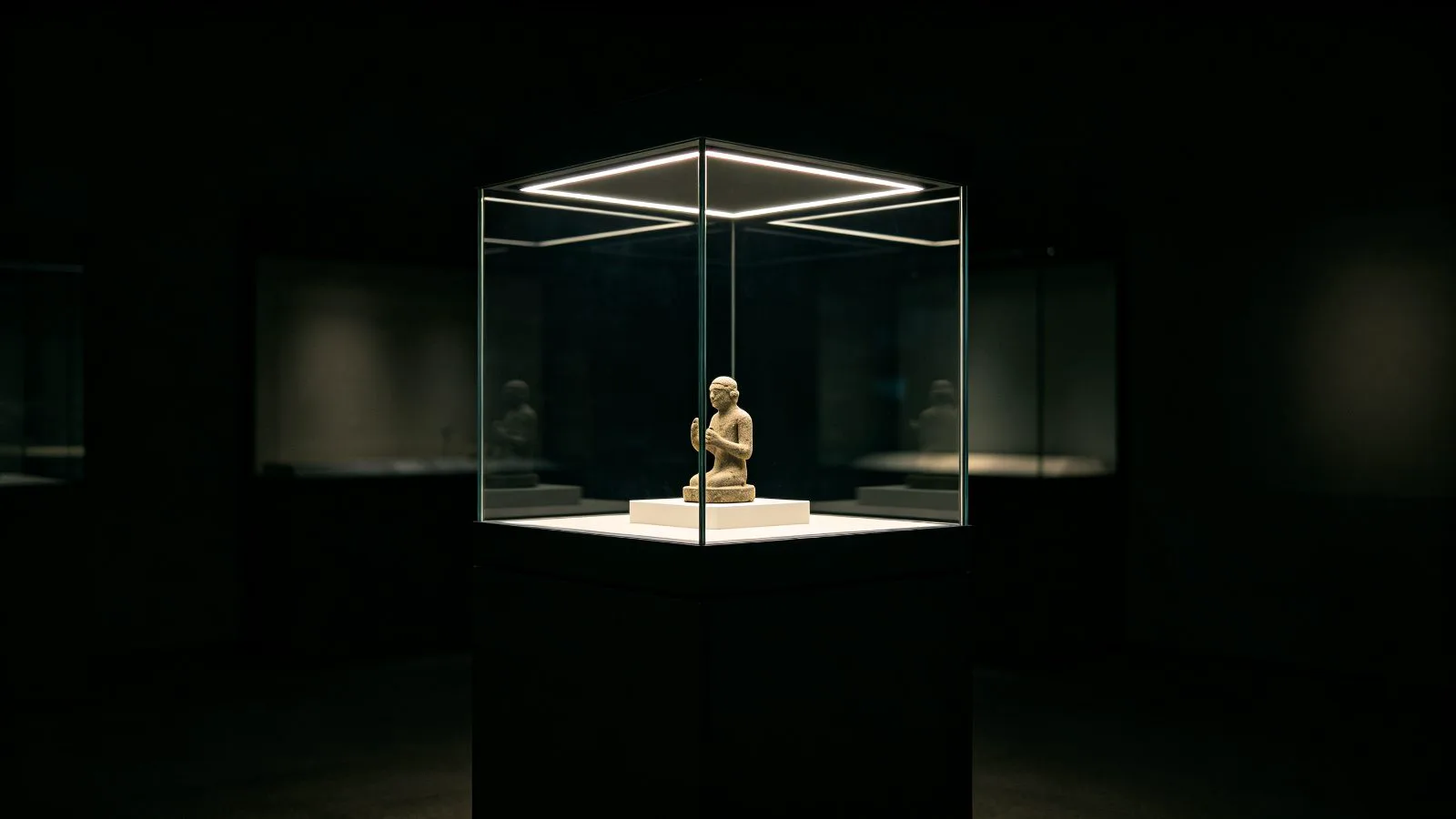
Light is a slow agent of damage. Visible light fades pigments and degrades organic materials; ultraviolet causes photochemical deterioration; and infrared (heat) raises surface temperature and drives chemical change and drying. Old halogen and fibre-optic case lighting delivered all three. LED strip eliminates UV and nearly all IR, which is why museums have adopted it — but it still produces visible light, so exposure must be controlled, not assumed safe.
- Light-sensitive materials (watercolours, textiles, costumes, works on paper, feathers, natural dyes) need the lowest levels and shortest exposure.
- Moderately sensitive objects (oil paintings, wood, bone, leather) tolerate more; insensitive materials (stone, metal, ceramics, glass) the most.
- Damage is cumulative: conservators manage both instantaneous illuminance (lux) and annual light exposure (lux-hours), often using motion sensors so cases are dark when nobody is looking.
- Heat must still be managed inside sealed cases, where even efficient LEDs can warm a small enclosed volume.
Lux Limits, Colour and Rendering
Typical conservation lighting limits (always defer to the conservator/loan agreement)
| Material sensitivity | Illuminance | Approx. annual exposure | Examples |
|---|---|---|---|
| Highly sensitive | ≤50 lux | ≤50,000 lx·h | Works on paper, textiles, feathers |
| Moderately sensitive | ≤150–200 lux | ≤150,000–360,000 lx·h | Oil paintings, wood, leather |
| Insensitive | ≤300 lux+ | Limited mainly by heat | Stone, metal, ceramic, glass |
Colour quality is where cheap LED fails a gallery. Specify CRI Ra ≥ 95 with strong R9 (red) and report TM-30 Rf/Rg and, where possible, a spectral power distribution tuned to the collection. CCT is usually warm 2700–3000 K for historic works and can move to 3500 K for contemporary or cool-toned objects, but it should be consistent within an exhibition and chosen to flatter the specific materials.
Crucially, light the object not the case: aim for even illumination across the artefact (typically 0.7–0.8 uniformity), avoid bright bands and hot-spots, and keep light off the surrounding background and the glass to control reflections.
Choosing and Controlling Case Lighting
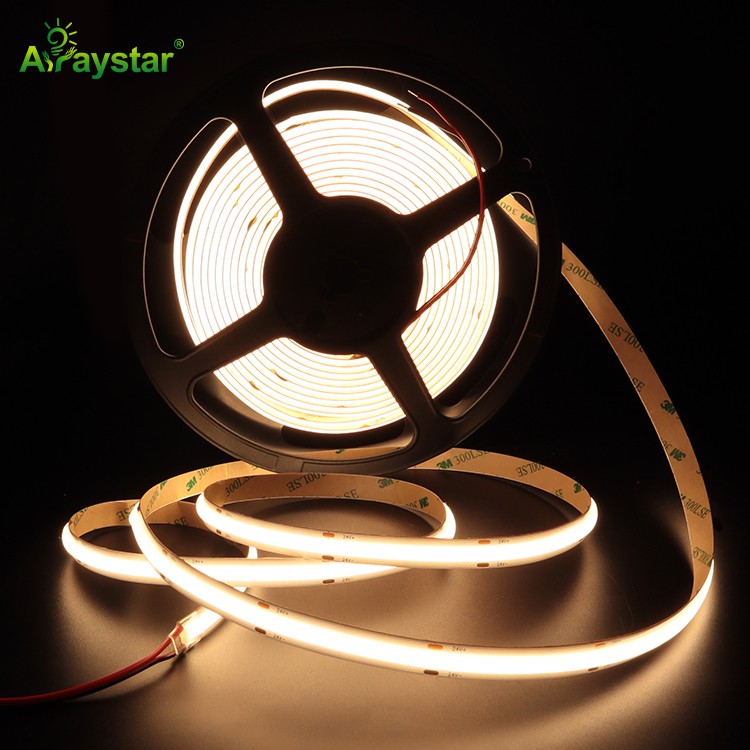
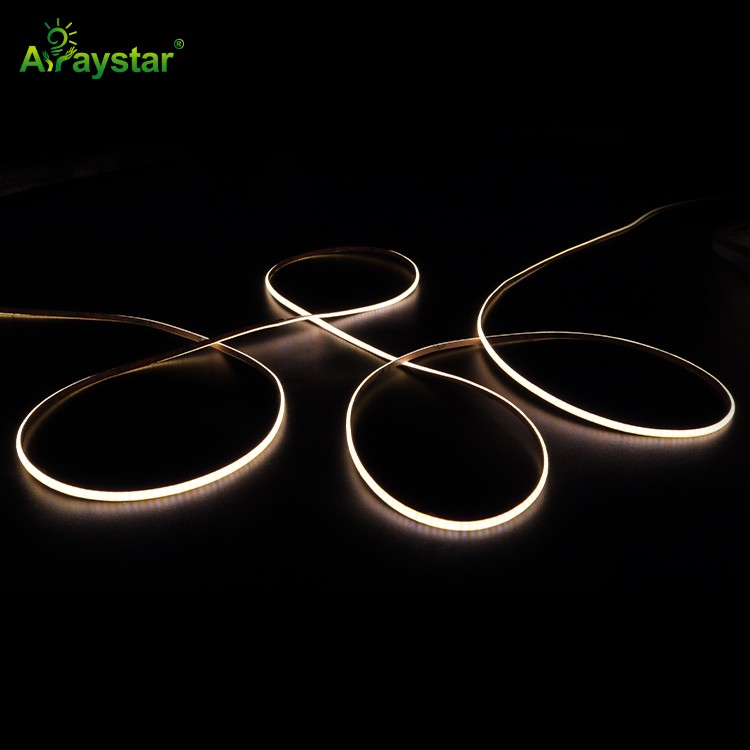
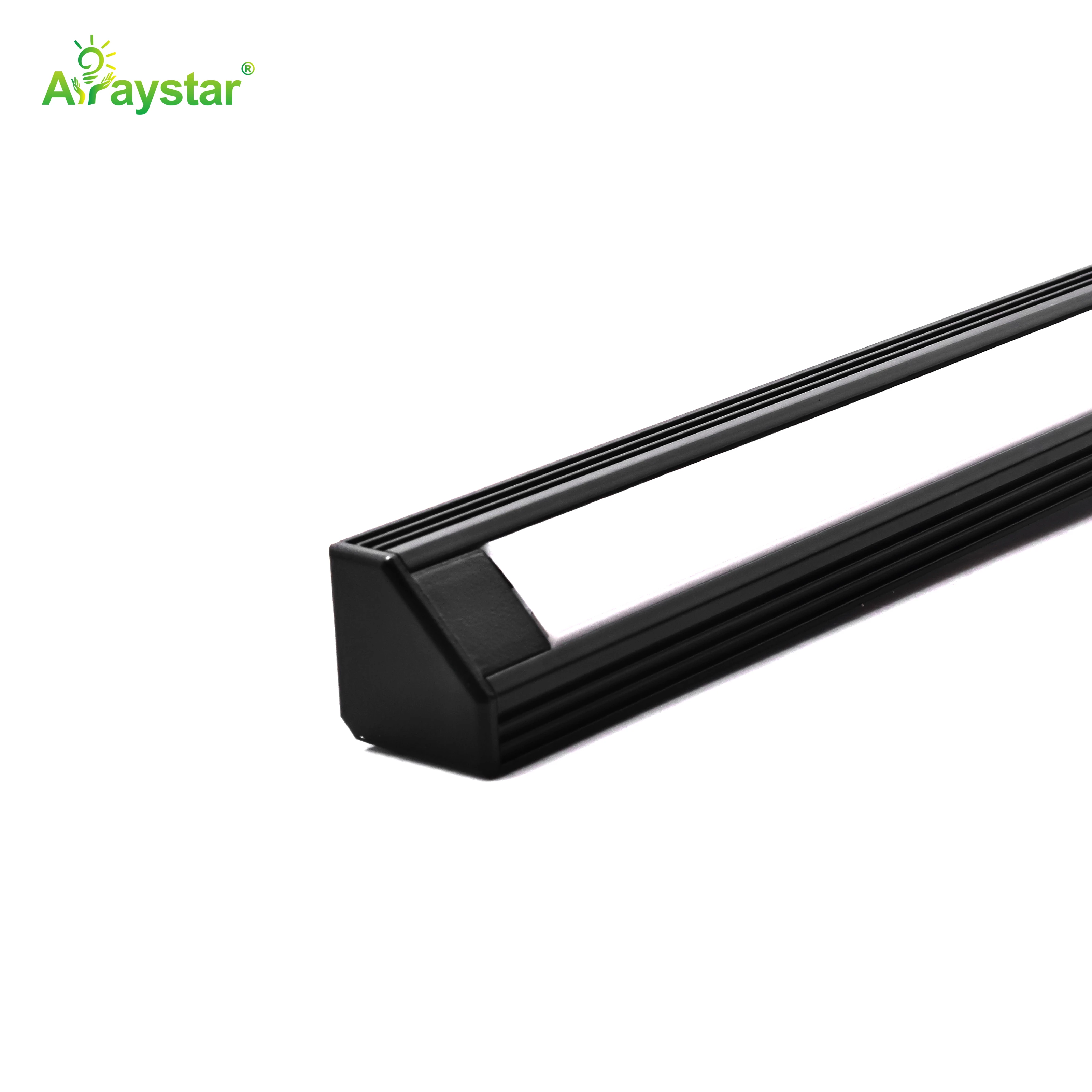
- Use very high-CRI, low-wattage COB or edge-lit linear LED in slim anodized channels with opal or lensing that produces soft, even wash; high-density COB avoids visible dots close to small objects.
- Specify low-heat, high-efficiency product and, in sealed cases, allow venting or specify thermal-tested fixtures so interior temperature and humidity stay stable.
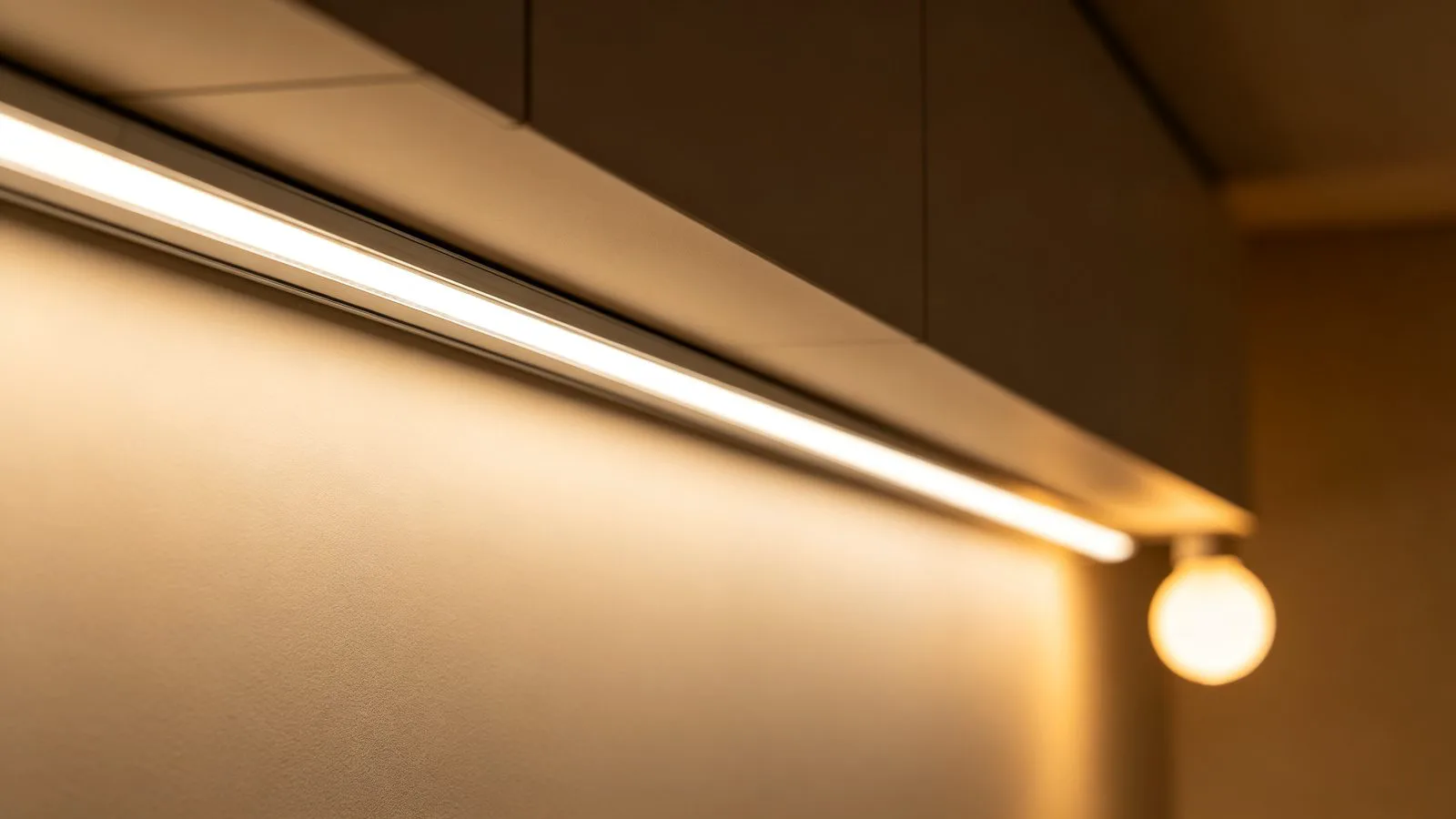
- Conceal the source behind case reveals, baffles or top rails; use grazing for texture (stone, relief) and diffuse front/top wash for flat works and documents.
- Add dimmable drivers (0–10 V/DALI), timers and presence sensors so cases dim or switch off when the gallery is empty, conserving annual lux-hours.
- Keep drivers outside the case where practical to remove their heat and simplify maintenance without opening the display.
- Provide lockable presets so cleaning or curatorial staff cannot accidentally over-drive sensitive cases.
For touring exhibitions and loan objects, the lending institution's conditions often dictate exact lux, UV and exposure values; design the case lighting to be adjustable and measurable with a calibrated lux meter rather than fixed at commissioning.
Anti-Reflection, Layout and Verification
- Position linear sources and use anti-reflective (low-iron or museum) glass so visitors do not see the LEDs or their own reflection; angle case geometry to keep the reflected glare zone away from the viewing cone.
- Light vertical surfaces from top rails or concealed side channels; light three-dimensional objects with a key/fill balance that reveals form without harsh shadows.
- Avoid spill light into the gallery and keep case interiors brighter than the immediate surround to draw the eye while hiding reflections.
- Commission with a lux meter and, ideally, a spectrometer to verify illuminance, uniformity, CCT and CRI on the actual object; document settings for conservators.
- Plan for re-lamping access without disturbing artefacts and bin-matched replacements so colour stays consistent over the exhibition's life.
Specification checklist for exhibit cases
| Aspect | Requirement |
|---|---|
| CRI / TM-30 | Ra ≥95, R9 strong, Rf ≥90 |
| UV / IR | Effectively zero (quality LED) |
| Illuminance | Per conservator (50/150/300 lux tiers) |
| Control | Dimming + timer + presence sensor |
| Heat | Low-wattage, drivers external, vented case |
| Optics | Concealed, diffused, even, reflection-free |
We supply very high-CRI, low-heat tunable and fixed-CCT COB in slim dimmable channel kits suited to case makers and exhibition designers, with spectral data and bin consistency for colour-critical galleries. Send us your case dimensions, object type and conservator's lux limits for a tailored, conservation-safe layout.
Recommended Products
Frequently Asked Questions
What lux level should museum display lighting use?
It depends on the object, and a conservator or loan agreement should set it. As a guide, highly light-sensitive works on paper and textiles are kept at or below 50 lux, moderately sensitive oils and wood around 150–200 lux, and insensitive stone, metal and ceramics up to 300 lux or more. Manage annual lux-hours, not just instantaneous brightness, using dimming and presence sensors.
What CRI do museum LED lights need?
Very high: specify CRI Ra ≥ 95 with a strong saturated-red R9 and TM-30 fidelity Rf ≥ 90, and review the spectrum against the collection. CRI 90 general lighting is acceptable in circulation spaces but not for revealing artefacts accurately.
Do LED lights damage paintings or textiles?
Quality LEDs emit essentially no UV and almost no IR, the two main causes of lighting damage, so they are far safer than halogen. Visible light still fades sensitive materials cumulatively, which is why low lux levels, warm CCT, timers and presence sensors that darken empty cases remain essential.
How do I stop LED reflections in glass display cases?
Conceal the strip behind reveals or baffles with opal diffusers, light the object rather than the glass, use anti-reflective museum glass and angle the case geometry so the reflected glare zone falls outside the visitor's viewing cone. Keep the case interior brighter than its surroundings.
Should exhibit case LEDs be on sensors?
Yes for sensitive or sparsely visited displays: presence sensors and timers darken cases when no one is viewing, which directly reduces cumulative light exposure and heat while still presenting the object brightly when a visitor arrives. Combine with dimming and lockable conservator presets.
Building or lighting museum display cases?
We supply very high-CRI (Ra 95+), low-heat COB in slim dimmable channel kits with spectral data and sensor/timer control. Send case dimensions, object type and conservator lux limits for a conservation-safe layout.
Email: info@arraystarled.com | Phone: +86-0755-2103-6746 | WhatsApp: 0086 1581 8514 077
Need to size your power supply? Use our LED Strip Power Calculator to find the right driver in seconds.