Circadian Lighting in Senior Living & Care Facilities
- 2026-09-19 13:17
- /
- Arraystar
Older eyes need more light, less glare and safer nights: design senior-living lighting with high uniform levels and high CRI, strong glare control, cool/bright daylight-balanced light by day to anchor circadian rhythm, warm dim evening light, and low warm night lighting on the path to the bathroom. The priorities are fall prevention, wayfinding, reduced disorientation and robust circadian cues — achieved through layered, automatically scheduled, simple-to-use linear lighting.
How Ageing Eyes Change the Brief
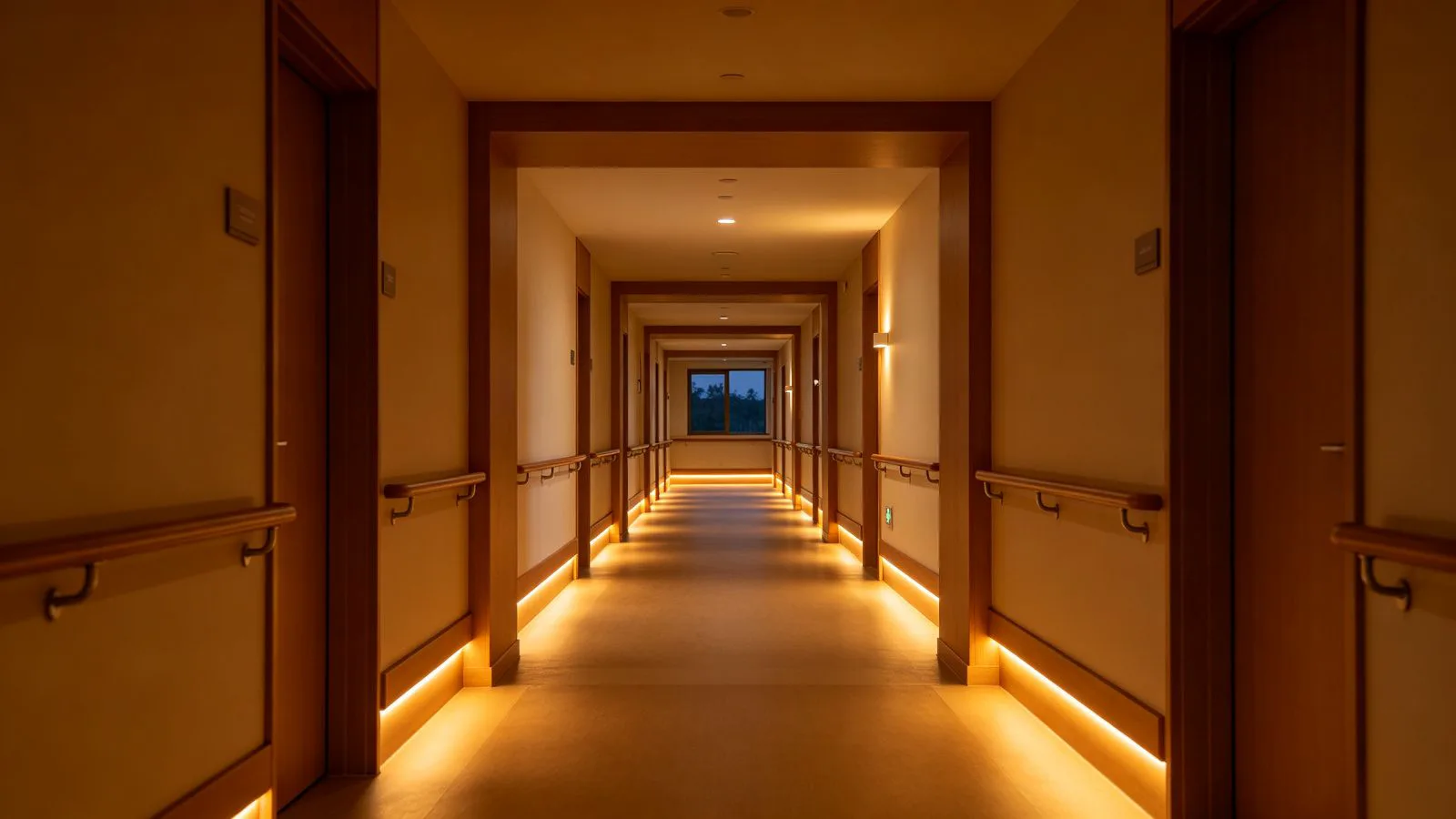
After about age 60, the eye transmits less light, is more sensitive to glare, adapts more slowly between bright and dark spaces and perceives colours and contrasts less sharply. Common conditions such as cataracts, glaucoma and macular degeneration compound this. In care settings the consequences are concrete: inadequate or glaring light increases fall risk, poor night lighting causes disorientation and bathroom trips are a major hazard, while weak daytime light and overly bright evenings can disrupt the circadian rhythm, worsening sleep and sundowning. Lighting design must therefore deliver more useful light than for younger adults while being gentler and more predictable.
- Higher, uniform illuminance for tasks and circulation, with fewer dark adaptation zones.
- Glare control is critical — ageing lenses scatter light, so bright sources dazzle.
- Strong colour rendering aids recognition of faces, food, medication and floor-level changes.
- Circadian day/night contrast: bright cool light by day, warm dim light at night.
- Night safety: continuous low warm guidance on routes to bathrooms and exits.
Lighting Parameters and Circadian Strategy
Senior-living lighting direction by space (follow local care standards)
| Space | Day | Night |
|---|---|---|
| Bedrooms / resident rooms | Bright cool/neutral, daylight access | Warm dim, low night path |
| Corridors | Even, glare-free, higher level | Low warm guidance, always-on |
| Lounge / dining | Bright high-CRI, social warm-neutral | Warm, dimmed, calming |
| Bathrooms / ensuites | Bright, shadow-free, high CRI | Low warm night, motion |
| Nurses' stations | Functional neutral, alert | Soft, not over-bright |
| Stairs / thresholds | High uniformity, contrast on edges | Low but reliable, no dark steps |
- Provide cool/neutral higher-intensity light in morning/day areas (lounge, dining, activity rooms) to strengthen circadian entrainment and daytime alertness.
- Shift to warm, lower light from evening onward in bedrooms and lounges to support melatonin and sleep.
- Use warm, very low night lighting (roughly 2700 K and below, dim) along floor-level routes — enough to walk safely without fully waking or dazzling.
- Specify CRI ≥ 90, flicker-free drivers and diffused/indirect linear sources with low UGR.
- Minimise abrupt brightness transitions between rooms and corridors where slow adaptation causes falls.
Linear Products and Safety Layout
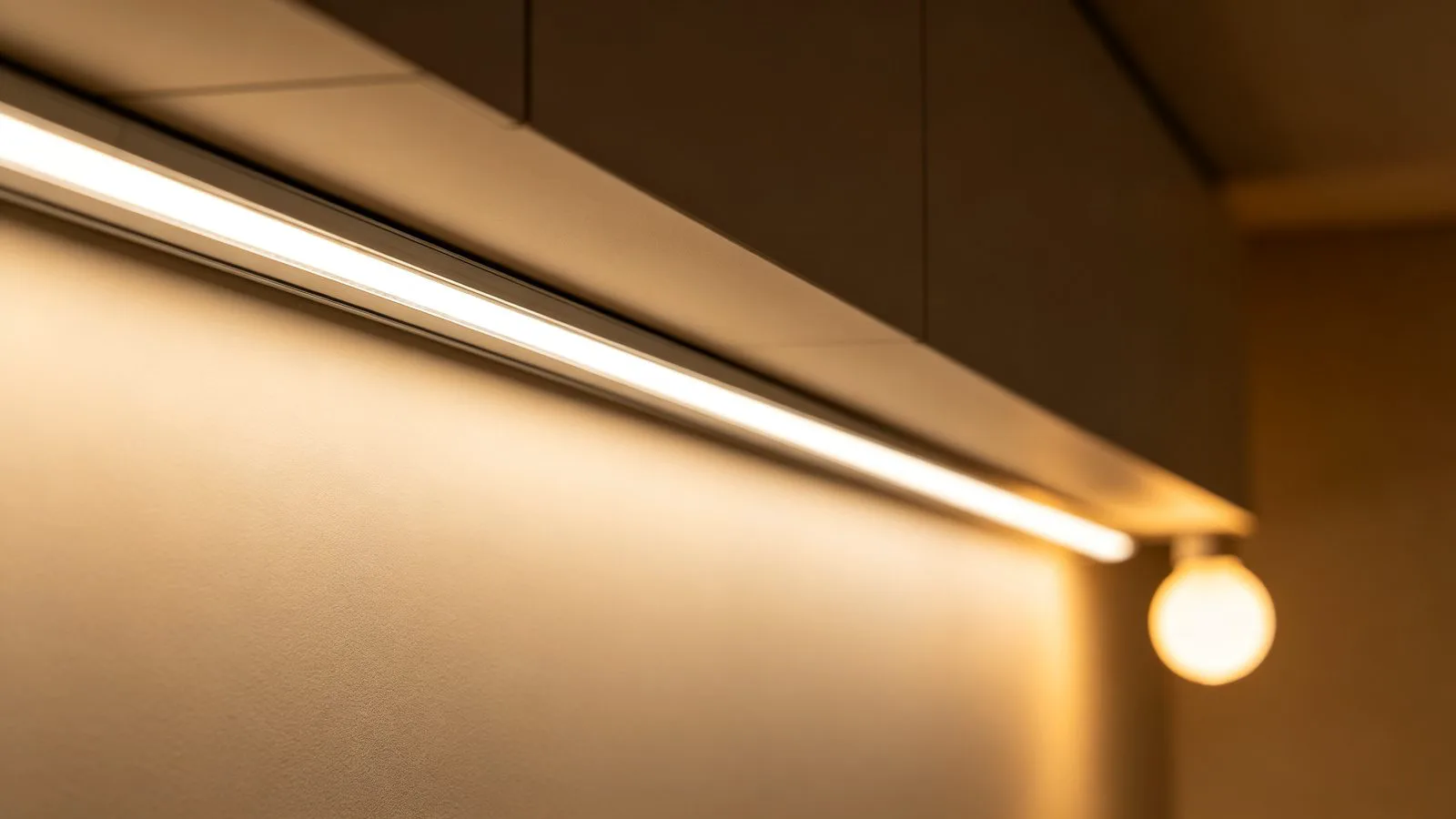
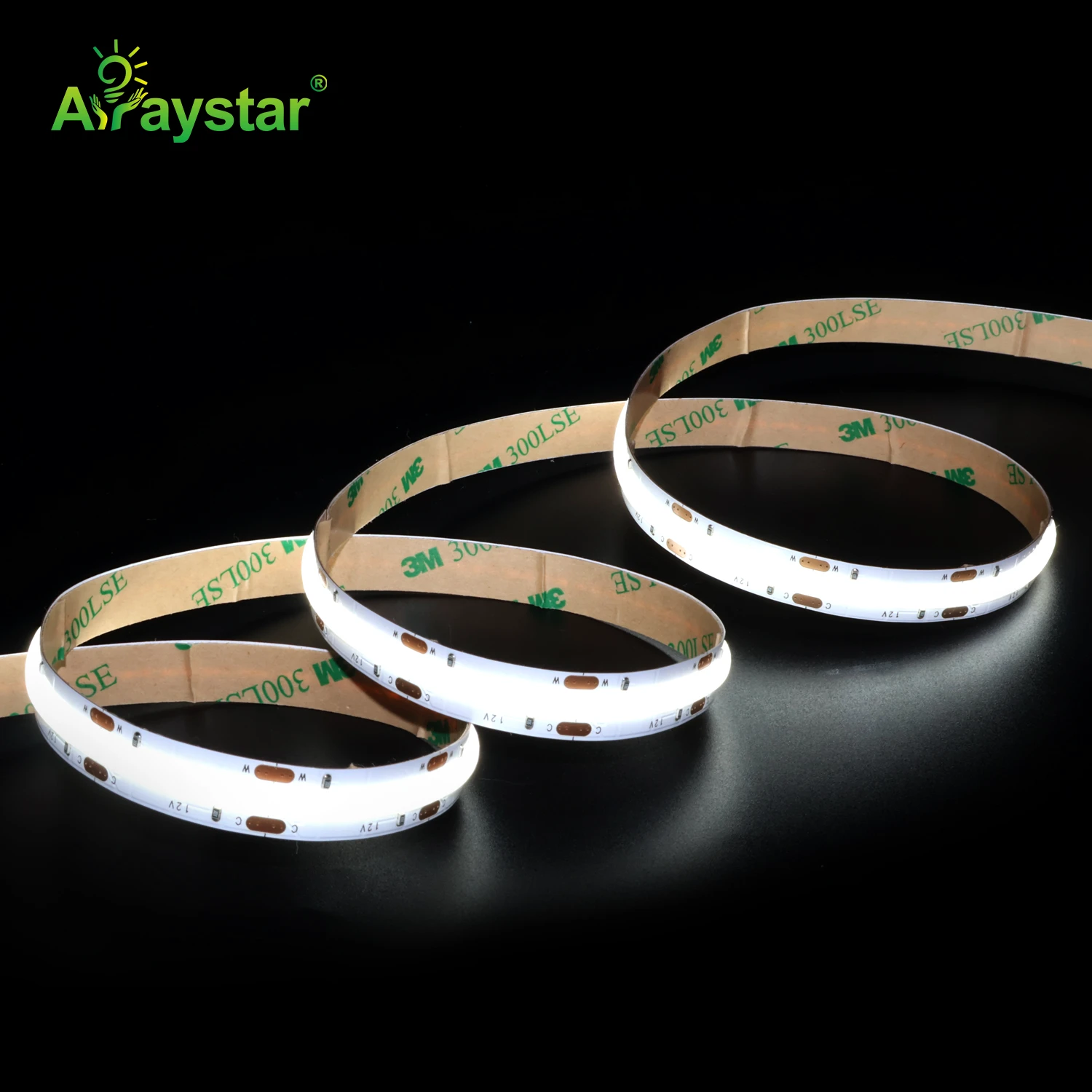
- Use diffused COB in deep opal channels or coves for dot-free, low-glare general and corridor light.
- Install continuous low-level linear guidance (skirting/toe-kick/handrail height) in corridors and room-to-bathroom paths, ideally warm and motion-activated at night.
- Light stair nosings, ramps and threshold edges with subtle linear contrast so level changes are obvious.
- Provide shadow-free bathroom light (mirror and ceiling) with a warm night mode activated by motion.
- Choose robust, easy-clean, tamper-resistant fixtures and low-voltage (24 V) for accessible/low-level runs.
- Ensure reliable emergency/egress lighting integrated with the normal system.
Controls should be automatic and forgiving: circadian schedules that residents do not have to manage, motion-activated night paths with no fumbling for switches, simple large interfaces where manual control is offered, and gradual (fade) transitions rather than instant on/off that startles dark-adapted eyes.
Controls, Dementia Care and Commissioning
- Use tunable-white scheduled scenes (bright cool day, warm dim evening, warm low night) with staff override.
- For dementia care, maximise daylight and consistent circadian cues, reduce confusing shadows and glare, and keep night routes clearly but softly lit to reduce agitation and disorientation.
- Apply occupancy sensors with graceful timeouts and long fades so lights never switch off abruptly on a resident.
- Coordinate window treatments and daylight — daylight is the strongest circadian stimulus; prevent glare and heat while preserving it.
- Commission with staff and resident feedback, verify night-light levels on the actual walking route and keep maintenance simple.
- Document scene schedules and overrides for care staff and facilities teams.
Senior-living specification summary
| Aspect | Requirement |
|---|---|
| Level / uniformity | Higher, even; no dark adaptation gaps |
| CRI / flicker | CRI ≥90, flicker-free |
| Glare | Diffused/indirect, low UGR |
| Circadian | Cool bright day, warm dim evening |
| Night | Warm low continuous path + motion |
| Control | Automatic scenes, fades, simple override |
We supply high-CRI tunable-white and warm COB in opal low-glare channels, 24 V low-level guidance strip, flicker-free drivers and scheduled/motion controllers suited to senior-living circadian and night-safety schemes. Send us your floor plans and room types for a fall-prevention and circadian lighting layout.
Recommended Products
Frequently Asked Questions
What colour temperature is best for elderly residents?
Use cool/neutral bright light (around 4000–5000 K) in daytime activity and dining areas to support alertness and circadian rhythm, shift to warm 3000 K in the evening, and use very warm (about 2700 K or below), dim light for night-time paths and bathrooms. Tunable-white systems automate this day-to-night progression.
How do you prevent falls with lighting in care homes?
Provide high, uniform light on corridors, stairs and thresholds with no dark adaptation gaps; add continuous warm low-level guidance along room-to-bathroom routes, motion-activated at night; light stair edges for contrast; eliminate glare and use gradual fades so dark-adapted eyes are not startled. Reliable, even night lighting is the key measure.
Why is glare such a problem for older people?
Ageing eyes develop cloudy/yellowing lenses and reduced pupil response that scatter light, so a bright source that seems normal to a younger person causes disabling glare, veiling reflections and slow recovery. Use fully diffused or indirect linear light (low UGR), avoid exposed strip and shiny reflections, and increase overall light without exposing bright sources.
Should night lights in care facilities stay on all night?
Continuous or motion-activated warm, very low-level lighting should cover the route from bed to bathroom and along corridors throughout the night, rather than bright lights switched on abruptly. Warm dim light preserves night vision and melatonin while preventing trips; motion sensors should fade on gently and have generous timeouts.
How does circadian lighting help dementia residents?
Strong, bright cool daylight-balanced light during the day anchors the body clock and can improve daytime alertness and night-time sleep, while warm dim evenings and soft consistent night lighting reduce disorientation, agitation and fall risk. Maximise real daylight, minimise confusing shadows and glare, and use automatic schedules so residents need not manage controls.
Lighting a care home or senior-living facility?
We supply high-CRI tunable and warm COB in low-glare channels, 24 V night-guidance strip and scheduled/motion controllers for circadian and fall-prevention schemes. Send floor plans and room types for a tailored layout.
Email: info@arraystarled.com | Phone: +86-0755-2103-6746 | WhatsApp: 0086 1581 8514 077
Need to size your power supply? Use our LED Strip Power Calculator to find the right driver in seconds.