RoHS, REACH & Compliance Documentation for LED Strip Imports
- 2026-09-19 13:17
- /
- Arraystar
For LED strip imported into the EU/UK (and many other markets), chemical compliance is mandatory and documented: RoHS restricts hazardous substances in electrical/electronic equipment and REACH regulates restricted substances (SVHCs); you need a Declaration of Conformity, credible test reports, correct marking and traceability, and increasingly SCIP database notification for articles containing SVHCs. Importers carry legal responsibility, so verify documentation per SKU and per BOM change rather than accepting a generic certificate.
RoHS and REACH in Plain Language
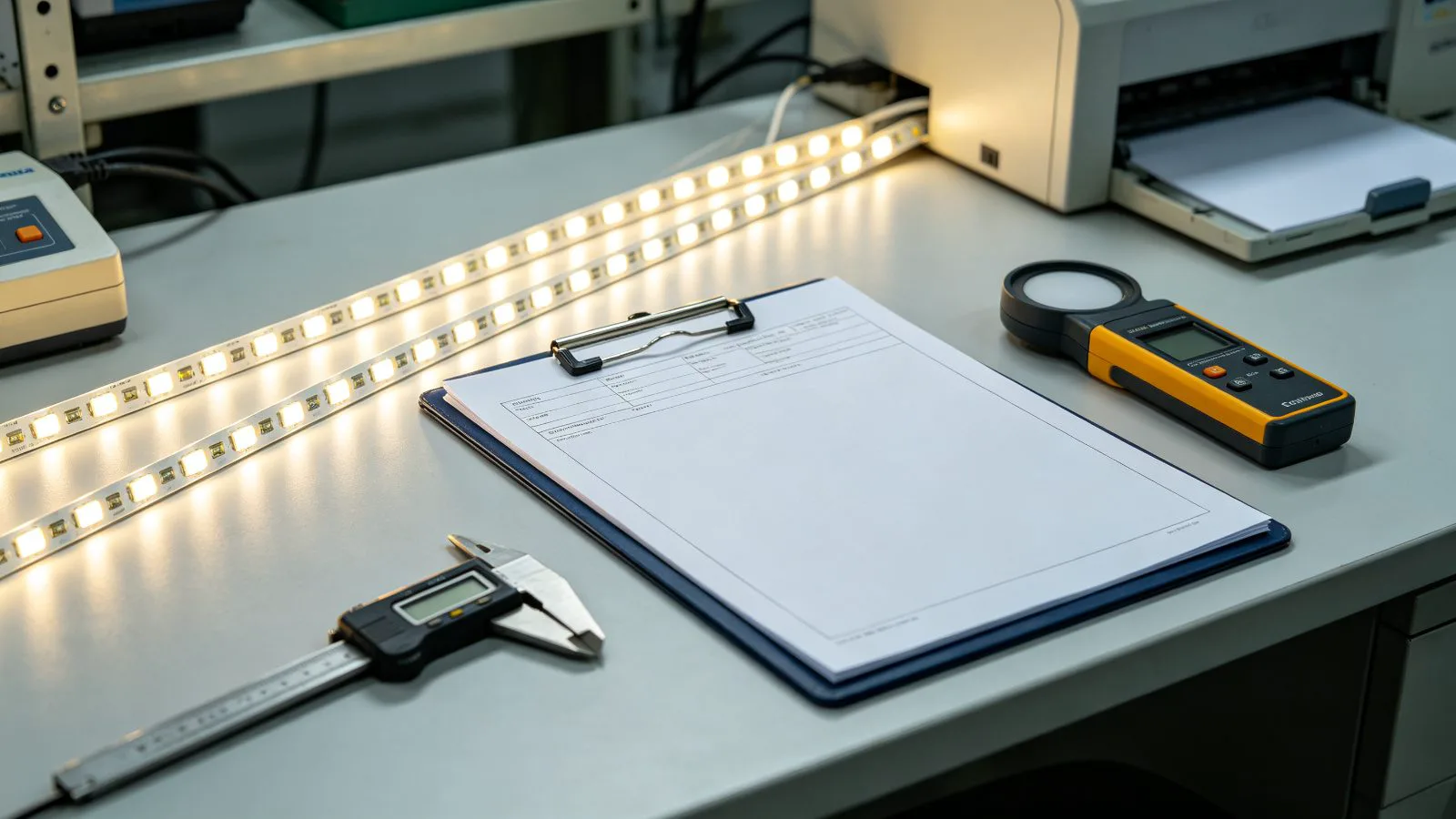
RoHS (Restriction of Hazardous Substances) limits specific hazardous materials in electrical and electronic equipment — including lead, mercury, cadmium, hexavalent chromium and certain flame retardants (PBB/PBDE), with phthalates added in the recast EU directive. LED strip, drivers and controllers fall within scope as EEE. REACH (Registration, Evaluation, Authorisation and restriction of Chemicals) is the broader EU chemicals regulation; its SVHC (Substances of Very High Concern) candidate list and Annex XVII restrictions apply to articles, including obligations to communicate and, where relevant, notify. The UK has parallel UK RoHS/REACH after Brexit.
- RoHS restricts named substances in EEE (strip, drivers, controllers) and requires CE/UKCA marking with a Declaration of Conformity.
- REACH SVHC obligations apply to articles; suppliers must communicate when SVHCs exceed the 0.1% threshold.
- SCIP notification (under the Waste Framework Directive, via ECHA) concerns articles containing SVHCs placed on the EU market.
- The importer/manufacturer is legally responsible for compliant products and documentation, not just the factory.
- Substances hide in components: solder, PVC insulation, adhesives, flame retardants, coatings and cable.
Where Hazardous Substances Hide in LED Strip
Components and substance risk areas
| Component | Potential concern |
|---|---|
| Solder / PCB finishes | Lead in non-RoHS solder or finishes |
| PVC jacket / cable | Phthalates, lead, restricted plasticisers |
| Adhesive / backing | Restricted substances in adhesives |
| Flame retardants | PBB/PBDE and other restricted additives |
| Cadmium / Cr(VI) | Pigments, coatings, plating |
| Housings / connectors | SVHCs in plastics and metal finishes |
Cheap strip can fail RoHS/REACH through seemingly minor components — a lead-containing solder, a phthalate-plasticised PVC jacket or restricted flame retardant in a connector housing. Because compliance is evaluated at the homogeneous-material level for some substances, a single non-compliant sub-component fails the whole product, which is why BOM-level testing and supplier declarations matter more than a generic factory certificate.
Documentation Package to Demand
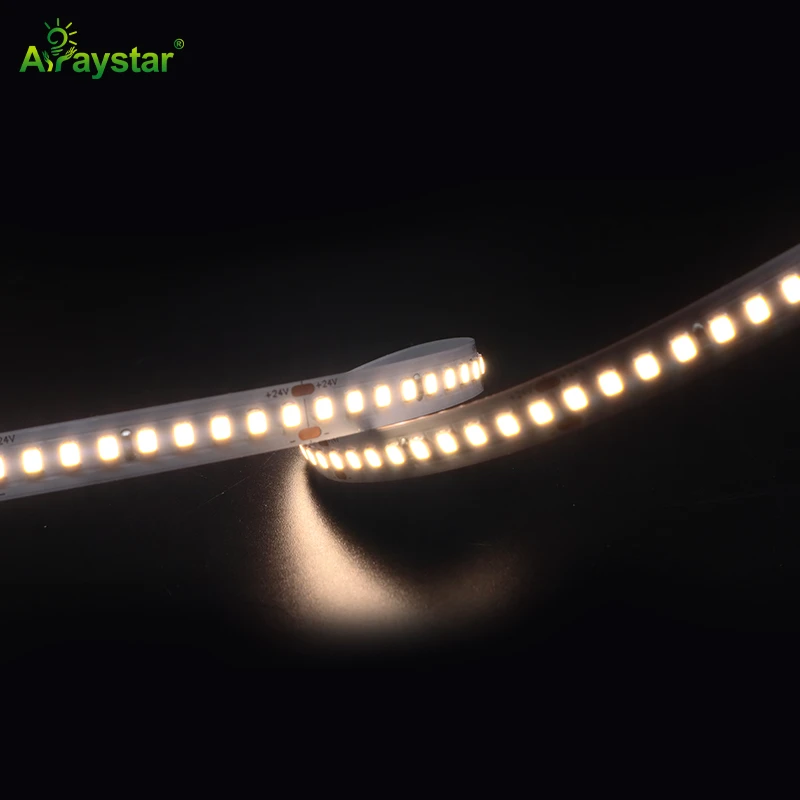
- EU/UK Declaration of Conformity (DoC) naming the product, applicable directives/regulations, standards and responsible party.
- RoHS test reports from a credible laboratory (e.g. IEC/EN 62321 test methods), covering the actual BOM and components.
- REACH SVHC declaration against the current candidate list, with material/component declarations down the supply chain.
- CE/UKCA marking and technical file, including the RoHS assessment alongside EMC/safety as applicable.
- SCIP information/notification where the article contains reportable SVHCs, plus customer communication.
- Bill-of-materials traceability so declarations map to the actual reel, driver and connector supplied.
Document checklist for importers
| Document | Verify |
|---|---|
| DoC (EU/UK) | Correct model, standards, signatory, date |
| RoHS test report | Lab credibility, scope, current BOM |
| REACH SVHC statement | Current candidate-list version |
| SCIP | Notification/info if SVHC threshold met |
| Marking/labels | CE/UKCA, WEEE where applicable |
| Supplier traceability | BOM, batch, component sources |
Managing Compliance Across Orders
- Treat compliance as per-SKU and per-BOM: a change of solder, jacket material, driver or connector can invalidate declarations.
- Prefer suppliers with mature material control and credible third-party testing; audit or test high-risk items independently for first orders.
- Track regulation updates — the SVHC candidate list grows regularly and RoHS/REACH exemptions expire.
- Keep a compliance register per product with document dates and the regulation versions assessed.
- Coordinate with energy labelling (ErP), EMC and WEEE obligations, which sit alongside chemical compliance.
- For own-brand/importer label products, recognise you may take on manufacturer obligations, not just importer duties.
We control BOM materials in our export production and supply RoHS/REACH declarations, credible test reports and the traceability information importers need, with documentation refreshed when the candidate list or BOM changes. Because obligations are market- and product-specific, confirm the exact requirements and current substance lists with your compliance team; we provide the product and material data to support that assessment.
Recommended Products
Frequently Asked Questions
What is the difference between RoHS and REACH for LED strip?
RoHS is an electrical/electronic-equipment directive restricting specific hazardous substances (such as lead, cadmium and certain flame retardants/phthalates) in the strip, drivers and controllers, with CE marking and a Declaration of Conformity. REACH is the broader EU chemicals regulation covering SVHCs and restricted substances in all articles, including communication and notification duties. Both usually apply to imported LED strip.
What documents do I need to import LED strip into the EU?
Typically an EU Declaration of Conformity covering RoHS (plus EMC/safety as applicable), credible RoHS test reports (e.g. IEC/EN 62321), a REACH SVHC declaration against the current candidate list, correct CE marking and technical file, SCIP information where reportable SVHCs are present, and BOM traceability. The importer is legally responsible for completeness.
What is SCIP and does it apply to LED strip?
SCIP (Substances of Concern In articles as such or in complex objects Products) is an ECHA database notification under the EU Waste Framework Directive for articles containing SVHCs above 0.1% weight-by-weight placed on the EU market. If a strip, driver or component contains reportable SVHCs, the EU-market supplier must submit SCIP information and pass relevant data down the supply chain.
Can I rely on a factory's generic RoHS certificate?
Not on its own. Certificates must match the exact product/SKU and current BOM, be backed by credible test reports and cover the relevant components; a generic or outdated certificate may not reflect a changed solder, jacket, adhesive or driver. Verify per SKU, check the lab and scope, and re-confirm after any material or supplier change.
Does the UK still require RoHS and REACH after Brexit?
Yes, the UK operates parallel UK RoHS and UK REACH regimes with UKCA marking provisions (and CE acceptance in some cases under current rules), so products for Great Britain need UK-specific compliance and declarations, while Northern Ireland follows EU rules under the Windsor Framework arrangements. Confirm current marking and importer obligations for each destination.
Importing LED strip and need chemical-compliance files?
We supply RoHS/REACH declarations, credible test reports and BOM traceability for export production, refreshed when regulations or materials change. Tell us your market and SKUs for the documentation package.
Email: info@arraystarled.com | Phone: +86-0755-2103-6746 | WhatsApp: 0086 1581 8514 077
Need to size your power supply? Use our LED Strip Power Calculator to find the right driver in seconds.