ELV vs MLV vs 0-10V Dimmers: Flicker-Free LED Strip Dimming
- 2026-09-19 12:28
- /
- Arraystar
Most “LED flicker” complaints are actually a driver–dimmer mismatch. For retrofits on existing wall dimmers use TRIAC/ELV-dimmable drivers rated as trailing-edge (ELV) with a published compatible-dimmer list and a realistic minimum load; for new commercial builds, prefer 0–10 V or DALI — they dim smoothly to 1% without the flicker, pop-on and drop-out that plague phase-cut dimming.
Why Dimming LEDs Is Harder Than Halogen
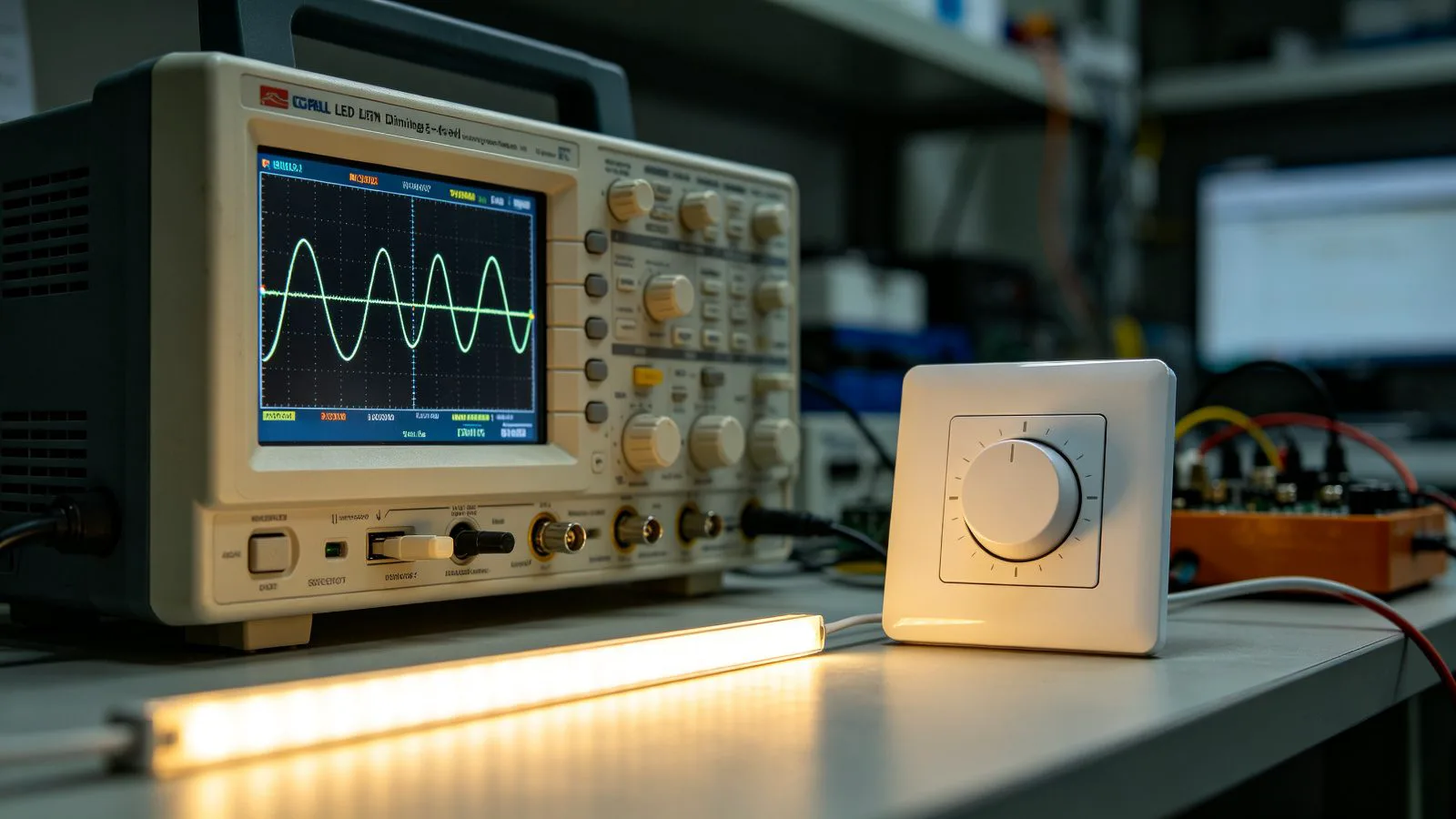
Old incandescent and halogen loads are purely resistive: they dim on any phase-cut dimmer, smoothly and silently, down to nearly zero. LEDs are driven by electronic circuits that expect a clean supply, and a phase-cut dimmer works by chopping chunks out of the AC waveform. Asking a driver to make smooth light from a deliberately mutilated supply is the root of the compatibility problem.
The symptoms are familiar: visible flicker or shimmer, buzzing from the driver or dimmer, “pop-on” where the strip jumps to 20% instead of fading up, “drop-out” where it cuts out at 20–30% instead of dimming lower, and dead travel at the bottom of the slider. Almost always, the strip and dimmer are individually fine — they simply were not designed to each other.
Minimum and maximum load
Phase-cut dimmers need a minimum current to latch each half-cycle. A single small LED load (a few watts) often falls below that threshold, causing flicker or failure to start. Drivers also have a maximum dimmable load. Staying inside both ends of the window — and adding a dummy/load module if necessary — resolves many retrofit issues.
TRIAC, Leading-Edge (MLV) and Trailing-Edge (ELV)
Phase-cut dimming comes in two flavours. Leading-edge (RL/TRIAC, often labelled MLV for magnetic low-voltage) chops the start of each AC half-cycle and is the older, cheaper type common in homes. Trailing-edge (ELV, electronic low-voltage) chops the end of the half-cycle, switches more gently and is far better behaved with electronic LED drivers.
Phase-cut dimmer types compared
| Type | Also called | Best for | LED behaviour |
|---|---|---|---|
| Leading-edge / TRIAC | RL, MLV | Older homes, magnetic transformers | More flicker/buzz risk, higher min load |
| Trailing-edge | ELV | Electronic LED drivers | Smoother, quieter, lower min load |
| Universal (auto-detect) | TRIAC/ELV | Mixed retrofits | Convenient but verify compatibility |
| 0–10 V / 1–10 V | Analog control | New commercial wiring | Smooth to ~1%, extra control pair |
| DALI / DALI-2 | Digital addressable | Commercial, scenes/zones | Precise, dimmable to <1%, networked |
| DMX512 | DMX | Stage, RGB, dynamic | Fast, many channels, protocol gear |
For a retrofit onto an existing wall dimmer, the reliable path is an ELV/trailing-edge dimmer plus a TRIAC/ELV-dimmable driver that explicitly lists that dimmer model as compatible — reputable driver makers publish tested dimmer lists. Guessing at compatibility is the number-one cause of site call-backs.
Flicker, Low-End Dimming and the Right Protocol
Even when a phase-cut pair dims, it may flicker at the bottom of the range because the driver switches to low-frequency PWM as output falls. Camera-sensitive and comfort-critical spaces should instead use a control protocol that keeps the dimming decision in the driver rather than corrupting its mains supply.
- 0–10 V uses a separate low-voltage control pair; simple, cheap and smooth to about 1%, ideal for offices and meeting rooms (1–10 V is the fluorescent-era variant).
- DALI/DALI-2 is digital and addressable: individual zones, scenes, feedback and consistent <1% dimming, suited to hotels and commercial fit-outs.
- DMX handles RGB/RGBW and fast dynamic effects but needs a master/decoder and is overkill for static white dimming.
- Whichever protocol, specify high-frequency or analogue/CCR dimming (>3 kHz, flicker <1% per IEEE 1789) and test smoothness at the lowest 10%, where cheap drivers reveal themselves.
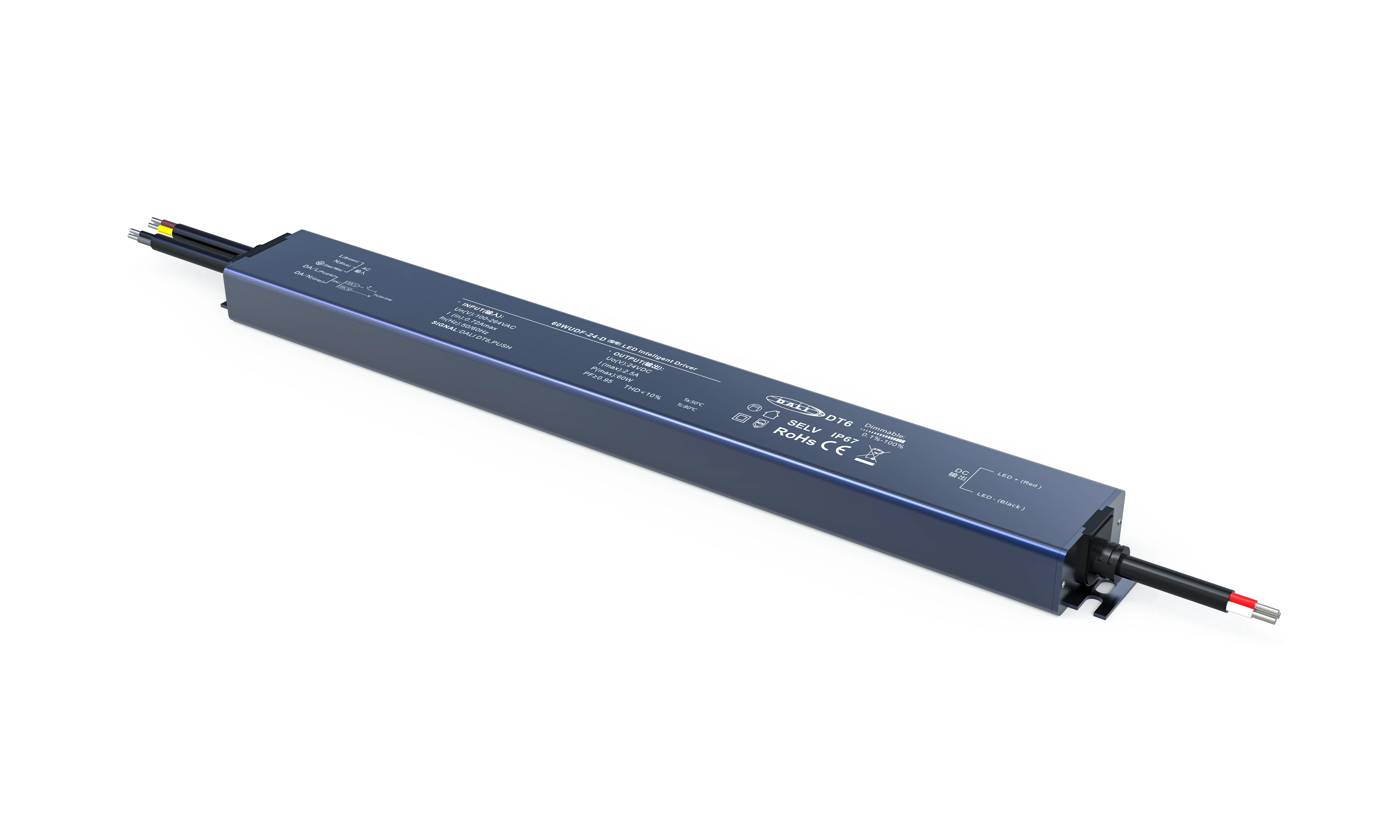
Tunable-white and RGBW installations add a control layer (warm-dim, CCT adjustment) that phase-cut dimmers cannot provide — another reason to start with 0–10 V, DALI or a dedicated controller on anything beyond simple single-colour dimming.
A Decision Path That Avoids Call-Backs
Choosing the dimming method by situation
| Situation | Recommended method | Key action |
|---|---|---|
| Existing home dimmer, simple white | ELV dimmer + TRIAC/ELV driver | Use the published dimmer list; respect min load |
| New home / small retail | ELV phase-cut or 0–10 V | Smooth driver, test low end |
| Office / meeting room | 0–10 V or DALI | Flicker-free driver, <1% at low end |
| Hotel / scenes / zones | DALI-2 | Addressable drivers, scene programming |
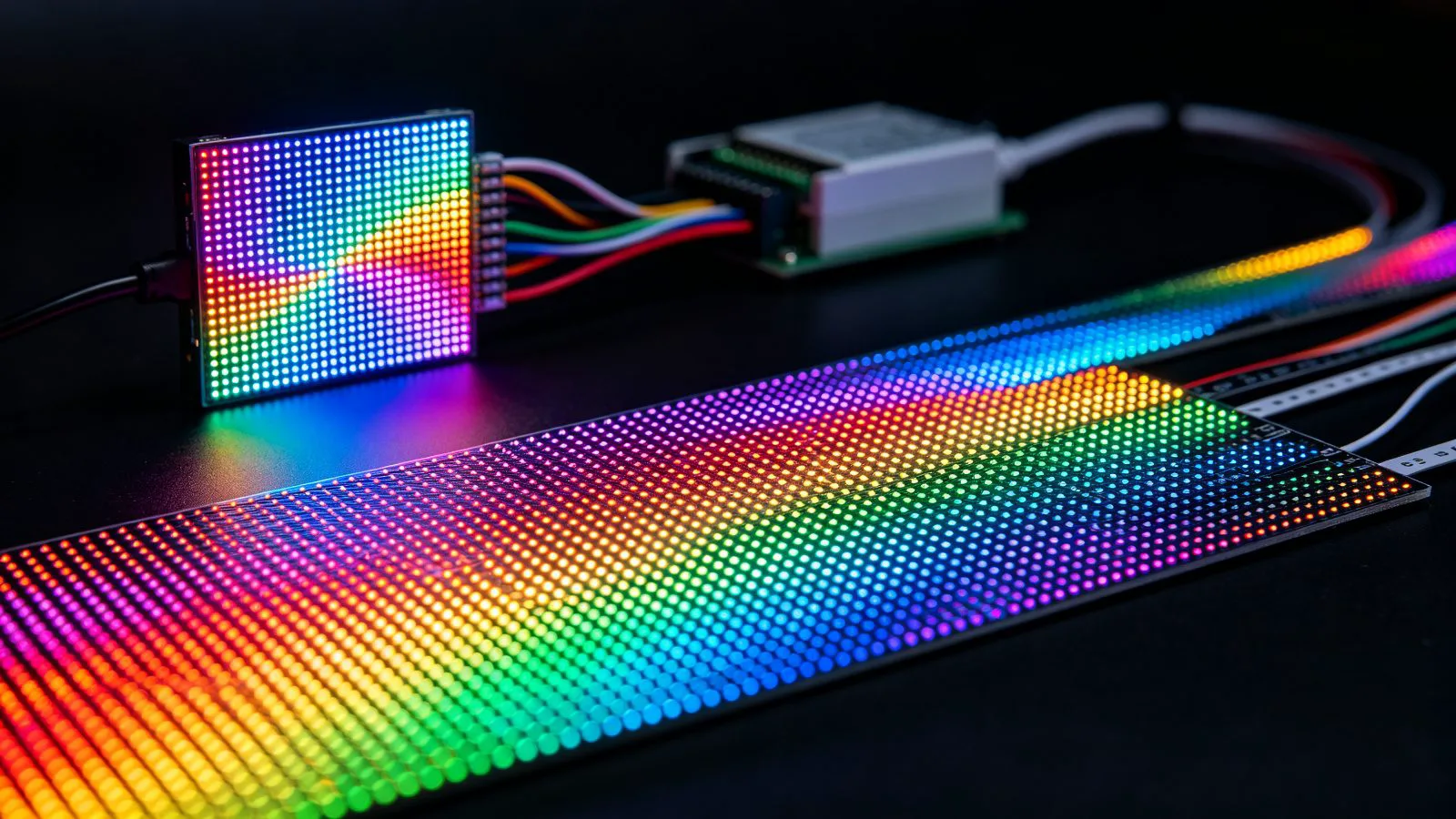
| RGB / dynamic / stage | DMX (or SPI pixel) | Match decoder and refresh rate |
- Decide the control protocol before cabling: 0–10 V and DALI need extra control wiring that is expensive to add later.
- Buy driver and dimmer as a tested combination, not from two unrelated suppliers' catalogues.
- Load each phase-cut channel within its stated window; group small loads or add a dummy module below the minimum.
- Commission by dimming slowly through the full range on site — pop-on, drop-out and buzz are visible immediately and fixable before handover.
We supply dimmable drivers across TRIAC/ELV, 0–10 V, DALI and DMX with tested dimmer lists, and we recommend the driver–controller–strip combination as one package so the dimming behaviour is specified, not hoped for.
Recommended Products
Frequently Asked Questions
What is the difference between ELV and MLV dimmers?
ELV (electronic low-voltage, trailing-edge) dimmers chop the end of each AC half-cycle and work more smoothly and quietly with electronic LED drivers. MLV (magnetic low-voltage, leading-edge/TRIAC) chops the start and suits older magnetic transformers. For LED strip, trailing-edge/ELV is generally the safer phase-cut choice.
Why does my LED strip flicker or buzz on the dimmer?
Usually a driver–dimmer mismatch: the driver cannot interpret the chopped waveform, or the load is below the dimmer's minimum. Use a trailing-edge dimmer with a driver that lists it as compatible, stay within the minimum and maximum load, and for new installs switch to 0–10 V or DALI to avoid phase-cut issues entirely.
Is 0-10V or DALI better than TRIAC dimming?
For new commercial projects, generally yes. 0–10 V and DALI keep the mains supply clean and control the driver directly, giving smooth dimming to around 1% or below with no pop-on or buzz, and DALI adds zoning and scenes. They require extra control wiring, so they must be chosen at the cabling stage.
Why won't my LED strip dim below 20%?
That is drop-out: the phase-cut driver loses its ability to regulate at low conduction angle, or the dimmer's minimum load is not met. Trailing-edge dimmers and quality dimmable drivers reach lower; 0–10 V/DALI drivers dim to 1% or less. Always test the low end before committing to a combination.
Can I dim RGB or tunable-white strip with a wall TRIAC dimmer?
TRIAC only changes brightness; it cannot adjust colour temperature or hue. Tunable-white and RGB/RGBW strip need a controller using 0–10 V, DALI, DMX or a proprietary/SPI protocol with the right receiver, often with separate brightness control. Choose the control system with the colour features in mind.
Need a guaranteed-smooth dimming setup?
Tell us your existing dimmer model or control protocol and the strip wattage. We supply matched driver–controller–strip packages with tested dimmer lists and flicker <1% performance.
Email: info@arraystarled.com | Phone: +86-0755-2103-6746 | WhatsApp: 0086 1581 8514 077
Need to size your power supply? Use our LED Strip Power Calculator to find the right driver in seconds.