
LED Strips in Extreme Cold: Cold-Start & Performance Guide
- 2026-10-15 14:34
- /
- Arraystar LED
LED strips increasingly run in freezers, cold stores, outdoor winter displays and unheated buildings where temperatures fall well below zero, and the cold changes how both the strip and the materials behave. I've specified strips in deep freezers and winter outdoor jobs, and the useful finding is that LEDs actually like the cold electrically, but the jacket, adhesive and drivers are where cold-weather installs fail if you get them wrong.

Why LEDs Perform Well in the Cold
Unlike fluorescent and some other light sources that struggle or dim in low temperature, an LED diode actually runs more efficiently and often lasts longer when kept cold, because heat, the thing that ages LEDs, is removed.
That makes strips a strong choice for cold storage and winter outdoor use, but it's only half the story. The supporting materials and electronics respond differently to the cold, and those are the parts that determine whether the install survives.
Where Cold Installs Actually Fail
The common cold-weather failures are adhesive that loses tack and lets the strip peel, PVC or silicone jackets that stiffen and crack when flexed, and drivers or components not rated for the low temperature.
Watch these failure points:
- Adhesive losing grip on cold surfaces, use clips or channels.
- Jackets stiffening and cracking if flexed while frozen.
- Drivers not rated for the minimum temperature.
- Condensation and ice forming when cold gear warms up.
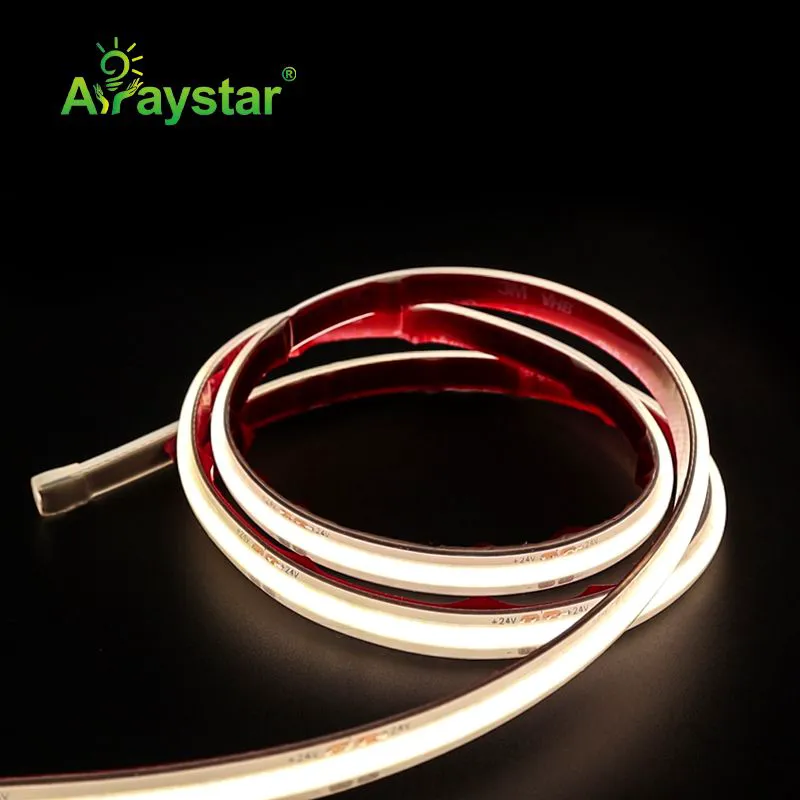
Freezers and Cold Storage: Sealed and Rated
In a freezer or cold store I use sealed strips rated for the minimum temperature, mechanically fixed in channels rather than relying on self-adhesive on a frosty surface, with drivers placed outside the cold space where possible or rated for it.
Because LEDs start instantly and brighten in the cold, they avoid the warm-up and dim-output problems older freezer lighting had, while the sealed housing handles the condensation and wash-down of a cold room.
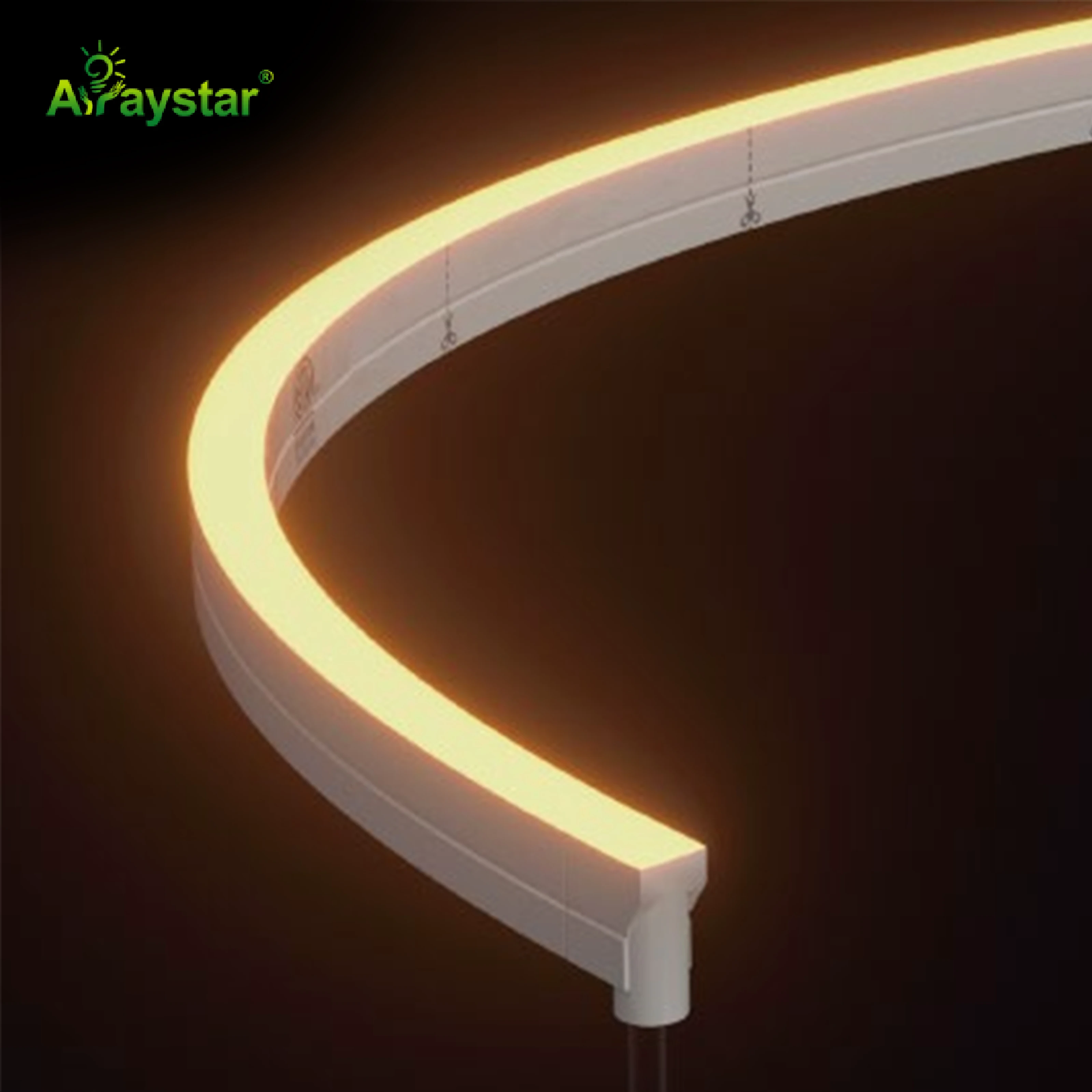
Outdoor Winter Displays and Unheated Spaces
Seasonal outdoor lighting and unheated buildings face repeated freeze-thaw cycles, so flexible cold-rated strips that can be handled and installed before freezing, with waterproofing that survives ice and thaw, hold up better than stiff product.
Install while the strip and surface are warm enough for the adhesive and any bending, then let it freeze in place, rather than trying to flex a cold reel on site, which is when jackets crack.
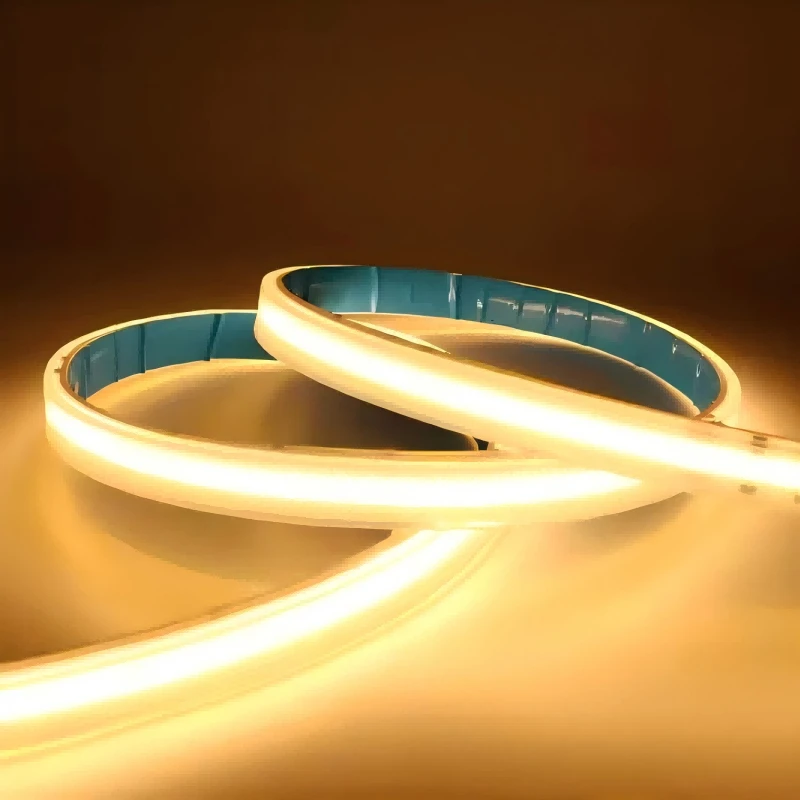
Condensation, Drivers and Cold-Spec Steps
Moving cold gear into warm air forms condensation, so sealed product and protected connections handle the moisture, and drivers rated for the true minimum temperature avoid the failures that come from components outside their spec.
My cold-spec routine is: take the minimum temperature from the application, choose strips and drivers rated below it, fix mechanically rather than trusting adhesive, install and bend while warm, and seal against condensation. Get those right and the cold becomes an advantage the LEDs enjoy rather than a failure point.
Recommended Products
Frequently Asked Questions
Do LED strip lights work in extreme cold?
Yes, LEDs actually run more efficiently and often last longer in the cold, unlike fluorescent lights. The failures come from the supporting parts - adhesive losing grip, jackets stiffening and drivers not rated for the minimum temperature.
Why do LED strips fall off in freezers?
Because self-adhesive loses tack on cold, sometimes frosty surfaces. Mechanically fix the strip in clips or channels rather than relying on the tape, and fit it while the strip and surface are warm enough.
What temperature rating do cold-room strips need?
Choose strips and drivers rated below the actual minimum temperature of the freezer or location, and place drivers outside the cold space where possible. Sealed housings also handle condensation and wash-down.
Can you bend LED strips when they're frozen?
Avoid it, jackets and silicone stiffen and crack if flexed while cold. Do all bending and fitting while the reel and surface are warm, then let the strip freeze in place.
How does condensation affect cold LED installs?
Cold gear brought into warm air forms condensation, so sealed strips and protected connections handle the moisture, and freeze-thaw cycles outdoors need waterproof product rated to survive ice and thaw.
Need help with your LED project?
Get factory-direct pricing, free samples and engineering support within 24 hours.
Email: info@arraystarled.com | Phone: +86-0755-2103-6746 | WhatsApp: 0086 1581 8514 077






