
Why LED Strip Silicone Yellows: UV Aging & How to Prevent It
- 2026-10-15 14:34
- /
- Arraystar LED
When strips sit outdoors or behind sun-facing glass, UV and heat age them, and the most visible sign is a clear jacket or diffuser slowly turning yellow and going brittle while the light output drops. I've replaced outdoor runs that yellowed in a single summer, and the lesson is that the material choice, not just the LED, decides how long a strip looks good in sun, and it's worth understanding why it happens and how to spec against it.

Why Jackets and Diffusers Go Yellow
The yellowing is usually the clear polymer in the jacket or diffuser breaking down under UV light and sustained heat, a material change that discolors the light, makes the cover brittle and can crack it rather than a fault in the diodes themselves.
Indoors and away from sun it barely happens, which is why the same strip lasts years inside but yellows quickly on a sun-facing facade. Heat accelerates the process, so hot, exposed, poorly cooled runs age fastest.
Where UV Aging Shows Up Fastest
The worst locations are direct outdoor sun, strips behind clear glass that concentrates UV, hot south-facing runs and sealed channels that trap heat, combining UV with the high temperature that speeds the polymer change.
Spot the high-risk spots:
- Direct outdoor sun and sun-facing facades.
- Strips behind clear or UV-transmitting glass.
- Hot sealed channels that trap both UV and heat.
- Clear PVC or low-grade diffusers rather than UV-stable material.
UV-Stable Materials and Outdoor-Rated Product
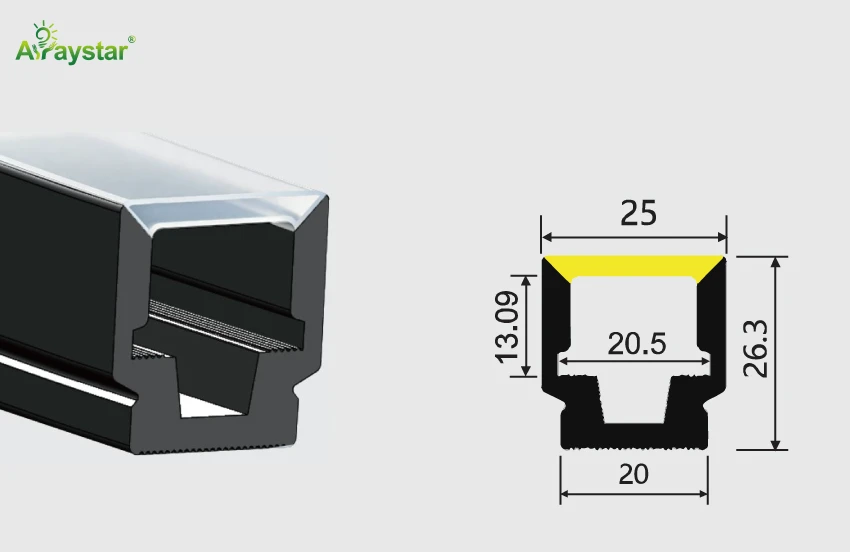
For sun-exposed runs I specify outdoor-rated strips using UV-stable, anti-yellowing jackets and diffusers, often silicone or formulated material that resists the change rather than cheap clear PVC, and housings that shed heat.
The better material keeps the cover clear and flexible over years of sun, which is the difference between an outdoor install that stays clean and one that yellows and needs replacing. Ask about UV stability for any exterior job.
Heat, Shading and Slowing the Aging
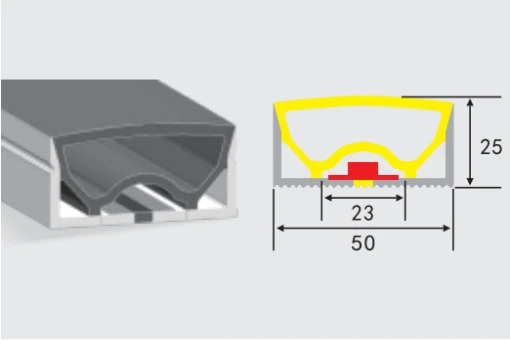
Because heat speeds UV aging, good thermal design, aluminium channels that conduct heat away and avoiding sealed hot enclosures extend the cover's life, and shading or mounting out of the strongest direct sun helps where the design allows.
Where strips must run in full sun, choosing the right material matters more than trying to cool a sealed run, and a little shade or indirect positioning can add more life than any other single change.
Spec Steps and Checking Outdoor Strip
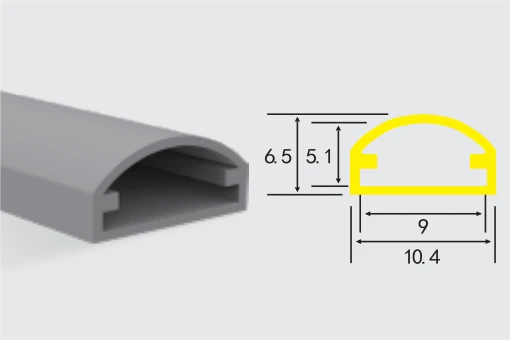
My routine is: identify whether the run sees direct sun or UV through glass, choose UV-stable outdoor-rated jackets and diffusers rather than clear PVC, keep heat down with channels and avoid sealed hot spots, and shade where possible.
Get the material and the heat handling right for a sun-exposed install, and the strip keeps its cover clear and its output steady rather than yellowing, which is what separates outdoor lighting that lasts from product that looks old within a season.
Recommended Products
Frequently Asked Questions
Why do LED strip covers turn yellow?
The clear polymer in the jacket or diffuser breaks down under UV light and heat, discoloring and going brittle, rather than the diodes failing. It happens fast in direct sun and behind UV-transmitting glass, and barely occurs indoors.
How do you stop LED strips yellowing outdoors?
Use outdoor-rated strips with UV-stable, anti-yellowing jackets and diffusers, often silicone rather than cheap clear PVC, keep heat down with aluminium channels, and shade the run from the strongest direct sun where possible.
Does heat make UV yellowing worse?
Yes, heat accelerates the polymer breakdown, so hot sealed channels and sun-facing runs age fastest. Good thermal design and avoiding trapped heat extend the cover's life as much as the material choice.
Which LED strip material resists sunlight best?
UV-stable silicone or specially formulated anti-UV jackets and diffusers outlast ordinary clear PVC, staying clear and flexible under sun exposure. It's worth specifying for any exterior or glass-backed run.
Do strips behind glass need UV protection?
Yes, if the glass transmits UV, a sun-facing window can age a strip much like outdoors. Use UV-stable material and keep the run from sitting in a hot, sealed, sun-heated spot.
Need help with your LED project?
Get factory-direct pricing, free samples and engineering support within 24 hours.
Email: info@arraystarled.com | Phone: +86-0755-2103-6746 | WhatsApp: 0086 1581 8514 077






