
LED Strip Fire Ratings & Flame-Retardant Materials Explained
- 2026-10-15 14:34
- /
- Arraystar LED
Fire performance comes up whenever strips go into public spaces, behind wall linings or inside channels, and buyers rightly ask whether the product will self-extinguish or feed a fire. I've been through enough specs to separate what's actually relevant - the flame rating of the strip and housing, the enclosure and the local wiring rules - from vague claims, and I'll lay out how to specify fire-safe strip lighting rather than relying on a supplier's reassurance.

What Fire Rating Actually Means for a Strip
The fire question is whether the strip's materials - the PCB substrate, jacket, silicone and any housing - resist ignition and self-extinguish rather than carrying flame, which matters most in enclosed and hard-to-see runs where a fault could start unnoticed.
Ratings and test standards differ by region and product type, so the useful move is asking for the specific flame class and the test evidence rather than a general 'fireproof' claim, and matching it to where the strip is installed.
Flame-Retardant Materials and Self-Extinguishing Product
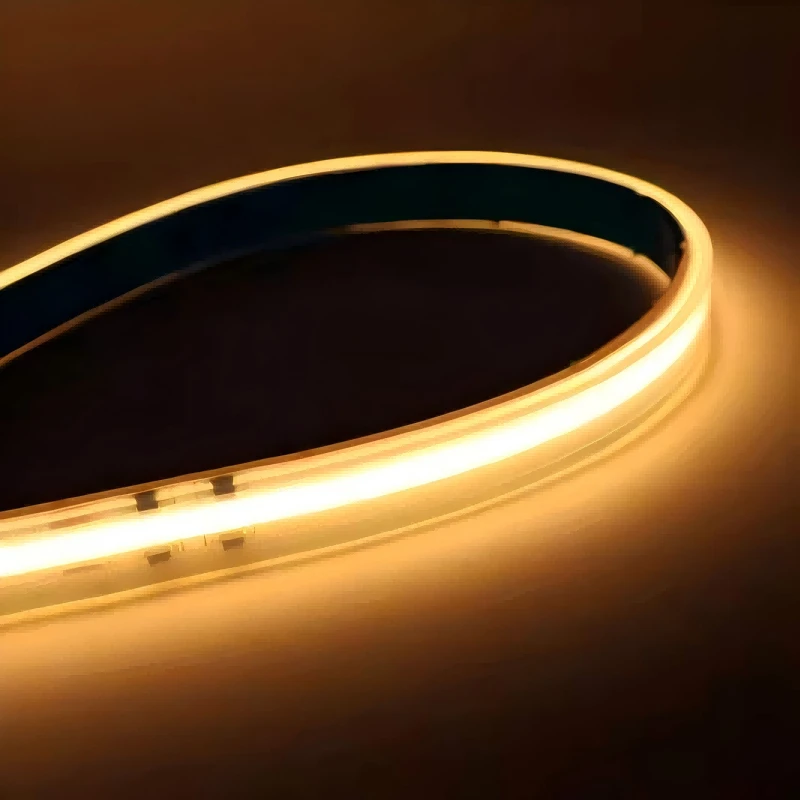
Quality strips use flame-retardant substrates and jackets rated to a recognised class, so if overheated they stop burning once the source is removed rather than propagating along the run, which is the behaviour I look for in enclosed installs.
Check these material points:
- Flame-retardant PCB substrate and jacket with a stated class.
- Self-extinguishing behaviour once the heat source is removed.
- Test evidence to a recognised standard, not just a claim.
- Suitable channels and enclosures that don't add fuel.
Enclosed Runs, Plenums and Public-Space Rules
The riskiest locations are strips hidden behind linings, in ceiling plenums, in long sealed channels and in public buildings where evacuation matters, and these are exactly where the local wiring and building code sets out the required fire class and sometimes low-smoke materials.
Because public-space and plenum rules are strict and vary by jurisdiction, I confirm the required class for the specific location rather than applying one product everywhere, and in escape routes low-smoke, low-toxicity material can be as important as flame spread.
Drivers, Overheating and Preventing the Cause
Most strip fires trace back to the same root causes - overloaded or wrong drivers, poor connections, unprotected shorts and overheating in enclosed space - so a correctly sized driver, fusing and good thermal design prevent the ignition in the first place.
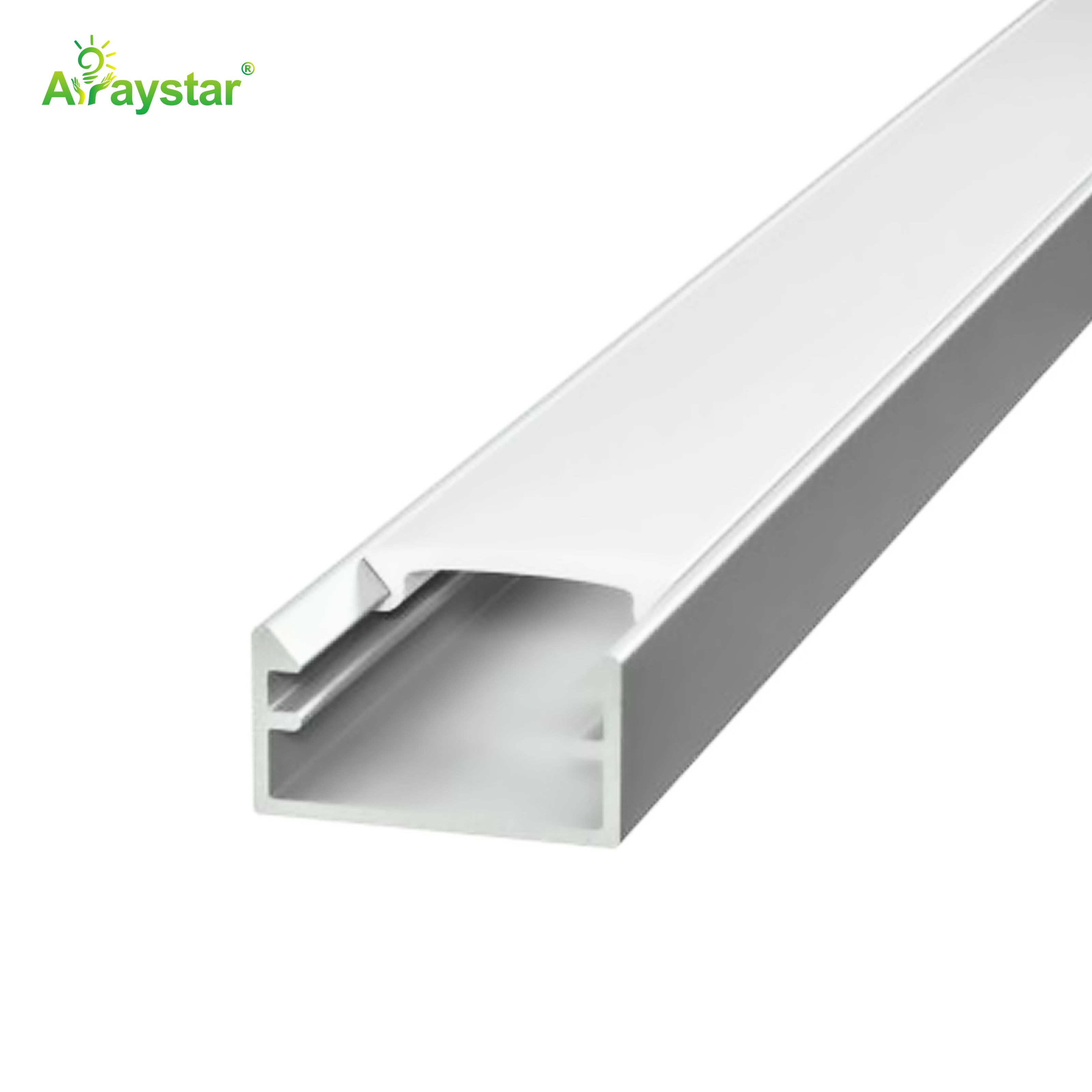
Sealed channels need to handle the heat the strip builds up, and current protection stops a fault escalating. Fire-safe material is the backstop, but the better design removes the overheating that would ever test it.
Spec Steps and Verifying Fire Compliance
My routine is: identify the location and the fire class the local code requires there, ask the supplier for the strip and housing flame rating and test evidence, specify low-smoke material where escape routes need it, and remove overheating through correct drivers and protection.
Get the material class, the enclosure and the cause prevention right, and a strip install meets the fire requirement with evidence behind it rather than a hopeful assumption, which is what actually passes a building or fire inspection.
Recommended Products
Frequently Asked Questions
Are LED strip lights a fire risk?
Properly installed strips are low risk, but hidden enclosed runs can overheat from wrong drivers, poor connections or shorts. Quality flame-retardant, self-extinguishing product plus correctly sized drivers and protection address both the material and the cause.
What fire rating do LED strips need?
It depends on the location and local code, with enclosed plenum and public-space installs requiring a defined flame class and sometimes low-smoke material. Ask the supplier for the specific class and test evidence rather than a general claim.
What does self-extinguishing or flame-retardant mean?
The strip's substrate and jacket resist ignition and stop burning once the heat source is removed, rather than carrying flame along the run. It's the key material behaviour for enclosed and hidden installations.
Where are fire-rated strips most important?
Behind wall linings, in ceiling plenums, inside long sealed channels and in public buildings and escape routes, where a fault could start unseen and evacuation matters. These locations have the strictest code requirements.
What causes LED strips to overheat and catch fire?
Usually overloaded or mismatched drivers, bad connections, unprotected shorts and heat trapped in sealed channels. Correct thermal design, fusing and a properly sized driver prevent the ignition that fire-rated material is meant to contain.
Need help with your LED project?
Get factory-direct pricing, free samples and engineering support within 24 hours.
Email: info@arraystarled.com | Phone: +86-0755-2103-6746 | WhatsApp: 0086 1581 8514 077






