
GFCI/RCD Protection for LED Strips: Ground Fault Safety Guide
- 2026-10-15 14:34
- /
- Arraystar LED
Where LED strips meet water - bathrooms, kitchens, outdoor and wet areas - ground-fault protection is the safety device that stops a leak to earth becoming a shock, and it comes up constantly as GFCI in North America and RCD/RCBO elsewhere. I've wired wet-area strip jobs on both, and the key is understanding where protection is required, matching the device to the installation, and testing it, rather than assuming a sealed strip alone makes a wet install safe.

What GFCI and RCD Actually Do
A GFCI or RCD constantly compares the current going out and coming back, and if even a small amount is leaking to earth through a fault, water or a person, it cuts the circuit in milliseconds, fast enough to prevent a dangerous shock.
It's protecting against the specific risk in wet areas, where water lowers resistance and turns a minor fault into a shock, and it backs up the strip's own sealing, which can be damaged during install or over time rather than assumed perfect.
Where Wet-Area Strips Need Protection
The trigger locations are the same places that want sealed strips - bathrooms and showers, kitchens, spas and pools, outdoor and garden runs, and any damp or washdown area - and the local wiring rules set out where ground-fault protection is mandatory.
Mark the protected locations:
- Bathrooms, showers and wet-room strip runs.
- Kitchens, utility and splash-prone areas.
- Outdoor, garden, pool and washdown installations.
- Low-voltage strips still need the supply side protected correctly.
Device Types, Ratings and Matching the Circuit
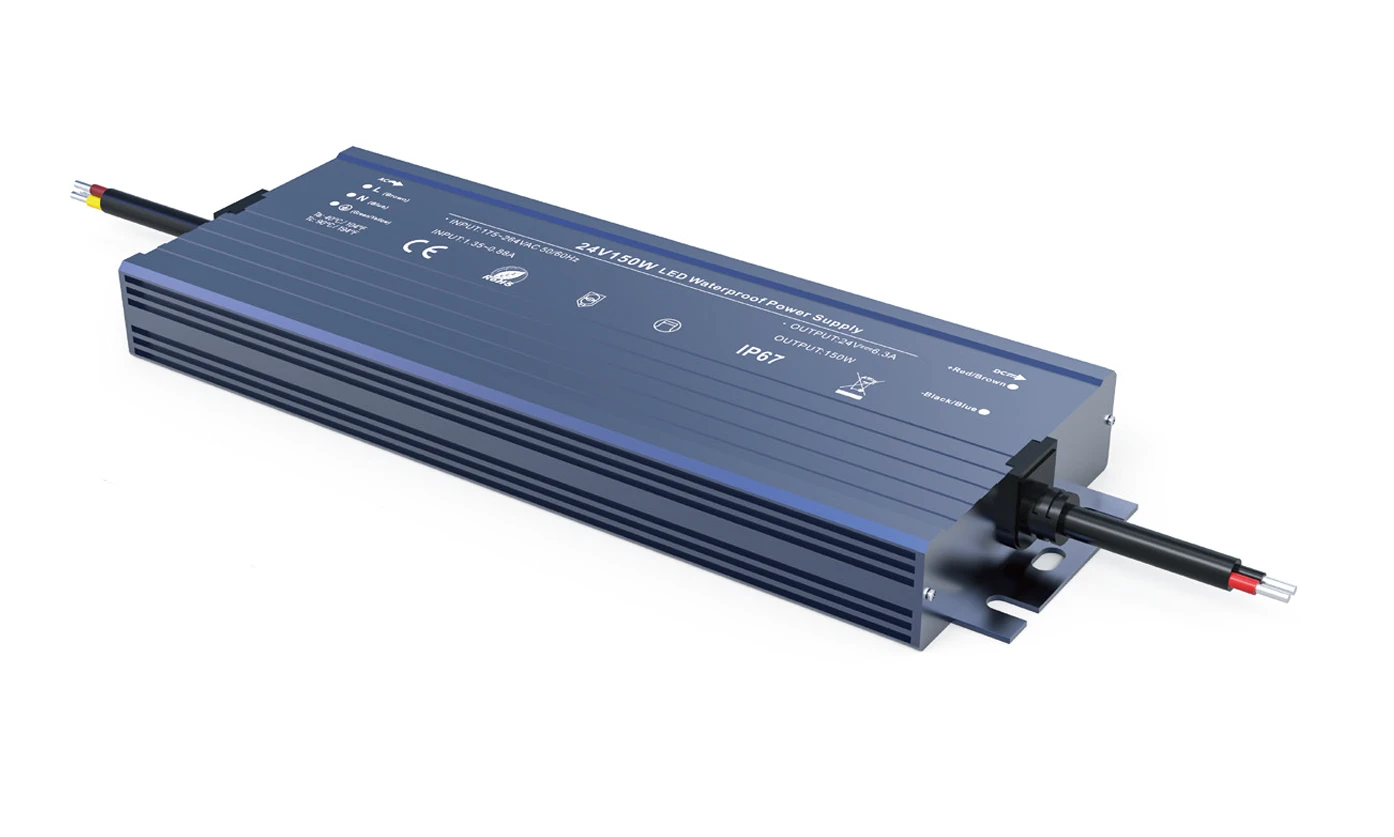
Devices differ by sensitivity and whether they protect just a socket, a whole circuit or combine overcurrent protection as an RCBO, and the choice follows the local code and the circuit, with extra sensitivity in the wettest locations.
Even low-voltage 12/24V strip systems aren't automatically exempt, because the mains side, the driver and the supply still need the right protection, which is why I protect at the source feeding the driver rather than only thinking about the strip itself.
Sealing, Bonding and Why You Still Need Both
A sealed IP-rated strip and ground-fault protection do different jobs and work together, the jacket keeps water out in normal use, while the device catches a fault from a damaged seal, a bad connection or water at the driver.
Equipotential bonding and correct earthing in the wettest zones complete the safety picture, and relying on sealing alone misses that installed strips get nicked, joins leak and drivers sit where water can reach them.

Install Steps, Testing and Keeping It Safe
My wet-area routine is: identify the zones the local code requires protection in, fit the right GFCI/RCD/RCBO at the supply to the driver, seal and bond correctly, and then press the test button to confirm the device actually trips and resets.
Regular re-testing catches a device that has failed, and keeping the protection and drivers accessible and out of direct water makes maintenance safe. Get the device, the sealing and the testing right together, and a wet strip install is protected against shock rather than merely hoping the waterproofing never gets damaged.
Recommended Products
Frequently Asked Questions
Do LED strip lights need GFCI or RCD protection?
In wet locations like bathrooms, kitchens, outdoors and pools, yes, the local wiring rules generally require ground-fault protection on the supply, including the mains side feeding a low-voltage driver. Sealed strips and protective devices do different jobs and are both needed.
What's the difference between GFCI and RCD?
They're the same principle under regional names, GFCI in North America and RCD/RCBO in many other markets, both detecting a small earth leakage and cutting the circuit in milliseconds to prevent shock. Ratings and placement follow local code.
Do low-voltage 12V or 24V strips still need protection?
The strip is low voltage, but the mains supply and driver feeding it still need the correct ground-fault and overcurrent protection, so protect at the source to the driver rather than assuming the low-voltage side removes the requirement.
Is a waterproof IP-rated strip enough on its own?
No, sealing handles normal water exposure but can be nicked during install or leak at joins, while the GFCI/RCD catches the resulting fault. Correct earthing and bonding complete the protection.
How do you test a GFCI or RCD on a strip circuit?
Press the device's test button to confirm it trips and then resets, and re-test periodically to catch a failed unit. Testing is part of finishing a wet-area install rather than assuming it works because it's wired in.
Need help with your LED project?
Get factory-direct pricing, free samples and engineering support within 24 hours.
Email: info@arraystarled.com | Phone: +86-0755-2103-6746 | WhatsApp: 0086 1581 8514 077
- Pre: Why LED Strip Silicone Yellows: UV Aging & How to Prevent It
- Next: Sorry!






