
LED Strip Lighting for Ice Rinks: Cold-Rated, Condensation-Safe Setup
- 2026-10-15 14:34
- /
- Arraystar LED
An ice rink is one of the harshest lighting environments there is: cold, damp from the ice plant, highly reflective off the ice, and a big open space where skaters move fast. Players need even light to read the ice and puck, while the reflective surface throws glare straight back if fixtures are wrong. I spec sealed, cold-rated strips positioned to avoid reflections, bright enough for safety and sport but comfortable for public sessions.
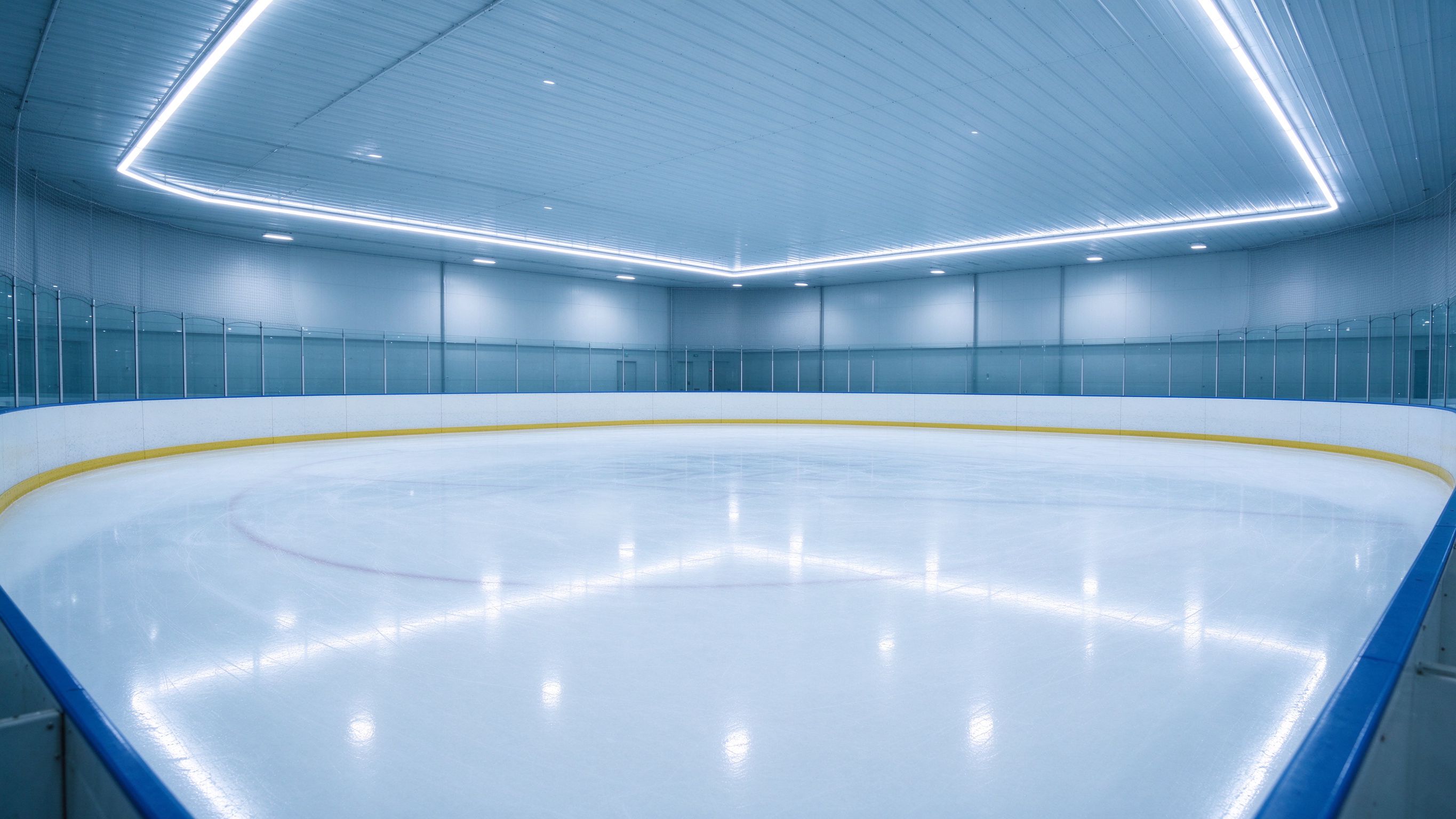
Why Rink Lighting Is Difficult
Ice combines a cold damp atmosphere, a large open area and a glossy reflective surface that bounces light straight up. Skaters move quickly and ice hockey players track a fast puck, so uneven light or glare off the ice is both a performance and a safety issue.
The cold is good for LED chip life, but the install has to handle moisture from the ice plant and temperature cycling. Sealed strips with protected connections, plus drivers and gear rated for the rink environment, prevent the condensation failures that ordinary indoor fixtures suffer.
Even Light Over the Ice and Avoiding Reflections
I aim for uniform coverage over the whole rink with no dark patches at the boards, because players read the ice surface and edges at speed. Positioning fixtures to control reflection off the glossy ice is the key design challenge.
Keep these points in mind:
- Uniform light across the full ice surface and along the boards.
- Angle and diffuse fixtures to limit glare reflected off the ice.
- Bright enough for hockey and figure skating to read the ice and puck.
- Sealed cold-rated strips with protected connections throughout.
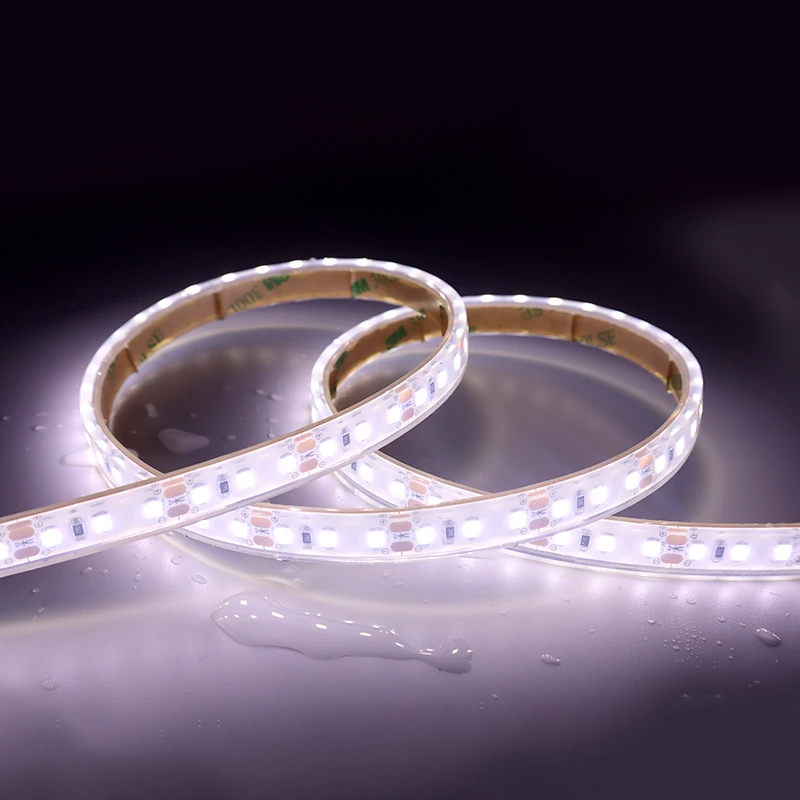
Boards, Perimeter and Spectator Areas
The boards and perimeter dasher can take sealed strip runs to define the rink edge and light the transitions, while spectator seating and concourse areas can be a little warmer and less intense than the ice itself.
IP65 silicone-tube or sealed strips work well along the boards where condensation and occasional contact with slush and skate spray are common, giving a clean defined edge that helps skaters read the rink boundary during fast public sessions.
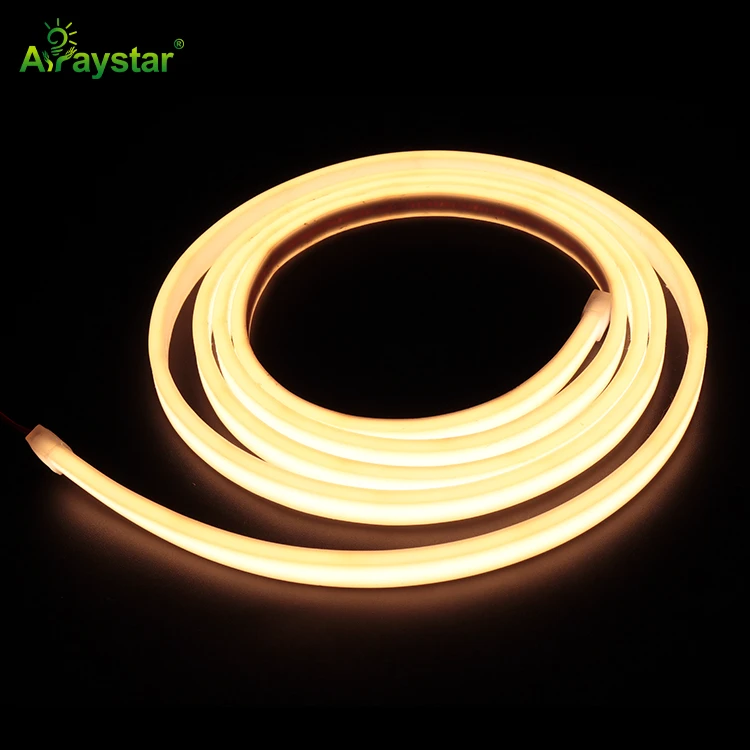
Color Temperature for Sport vs Public Sessions
For sport I use a bright neutral white that keeps the ice looking clean and the action clear. Public and figure-skating sessions can be slightly warmer or use a separate accent layer for themed disco sessions, but the sport setting stays fixed and even.
Any color or effects for public skate nights should be a separate, indirect layer rather than light aimed at the ice, since colored light on the playing surface makes the rink hard to read for hockey. Keep the sport lighting consistent and bring atmosphere in around the perimeter and concourse.
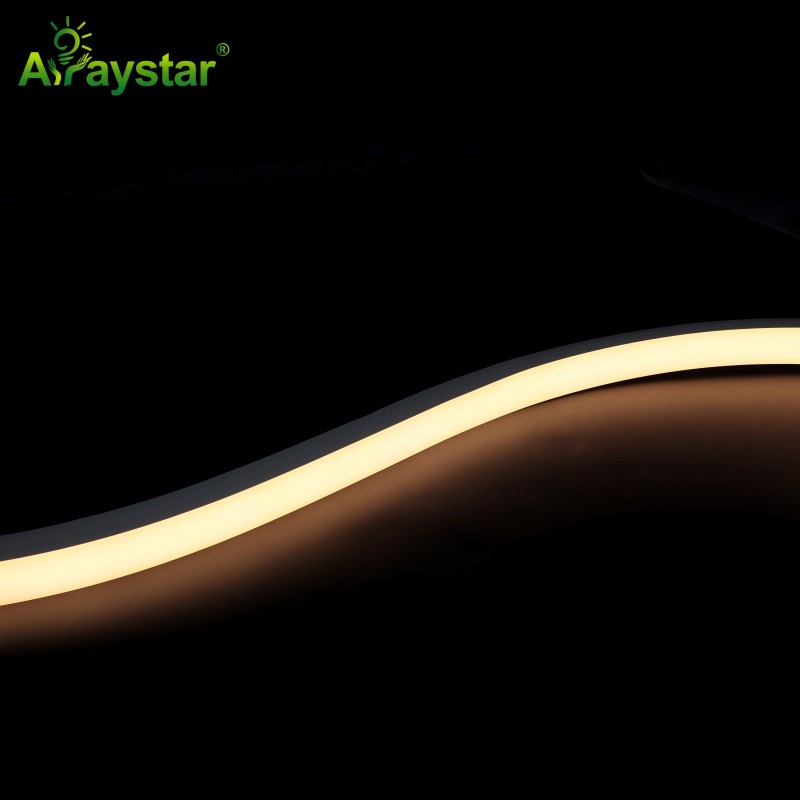
Cold-Rated Drivers, Sealing and Maintenance
Specify drivers and control gear rated for the cold rink temperatures, because even though the LEDs like the cold, the driver is often the part that fails if it isn't rated. Keep gear in protected, accessible enclosures away from direct moisture and the coldest zones.
Sealed connections and smooth wipeable surfaces handle the damp and the cleaning routine, and long-life strips reduce maintenance high over the ice. Get the coverage uniform, the reflections controlled and the gear cold-rated and sealed, and a rink stays safe and clear for everything from hockey to public skating.
Recommended Products
Frequently Asked Questions
What kind of lights are used in ice rinks?
Bright, uniform, sealed cold-rated strips and fixtures positioned to limit glare reflected off the glossy ice, with protected connections for the damp atmosphere. Drivers and control gear also need a cold-temperature rating, since the driver is the part most likely to fail.
How do you stop glare off the ice?
By angling and diffusing the fixtures so the glossy surface doesn't reflect a bright source straight back, and lighting the rink uniformly rather than using bright spots. Reflections are the main design challenge in a rink and are controlled by fixture positioning.
Do LED strips work in cold rinks?
Yes, the cold actually extends LED chip life, and LEDs start instantly unlike older discharge fixtures. The key is sealing the strips and connections against moisture from the ice plant and specifying drivers rated for the low temperatures.
What color temperature suits an ice rink?
A bright neutral white for hockey and figure skating keeps the ice looking clean and the action clear. Public or themed sessions can use a separate indirect color layer around the perimeter and concourse, but keep colored light off the playing surface.
How do you light the boards and rink edge?
With sealed IP65 silicone-tube strips along the boards and dasher to define the edge and light the transitions, handling condensation and skate spray. Spectator seating and concourse can be warmer and less intense than the ice itself.
Need help with your LED project?
Get factory-direct pricing, free samples and engineering support within 24 hours.
Email: info@arraystarled.com | Phone: +86-0755-2103-6746 | WhatsApp: 0086 1581 8514 077







