Chromaticity Drift: Why White LED Strip Shifts Color as It Ages
- 2026-09-19 12:28
- /
- Arraystar
White LED strip does not stay the same white forever. Even with perfect initial binning, phosphor ageing, thermal stress and driver current shift CCT and tint over tens of thousands of hours — typically drifting warmer or greener. For multi-year projects, protect the look with conservative current, strong thermal design, same-batch spares and a maintained-CCT specification rather than a one-time bin match.
White Light Changes Colour as It Ages
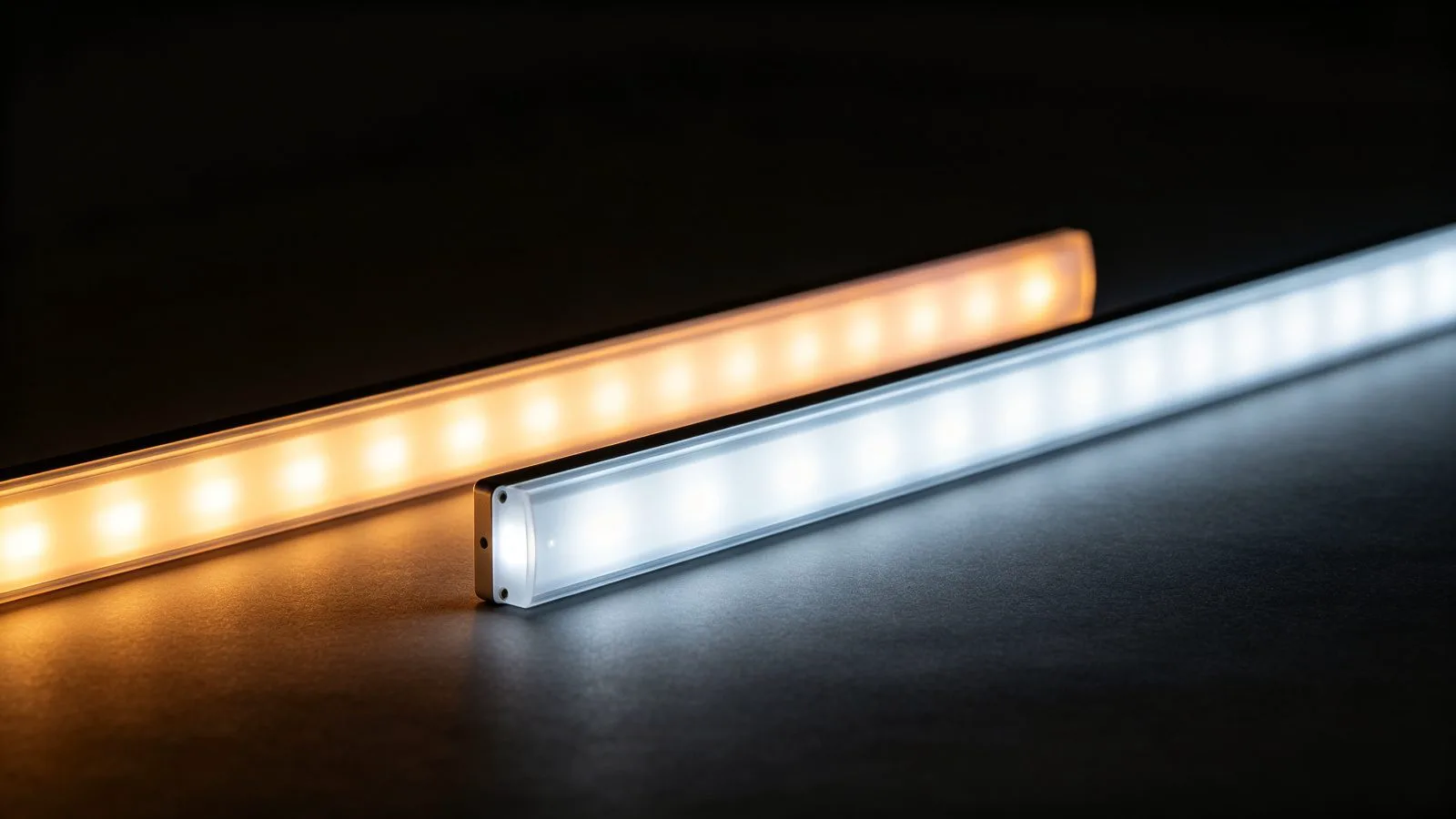
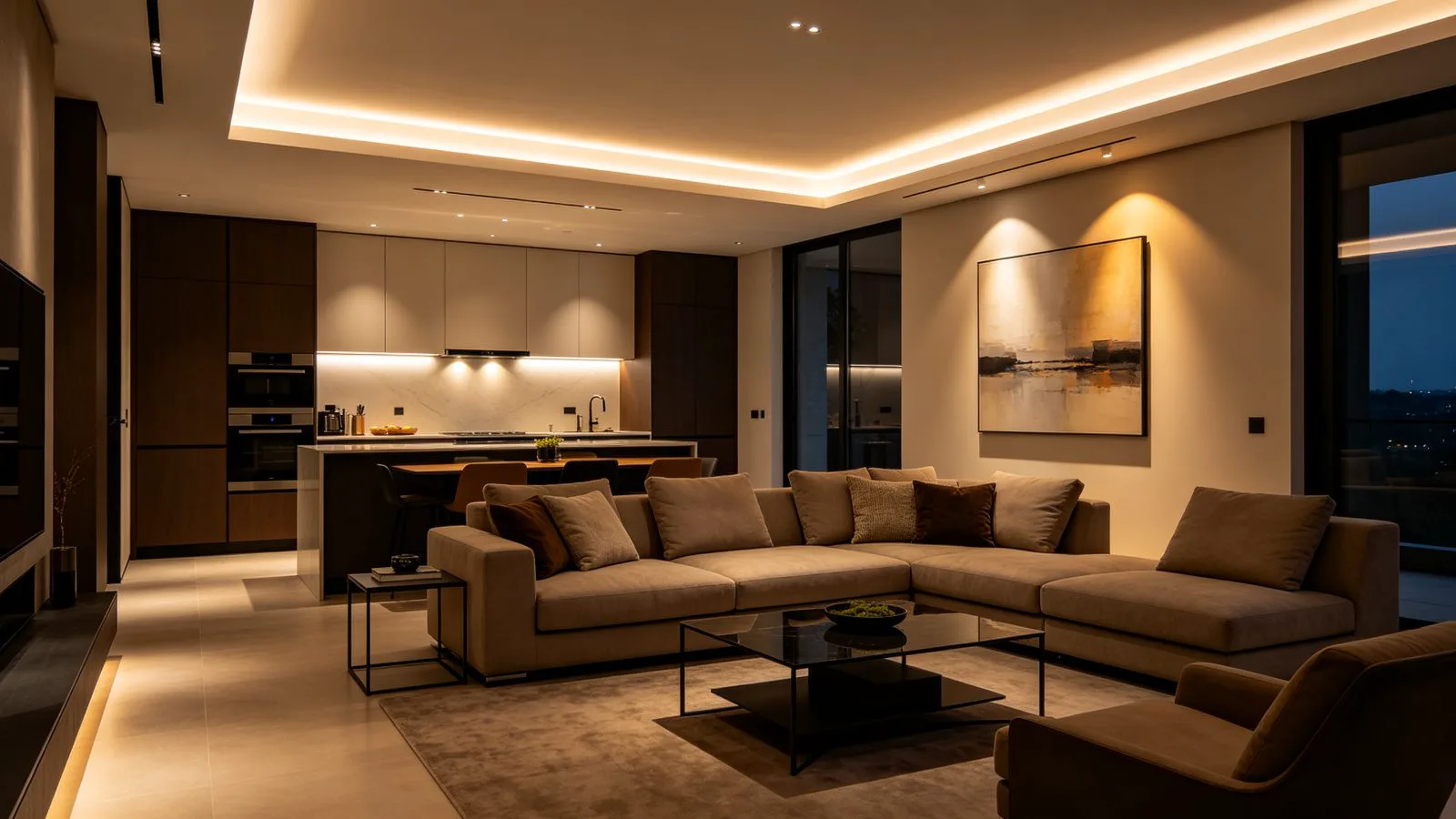
When buyers think about LED lifetime they think lumen maintenance — the L70 figure describing brightness loss. But light also changes chromaticity: its colour temperature and tint drift over time. A cove installed as clean 3000 K can, years later, read slightly warm-yellow or faintly green, and replacement reels added during maintenance may not match the aged originals even if both were correct on day one.
Chromaticity shift is measured on the CIE 1976 u′v′ diagram as Δu′v′ (or Duv for the green/magenta distance from the black-body line). Standards such as IES TM-35 and the Energy Star/ANSI references set thresholds — commonly a shift around Δu′v′ ≤ 0.006–0.007 over rated life — beyond which the colour change is likely visible.
The two consistency problems are different
- Initial consistency (binning): reels from different bins differ on day one — solved by tight SDCM binning and single-batch ordering.
- Longitudinal drift: all reels move together over years — a materials and thermal problem that binning alone cannot solve.
What Causes the Colour to Move
- Phosphor degradation: the yellow/red phosphors that convert blue die light to white age at different rates from the blue chip. As conversion efficiency and balance change, CCT and tint shift — often warmer or toward green depending on the phosphor package.
- Encapsulant browning: heat and light can discolour the silicone/encapsulant over time, absorbing some wavelengths and shifting the output.
- Thermal stress: high junction temperature accelerates both phosphor and encapsulant ageing — the same thermal discipline that protects L70 also protects colour.
- Current and overdriving: running LEDs above rated current speeds every degradation mechanism and worsens drift.
- Driver variation: output current tolerance and long-term drift change both brightness and, subtly, the operating point and CCT of white LEDs.
Typical chromaticity behaviour over life by product quality (illustrative)
| Product / operating condition | Visible drift risk | Approx. shift tendency |
|---|---|---|
| Premium, cool-run, conservative current | Low | Small, within ~Δu′v′ 0.003–0.005 |
| Mid-range, adequate profile | Moderate | Noticeable after 3–5 years |
| Budget, overdriven, hot channel | High | Warm/green shift within 1–2 years |
| Mixed batches on one project | High (immediate) | Mismatch from day one, worsens with age |
Designing for Colour That Stays Consistent
Because drift is driven by heat and current, the same engineering that delivers long lumen life delivers colour stability — with a few additions for maintainability:
- Run strip below its maximum current and in generous aluminum profiles; lower junction temperature is the single biggest lever.
- Specify a chromaticity-maintenance limit (e.g. Δu′v′ ≤ 0.006 at rated hours) alongside L70, backed by TM-28/temperature-dependency data where available.
- Order same-batch spares (5–10%) at the time of purchase so replacements match the original batch; store them correctly.
- Keep drivers consistent and within tolerance; replace failed drivers with the same model to avoid local colour/brightness differences.
- For colour-critical long-term spaces (hospitality, galleries), use premium high-CRI lines qualified for chromaticity maintenance, and plan a controlled refresh cycle rather than piecemeal reel replacement.
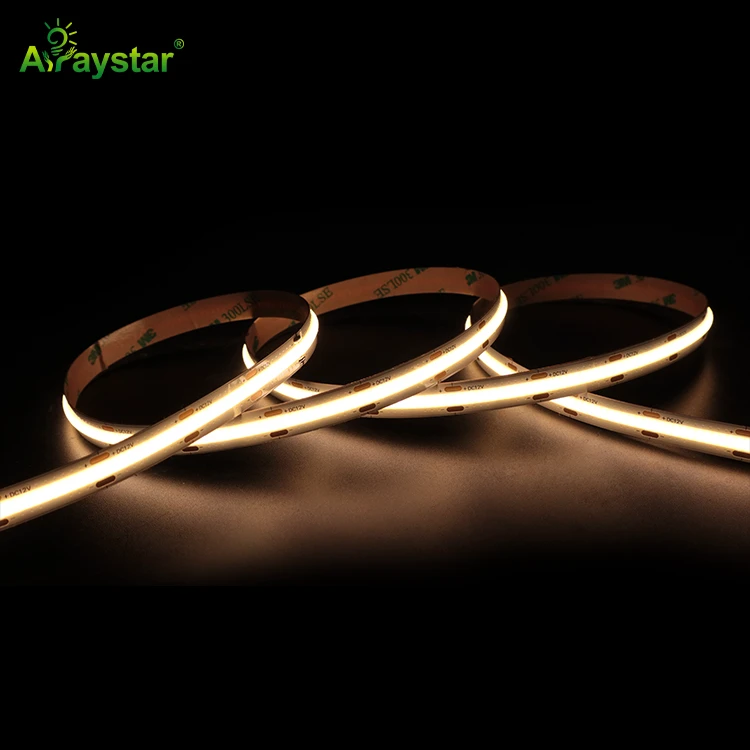
When extending an existing installation years later, expect aged strip to differ from brand-new reels even at the same nominal CCT. Matching is best done by eye on site with a sample, or by replacing a complete contiguous run rather than splicing new into old mid-cove.
What to Ask the Factory
Documentation that distinguishes colour-stable product
| Ask for | Why it matters |
|---|---|
| Initial bin / SDCM | Day-one reel-to-reel consistency |
| Chromaticity maintenance data (TM-28/TM-35) | Predicts colour shift over life, not just lumens |
| LM-80 at multiple temperatures | Shows phosphor behaviour under heat |
| Rated current vs. actual drive current | Reveals whether the strip is overdriven |
| Batch code and spare-reel policy | Enables matching replacements years later |
A datasheet that gives only CCT and CRI with no bin tolerance and no chromaticity-maintenance data is selling initial colour, not lasting colour. We provide bin codes, batch traceability and phosphor/junction-temperature data, and we recommend conservative drive currents and profile sizing so the white you commission is the white the space still shows in five years.
Recommended Products
Frequently Asked Questions
Why does my white LED strip look a different colour after a few years?
Phosphor and encapsulant ageing, accelerated by heat and high current, gradually shift the spectrum — commonly warmer or greener. This chromaticity drift is separate from dimming (L70). Running strip cool at conservative current in aluminum profiles slows it substantially.
What is an acceptable chromaticity shift over LED life?
A common benchmark is a CIE 1976 shift of about Δu′v′ ≤ 0.006–0.007 over rated life, beyond which the change is generally visible; premium cool-run products stay closer to 0.003–0.005. Specify chromaticity maintenance alongside L70 for colour-sensitive spaces.
Will ordering the same CCT later match my old strip?
Not guaranteed. Aged strip has drifted from its original colour, and a new reel of the same nominal CCT and bin will look different next to it. Order same-batch spares up front; for later extensions, match a sample on site or replace a whole contiguous run rather than splicing new into old.
Does heat affect LED colour stability?
Strongly. High junction temperature accelerates phosphor degradation and encapsulant browning, worsening both lumen loss and chromaticity shift. Generous aluminum profiles, lower LED density or current and ventilation are the most effective ways to keep white stable for longer.
Is chromaticity drift the same as binning inconsistency?
No. Binning inconsistency is a day-one difference between reels from different colour bins, fixed by tight SDCM binning and single-batch supply. Chromaticity drift is the gradual colour change of all LEDs over their lifetime, controlled by thermal design, drive current and material quality. Large projects need both addressed.
Need white that stays consistent for years?
We supply binned, high-CRI strip with chromaticity-maintenance and LM-80 data, conservative drive recommendations, batch traceability and reserved spare reels. Tell us your project lifetime and profile.
Email: info@arraystarled.com | Phone: +86-0755-2103-6746 | WhatsApp: 0086 1581 8514 077
Need to size your power supply? Use our LED Strip Power Calculator to find the right driver in seconds.