LED Strip for Wine Cellar Lighting: Preserve Wine & Showcase Bottles
- 2026-09-19 12:28
- /
- Arraystar
Light a wine cellar for the bottles, not just the room: use warm 2400–2700 K, high-CRI (≥90), low-wattage COB strip on dimmers, kept away from direct, prolonged exposure to the wine, with low-heat, low-UV sources and damp-rated fixtures for humidity. The goal is an even, inviting glow that protects the collection — not a brightly lit display that cooks it.
Why Wine Cellar Lighting Is Different
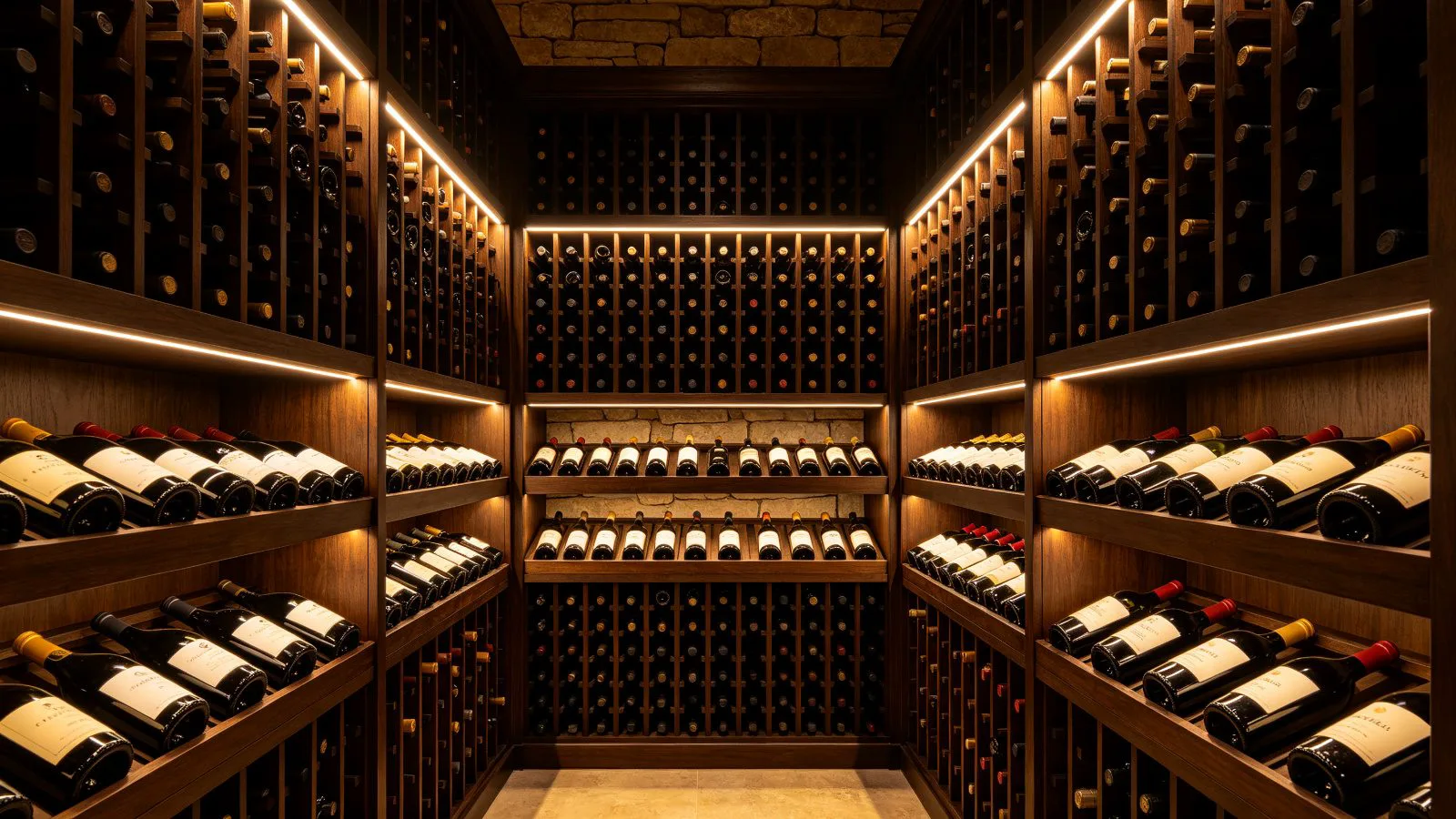
Wine is light-sensitive, especially sparkling, white and rosé bottles in clear glass. Ultraviolet and high-intensity visible light can cause light-strike (“goût de lumière”), producing off aromas, while heat from hot light sources raises bottle temperature and accelerates ageing. Traditional halogen and spotlight-heavy cellar designs did both; LED strip solves the heat and UV problems but still has to be applied correctly.
A cellar is also a low-ambient, often humid space designed around dark wood and stone. The visual task is not bright task lighting but wayfinding and atmosphere: enough light to read labels and move safely, grazing the racking and architecture rather than flooding the room, while keeping the bottles themselves in gentle, intermittent light.
- Protect the wine: low-UV, low-heat sources; avoid sustained direct light on bottles, especially clear glass.
- Control temperature: LEDs add negligible heat compared with halogen, but keep drivers and dense strip outside the cooled envelope where possible.
- Manage humidity: many cellars run 60–80% RH — use damp-rated or silicone-sealed strip and corrosion-resistant channels.
- Set the mood: warm, dimmable, indirect light flatters wood and labels without glare.
Colour Temperature, CRI and Brightness
Recommended lighting parameters for a wine cellar
| Parameter | Recommendation | Why |
|---|---|---|
| Colour temperature | 2400–2700 K (warm) | Flatters wood and labels; relaxed, premium feel |
| CRI | ≥90 (95 for retail displays) | Accurate label and bottle colour |
| Output / density | Low–medium (5–12 W/m) | Atmosphere, not floodlighting; low heat |
| Dimming | TRIAC/ELV or 0–10 V, scenes | Bright for selecting, dim for ambient |
| IP rating | IP65+ in open humid rooms, IP20 in ducted channels | Condensation and humidity resistance |
| UV | Effectively zero (LED) | Protects light-sensitive wine |
Avoid cool-white (4000 K+) sources, which make a cellar feel clinical and clash with wood and brass finishes. For retail and restaurant wine walls where label legibility and bottle sparkle drive sales, step CRI to 95+ and add modest accent brightness on featured bottles while keeping bulk storage dim.
Choosing the Strip and Hardware
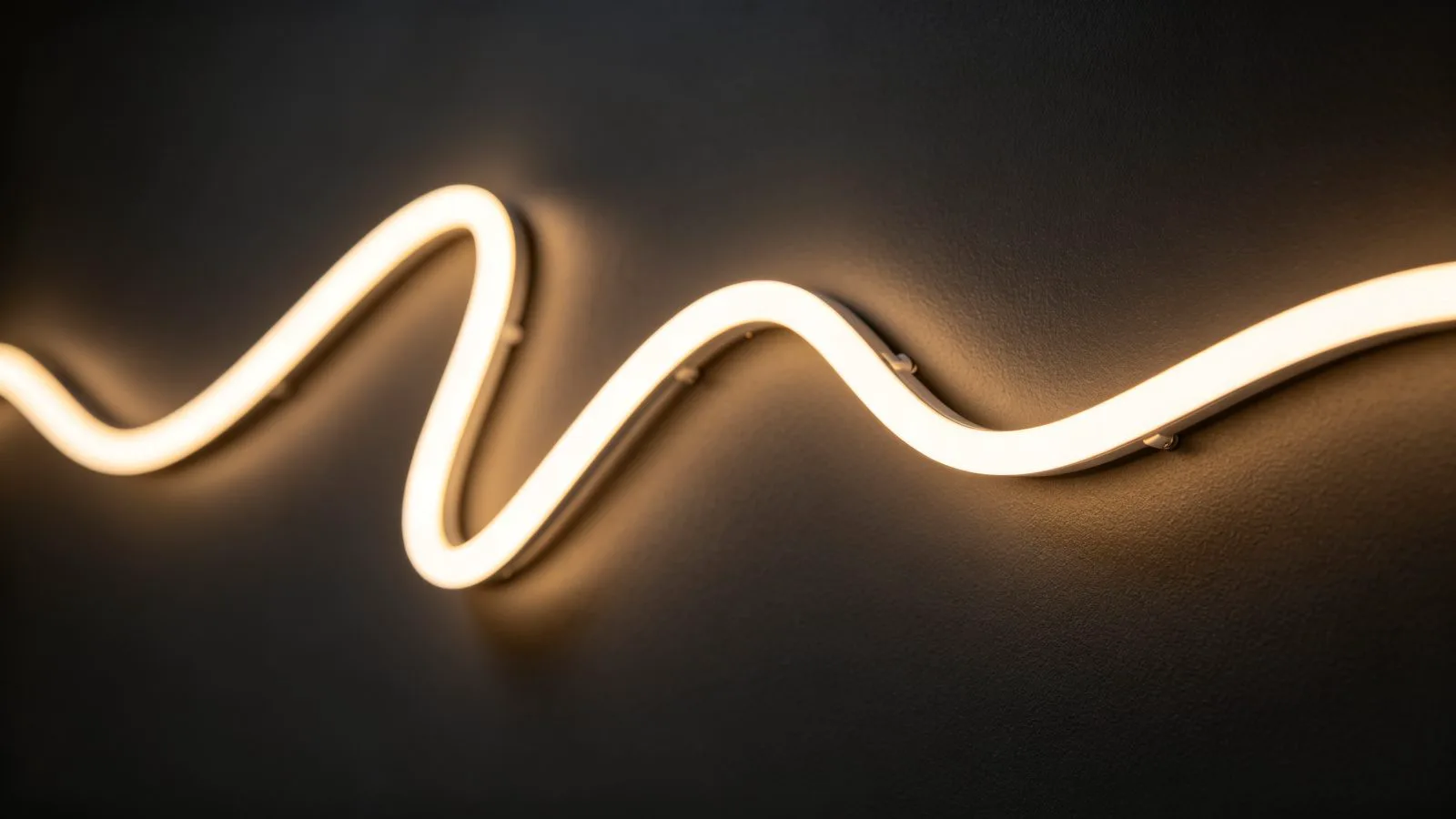
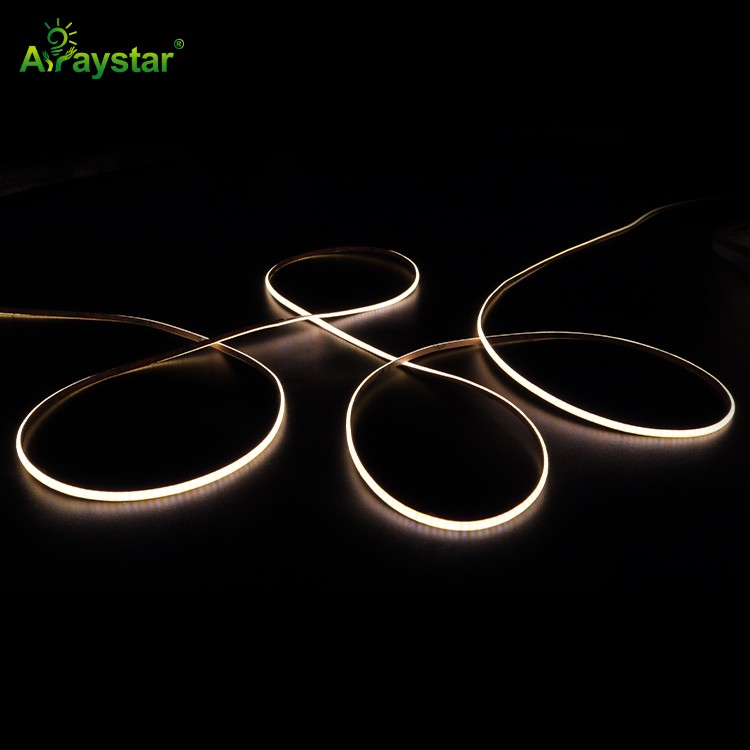
- COB over high-density SMD for a dot-free, continuous line that looks premium against racking; a 24 V, 8–12 W/m COB is usually ample.
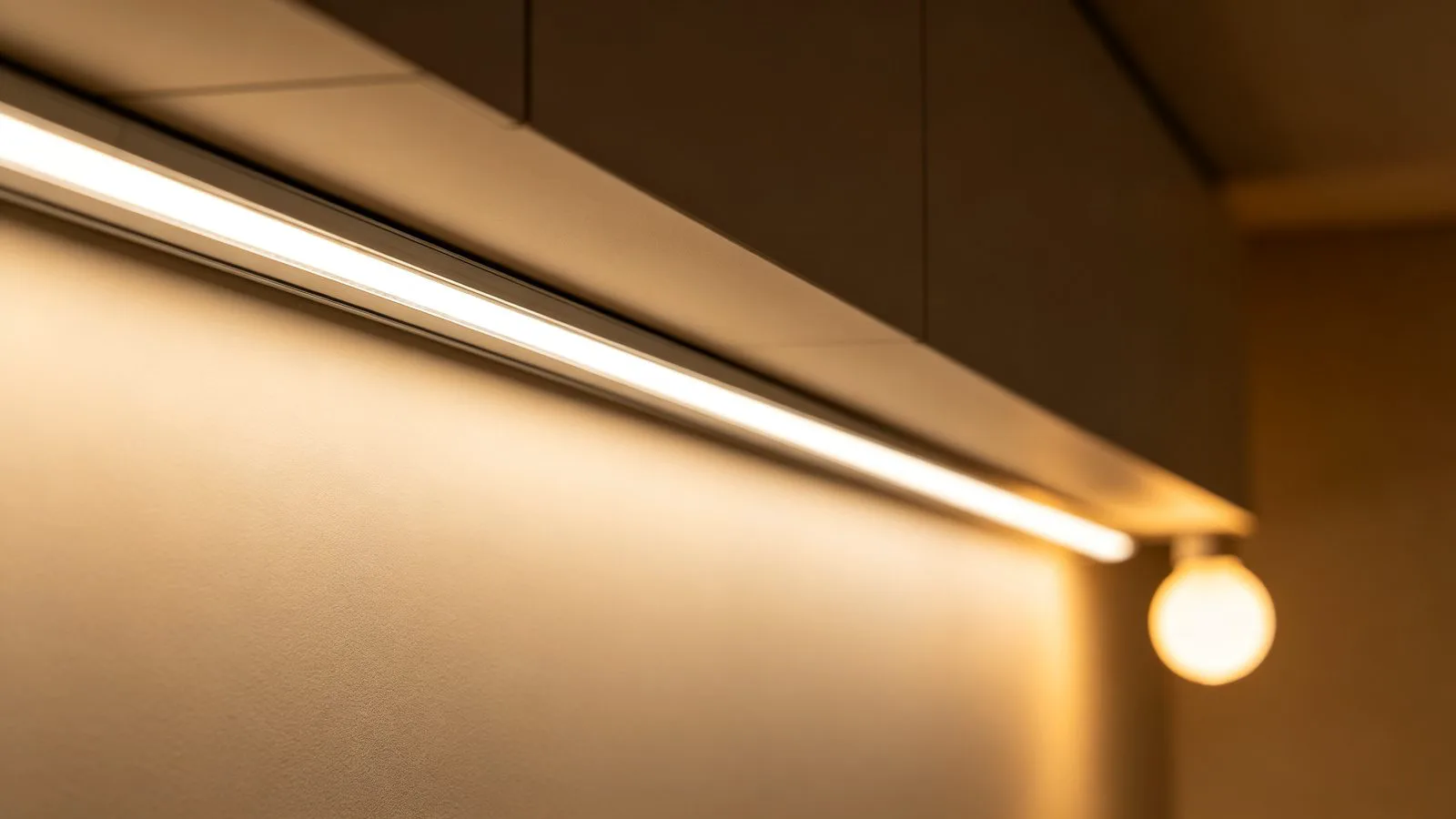
- Choose low-heat, aluminium-backed strip in shallow channels; the small thermal load matters inside a temperature-controlled room.
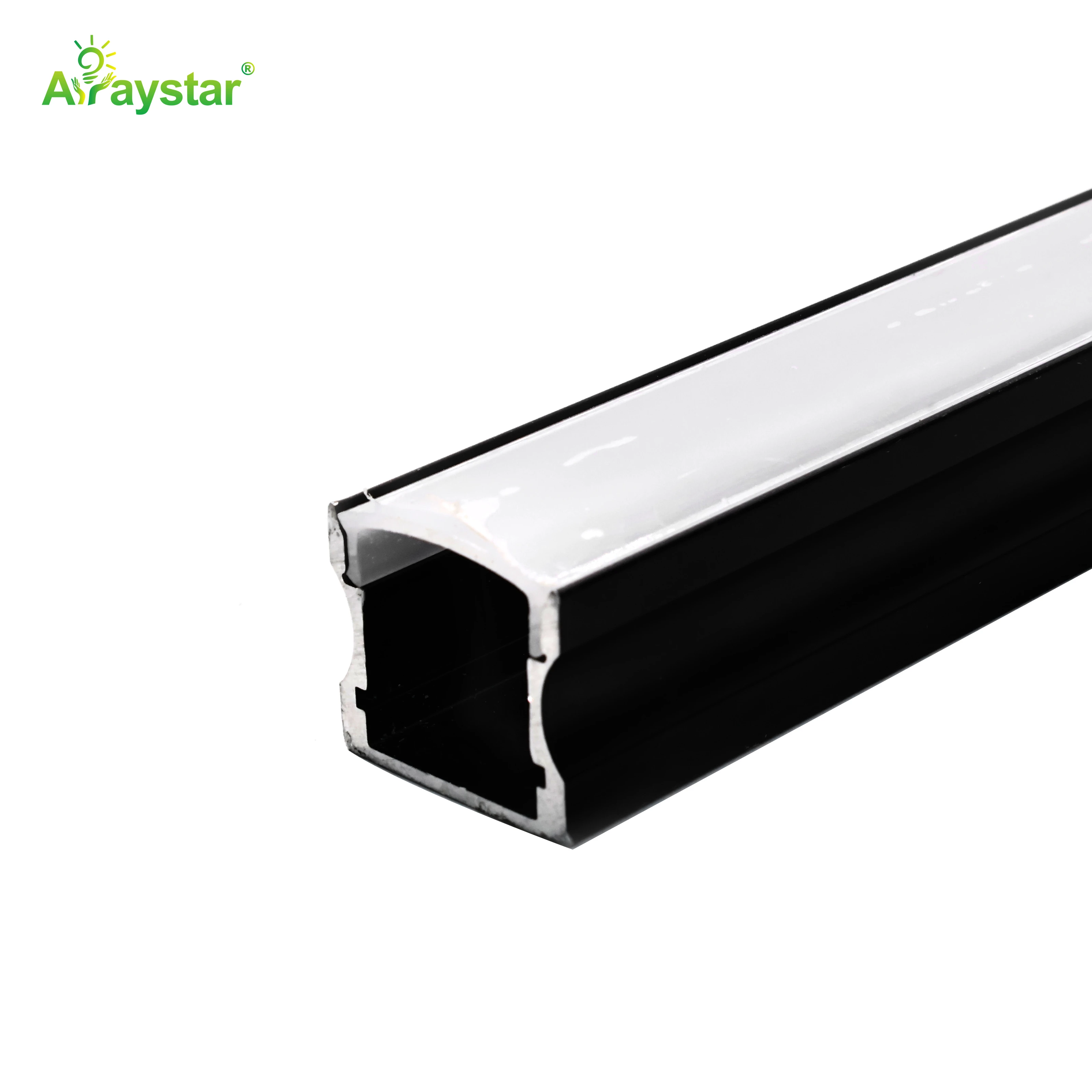
- In humid or occasionally damp cellars use silicone-coated IP65/IP67 strip in anodized aluminum with opal diffusers; reserve IP20 for fully enclosed, dry ducted runs.
- Mount drivers outside the cooled space (plant room, under-stairs cupboard, ceiling void above insulation) to keep their heat and any failure out of the cellar and to simplify servicing.
- Use 24 V for runs over a few metres and constant-current/long-run strip for continuous racking walls.
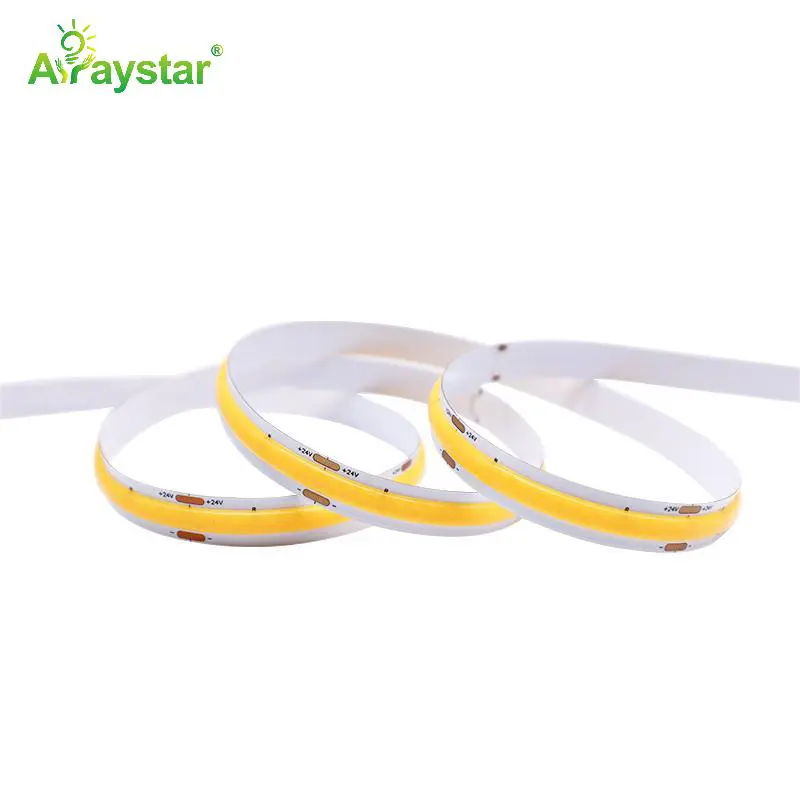
An opal or frosted diffuser is strongly recommended: it hides individual emitters, prevents hot-spots on glossy bottles and cuts glare when seated at a tasting table. Black or bronze channels can be specified to disappear into dark joinery.
Where to Place the Light
- Rack edges and shelf fronts: a recessed line along the front lip or vertical mullions grazes labels without shining directly onto the bottles for long periods.
- Toe-kicks and plinths: low-level linear light provides safe wayfinding and a floating, architectural look at minimal heat.
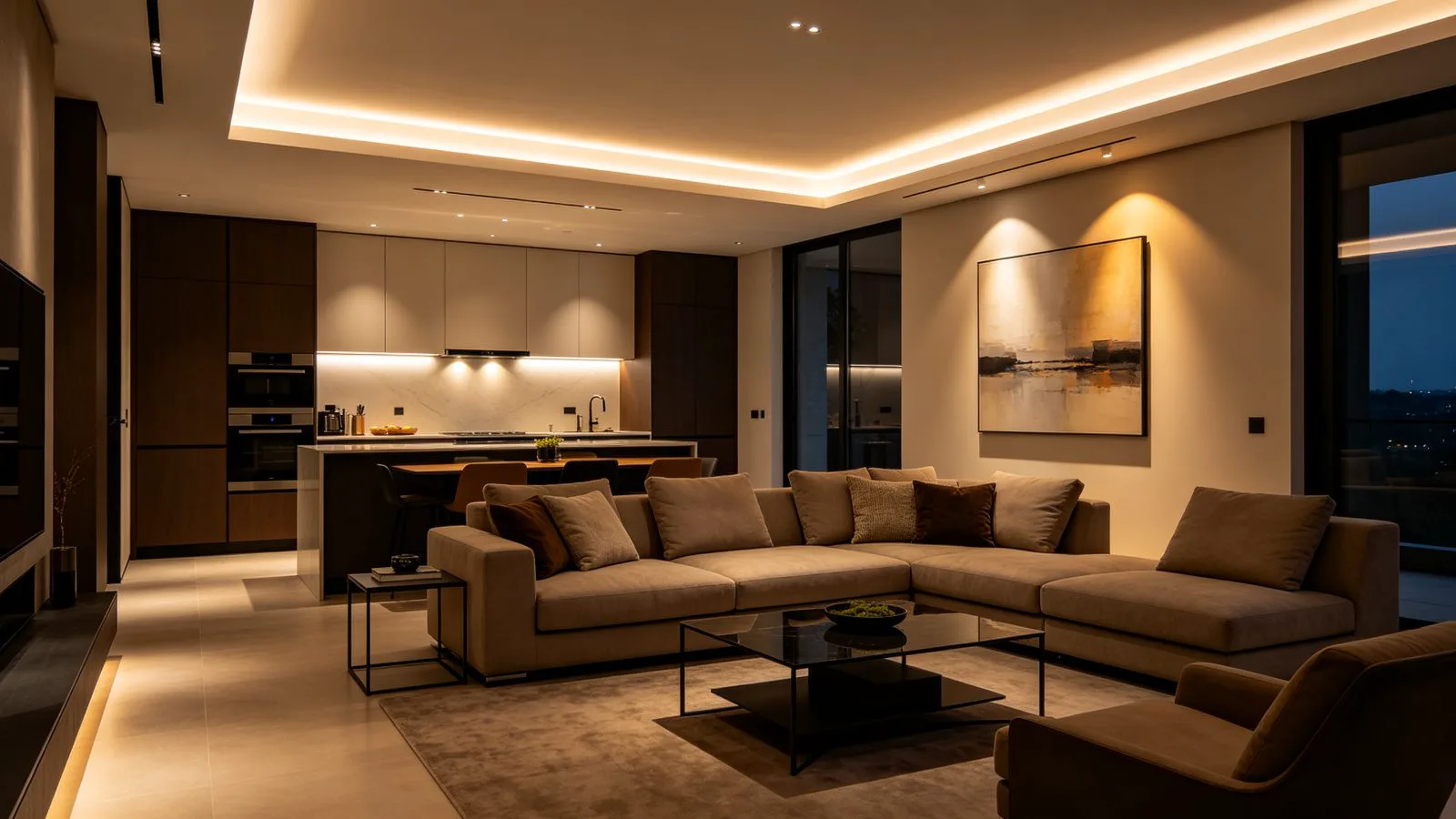
- Cove and ceiling perimeter: indirect uplight bathes stone or vaulted ceilings in warm glow without hitting bottles.
- Feature displays and tasting areas: slightly brighter, high-CRI accent on a featured magnum wall or bar, separately dimmed.
- Avoid mounting strip directly above bottles shining down onto corks/foil, and avoid long daily operating hours in storage zones — use occupancy sensors or scenes so bulk storage is lit only when accessed.
Suggested scene levels (dimmable)
| Scene | Approx. setting | Use |
|---|---|---|
| Ambient / showcase | 20–30% | Evening atmosphere, restaurant display |
| Selecting / restocking | 70–100% | Reading labels, working in the cellar |
| Unoccupied storage | 0–10% or off | Protects wine, saves energy |
| Tasting table accent | 40–60% | Focused, flattering light at the bar |
We supply warm, high-CRI low-wattage COB in damp-rated and channel-mounted kits with dimmable drivers sized to live outside the cooled room. Send us your racking layout and humidity level and we will lay out a low-heat, label-friendly scheme that protects the collection while making it look its best.
Recommended Products
Frequently Asked Questions
What colour temperature is best for a wine cellar?
Use warm white around 2400–2700 K. It flatters dark wood, stone and wine labels and creates a premium, relaxed atmosphere, whereas cool white looks clinical. Keep CRI at 90+ (95+ for retail wine walls) so label colours read accurately, and dim for mood.
Will LED lights damage wine?
Quality LEDs emit essentially no UV and very little heat, so they are far safer than halogen or fluorescent, which can cause light-strike and warming. Still avoid prolonged direct light on bottles (especially clear glass), use low-wattage strip, keep drivers outside the cooled room and dim storage zones when unoccupied.
What IP rating do wine cellar LED strips need?
Many cellars run 60–80% humidity, so use silicone-coated IP65 (or IP67) strip in anodized aluminum channels for open rooms; IP20 is acceptable only inside fully enclosed, dry ducted runs. Ensure metal channels and fixings resist condensation.
Where should the LED driver go in a wine cellar?
Mount drivers outside the temperature-controlled room — in a plant room, void above the insulation or under-stairs cupboard — so their small heat output and any servicing stay out of the cooled, humid space. Run low-voltage 24 V feed cable into the cellar from there.
How bright should wine cellar lighting be?
Cellars are low-ambient atmosphere spaces, not task-lit rooms. Use low-to-medium output (roughly 5–12 W/m COB) on dimmers with scenes: dim (20–30%) for ambient and display, brighter (70–100%) only when selecting or restocking, and off or near-off in unoccupied storage.
Designing a residential or commercial wine cellar?
We supply warm 2700 K high-CRI, low-heat COB strip in damp-rated channel kits with external dimmable drivers. Share your racking layout and humidity for a label-friendly lighting scheme.
Email: info@arraystarled.com | Phone: +86-0755-2103-6746 | WhatsApp: 0086 1581 8514 077
Need to size your power supply? Use our LED Strip Power Calculator to find the right driver in seconds.