Reusing Old Lighting Cable for a LED Strip: What to Test Before Energizing
- 2026-11-26 18:02
- /
- Alan
Old lighting wire can sometimes feed a modern strip, but reuse starts with an inspection of insulation, gauge and what the cable already carries — not with how it once worked.
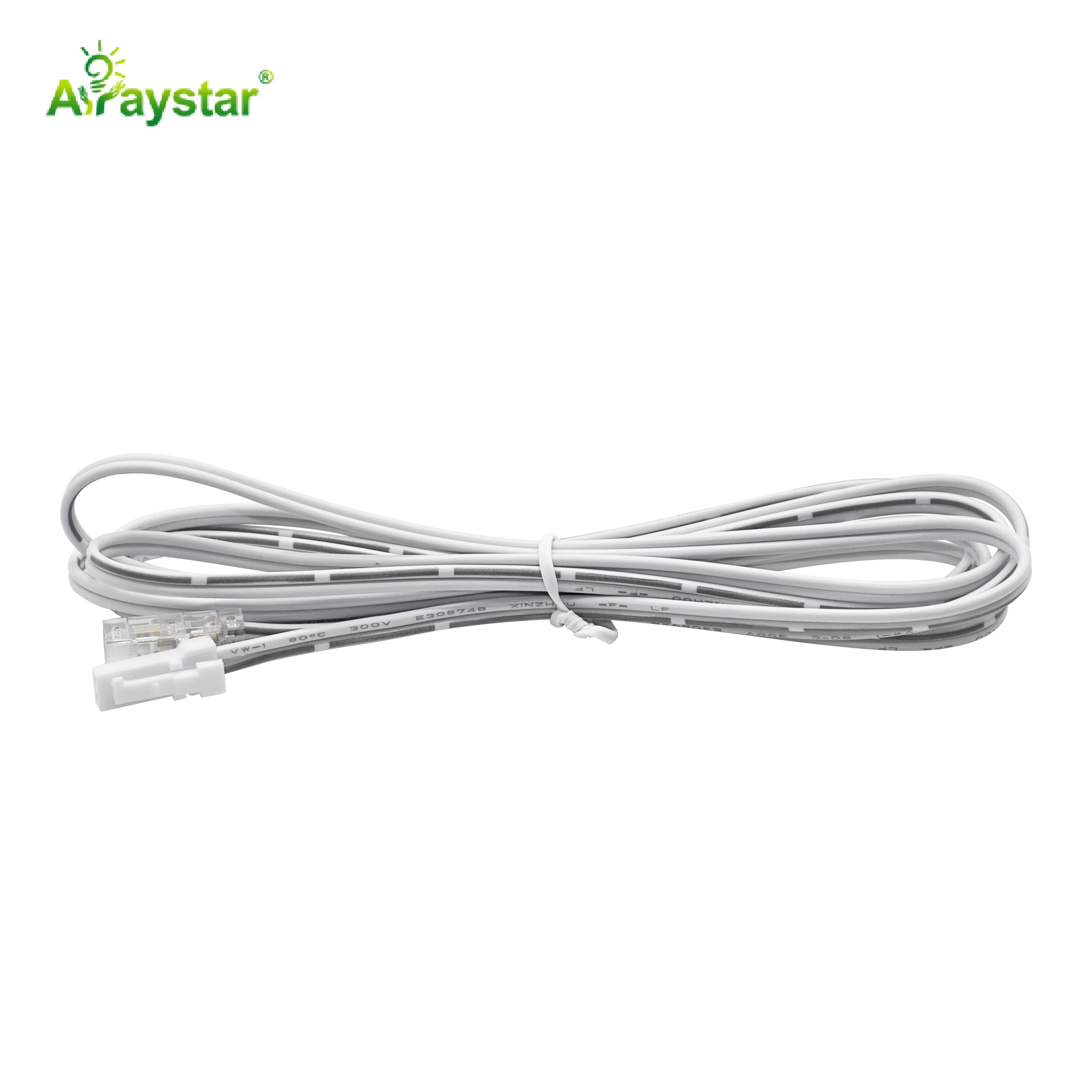
A retrofit wanted to reuse existing cable runs that had fed an old under-cabinet light. Old wire is tempting because it already reaches the location, but age, insulation condition and shared loads decide whether it is safe to reuse.
Inspect the insulation first
Look for brittle, cracked or discoloured insulation, and any wire that has become stiff or crumbly with age. Cable that sits near a kitchen or bathroom may have absorbed grease or moisture, and outer damage can hide inside the insulation.
If the insulation is brittle or the copper shows through, the cable should be replaced. Old rubber-insulated wire in particular degrades and is not a reliable SELV feed. Check the whole run, not just the visible ends.
Check gauge and load
Match the conductor cross-section to the current the strip draws. Thin old wiring that carried a small bulb may not carry the current of a multi-metre strip without voltage drop or heating. Calculate the load and compare it against the cable rating.
At low voltage, current is high even for modest wattage, so conductor size matters more than on a mains circuit. A cable that handled an old bulb can still be too thin for a modern reel.
What the cable already carries
- Confirm the cable is dedicated to this lighting run and does not share a neutral or live with another load.
- Check the circuit protection and whether the existing circuit can accept the added driver.
- Look for previous repairs, joints or splices hidden in the cable run.
- Note any cable that runs alongside mains wiring for long distances.
When to renew instead
If the gauge is marginal, the insulation is uncertain, or the route runs through a damp or dusty location, renew the feed from the driver to the first strip joint. A short new cable run costs far less than tracing an intermittent fault in a finished interior.
Once the feed is confirmed, terminate it to a connector matched to the strip width, and keep the reused section clearly separated from any newer cable at joints.
Installation Checklist
- Confirm the strip voltage, per-metre load and total run length before sizing the supply or controller.
- Check the mounting position for moisture, heat, clearance and any obstruction before fixing the run.
- Test the sensor, receiver or controller in the finished position, with doors and panels closed.
- Keep drivers, joints and receivers reachable so the run can be serviced without reopening the finish.
Recommended Products
For this detail, the following Arraystarled products are listed in our current catalogue and can be matched to the run after the supply, enclosure and control requirements are confirmed:
- 2835 Free Cut SMD LED Strip
- CCT Adjustable 2835 SMD LED Strip
- High Efficiency 2835 LED Strip ART-HE2835-240-X-24
A compact 2835 SMD strip suits low-power cabinet runs; if the reused cable is suspect, renew the feed between the driver and the first joint rather than risking an intermittent fault.
Talk to our application team with your strip length, voltage and ambient condition; we will match the supply, controller or sensor to the actual run rather than a generic rule.