
Tattoo Studio LED Lighting: Flicker-Free, High-CRI Setups Artists Can Work Under for Hours
- 2026-09-30 17:37
- /
- Arraystar LED
Tattooing is hours of close, high-contrast visual work under the gun, and the light that looks cool in studio photos is usually the light that wrecks an artist's accuracy and their eyes. You need bright, flicker-free, high-CRI task light that can be positioned over the work and dimmed between pieces, not a single moody red bulb. Build it around efficient low-heat 2835 strips in adjustable aluminum channels, run several stations from smooth dimmable drivers, and keep ambient neutral so ink blacks and colors read true on every skin tone.
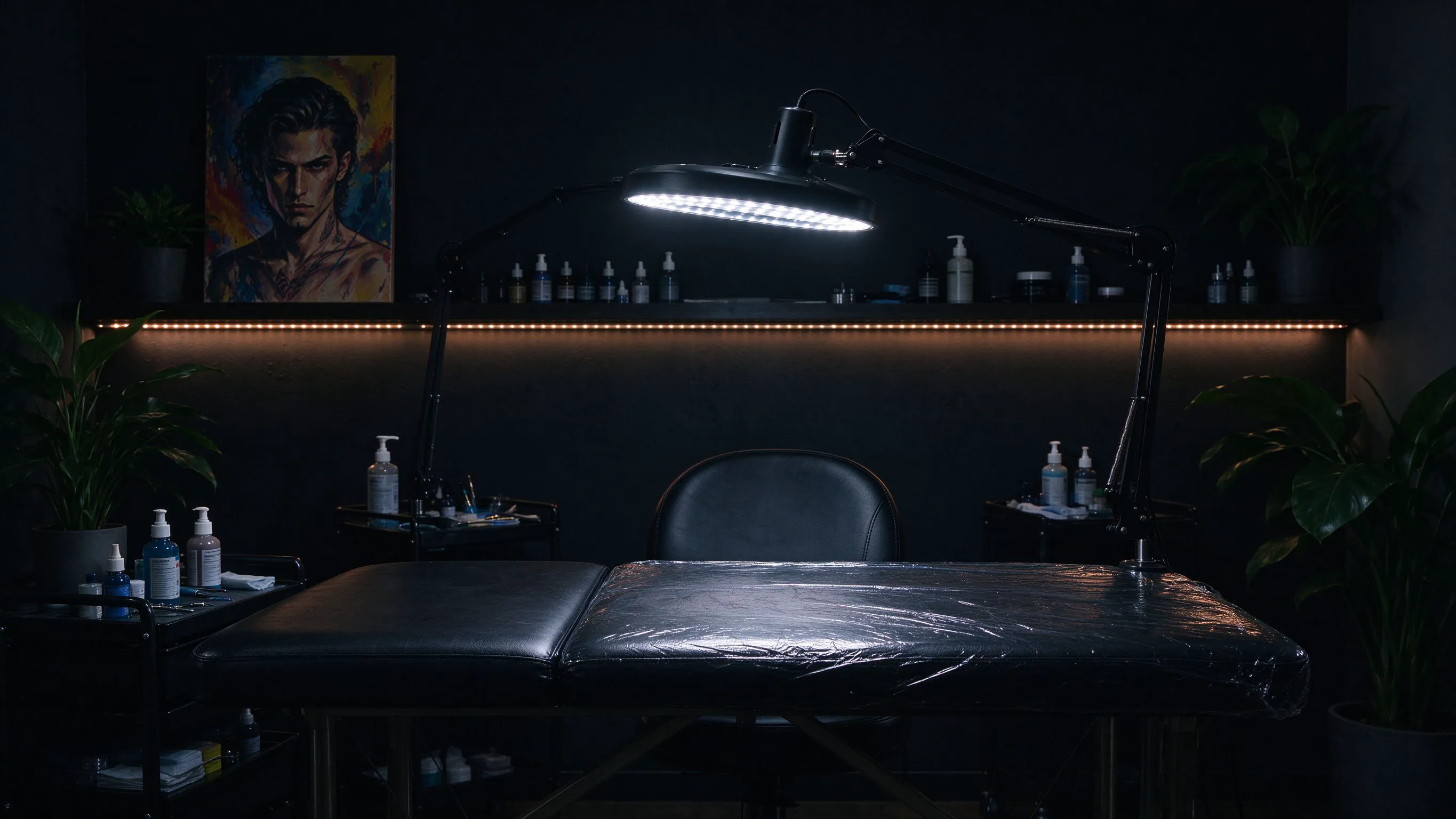
Tattooing Punishes Bad Lighting Faster Than Almost Any Trade
A tattoo artist is reading skin, stencil lines and ink saturation inches from their face for hours at a stretch. Light that's too warm turns black ink grey; light that flickers causes eye strain and headaches; light that's fixed overhead makes the artist's own head and hand throw a shadow right over the line they're pulling.
Most studio lighting mistakes come from optimizing for the vibe clients see when they walk in rather than the working conditions the artist actually needs. You can have both - moody, atmospheric ambient for the room and a separate, serious task light over the chair - but they have to be separate, dimmable layers.
The Working Spec: High CRI, Neutral, Flicker-Free and Adjustable
Workstation targets for accurate, comfortable tattooing.
| Parameter | Target for tattoo workstations | Why |
|---|---|---|
| CCT | 4000-5000K neutral | Black ink reads black, colors stay accurate |
| CRI | 90+ | True ink and skin-tone rendition |
| Flicker | Zero (quality driver) | Prevents eye strain during long sessions |
| Heat | Low - efficient strip + profile | Hot lights over the artist are unbearable |
| Positioning | Adjustable / articulating | Light follows the body part being worked |
| Level | ~1000 lux on skin | Bright enough for fine line and shading |
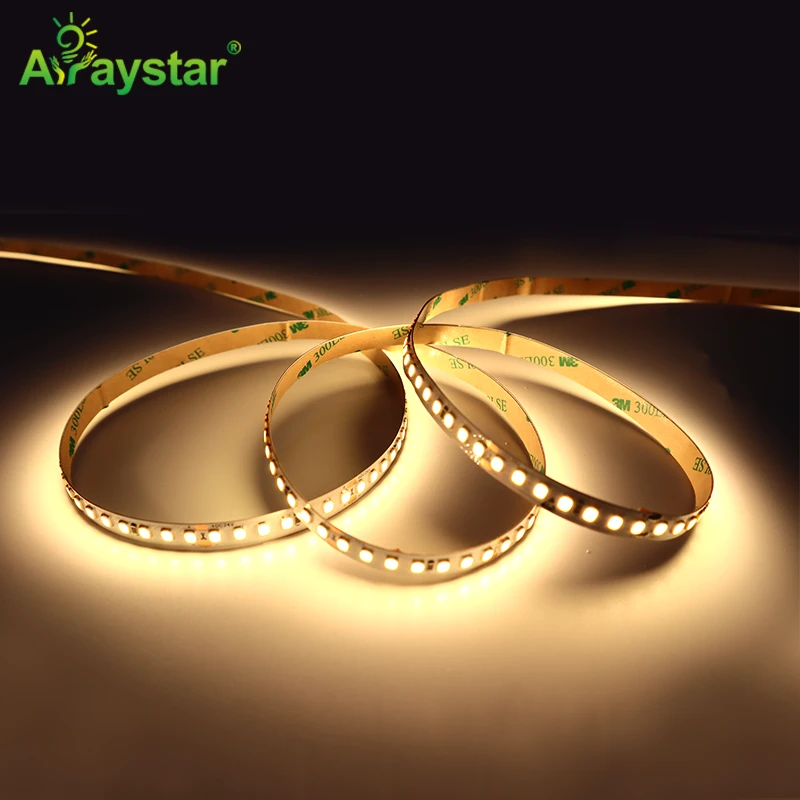
High-efficiency 2835 strip at 168 LEDs/m is the base layer I recommend for studios. It runs cool, draws little power for the brightness it gives, and laid into a channel it produces an even neutral field that doesn't roast the artist during a six-hour back piece. Low heat matters - you're working directly under the fixture.
Adjustable Task Bars Beat Fixed Ceiling Lights
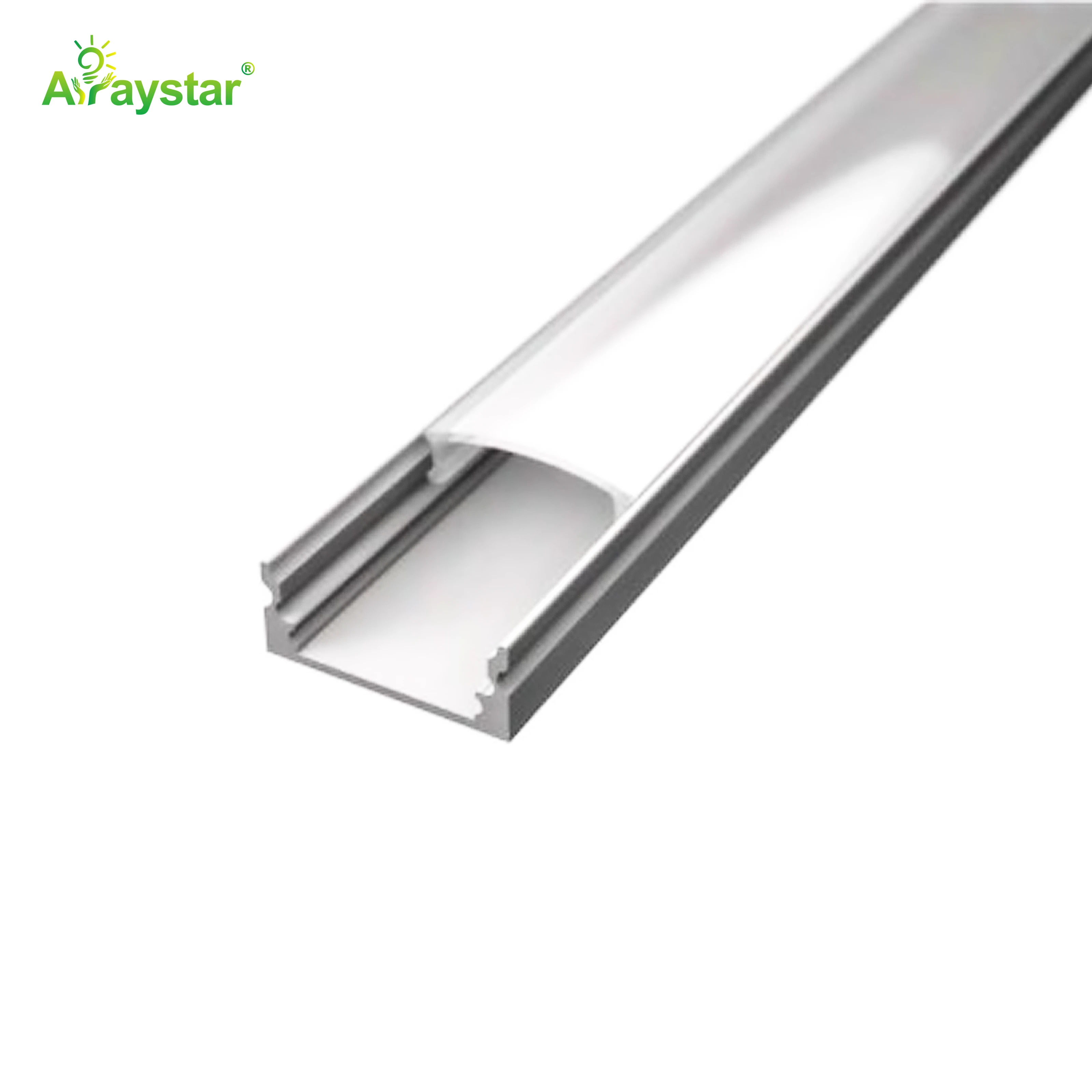
The client's body is horizontal, vertical, curled, turned - a fixed overhead panel can't keep up. The practical solution is linear task bars built from strip inside an aluminum profile with an opal diffuser, mounted so they can be angled or repositioned over the chair: wall-mounted articulating arms, a movable floor bar, or clip-on rails the artist swings into place.
The AL1407 profile with a diffuser is ideal for these task bars - it's compact, rigid enough to mount on an arm or stand, hides the dots completely, and acts as the heatsink so the bar stays cool. Build two short bars per station and you can light a large piece from two angles, virtually eliminating hand shadows.
- Aim light from the artist's non-working side so the gun hand doesn't shadow the line.
- Two angled sources beat one bright one for shading large areas evenly.
- Keep the diffuser close enough to be bright but out of the client's direct sightline.
- Make every task bar independently dimmable for the artist's preference.
Powering Several Stations Smoothly
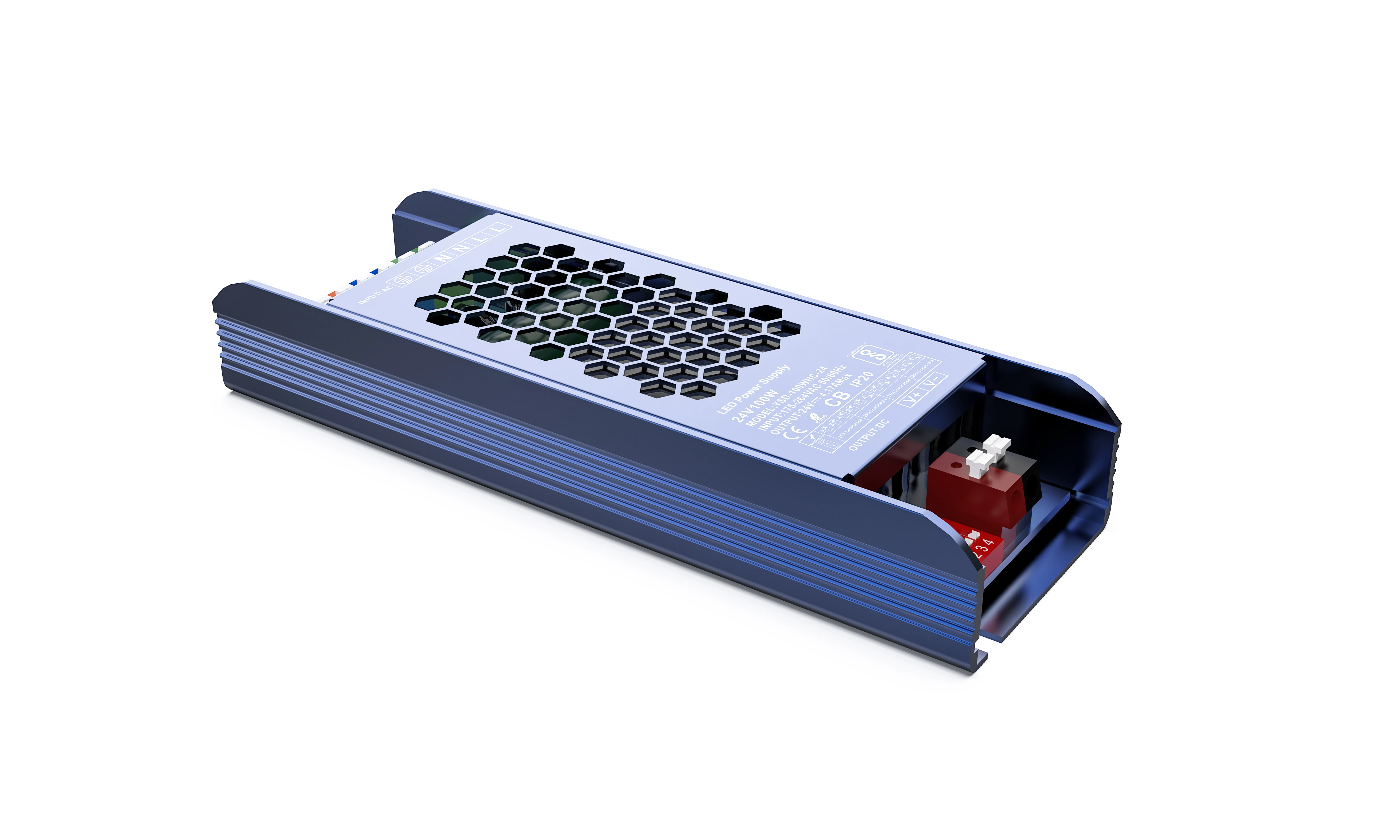
When a studio has multiple chairs, running each one from a separate plug-in adapter means six different dimming curves, six wall warts, and uneven flicker. Group stations onto quality constant-voltage dimmable drivers instead. A 100W dimmable driver comfortably runs the task bars for several chairs on one smooth, flicker-free dimming circuit.
Wire the task lighting and the room ambient on separate dimmers so an artist can crank their work light while the waiting area stays relaxed. Specify drivers with genuine low-flicker dimming down to low levels - artists frequently dim between pulling lines and shading, and cheap drivers strobe at the bottom of the range.
Ambient, Flash Walls and Color Accuracy on Skin
The room's ambient light should be neutral and soft, not colored. Colored bulbs might suit the decor but they make it impossible to judge healed-ink color across different skin tones, and they contaminate the work light. Save color for accent signage and the flash/art wall, which you can light separately with track or strip washes.
- Light the flash wall and art prints at a warmer or accent level distinct from work light.
- Keep walls and ceilings mid-tone and matte so task light reflects softly rather than glaring.
- Avoid any bare visible LED in the client's sightline when they're lying back.
- Add a low warm night/cleaning scene for consultations and after the stations are off.
Recommended Products
Frequently Asked Questions
What is the best lighting for tattooing?
Bright, neutral 4000-5000K, high-CRI (90+), completely flicker-free task light around 1000 lux on the skin, mounted on adjustable bars so it can be aimed from the artist's non-working side. Low-heat high-efficiency strip in a diffused aluminum profile works best, kept separate from dim, moody room ambient.
What color temperature should a tattoo studio use?
4000-5000K neutral at the workstations so black ink reads black and colors stay accurate across skin tones. Warm light makes black look grey and distorts color judgment. You can use warmer or accent lighting in the waiting area and on the flash wall, just keep it off the actual work zone.
How do I stop my hand casting a shadow while tattooing?
Use two adjustable linear task bars (strip in a diffused aluminum profile on articulating arms or stands) aimed from the non-working side and slightly from the front, rather than one fixed overhead light. Two angled sources fill in the shadow the gun hand would otherwise throw over the line.
Why do my eyes hurt after long tattoo sessions?
Usually flicker, glare or insufficient light forcing your eyes to strain. Cheap drivers and dimmers produce invisible high-frequency flicker that causes headaches over hours, and bare LEDs glare. Use high-efficiency low-heat strips in diffusers with quality flicker-free dimmable drivers and keep the source out of your direct line of sight.
Can I use colored or dim mood lighting in a tattoo studio?
Yes for the waiting area, reception and flash/art wall, but not over the workstation. Colored ambient light makes it impossible to judge ink and skin tone accurately and contaminates the task light. Keep the chair area neutral and bright, and put the studio's personality in separately switched accent lighting.
Need help with your LED project?
Get factory-direct pricing, free samples and engineering support within 24 hours.
Email: info@arraystarled.com | Phone: +86-0755-2103-6746 | WhatsApp: 0086 1581 8514 077
Need to size your power supply? Use our LED Strip Power Calculator to find the right driver in seconds.







