Slim 4mm 2216 Strips With High CRI for Compact Showcases
- 2026-10-09 18:40
- /
- Arraystar LED
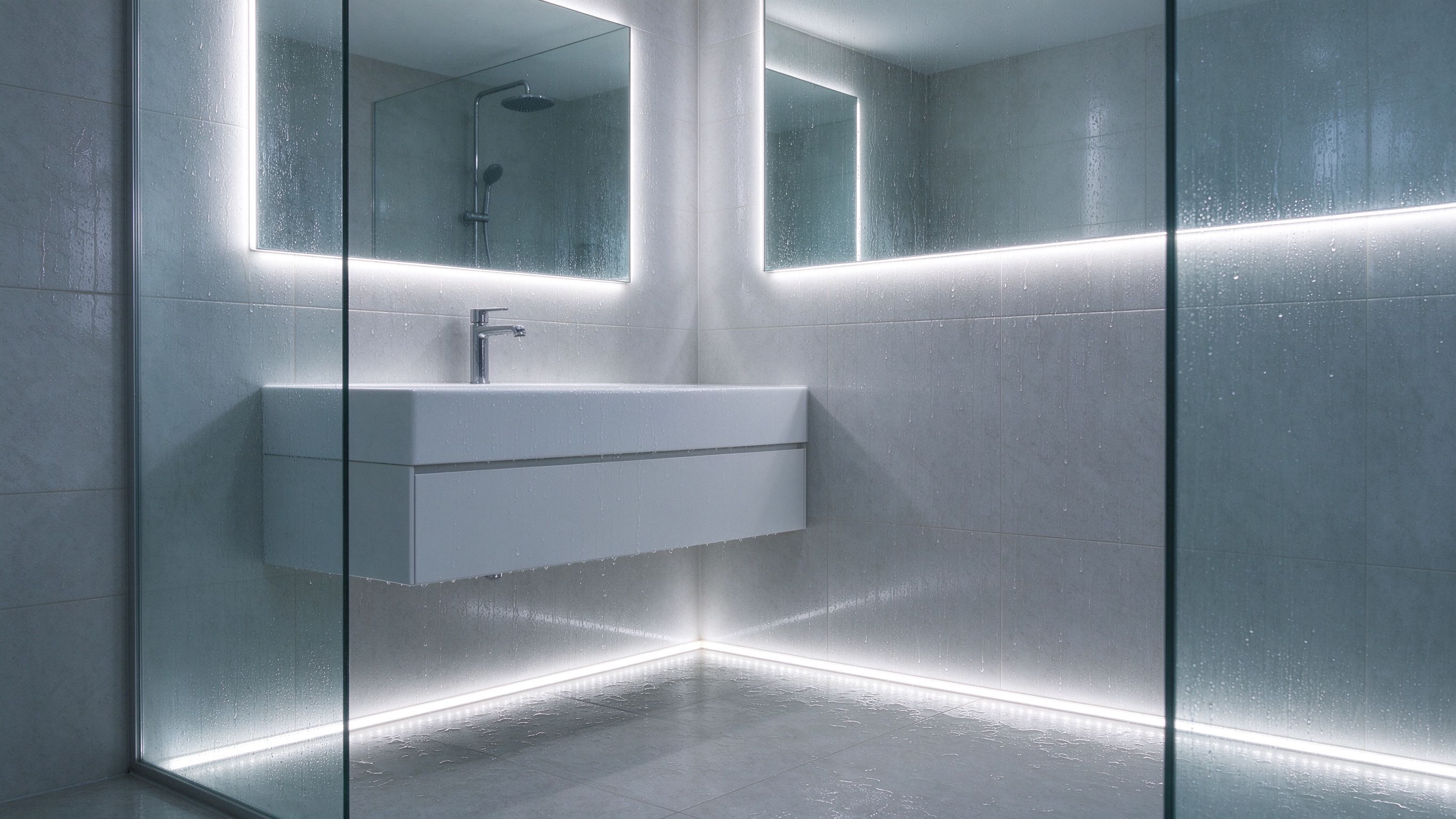
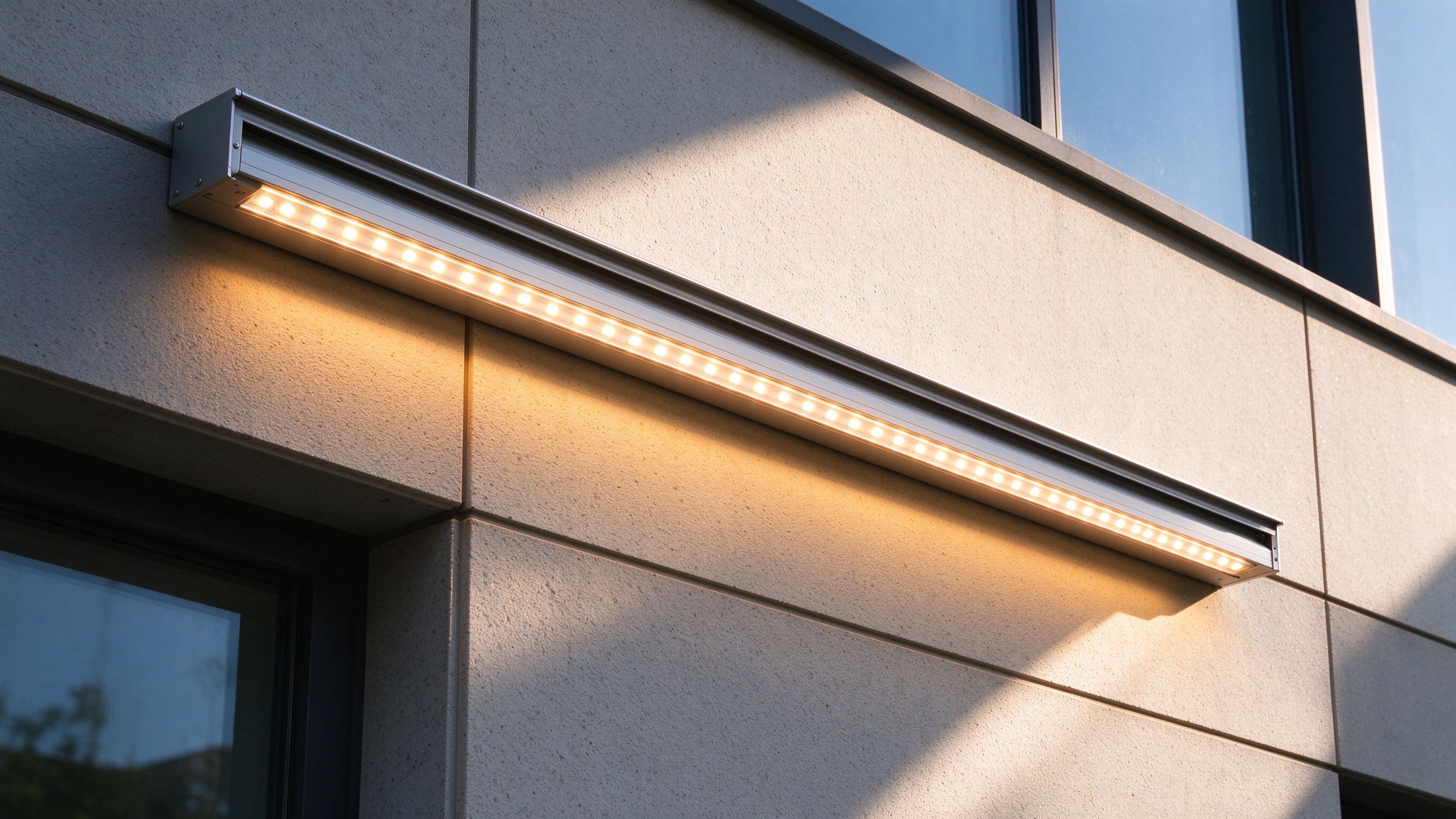
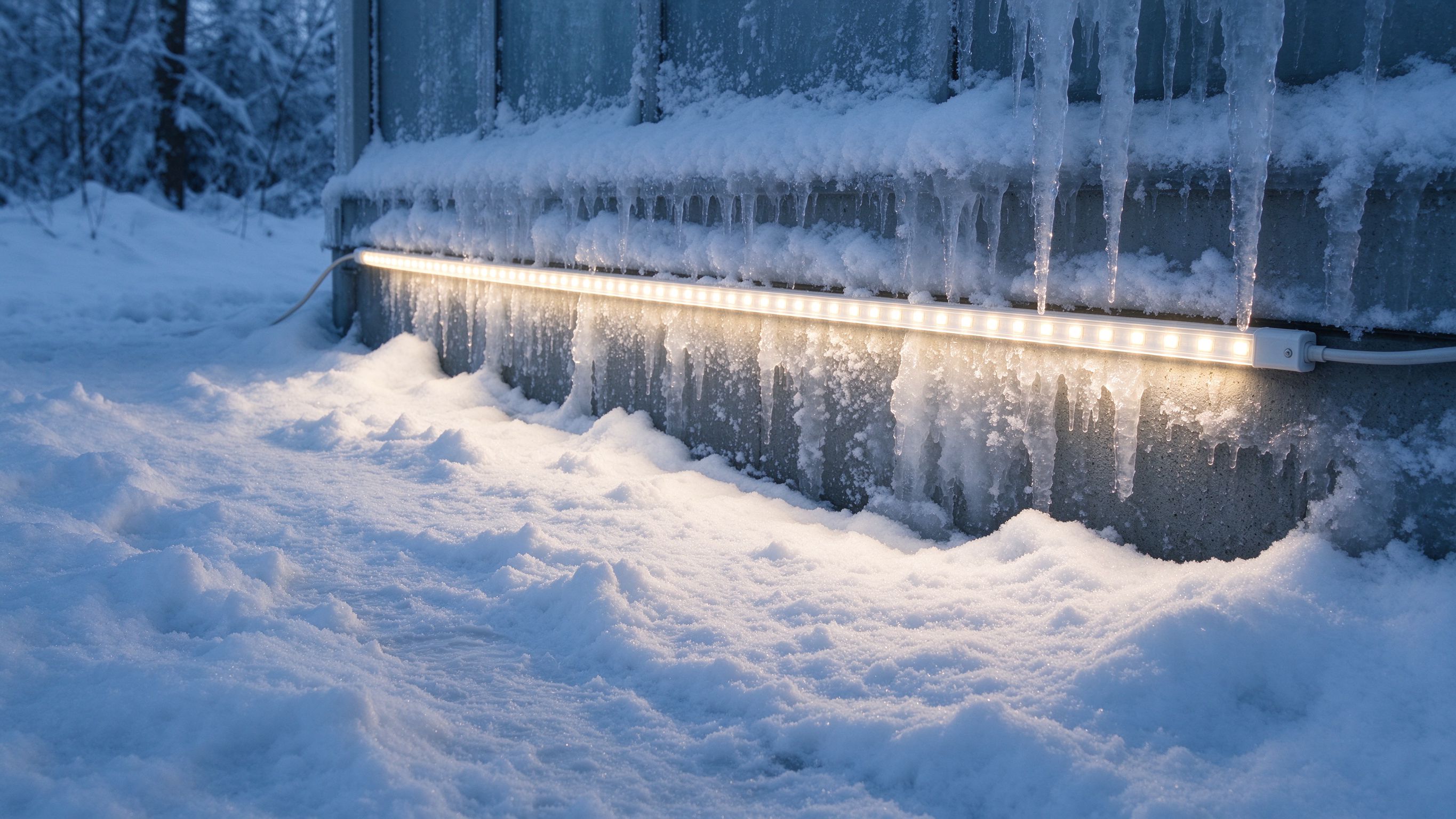
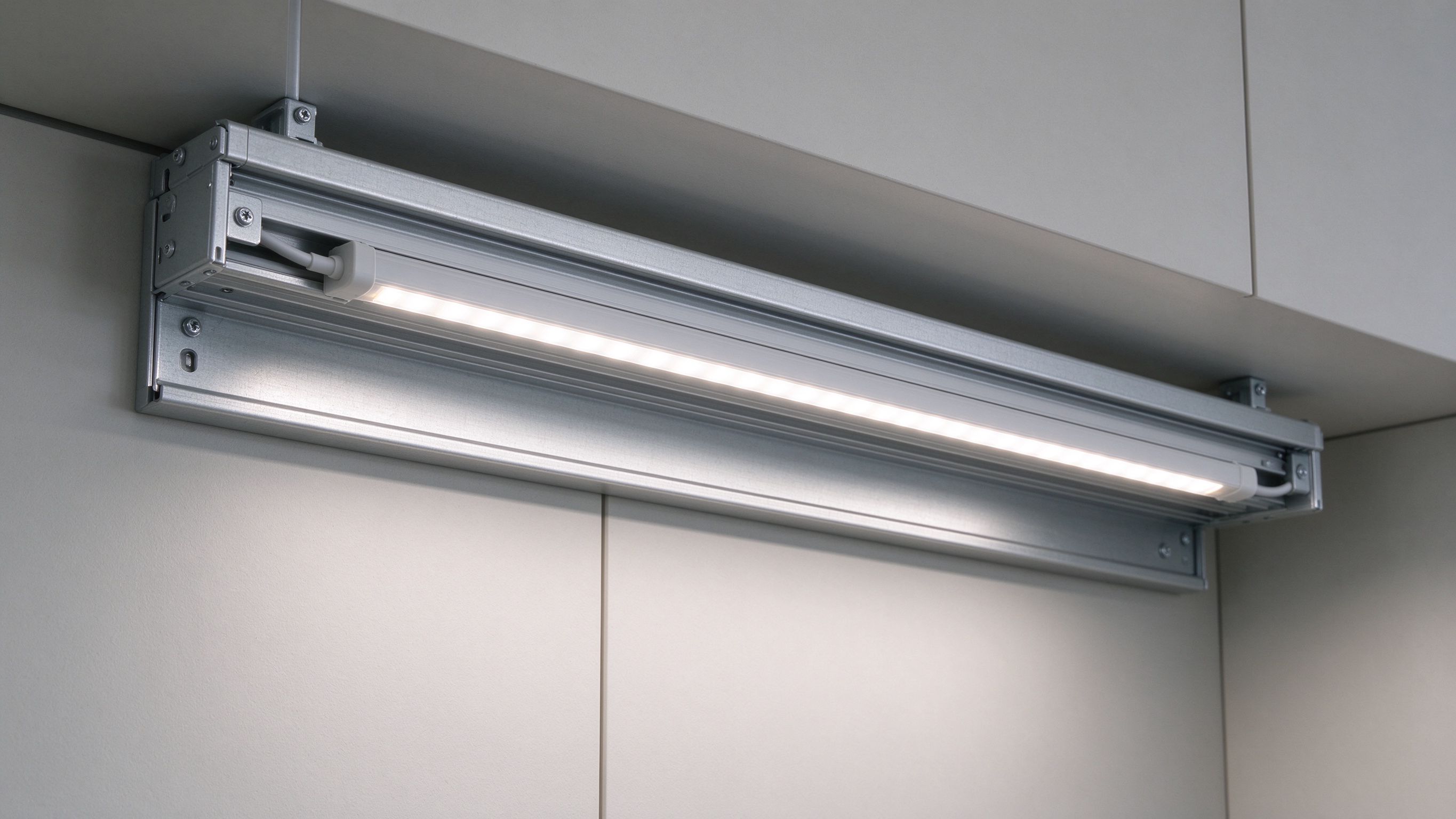
Compact showcases, museum shelves and jewellery cabinets combine narrow channels with a need for accurate colour: the merchandise has to look true to life. A slim 4mm 2216 strip with high CRI fits the tightest shelf geometry while rendering colours faithfully. It pairs the small footprint of a miniature strip with the colour quality that cheap narrow boards sacrifice.
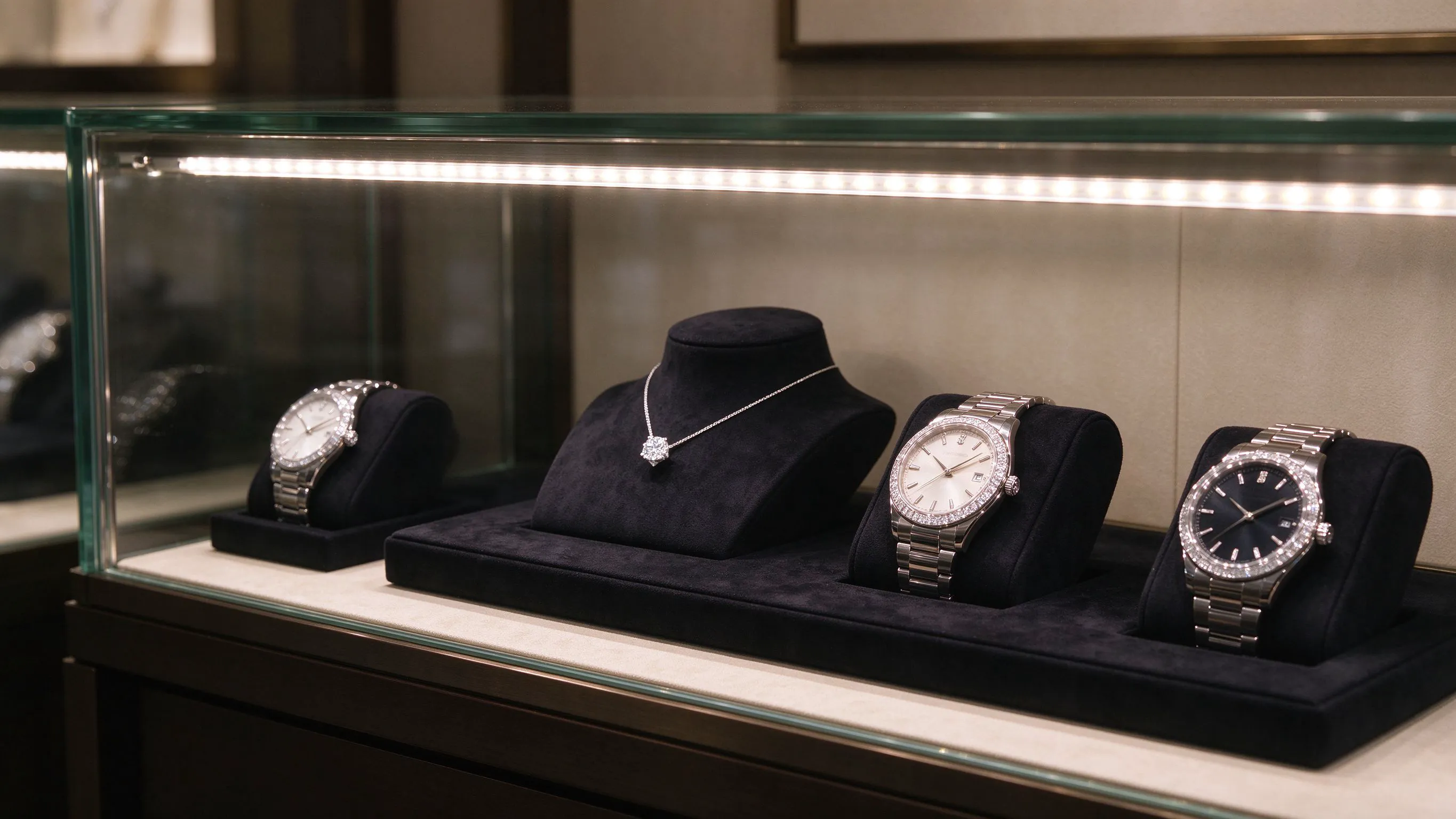
Showcases Demand Two Things at Once
Display lighting is harder than it looks because the constraints pull in opposite directions. A jewellery shelf, museum vitrine or glass cabinet offers only a few millimetres of channel for the light source, yet the whole point of the light is to make the object look accurate and desirable. A strip that fits but renders colour poorly makes gold look brassy, fabric look dull and gems look lifeless.
So the brief is genuinely twofold: a narrow enough board to disappear into the shelf, and high enough colour rendering to do justice to what is on display.
What the 4mm 2216 High-CRI Strip Offers
- Around 4mm narrow PCB that fits compact shelf and case channels.
- Small 2216 emitters suited to discreet, close-range display lighting.
- High CRI for faithful colour on merchandise and artefacts.
- Even, low-glare output at the short distances inside cases.
- Low-profile installation that hides within slim furniture.
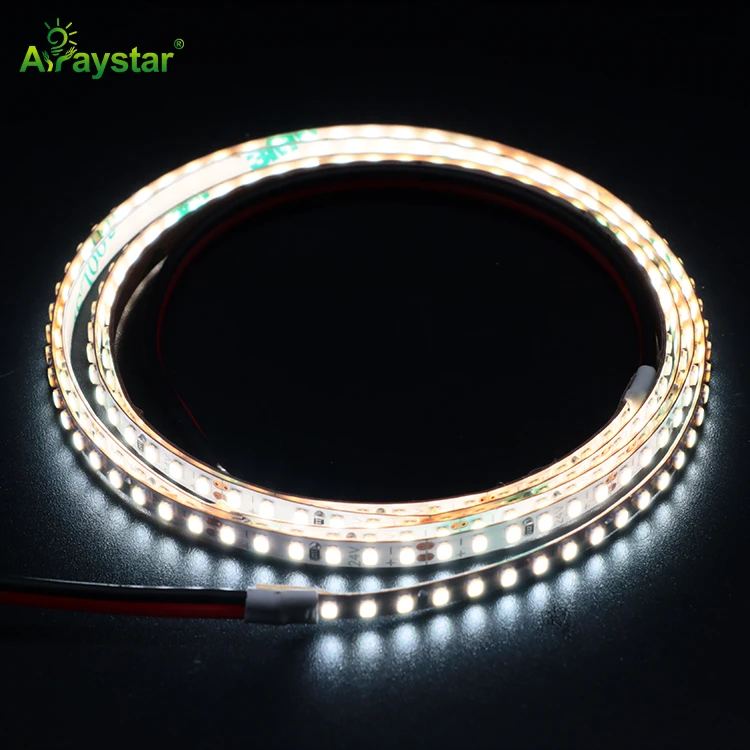
For compact showcases I use the slim 4mm 2216 high-CRI strip. It keeps the miniature footprint without accepting the poor colour that cheap narrow boards deliver.
Why CRI Matters More in a Showcase Than Anywhere
Display light is judged on colour accuracy at close range.
| Lighting factor | Why it matters in a case |
|---|---|
| High CRI (90+) | Colours, metals and fabrics render truthfully |
| Correct CCT | Warm for gold/jewellery, neutral for some products |
| Low glare | Glass reflections and eye-level viewing punish glare |
| Even coverage | No hot spots washing out small objects |
| Narrow board | Must physically fit the shelf channel |
CRI, colour rendering index, measures how faithfully a source reveals colours compared with a reference. In general lighting a CRI in the 80s is often acceptable; for jewellery, cosmetics, art and fashion, where the purchase decision depends on exact colour, I specify CRI 90 or higher.
Where Slim High-CRI 2216 Is Specified
- Jewellery and watch counters with fine shelf channels.
- Museum and gallery vitrines for artefacts and small objects.
- Cosmetics and skincare displays where colour accuracy sells.
- Glass cabinets and collectable shelves in premium retail.
- Compact furniture where only a 4mm board will fit.
Choosing Colour Temperature for the Merchandise
High CRI ensures colours are faithful, but the colour temperature still has to suit the product. Warm white around 2700-3000K flatters gold, brass and traditional jewellery and creates an intimate luxury feel; neutral white around 3500-4000K suits silver, diamonds, cosmetics and contemporary goods where clarity matters. I avoid very cool white in luxury cases because it feels clinical and can deaden warm materials. Where a cabinet mixes products, a neutral high-CRI point is usually the safest single choice.
Controlling Glare and Reflections in Glass
A showcase is full of glass and reflective surfaces, so glare control is as important as colour. I mount the strip out of the direct sightline, often along the case frame or a concealed shelf edge, angle it toward the object rather than the viewer, and use shallow diffusers or shielding trims to stop the source reflecting in the glass. Small low-output 2216 emitters help here: at close range a gentle, even wash flatters an object far more than a bright bare line that creates reflections.
- Hide the source from standing and seated viewing angles.
- Angle light onto the object, not toward the glass or the viewer.
- Use shielding or diffusers to kill reflected bright spots.
- Keep output even and modest; showcases are not rooms to flood.
Power, Heat and Protecting Sensitive Objects
Museum and premium cases often contain heat- or light-sensitive items, so I favour modest wattage, good thermal mounting and, where required, attention to UV and heat exposure; LED already emits very little UV and infrared compared with halogen, which is why it replaced halogen in cases. I run drivers remotely or in ventilated furniture zones rather than inside sealed cases, keep runs within feed guidance on the narrow board, and specify dimming so curators can tune light to the object.
Specifying Showcase Lighting
Send the case dimensions and channel width, the merchandise or artefact type, preferred colour temperature, viewing angles and any conservation requirements. I will confirm the 4mm high-CRI 2216 strip, CCT and CRI choice, mounting and shielding for glare, and dimming. We supply the slim high-CRI 2216 and strongly recommend lighting an actual sample of the product in the real case before fit-out, because colour and reflections can only be judged against the genuine materials and glass.
A Jewellery Counter Trial That Changed the Spec
A jeweller originally specified a cool, bright showcase light because it produced the highest lux figure on paper and felt 'modern' in the showroom plan. We mocked up one counter with the 4mm high-CRI 2216 in two colour temperatures, a warm 3000K and a neutral 4000K, and placed the client's actual gold, diamond and coloured-gemstone pieces inside for an afternoon of comparison.
The result overturned the paperwork. Under the cooler high-lux light the gold looked pale and slightly brassy and the warm-toned gemstones lost depth, while the diamonds, though sparkly, sat in a case that felt clinical rather than luxurious. Under the high-CRI 3000K the gold read rich and true, the coloured stones saturated correctly, and the diamonds still had enough neutral content in the beam to sparkle. The client chose warm high-CRI for the gold and gemstone counters and reserved the neutral 4000K for a small silver and watch section. Equally important, the 4mm board disappeared into the existing shelf channels, so no cabinetry had to be modified, and the small 2216 sources with shielding trim eliminated the glass reflections that an earlier high-output prototype had thrown across the cases. The lesson I take into every showcase project is that lux numbers do not sell jewellery; faithful colour and controlled reflections do, and both can only be judged by lighting the real merchandise in the real glass. We now insist on a two-temperature mock counter as a standard step rather than trusting an architect's blanket cool-white specification.
Recommended Products
Frequently Asked Questions
Why use a high-CRI 4mm 2216 strip in showcases?
Compact cases only have room for a narrow board, but the merchandise must still render accurately. The 4mm 2216 fits the tight shelf channel while high CRI (90+) reveals colours, metals and fabrics faithfully, so jewellery, cosmetics, art and collectables look true rather than dull, brassy or washed out.
What CRI do I need for jewellery or museum lighting?
General lighting often accepts CRI in the 80s, but for jewellery, cosmetics, art and fashion where purchase or appreciation depends on exact colour, specify CRI 90 or higher. High CRI keeps gold from looking brassy and fabrics and gems from looking dull under the case light.
What colour temperature is best for display cases?
Warm white around 2700-3000K flatters gold, brass and traditional jewellery with an intimate luxury feel; neutral white around 3500-4000K suits silver, diamonds, cosmetics and contemporary goods needing clarity. Avoid very cool white in luxury cases, and for mixed merchandise a neutral high-CRI point is the safest default.
How do I stop LED reflections in glass display cases?
Mount the strip out of the direct sightline along the frame or a concealed shelf edge, angle it onto the object rather than toward the viewer or glass, and use shallow diffusers or shielding trim. Keep output modest and even; small 2216 emitters at close range give a flattering wash without the bright bare line that reflects in glass.
Are LED strips safe for heat-sensitive museum objects?
LED emits very little UV and infrared compared with the halogen lighting it replaced in cases, making it far safer for sensitive items, but still use modest wattage, good thermal mounting, remotely located or ventilated drivers rather than sealed-in-case supplies, and dimming so light levels can be tuned to conservation requirements.
Need help with your LED project?
Get factory-direct pricing, free samples and engineering support within 24 hours.
Email: info@arraystarled.com | Phone: +86-0755-2103-6746 | WhatsApp: 0086 1581 8514 077
Need to size your power supply? Use our LED Strip Power Calculator to find the right driver in seconds.