Aluminum Channel Diffusers: Opal vs Clear vs Prismatic Covers
- 2026-09-19 13:17
- /
- Arraystar
The aluminum channel and diffuser are not afterthoughts — they are the heat sink, the glare control and the finished appearance. Choose the channel by thermal mass, width/depth and mounting (surface, recessed, corner, pendant, plaster-in), and the diffuser by the effect you need: opal/frosted for dot-free seamless light, clear for maximum output with visible dots, prismatic/louvre for beam control and low glare. Deeper channels with wider opal covers hide LEDs best; adequate aluminum keeps the strip cool and extends life.
What the Channel and Diffuser Do
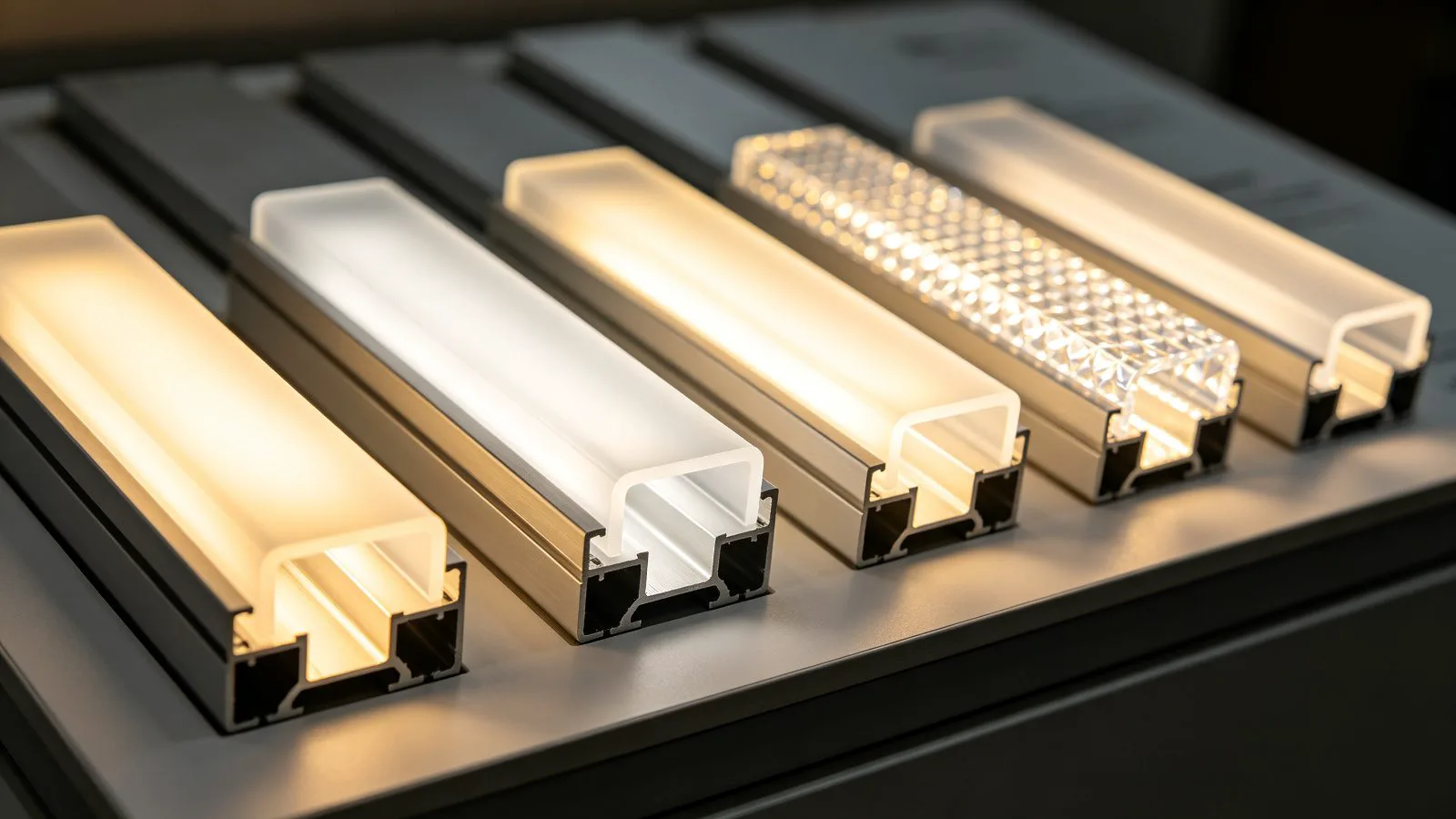
An aluminum extrusion channel performs three jobs at once: it is a heat sink that conducts heat away from the strip PCB (directly affecting lifetime), a mounting and protection system that gives a clean linear fixture and shields the strip from dust, contact and damage, and a housing for the diffuser/cover that determines the visual result. The diffuser in turn controls whether individual LEDs are visible (the ‘dot effect’), how much light transmits, how glare is managed and the beam shape. Choosing strip without designing the channel/cover combination is the most common reason a linear installation looks dotted, cheap or overheats.
- Thermal: more aluminum mass = cooler strip = longer L80 life.
- Optical: channel depth and diffuser type determine dot-free uniformity.
- Mechanical: mounting style defines how the line integrates with architecture.
- Protection: IP-rated/covered channels shield strip in dusty/damp areas.
- Aesthetic: cover finish sets the visible fixture look, on or off.
Diffuser Types: Opal, Clear, Prismatic
Diffuser comparison
| Diffuser | Transmission / look | Best use |
|---|---|---|
| Opal / frosted (milky) | Lower transmission, fully diffuse | Dot-free seamless lines, coves, glare control |
| Semi-frosted / translucent | Medium, soft dots at close view | Balanced output and some diffusion |
| Clear / transparent | Highest transmission, LEDs visible | Maximum output, hidden/deep mounts, downlight |
| Prismatic / micro-lens | Controlled spread, reduced glare | Offices/task, beam shaping, low UGR |
| Louvre / baffle | Cut-off, anti-glare | High-glare environments, displays |
| Black / tinted | Low surface brightness | Decorative, discreet when off |
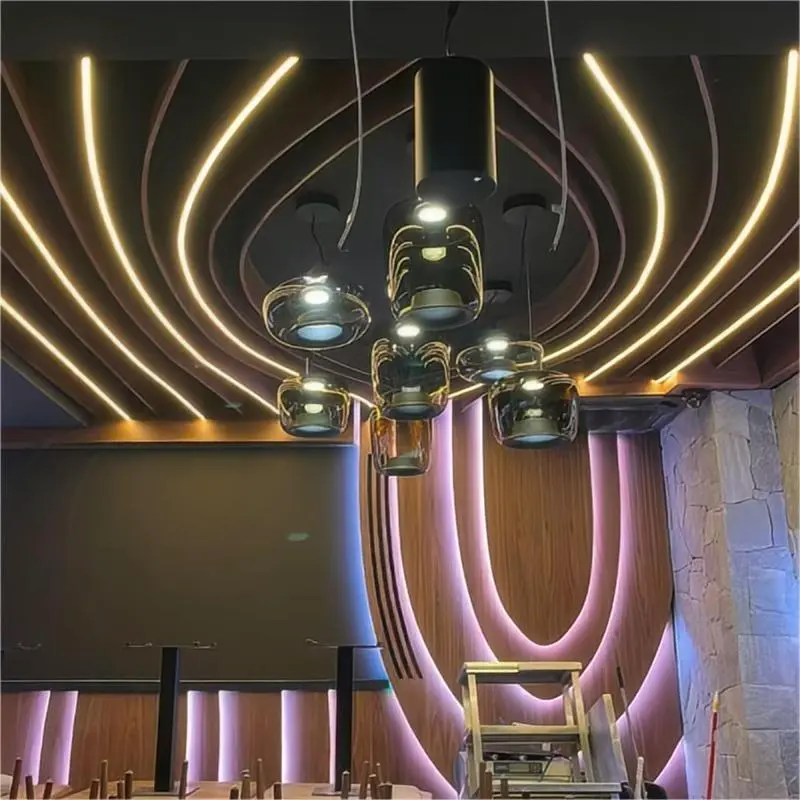
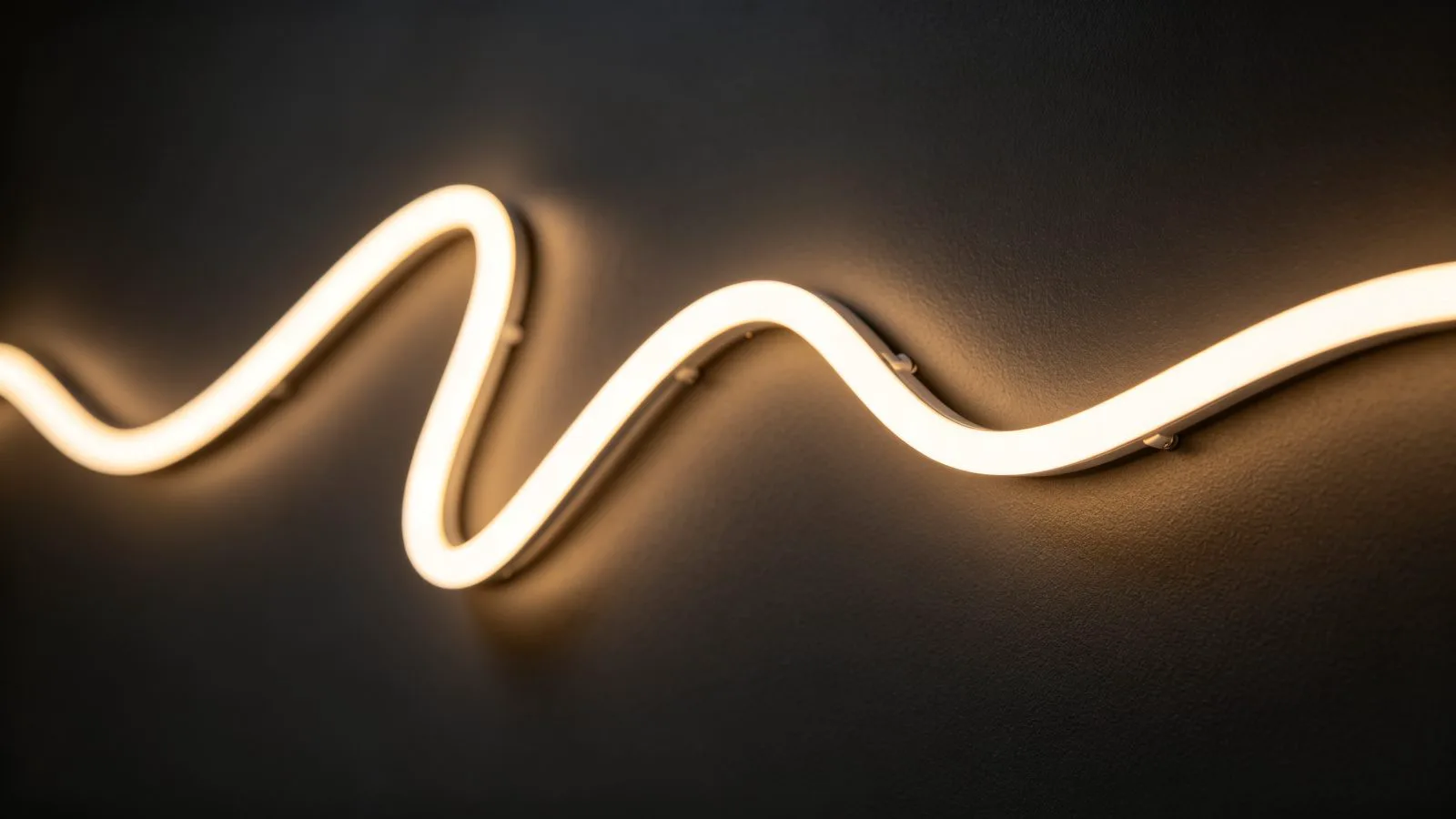
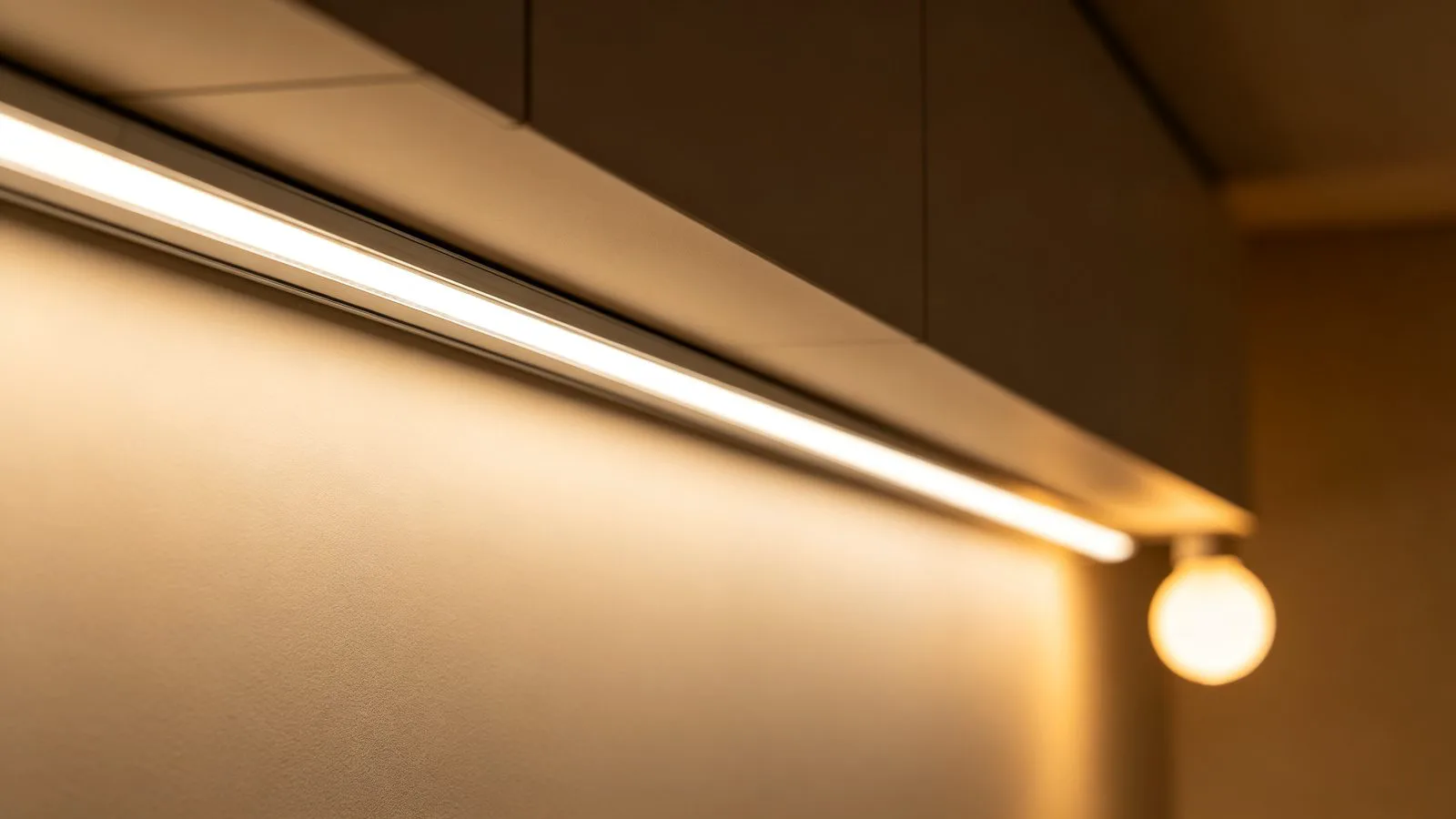
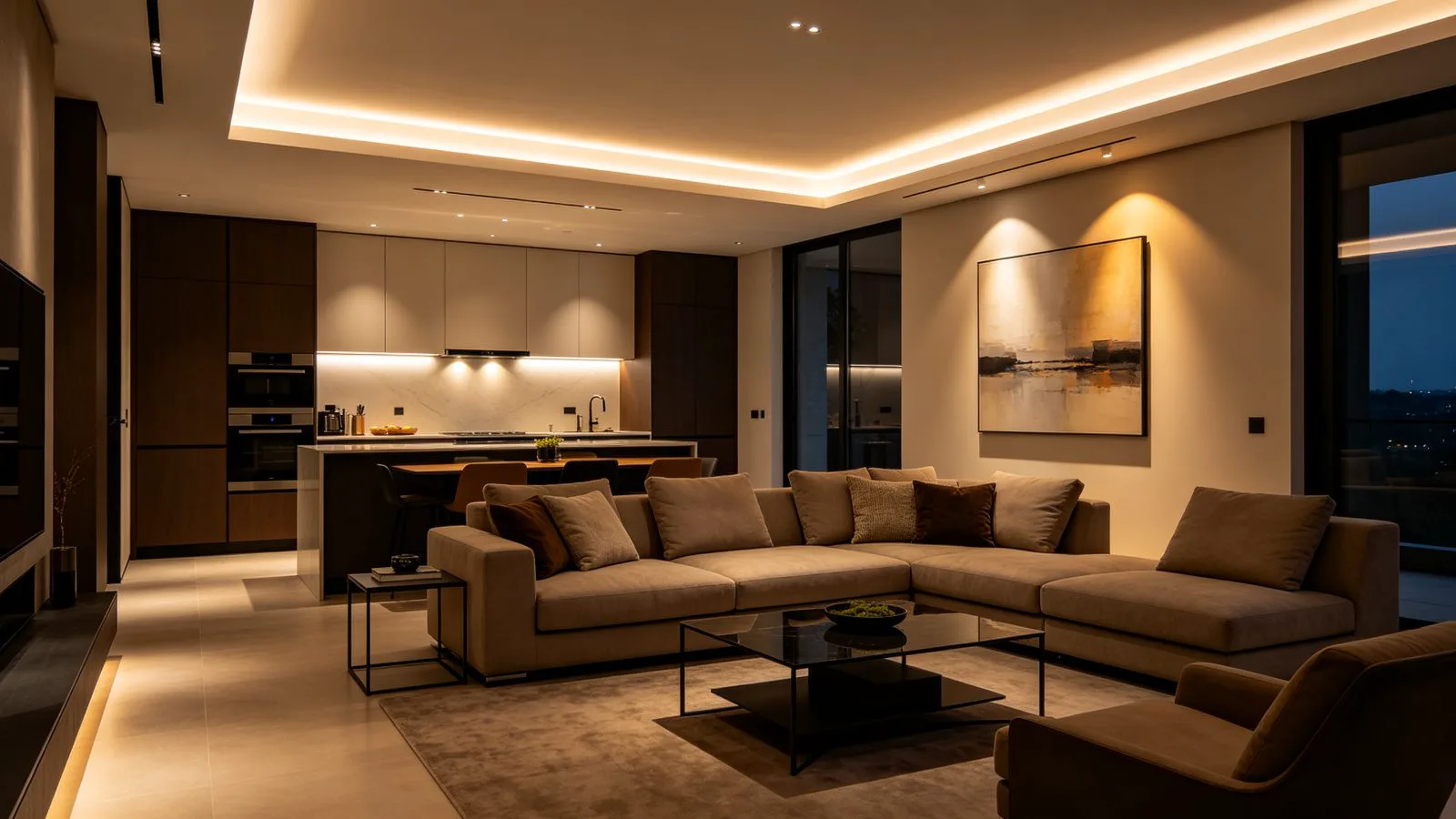
For the seamless dot-free look most architectural coves and feature lines want, choose an opal/frosted diffuser in a sufficiently deep/wide channel. The rule for hiding dots is a combination of LED pitch (LEDs per metre), distance from LED to cover and diffuser density: dense COB hides dots almost regardless, while lower-density SMD needs a deeper cavity and opal cover. Clear covers maximise lumens but show dots and glare and suit hidden indirect coves or downlight slots where the cover is not viewed directly.
Selecting the Channel Geometry
- Surface-mounted: simplest retrofit, visible slim line on walls/ceilings/furniture.
- Recessed/mortised: flush into joinery or plaster for a clean integrated slot.
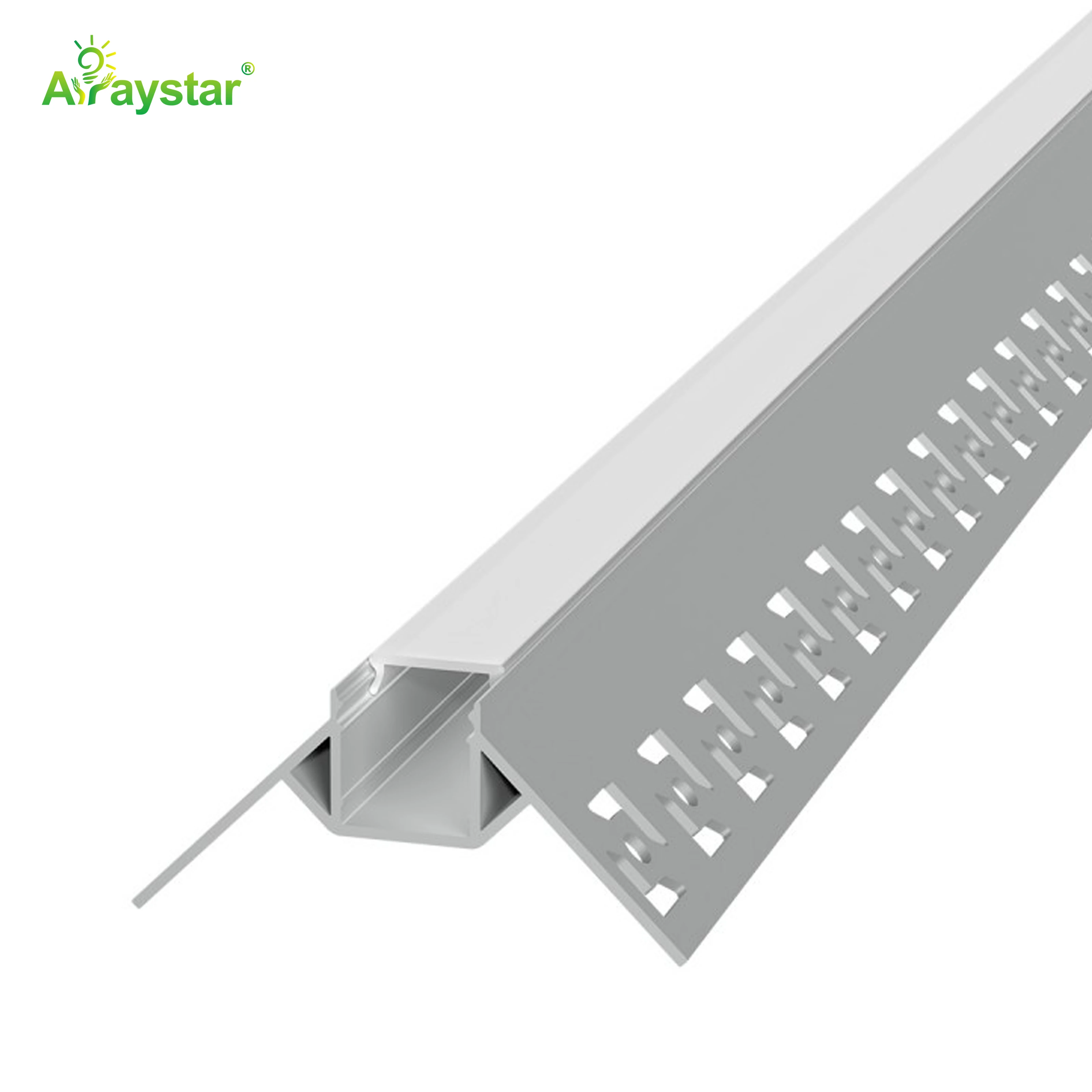
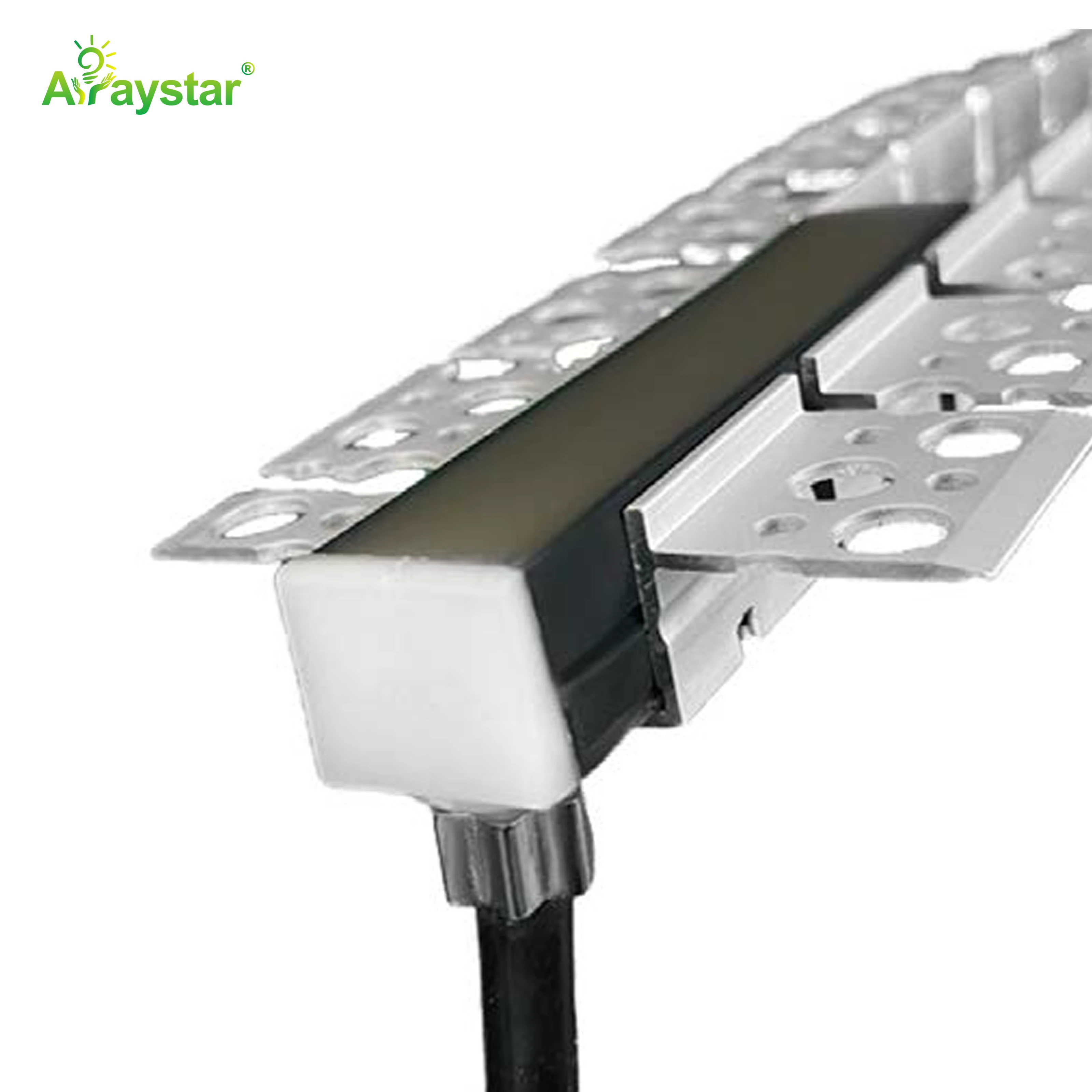
- Plaster-in / trimless: mud-in extrusions for seamless drywall shadow gaps and coves.
- Corner/angle (45/90°): ceiling-wall junctions, under-cabinet and display cases.
- Pendant/suspended: hanging linear fixtures with deeper thermal mass for offices/retail.
- Wide/deep profiles: for high-density or multi-row strip and best dot-hiding; verify internal width fits the strip and any heat-shrink/connectors.
- IP-rated/covered profiles with gaskets for bathrooms, kitchens, dusty or outdoor interior use.
Matching channel to strip and goal
| Goal | Channel/cover choice |
|---|---|
| Seamless dot-free line | Deep/wide channel + opal, or COB strip |
| Maximum brightness | Adequate aluminum + clear, indirect mount |
| Low-glare office/task | Deep profile + prismatic/louvre, UGR control |
| Tight furniture detail | Slim recessed channel + dense COB |
| Plaster shadow gap | Trimless plaster-in extrusion |
| Long high-power run | Wide/pendant profile for thermal mass |
Thermal, Assembly and Specification Tips
- Treat the channel as the heat sink: high-wattage strip needs adequate aluminum and sometimes thermal pad; do not trap dense strip in small unventilated profiles.
- Confirm internal dimensions fit strip width, solder joints, connectors and wire exits before ordering.
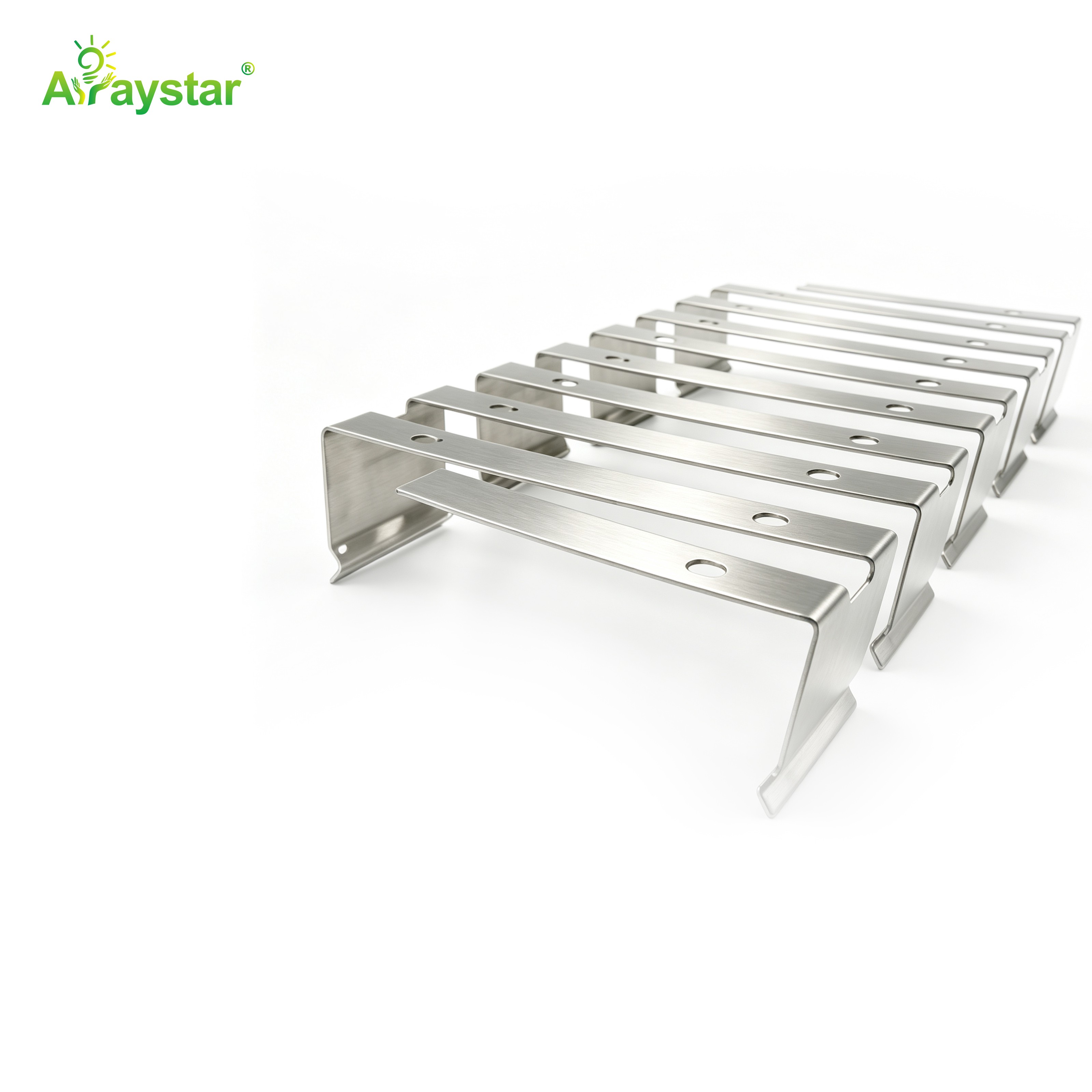
- Use matching end caps, mounting clips/brackets and (where needed) suspension kits; check cover retention for ceiling mounts.
- Choose anodised/powder-coated finish (silver, black, white) to suit the aesthetic and environment.
- For wet/dusty interiors specify gasketed/IP-rated covers; note enclosed channels reduce ingress but can raise temperature.
- Order a sample section with the exact strip and cover to judge dot-hiding, colour and brightness before committing to a project.
We stock a full range of surface, recessed, corner, pendant and plaster-in aluminum channels with opal, semi-frosted, clear, prismatic and black diffusers, plus end caps, clips and suspension kits, and we match them to our strip for thermal and dot-free performance. Send us your strip model, mounting surface and desired look and we will recommend the channel/cover combination, with a sample section to approve.
Recommended Products
Frequently Asked Questions
Which LED channel diffuser gives a seamless dot-free line?
An opal (milky/frosted) diffuser in a sufficiently deep or wide channel gives the most seamless result, because it spreads light and increases the optical distance from the LEDs. Dense COB strip hides dots almost regardless of cover; lower-density SMD needs a deeper cavity plus opal. Clear covers transmit the most light but show individual LEDs and glare.
Do LED strips need an aluminum channel?
For any permanent or moderate/high-wattage installation, yes or strongly recommended: the channel acts as the heat sink that keeps the strip cool and extends life, provides clean mounting and protection and holds the diffuser that controls glare and dots. Short, low-power, accessible accent runs may work without one, but commercial, long or enclosed installs should always use adequate aluminum.
Opal or clear diffuser - which transmits more light?
Clear/transparent covers transmit the most light but leave LEDs visible as dots and produce glare, suiting hidden indirect coves or downlight slots. Opal diffusers sacrifice some transmission (the exact loss depends on density) for smooth, dot-free, low-glare light that is preferred for visible architectural lines. Semi-frosted is the middle ground.
How do I stop seeing individual LED dots?
Combine denser LED spacing (more LEDs/metre or COB), greater distance between the LEDs and the cover (deeper channel) and a denser opal diffuser. These three factors set the ‘blending distance’; a sample section built with the exact strip, channel and cover is the reliable way to confirm dots disappear at your viewing distance.
What channel profile do I need for high-power strip?
Use a wide or deep (often pendant/surface) aluminum profile with enough thermal mass, and a thermal pad if needed, rather than a slim recessed channel; avoid enclosing dense high-wattage strip in small unventilated profiles, which overheat and shorten life. Check internal width for the strip and connectors and confirm cover retention for ceiling mounting.
Choosing channels and diffusers for a project?
We supply surface, recessed, corner, pendant and plaster-in aluminum channels with opal, clear, prismatic and black covers plus accessories, matched to our strip for thermal and dot-free results. Send the strip model, mounting surface and desired look for a recommendation and sample.
Email: info@arraystarled.com | Phone: +86-0755-2103-6746 | WhatsApp: 0086 1581 8514 077
Need to size your power supply? Use our LED Strip Power Calculator to find the right driver in seconds.