
LED Strip Lighting for Antique Shops: Warm, High-CRI Display Setup
- 2026-10-15 14:34
- /
- Arraystar LED
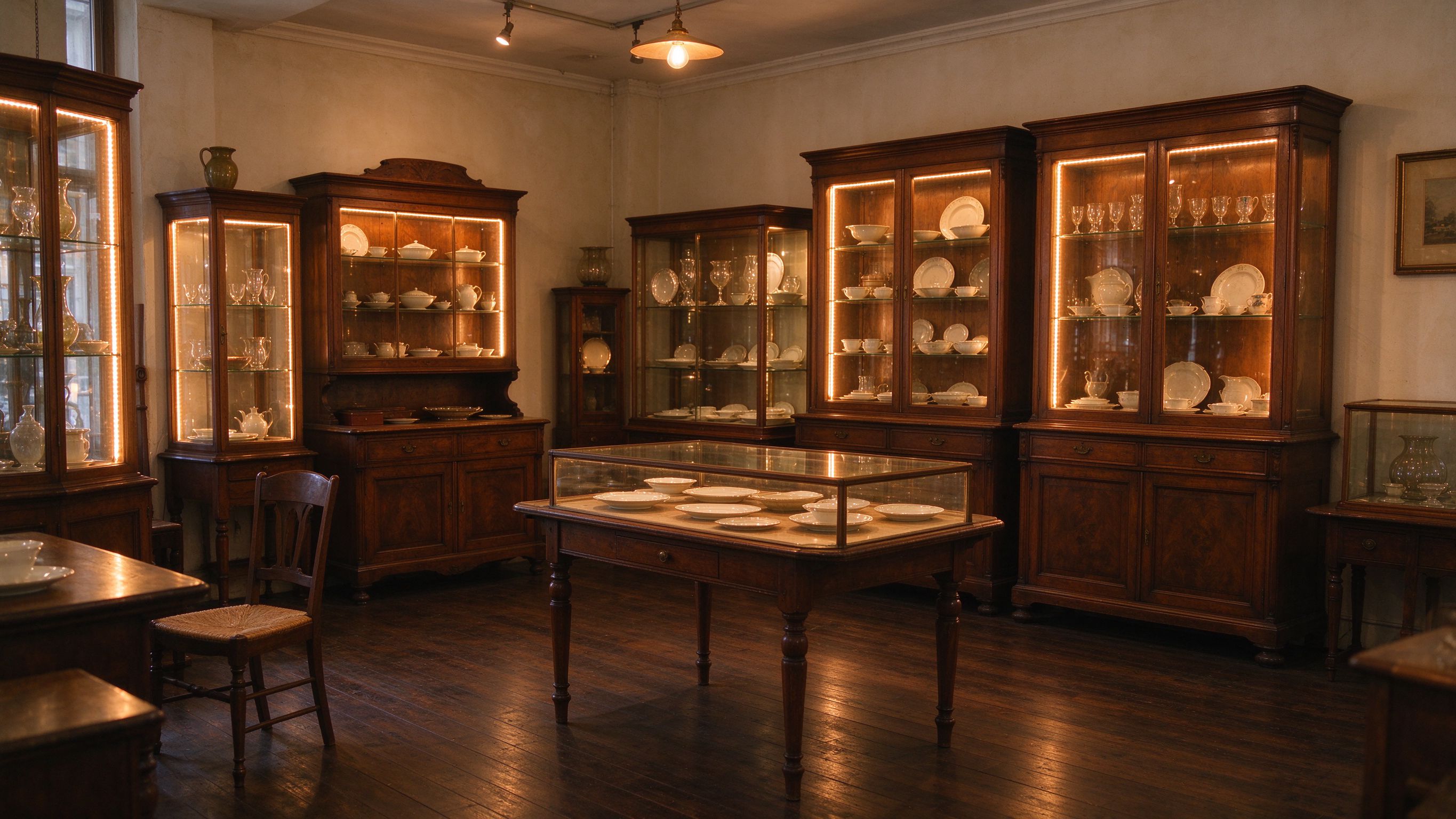
Antiques sell on texture and patina - the grain of old wood, the warmth of brass, the surface of a ceramic - and harsh cool light flattens all of that and makes a shop feel like a warehouse. I use warm, high-CRI strips that bring out the real character of pieces, with accent lighting on display furniture and shelves, because the right light makes an old object feel valuable and worth taking home.
Why Warm, High-CRI Light Suits Antiques
Old furniture, metalware, paintings and textiles carry subtle color and texture that only read under accurate, warm light. High CRI keeps wood tones, aged brass and faded fabrics true, while a warm temperature around 2700-3000K flatters patina rather than washing it out.
Cool, high-CCT light is the usual mistake - it makes an antique shop feel clinical and hides the very warmth customers are buying. I match the light to the era and material of the stock so pieces look their best and most authentic.
Lighting Display Furniture, Cabinets and Shelves
Much of an antique shop's stock sits in old display cabinets, on dressers and along wall shelves. I add slim warm strips inside glass-front cabinets and along shelf edges to light pieces that would otherwise sit in the shadow of the cabinet frame.
Cover these display points:
- Slim strips inside glass cabinets to light small objects and glassware.
- Warm shelf-edge strips that reveal wood grain and patina.
- Accent light on hero furniture pieces in the window and centre floor.
- Diffused sources so old glass doesn't throw harsh reflections.
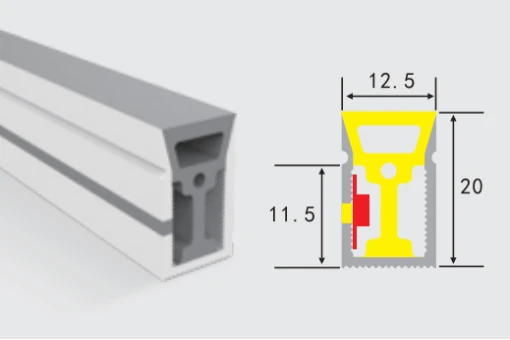
Accent Light on Hero Pieces and the Window
A standout piece - a large wardrobe, a statement table, a good clock - deserves its own accent light that draws the eye, much like gallery lighting but warmer. I position adjustable spots or strips to model the piece's form and surface.
The shop window is where passing trade is won, so a well-lit hero arrangement against the darker street pulls people in. Warm light here reads as inviting and curated, and the window can stay slightly brighter than the floor while keeping the same warm tone.
Handling Fragile Stock and Changing Layouts
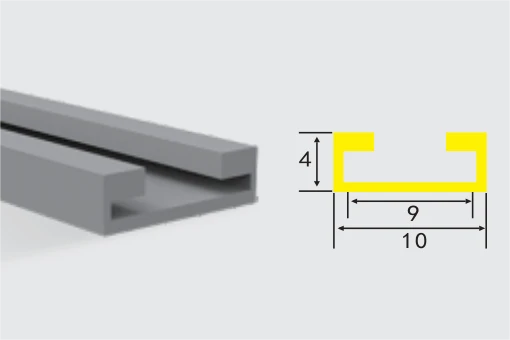
Antique layouts shift constantly as pieces sell and new stock arrives, so I keep lighting flexible with movable accents and accessible connections rather than fixed to one spot. Heat matters too - LEDs are the right choice over old paintings and delicate pieces because they add almost no heat or UV.
Low-wattage strips in cabinets keep small objects lit without heating a sealed glass case, and avoiding bright hot fixtures protects fragile stock. Flexible, low-heat light suits a trade where the inventory is always changing and often delicate.
Drivers, Warmth and Keeping the Shop Inviting
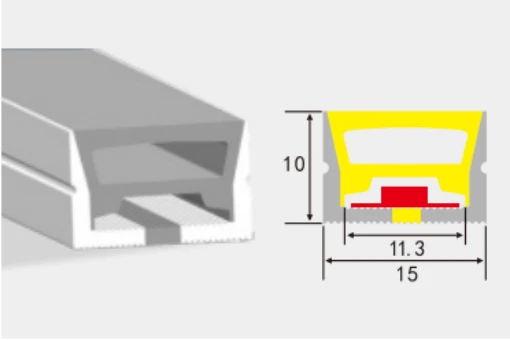
Use warm dimmable strips on low-ripple drivers so the shop can brighten for browsing and soften for a quieter feel, with the window and cabinet zones on their own controls. Keep drivers accessible and away from the oldest, dustiest displays.
Get the color warm, the color rendering high and the accent light onto the best pieces, and the shop feels like a curated collection rather than a jumble. Good lighting quite literally adds the perceived value that makes antique customers comfortable buying.
Recommended Products
Frequently Asked Questions
What color temperature is best for an antique shop?
Warm, around 2700-3000K, to flatter the patina, wood grain and aged metal that customers are buying. Cool light makes the shop feel clinical and hides the warmth of old pieces, so it's worth avoiding even if it looks bright.
What CRI do antique displays need?
High CRI, 90 or above, so wood tones, brass and faded fabrics read in their true colors. Subtle texture and aged surfaces only show properly under accurate light, which is where cheaper low-CRI strips fall flat.
How do you light glass-front antique cabinets?
With slim warm strips inside the cabinet to light small objects that otherwise sit in the frame's shadow, using low-wattage product that adds no heat to the sealed glass and diffused sources to stop reflections.
Are LED lights safe over old paintings and furniture?
Yes, LEDs add almost no heat or UV, unlike halogen, which makes them the safer choice over delicate antiques. Keep the fixtures and drivers from direct contact with fragile pieces and use low-wattage strips inside cases.
How do you light an antique shop window?
Put warm accent light on a curated hero arrangement so it stands out against the darker street, keeping the window slightly brighter than the floor but the same warm tone. A well-lit standout piece is what pulls passing trade inside.
Need help with your LED project?
Get factory-direct pricing, free samples and engineering support within 24 hours.
Email: info@arraystarled.com | Phone: +86-0755-2103-6746 | WhatsApp: 0086 1581 8514 077







