Are LED Strip Lights Safe? Fire Risk, Electrical Safety, and Best Practices
- 2026-09-09 15:47
- /
- Arraystar
Quick Answer
LED strip lights are generally very safe when installed correctly—they operate at low voltage (12V/24V), produce minimal heat, and have no fragile glass or filaments. However, potential risks include: electrical fire from overloaded power supplies or poor connections, heat buildup in enclosed spaces, and water/electricity hazards in wet areas. To ensure safety: use properly rated power supplies sized at 120% of load, don't overload circuits, use proper connectors/soldering, ensure adequate ventilation, use IP-rated strips for wet areas, and follow local electrical codes. Quality LED strips have safety certifications (CE, RoHS, FCC, UL).
LED Strip Safety Overview
LED strip lights are among the safest lighting technologies available, especially compared to traditional incandescent, halogen, and fluorescent lighting. Safety advantages: 1) Low voltage operation: Most LED strips run on 12V or 24V DC (SELV—Safety Extra Low Voltage), which is not lethal under normal conditions. 2) Low heat output: LEDs are energy efficient and produce much less heat than incandescent or halogen bulbs (which can reach 200-500°C). LED strips typically run at 40-60°C. 3) No fragile glass: LED strips are built on flexible PCB with silicone coating—no broken glass hazard. 4) No filaments or mercury: LEDs are solid-state devices with no fragile filaments or toxic mercury (unlike CFLs). 5) Instant on/off: No warm-up time, no frequent on/off degradation. However, LED strips are electrical devices and still require proper installation and use to ensure safety. The main risks come from improper installation, poor quality components, and misuse—not from the LED strips themselves.
Fire Risk Assessment
Fire risk from LED strips is low but not zero. Potential fire hazards: 1) Overloaded power supplies: Using a power supply that is too small for the total strip wattage causes it to overheat, potentially leading to fire. Always size power supply at 120% of total load (e.g., 100W load = 120W power supply). 2) Poor connections: Loose, corroded, or improperly made connections create electrical resistance, which generates heat. This is the most common cause of LED strip fires. Always solder connections or use quality connectors, and ensure tight, secure connections. 3) Heat buildup: Installing high-power LED strips in enclosed, unventilated spaces causes heat to accumulate, potentially degrading components and creating fire risk. Always use aluminum channels for heat sinking and ensure adequate ventilation. 4) Damaged strips: Puncturing, cutting, or physically damaging strips can create short circuits. Inspect strips before installation and never use damaged strips. 5) Poor quality power supplies: Cheap, no-name power supplies may lack proper protection circuits (overload, overheat, short circuit), increasing fire risk. Always use certified, quality power supplies from reputable manufacturers. 6) Covering with flammable materials: Never cover LED strips or power supplies with fabric, paper, or other flammable materials. Keep flammable materials at least 30cm away from strips and power supplies. Fire risk statistics: LED lighting is involved in far fewer fires than traditional lighting. A study by the U.S. Consumer Product Safety Commission found that LED lighting accounts for less than 1% of lighting-related fires, compared to 80%+ for incandescent and halogen.
Electrical Safety Best Practices
1) Use low voltage: Use 12V or 24V DC LED strips whenever possible, especially in homes, bathrooms, and areas accessible to children. Low voltage is not lethal under normal conditions. 2) Proper power supply sizing: Calculate total wattage of all strips, then choose a power supply rated for 120% of that total. Never run a power supply at 100% capacity continuously. 3) Don't daisy-chain excessively: Follow manufacturer recommendations for maximum strip length per power feed. For long runs, use power injection at multiple points to avoid voltage drop and overloading traces. 4) Use proper wire sizing: Use appropriately sized wires for power supply connections. Undersized wires create resistance and heat. For 12V systems, use 18AWG or thicker for runs over 2m. 5) Secure connections: Use soldering or quality connectors for all connections. Insulate all exposed wires with heat shrink tubing or electrical tape. Never leave bare wire exposed. 6) Use circuit protection: Install fuses or circuit breakers on LED circuits for additional protection. Many quality power supplies have built-in protection (overload, short circuit, overheat). 7) Follow electrical codes: Always follow local electrical codes and regulations. For permanent installations, consider hiring a licensed electrician. In many regions, only licensed electricians can perform hardwired electrical work. 8) Turn off power during installation: Always disconnect power before making connections or modifying installations. 9) Use waterproof components in wet areas: For bathrooms, kitchens, outdoors, and other wet areas, use IP65+ rated strips, waterproof connectors, and properly rated power supplies. Never use standard indoor strips in wet areas.
Heat Management and Safety
While LED strips produce less heat than traditional lighting, heat management is still important for safety and longevity. Safe operating temperatures: LED strips typically operate at 40-60°C (104-140°F) under normal conditions. This is safe to touch and won't cause burns. Power supplies may run warmer (50-70°C), which is normal but should be kept away from flammable materials. Heat management tips: 1) Use aluminum channels: Aluminum channels act as heat sinks, dissipating heat and keeping LEDs cooler. Essential for high-power strips (>14.4W/m). 2) Ensure ventilation: Don't install strips or power supplies in completely enclosed, unventilated spaces. Allow air circulation around components. 3) Don't cover with insulation: Never cover LED strips or power supplies with thermal insulation (fiberglass, foam, etc.). This traps heat and can cause overheating. 4) Mount on non-flammable surfaces: Mount strips and power supplies on metal, glass, or other non-flammable surfaces where possible. Avoid mounting directly on wood or other flammable materials without a heat barrier. 5) Monitor temperature: If strips or power supplies feel uncomfortably hot to touch (>70°C), investigate the cause—may be overloading, poor ventilation, or defective components. 6) Use dimmers: Running strips at 70-80% brightness significantly reduces heat output and extends lifespan, while still providing ample light for most applications.
Safety Certifications and Quality Indicators
When purchasing LED strips and components, look for safety certifications and quality indicators: 1) CE marking: Indicates compliance with European safety, health, and environmental standards. Required for products sold in the EU. 2) RoHS compliance: Restricts use of hazardous substances (lead, mercury, cadmium, etc.) in electronic products. 3) FCC certification: Indicates compliance with electromagnetic interference standards (for products sold in the US). 4) UL listing: Underwriters Laboratories certification—rigorous safety testing for North American market. Look for UL-listed power supplies. 5) ETL listing: Similar to UL, tested by Intertek. 6) ERP (Energy Related Products): EU energy efficiency and performance standards for lighting products. 7) LM-80/TM-21: Standardized LED lifespan testing and reporting. 8) IES files: Photometric data files for professional lighting design. Quality indicators: Name-brand LED chips (San'an, Epistar, Cree, Nichia, Lumileds), thick copper PCB (2oz+), silicone coating (not PVC) for waterproof strips, clear and detailed datasheets with test data, manufacturer warranty (2-5 years), responsive customer support, and positive reviews/testimonials. Avoid: No-name/generic strips with no certifications, unusually low prices (too good to be true), vague or missing specifications, no manufacturer information, and strips that smell strongly of chemicals (may use low-quality materials).
Safety Checklist for LED Strip Installation
| Factor | Option A | Option B |
|---|---|---|
| Brightness | Medium-High | High |
| Efficiency | Good | Excellent |
| Cost | Lower | Higher |
| Best For | General applications | Premium installations |
Recommended Products
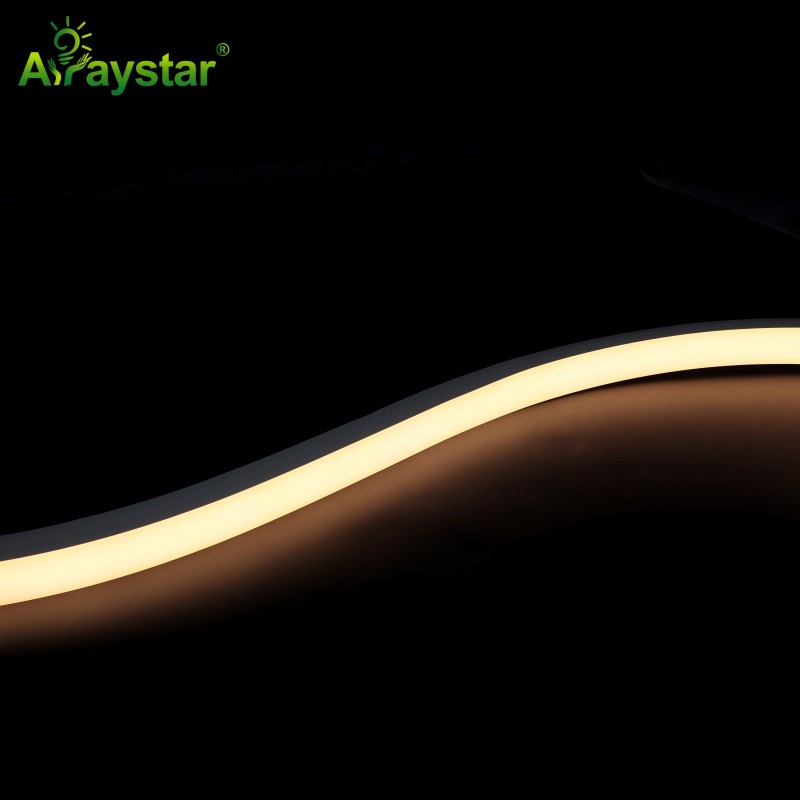
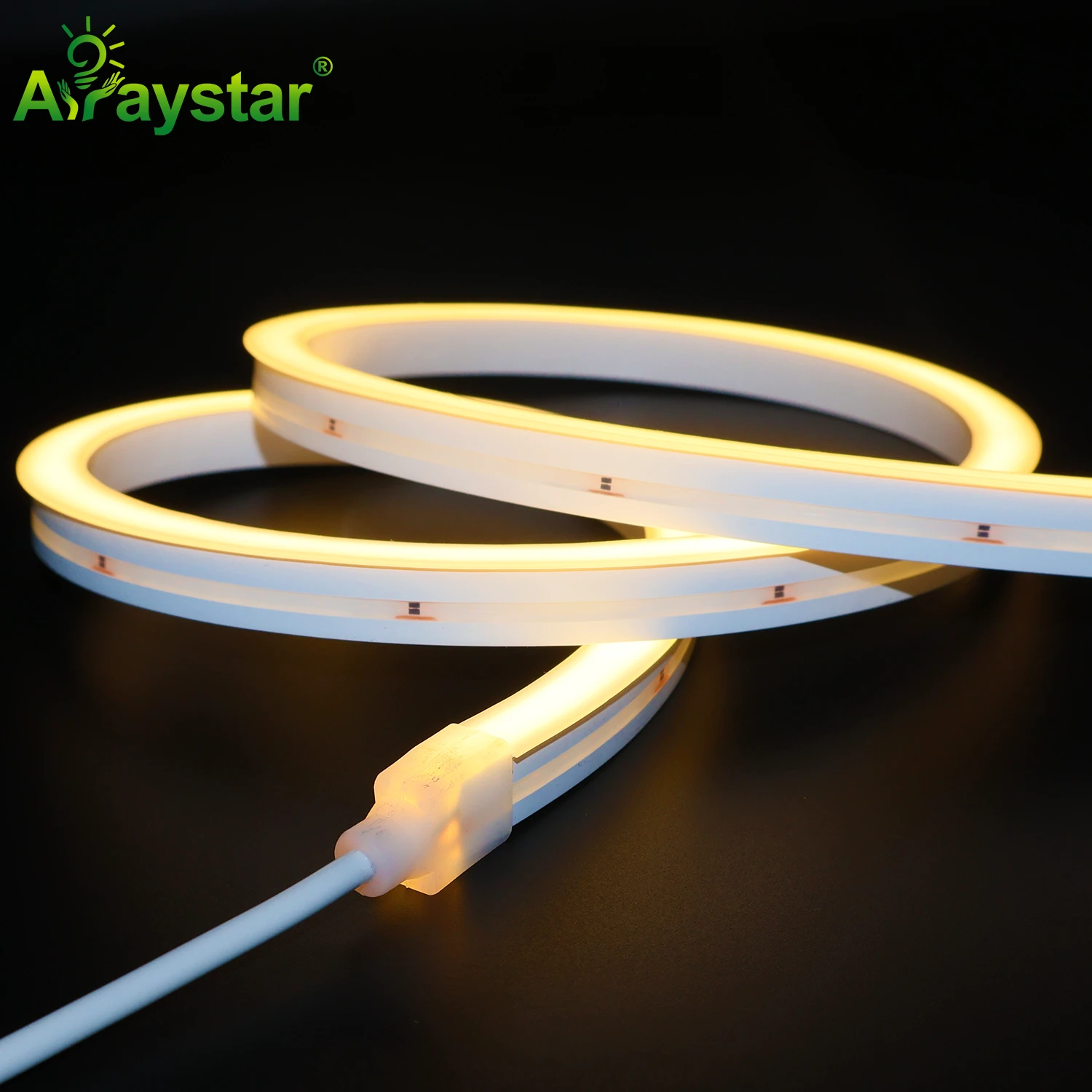
ART-0607/AL/FLEX/N Flexible Aluminum Profile for 0306 Neon Strip, Recessed Flexible LED Channel
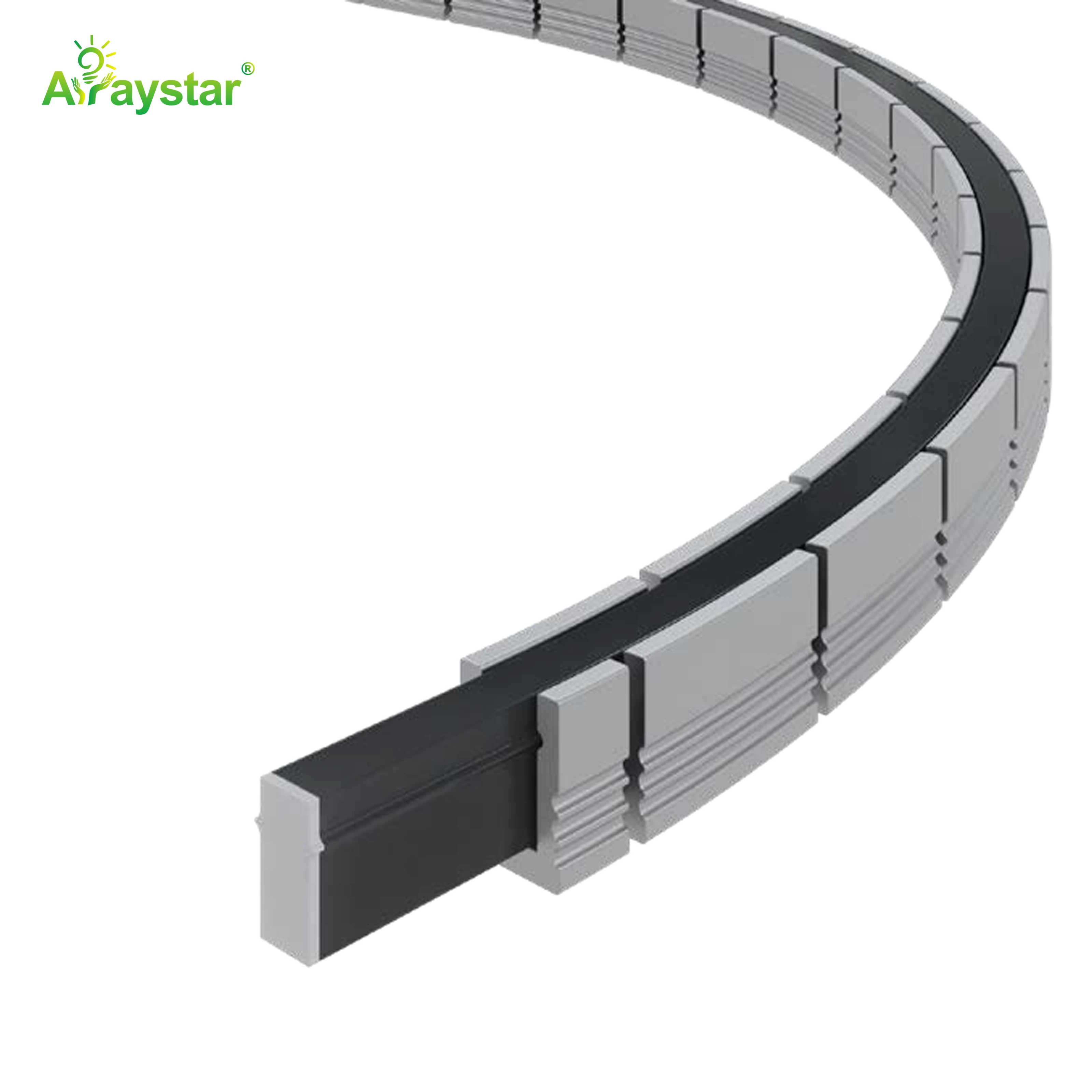
Technical Parameter Specification Details Remarks / Features Product Code ART-0607/AL/FLEX/N Model Name Application Bend it. Curve it. Shape light the way you like Product Slogan Compatibility
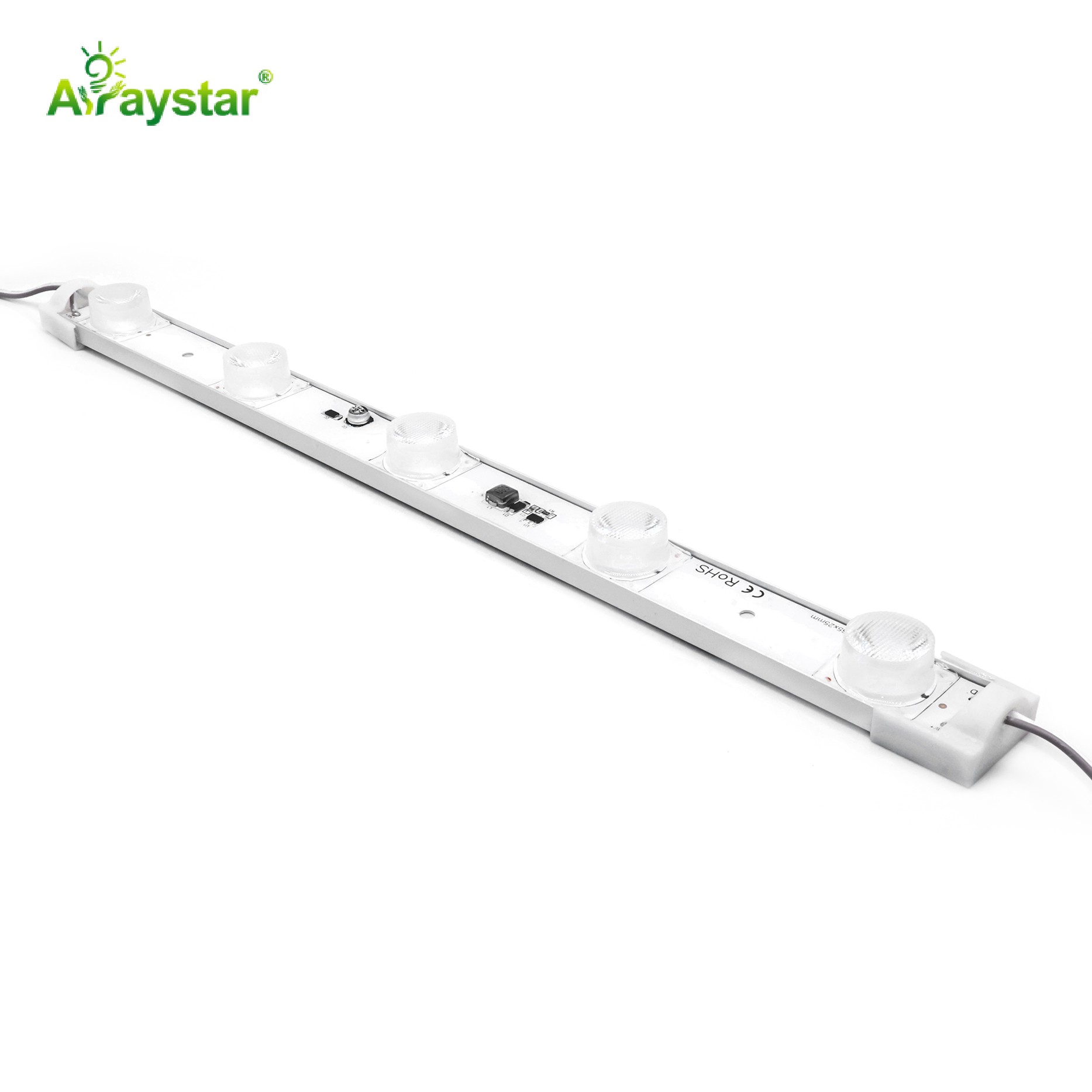
24V Constant Voltage Rigid LED Module Strip – 480×17mm (ART-FL480-CV-24)
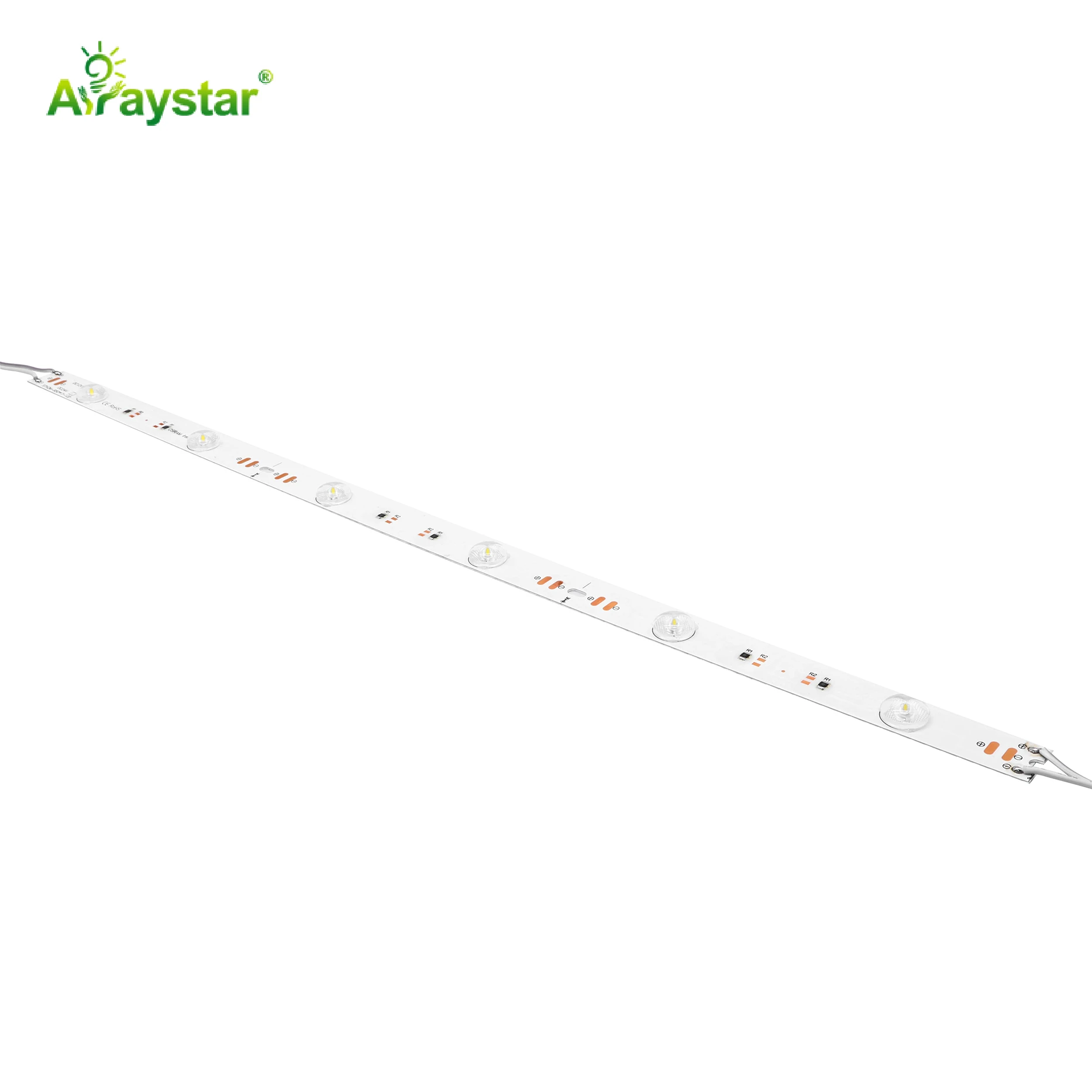
Category Parameter Specification General Model ART-FL480-CV-24 General Product Type Constant Voltage Rigid LED Module General LED Brand Osram General LED Quantity 6 LEDs/module Electrical Input
Frequently Asked Questions
Q: Do you offer OEM/ODM services for aluminum channels for neon flex?
A: Yes, Arraystar LED provides comprehensive OEM/ODM services including custom PCB design, specific LED binning, custom color temperatures, private labeling, and custom packaging. Our factory has 15+ years of experience serving clients in 80+ countries.
Q: What is the lifespan of aluminum channels for neon flex?
A: Quality aluminum channels for neon flex from Arraystar LED have a rated lifespan of 50,000+ hours (L70). Actual lifespan depends on operating temperature, current drive, and environmental conditions. We offer 3-year warranty on all products.
Q: Can aluminum channels for neon flex be cut to custom lengths?
A: Yes, most aluminum channels for neon flex can be cut at designated cut points (typically every 5cm or 10cm depending on LED density). Always cut at the marked copper pads and use proper connectors or soldering for reliable connections. COB strips offer mini-cut options with 2.5mm intervals.
Q: Are aluminum channels for neon flex dimmable?
A: Yes, aluminum channels for neon flex support multiple dimming methods including 0-10V, PWM, TRIAC, DALI, and DMX512 when used with compatible dimmers and drivers. COB strips dim especially smoothly due to their uniform light output.
Q: What power supply do I need for aluminum channels for neon flex?
A: Choose a power supply matching your strip's voltage (12V/24V/48V) with wattage at least 20% higher than total strip consumption. For example, a 5m 14.4W/m strip needs at least 72W + 20% = 86.4W, so a 100W power supply is recommended.
Conclusion
LED strip lights are generally very safe when installed correctly—they operate at low voltage (12V/24V), produce minimal heat, and have no fragile glass or filaments. However, potential risks include: electrical fire from overloaded power supplies or poor connections, heat buildup in enclosed spaces, and water/electricity hazards in wet areas. To ensure safety: use properly rated power supplies sized at 120% of load, don't overload circuits, use proper connectors/soldering, ensure adequate ventilation, use IP-rated strips for wet areas, and follow local electrical codes. Quality LED strips have safety certifications (CE, RoHS, FCC, UL). Arraystar LED offers 15+ years of LED strip manufacturing experience with full OEM/ODM capabilities, CE/RoHS/ERP certification, and 3-year warranty. Contact our team for a free consultation and custom quote for your project.
Ready to start your project? Contact us today for expert guidance and competitive pricing.
About the Manufacturer
ArrayStar LED is a professional LED strip manufacturer in Shenzhen, China since 2010, serving 80+ countries. We support custom OEM/ODM projects (custom CCT, CRI, PCB, logo, packaging) and wholesale supply for distributors and contractors worldwide.