
LED Strip Lighting for Auto Repair Shop Bays: High-Output Work Light Layout
- 2026-10-15 14:34
- /
- Arraystar LED
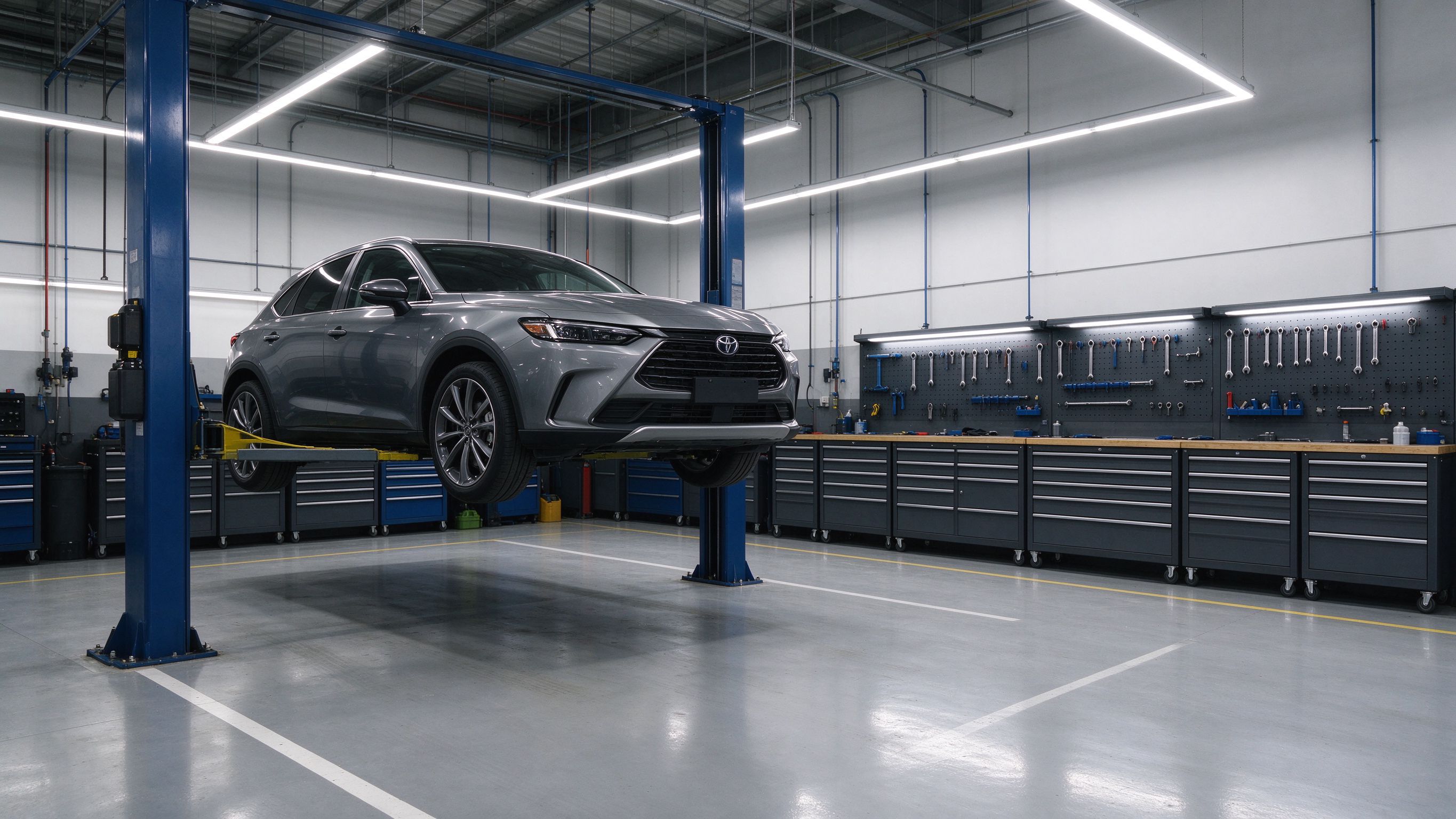
In a repair bay, the mechanic is lying under a car or leaning into an engine bay where a single overhead light can't reach. I've fitted shops that relied on a few harsh tube fixtures, and the techs were still dragging drop-lights around for every job. Bright, high-CRI strips across the ceiling and over each bay give the diffuse, shadow-free light that actually reaches under vehicles, and it cuts the eye strain of a full day under flicker.
Why Repair Bays Need Diffuse, High-CRI Light
Mechanical work happens at odd angles - under chassis, inside wheel arches, deep in engine bays - and a single bright overhead source casts the mechanic's own shadow straight onto the work. The fix isn't one brighter fixture, it's high even ambient light from multiple directions so shadows stay soft.
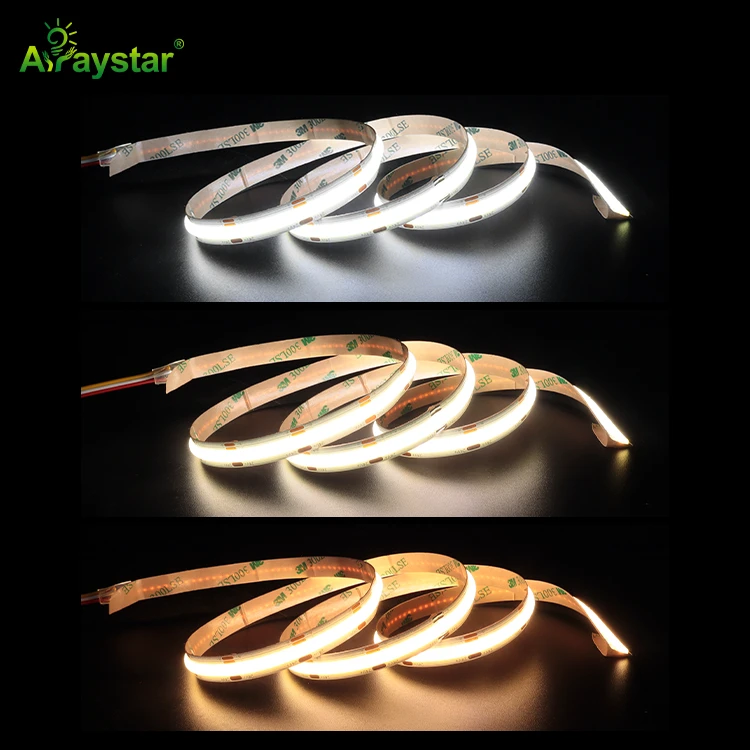
High color rendering matters too. Mechanics read wire colors, fluid condition and corrosion, and low-CRI light makes browns, reds and greens hard to tell apart. I target CRI 90 and a neutral daylight balance in every working bay.
Laying Out Strips Over the Bays
I run continuous strips across the bay ceiling in channels, spaced to overlap so there are no dark strips between cars. A typical two-post bay gets several parallel runs rather than one center line, which is what gets light around the lift posts and under the vehicle.
Use this rough layout:
- Run parallel strips across the ceiling so light reaches both sides of the lift.
- Add a strip over the tool chest and workbench for detailed assembly.
- Keep the alignment rack and diagnostic area on a bright neutral setting.
- Use frosted diffusers so technicians looking up aren't hit with glare.
The Workbench, Tool Wall and Parts Area
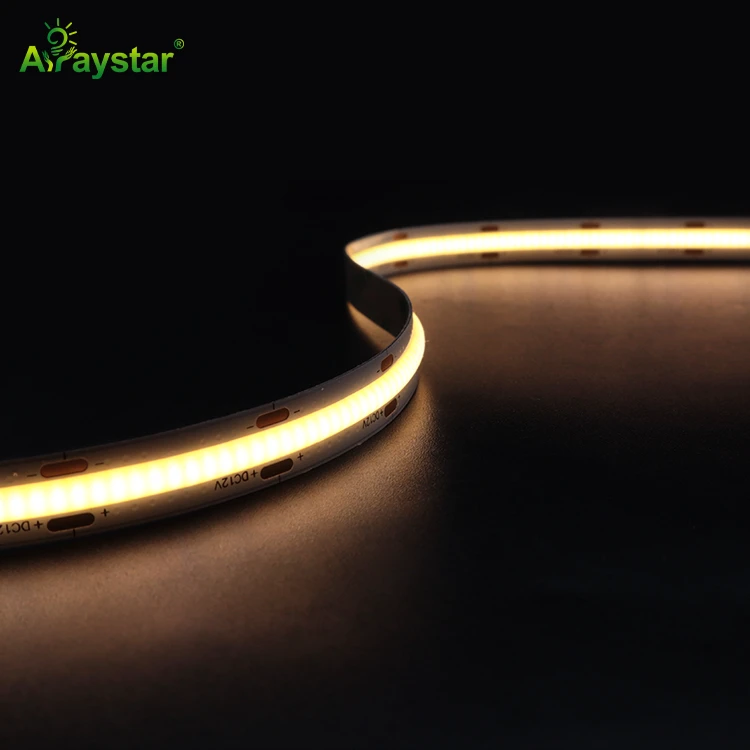
The bench is where the fine work happens - electrical connectors, bearings, small fasteners - so it gets a dedicated bright strip directly overhead. A run along the tool wall or pegboard makes finding the right socket quick instead of a search in shadow.
The parts and storage room can be a touch less critical on color but still needs even light to read bin labels. Keeping each zone on its own switch means the shop isn't lighting the parts room and empty bays while one technician works late.
Flicker, Drivers and Surviving the Shop Floor
Repair floors are hard on lighting - dust, occasional oil mist, impact from things carried overhead and doors open to the weather. Sealed or suitably rated strips in sturdy channels hold up better than bare exposed strips, and low-riple drivers keep the light flicker-free so technicians don't finish the day with headaches.
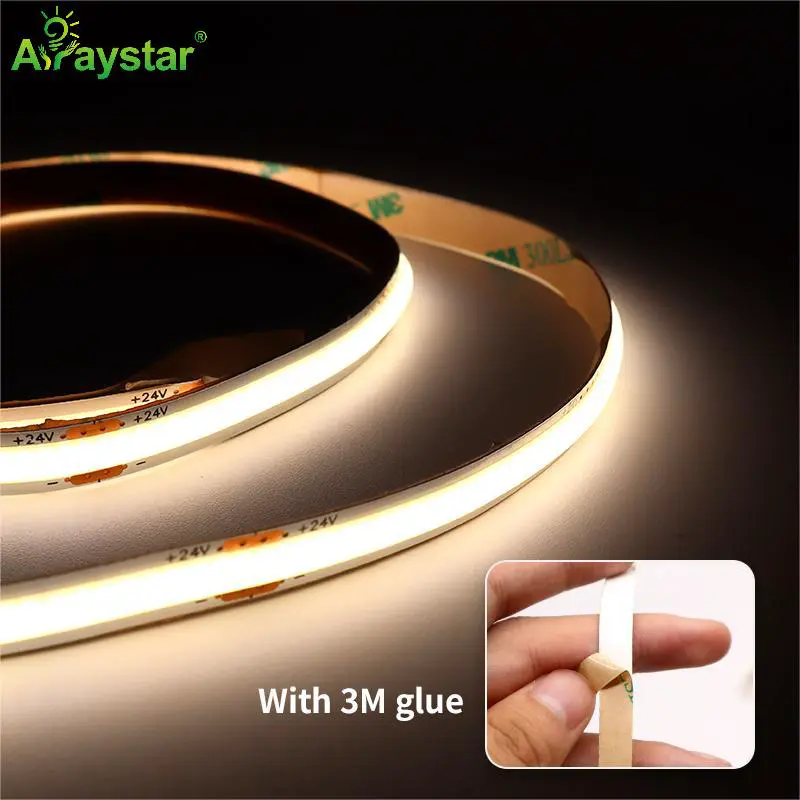
Size drivers with headroom and keep them away from the dustiest spots, mounted where they stay cool and accessible. Moving parts and air tools create vibration, so secure mounting and proper connectors stop strips working loose over time.
Light Levels and What the Techs Actually Notice
I light bays brighter than owners expect, because the work is detailed and vehicles block a lot of light. Technicians stop reaching for the drop-light, read colors more easily, and the shop feels more professional to customers.
Customer-facing write-up and waiting areas can be slightly warmer, but keep the bays fixed at bright neutral. The payoff is faster work, fewer missed details and less fatigue.
Recommended Products
Frequently Asked Questions
What is the best lighting for a mechanic shop?
Bright, high-CRI (around 90), neutral-white strips run in parallel across each bay, with a dedicated strip over every workbench. Overlapping runs keep shadows soft so light reaches under vehicles, instead of one fixture casting the technician's shadow on the job.
What CRI do auto repair bays need?
Around CRI 90. Mechanics read wire colors, fluid condition and corrosion, where low-CRI light makes reds, browns and greens hard to distinguish. The parts room can use less, but the working bays and benches benefit from high color rendering.
How do you light under a car on a lift?
Use several parallel strip runs across the ceiling rather than one center line, so light comes from multiple angles around the lift posts and reaches under the chassis. High even ambient light keeps shadows soft and removes the need to drag a drop-light around.
What color temperature suits a repair shop?
A neutral daylight white around 5000K in the bays for accurate, alert task work. The write-up desk and customer waiting area can be slightly warmer, but keep the work bays fixed at the bright neutral setting rather than warming them.
How do you protect LED strips in a dusty shop?
Use sealed or suitably rated strips in sturdy aluminum channels with frosted diffusers, secure mounting to handle vibration from air tools, and drivers kept cool, accessible and away from the dustiest spots. That prevents strips working loose or failing from dust and oil mist.
Need help with your LED project?
Get factory-direct pricing, free samples and engineering support within 24 hours.
Email: info@arraystarled.com | Phone: +86-0755-2103-6746 | WhatsApp: 0086 1581 8514 077







