Best LED Strip for Closet and Wardrobe Lighting: See Everything Clearly
- 2026-09-09 15:56
- /
- Arraystar
Quick Answer
For closet and wardrobe lighting, use motion-activated LED strips with warm neutral white (3000K-4000K) and CRI 90+ for accurate color identification. COB strips for uniform, shadow-free illumination, or high-density 2835 strips for cost-effective brightness. Install under shelves, along hanging rod areas, inside drawers, and behind doors. Motion sensors provide hands-free convenience and energy savings (turns on when door opens, off after delay). Battery-powered strips offer easy installation without wiring, while hardwired strips provide permanent, reliable operation.
Why Closet Lighting Matters
Closets are often poorly lit, making it difficult to find clothes, identify colors, and see items in dark corners. Proper closet lighting: Makes it easy to find clothes and accessories quickly, enables accurate color matching (critical for outfit coordination), illuminates dark corners and high shelves, creates a premium, organized feel, increases perceived value of closet space, and saves time in morning routines. LED strips are ideal for closet lighting due to their thin profile (fit in tight spaces), low heat (safe near clothing), energy efficiency (suitable for frequent on/off), motion activation (hands-free convenience), and easy installation (adhesive backing, no electrician needed for battery-powered options).
Installation Locations and Methods
1) Under-shelf lighting: Install LED strips under each shelf to illuminate items below. This is the most effective closet lighting method—provides direct, even illumination of clothes on hangers and folded items on shelves. Position strips at front edge of shelf for maximum coverage. 2) Hanging rod area: Install strips above or in front of hanging clothes to illuminate garments. Use COB strips for uniform light without hot spots. Position 15-30cm above hanging clothes. 3) Drawer lighting: Install small, battery-powered LED strips inside drawers for visibility when opened. Use motion-activated or contact (door) sensors. Great for accessory drawers (jewelry, ties, belts). 4) Behind doors: Install strips on the back of closet doors to illuminate the interior when door is open. Use door-contact sensors for automatic on/off. 5) Shoe shelves: Install strips under shoe shelves to illuminate footwear. Use 4000K neutral white for accurate color identification. 6) Floor/base: Install strips along closet floor or baseboards for subtle, even illumination. Creates a premium, boutique feel. 7) Vanity/mirror: If closet has vanity area, install strips around mirror for grooming lighting (3000K-4000K, CRI 90+). Installation tips: Use 3M adhesive for easy installation. Clean surface before applying. Use aluminum channels for protection and professional finish (optional). Ensure strips don't interfere with door closing or sliding. Hide wires along edges or use cable raceways.
Power and Control Options
1) Battery-powered strips: Easiest installation—no wiring needed. Use AA/AAA or rechargeable battery packs. Motion-activated models turn on when door opens and off after delay (15-60 seconds). Last 1-6 months on a set of batteries (depending on usage). Best for: Renters, temporary installations, closets without power access, drawers. 2) USB-powered strips: Plug into USB power bank or wall adapter. Easy to install and recharge. Some models have motion sensors and timers. Best for: Closets near power outlets, semi-permanent installations. 3) Hardwired strips: Permanent installation connected to home electrical system. Most reliable and powerful. Requires electrician for installation. Can be connected to wall switch or motion sensor. Best for: New construction, remodels, walk-in closets, permanent installations. 4) Motion sensors: PIR (passive infrared) sensors detect body heat and motion, turning lights on when someone approaches. Adjustable delay (15 seconds to 5 minutes). Most convenient and energy-efficient option. 5) Door-contact sensors: Magnetic sensors trigger lights when closet door opens, turn off when closed. Perfect for closet doors—lights only on when door is open. 6) Light sensors (photocell): Turn lights on only in dark conditions, saving energy during daytime. Often combined with motion sensors. 7) Smart control: WiFi smart controllers for app control, scheduling, and voice control. Overkill for most closets but useful for smart home integration. Control tips: Motion sensors should be positioned to detect entry (near door, at height 1-1.5m). Door-contact sensors should be mounted on door frame and door. Set motion delay to 30-60 seconds for closets (enough time to find items, not waste energy). For large walk-in closets, use multiple sensors or a ceiling-mounted sensor.
Closet Lighting Design Tips
1) Color temperature: 3000K-4000K neutral white is best for closets—warm enough for flattering appearance, cool enough for accurate color identification. Avoid 5000K+ (too harsh) and 2700K below (too warm, may distort colors). 2) CRI: Use CRI 90+ strips for accurate color rendering—essential for matching clothes and accessories. Budget strips with CRI 70-80 may make colors appear inaccurate. 3) Brightness: Aim for 200-500 lux in closet interiors. Under-shelf strips should provide 300-500 lux on clothes below. Use dimmers if too bright. 4) Even illumination: Position strips to minimize shadows. Under-shelf lighting at front edge provides best coverage. For deep shelves, use two strips (front and back) or high-brightness COB strips. 5) Layered lighting: Combine under-shelf (task), overhead (ambient), and drawer (accent) lighting for a premium, well-lit closet. 6) Hidden strips: Ensure strips are hidden from direct view when closet door is open—you should see the light, not the source. Use channels or position strips under shelf lips. 7) Consistency: Use same color temperature and brightness throughout closet for cohesive look. Mixing color temperatures looks disjointed. 8) Accessibility: Ensure light switches or sensors are easily accessible. For high shelves, ensure lighting reaches top areas. Consider pull-out shelves with integrated lighting for hard-to-reach areas. 9) Mirror lighting: If closet has full-length mirror, install side lighting (strips on both sides of mirror at eye level) for flattering, shadow-free grooming light. 10) Energy efficiency: Use motion sensors or timers to ensure lights aren't left on. LED strips are already energy efficient, but automatic control maximizes savings.
Closet Lighting Product Guide
| Factor | Option A | Option B |
|---|---|---|
| Brightness | Medium-High | High |
| Efficiency | Good | Excellent |
| Cost | Lower | Higher |
| Best For | General applications | Premium installations |
Recommended Products
Wireless Single Key Dimmable Switch Panel (2.4G Control)
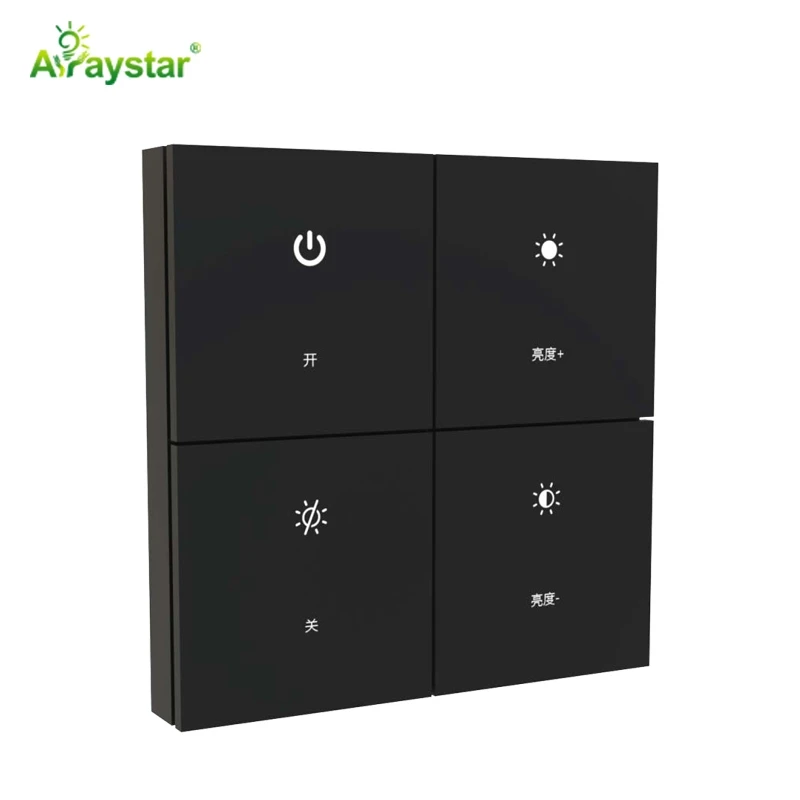
Model Control Mode Battery Info Sensor Size Trigger Method Function ART-4010 2.4G Wireless 200mAh CR2032 ×2 86 × 86 × 12 mm Short press / Long press Short press: ON/OFF; Long press: Brightness
High Efficiency 2835 LED Strip ART-HE2835-240-X-24
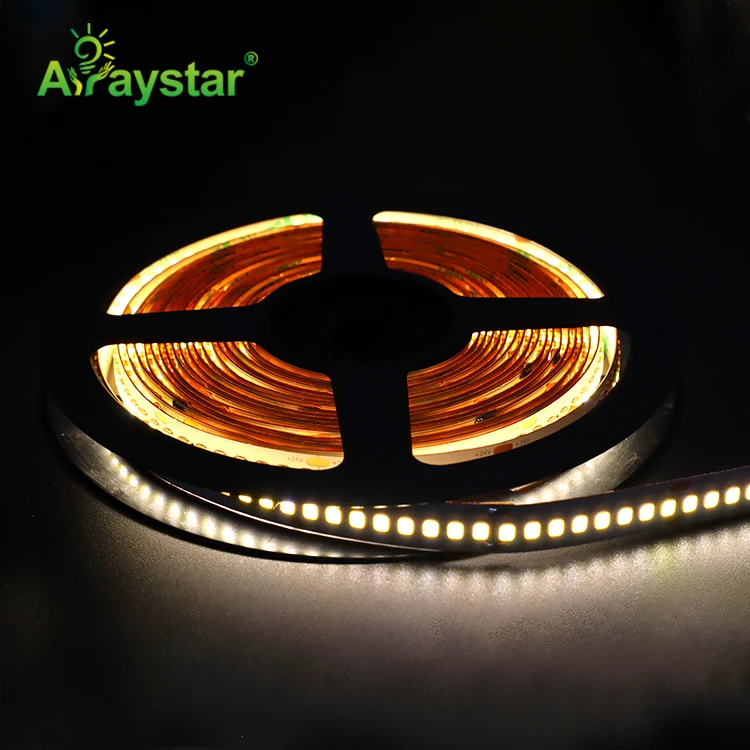
High Efficiency 2835 LED Strip Color Voltage Power(W/m) LED Type LED Qty/m Cut Size PCB Width IP Rating Lumen (lm/W) ART-HE2835-240-W-24-01 6000K 24V DC 19.2 W/m SMD 2835 240 33.33mm 10mm IP20
Frequently Asked Questions
Q: Do you provide installation support for led strip control system?
A: Yes, we offer comprehensive installation guides, wiring diagrams, and technical support. For large projects, our engineering team can provide detailed installation plans and remote troubleshooting support.
Q: Can led strip control system be customized for large projects?
A: Yes, we specialize in commercial and industrial projects. Custom options include specific color temperatures (2700K-6500K), CRI 90+, custom lengths, specialized connectors, and private labeling. Contact our project team for volume pricing and custom solutions.
Q: Are led strip control system compliant with local regulations?
A: All products meet CE, RoHS, and ERP standards. We can provide test reports and documentation for project compliance. For specific markets (UL for North America, PSE for Japan, etc.), contact our sales team for certified product options.
Q: What makes led strip control system suitable for this application?
A: Our led strip control system are specifically engineered for professional installations with high-quality LEDs, thick copper PCBs for reliable current distribution, and consistent color binning. We offer 3-year warranty and technical support for project specifications.
Q: What is the typical lead time for led strip control system?
A: Standard products: 3-7 working days. Custom orders: 15-25 working days depending on specifications and quantity. We maintain substantial inventory for popular products to support urgent project requirements.
Conclusion
For closet and wardrobe lighting, use motion-activated LED strips with warm neutral white (3000K-4000K) and CRI 90+ for accurate color identification. COB strips for uniform, shadow-free illumination, or high-density 2835 strips for cost-effective brightness. Install under shelves, along hanging rod areas, inside drawers, and behind doors. Motion sensors provide hands-free convenience and energy savings (turns on when door opens, off after delay). Battery-powered strips offer easy installation without wiring, while hardwired strips provide permanent, reliable operation. Arraystar LED offers 15+ years of LED strip manufacturing experience with full OEM/ODM capabilities, CE/RoHS/ERP certification, and 3-year warranty. Contact our team for a free consultation and custom quote for your project.
Ready to start your project? Contact us today for expert guidance and competitive pricing.
About the Manufacturer
ArrayStar LED is a professional LED strip manufacturer in Shenzhen, China since 2010, serving 80+ countries. We support custom OEM/ODM projects (custom CCT, CRI, PCB, logo, packaging) and wholesale supply for distributors and contractors worldwide.