Best LED Strip for Aquarium and Fish Tank: Safe and Effective Lighting
- 2026-09-09 15:56
- /
- Arraystar
Quick Answer
For aquarium and fish tank lighting, use waterproof LED strips with appropriate spectrum for fish and plants. Freshwater planted tanks need 6500K-7000K cool white with high CRI for plant growth; reef tanks need blue-heavy spectrum (10000K-20000K) with UV/violet for coral; fish-only tanks need 5000K-6500K for natural appearance. Use IP68 submersible strips (fully submersible) or IP65 strips mounted above water. Ensure low voltage (12V/24V) for safety, and use dimmers/timers for natural day/night cycles. Avoid strips with harmful heat or chemicals near water.
Aquarium LED Lighting Overview
Proper lighting is essential for aquarium health—affects fish behavior, plant growth, coral health, and overall tank aesthetics. LED strips offer: Energy efficiency (uses 50-80% less energy than fluorescent/halogen), Long lifespan (50,000+ hours, reducing frequent bulb changes), Low heat (doesn't overheat tank water, reducing need for cooling), Customizable spectrum (adjust color temperature and intensity for different tank types), Dimmable (simulate natural sunrise/sunset), and Compact (thin profile fits in tight spaces, can be mounted under hoods or inside tanks). Important: Not all LED strips are suitable for aquariums. Use only waterproof, low-voltage strips with appropriate spectrum. Ensure strips don't leach harmful chemicals into water. Always prioritize fish and plant safety.
Freshwater Planted Tank Lighting
Planted freshwater tanks require lighting that supports photosynthesis and healthy plant growth. Key specifications: 1) Color temperature: 6500K-7000K cool white (similar to midday sunlight) promotes healthy plant growth and natural appearance. Some planted tank enthusiasts use 5000K-6500K for warmer, more natural look. 2) Spectrum: Full-spectrum white with balanced red (630-660nm) and blue (430-460nm) peaks for photosynthesis. Plants primarily use red and blue light—green light is mostly reflected (which is why plants appear green). 3) Brightness: Depends on plant types—low-light plants (Java fern, Anubias, moss): 10-20 lumens/L; medium-light plants (Amazon sword, Cryptocoryne): 20-40 lumens/L; high-light plants (Dwarf baby tears, Rotala, HC): 40-60+ lumens/L. Use PAR (Photosynthetically Active Radiation) measurement for accuracy—aim for 20-50 PAR at substrate level for most plants. 4) CRI: 80+ CRI for natural plant and fish color appearance. 5) Photoperiod: 8-10 hours per day for most planted tanks. Use timer for consistent schedule. Simulate sunrise/sunset with dimming (30-60 minutes ramp up/down) to avoid shocking fish and plants. 6) CO2 and nutrients: High light requires CO2 injection and balanced fertilization to prevent algae growth. Low-light tanks can thrive without CO2. Installation: Mount LED strips above tank (under hood or on fixture) for best results. Submersible strips can be used inside tank but may grow algae on surface and are harder to clean. Use aluminum fixture for heat dissipation and professional appearance. Ensure strips are waterproof (IP65+) for humid aquarium environment.
Reef and Saltwater Tank Lighting
Reef tanks (coral) require specialized lighting that supports coral photosynthesis (zooxanthellae algae living in coral). Key specifications: 1) Spectrum: Blue-heavy spectrum with peaks at 420-440nm (royal blue) and 450-470nm (blue), plus white (6500K-12000K) for visual appearance and UV/violet (395-420nm) for coral fluorescence. Corals primarily use blue light for photosynthesis—blue light penetrates water deeper than red. 2) Color temperature: 10000K-20000K for reef tanks. Higher K = more blue, deeper water simulation. 14000K-20000K is common for SPS (small polyp stony) corals; 10000K-14000K for LPS (large polyp stony) and soft corals. 3) Brightness/PAR: Depends on coral types—soft corals/LPS: 50-150 PAR; SPS corals: 150-400+ PAR. Measure PAR at various depths with PAR meter. Ensure adequate light reaches all corals, including those at bottom of tank. 4) UV/violet: 395-420nm UV/violet light enhances coral fluorescence (corals glow under UV) and supports photosynthesis. Use caution—too much UV can damage coral. Start with low intensity and gradually increase. 5) Dimming and control: Reef tanks benefit from programmable LED controllers with multiple channels (white, blue, royal blue, UV/red). Simulate natural sunrise/sunset, cloud cover, and lunar cycles. 6) Photoperiod: 8-10 hours of main light, with 1-2 hours sunrise/sunset ramp. Moonlight (blue) overnight for nocturnal fish viewing. Installation: Reef lighting is critical and complex—consider dedicated reef LED fixtures rather than simple strips for best results. If using strips, use high-quality, high-brightness COB or 5730 strips with proper spectrum. Mount above tank in waterproof fixture. Ensure adequate heat sinking (reef LEDs run at high power). Use multiple strips for even coverage across tank. Consider PAR mapping to ensure adequate light at all depths.
Fish-Only and Decorative Aquarium Lighting
For fish-only tanks (no live plants or corals), lighting is primarily for aesthetics and fish visibility. Key specifications: 1) Color temperature: 5000K-6500K neutral/cool white for natural fish and tank appearance. 3000K-4000K warm white for softer, more relaxed look. 2) Brightness: 10-30 lumens/L for fish-only tanks. Enough to see fish and tank clearly, but not so bright as to cause algae growth or stress fish. 3) CRI: 80+ CRI for natural fish color appearance. 4) Color enhancement: Some aquarium LED strips have special spectrum (enhanced red/blue) to make fish colors appear more vibrant. These are popular for colorful fish (tetras, cichlids, bettas). 5) Blue/moonlight: Blue LED strips (450-470nm) create a beautiful nighttime/moonlight effect, enhancing fluorescent fish colors and allowing viewing at night without disrupting fish sleep cycles. 6) RGB: RGB LED strips allow custom color selection for decorative effects. Great for community tanks and show tanks. Use static colors (not flashing) to avoid stressing fish. Installation: Mount strips above tank or under hood. Submersible strips can be used inside tank for decorative effects (e.g., behind background, under substrate edges). Ensure strips are fully waterproof (IP68) if submersible. Use timers for consistent photoperiod (8-12 hours/day). Avoid 24/7 lighting—fish need dark periods for sleep and health. Consider dimmer for adjustable brightness (bright for viewing, dim for evening).
Aquarium LED Safety and Best Practices
1) Electrical safety: Always use low-voltage (12V/24V) LED strips near water. Never use 110V/220V strips in or near aquariums. Ensure power supply is rated for outdoor/wet use (IP65+) and placed above water level (in case of spills). Use GFCI (Ground Fault Circuit Interrupter) outlet for aquarium equipment—provides protection against electric shock. 2) Waterproofing: For submersible strips, use only IP68 rated strips designed for continuous underwater use. Ensure all connections are waterproof—solder wires and seal with adhesive heat shrink, or use IP68 waterproof connectors. Never use standard indoor strips in water—they will fail and may leak electricity. 3) Heat management: LED strips generate heat—ensure adequate heat sinking, especially for high-power strips. Avoid mounting strips directly on plastic tank rims (may melt or deform). Use aluminum fixtures or channels for heat dissipation. Monitor tank water temperature—if LEDs raise water temp significantly, add cooling fan or reduce lighting duration. 4) Chemical safety: Ensure strips and wires don't leach harmful chemicals into water. Use only aquarium-safe, food-grade silicone for sealing. Avoid PVC-coated strips in water (PVC may leach plasticizers). Use silicone-coated strips for submersible use. Rinse new submersible strips before installation to remove manufacturing residues. 5) Fish and plant health: Avoid sudden changes in lighting intensity or spectrum—gradually acclimate fish and plants to new lighting over 1-2 weeks. Use dimmers and timers for gradual transitions. Avoid flashing/strobing lights—can stress fish. Ensure adequate dark periods (8-12 hours darkness) for fish sleep and plant respiration. Monitor for algae growth—if algae increases, reduce lighting duration or intensity, or improve nutrient balance. 6) Maintenance: Clean submersible strips regularly (algae grows on strip surface, reducing light output). Gently wipe with soft cloth or sponge—don't use chemicals or abrasive materials. Inspect wires and connections regularly for damage or corrosion. Replace strips if they show signs of water damage (flickering, dimming, corrosion). 7) Installation tips: Plan lighting layout before installation—measure tank, calculate required brightness, and position strips for even coverage. Use multiple strips for large tanks (avoid dark spots). Mount strips at appropriate height (10-30cm above water for most strips). Use reflectors or aluminum channels to maximize light output into tank. Consider using a light diffuser for even, shadow-free illumination.
Aquarium LED Product Guide
| Factor | Option A | Option B |
|---|---|---|
| Brightness | Medium-High | High |
| Efficiency | Good | Excellent |
| Cost | Lower | Higher |
| Best For | General applications | Premium installations |
Recommended Products
ART-NTD19(1)
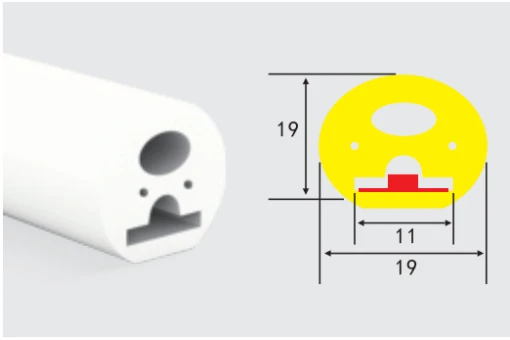
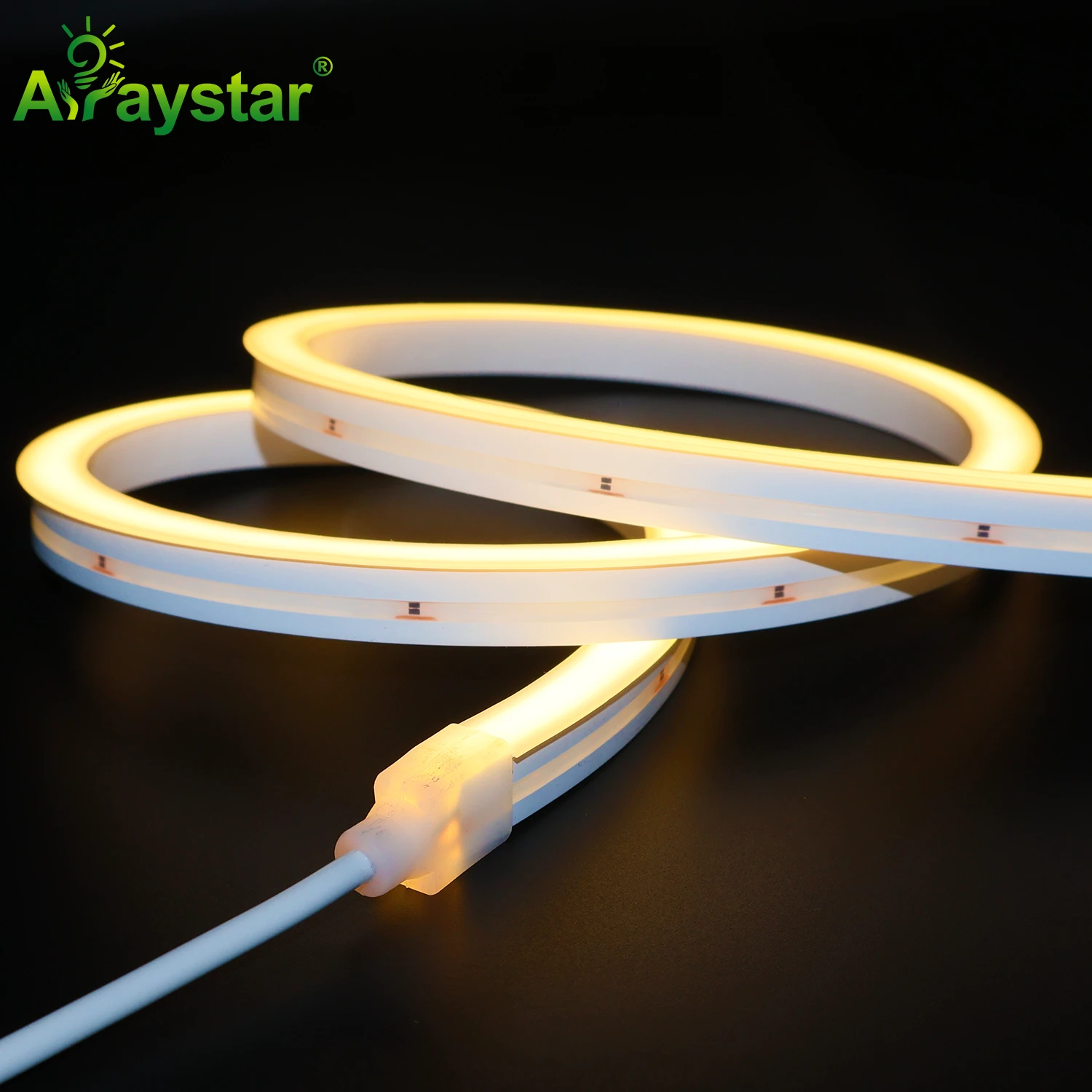
Professional 180°270°360° emitting neon tube from Arraystar LED, manufactured with premium quality components and backed by our 3-year warranty.
ART-YT1018
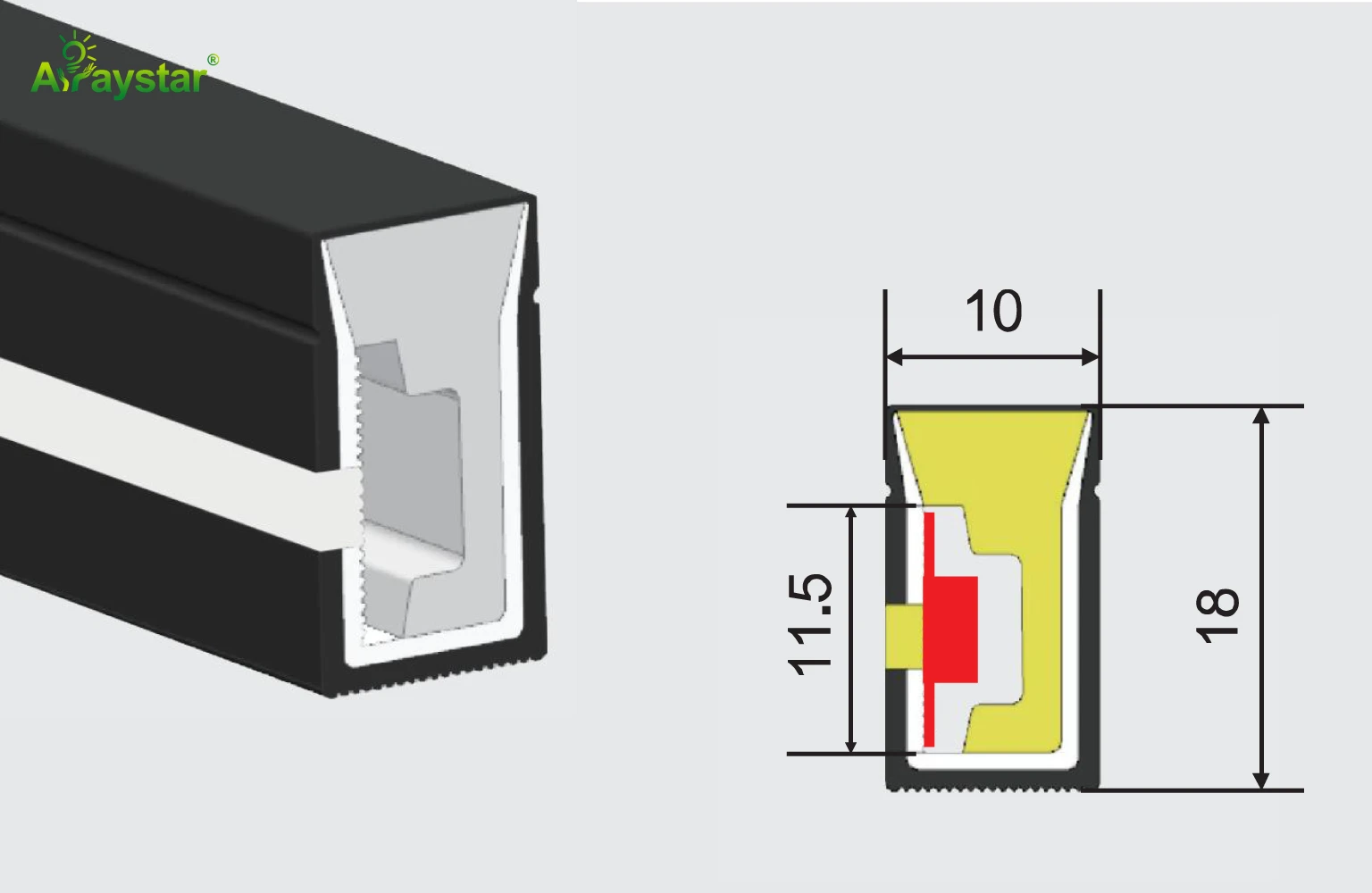
Professional black slicone neon tube from Arraystar LED, manufactured with premium quality components and backed by our 3-year warranty.
Frequently Asked Questions
Q: Can 180°270°360° emitting neon tube be customized for large projects?
A: Yes, we specialize in commercial and industrial projects. Custom options include specific color temperatures (2700K-6500K), CRI 90+, custom lengths, specialized connectors, and private labeling. Contact our project team for volume pricing and custom solutions.
Q: Are 180°270°360° emitting neon tube compliant with local regulations?
A: All products meet CE, RoHS, and ERP standards. We can provide test reports and documentation for project compliance. For specific markets (UL for North America, PSE for Japan, etc.), contact our sales team for certified product options.
Q: What makes 180°270°360° emitting neon tube suitable for this application?
A: Our 180°270°360° emitting neon tube are specifically engineered for professional installations with high-quality LEDs, thick copper PCBs for reliable current distribution, and consistent color binning. We offer 3-year warranty and technical support for project specifications.
Q: What is the typical lead time for 180°270°360° emitting neon tube?
A: Standard products: 3-7 working days. Custom orders: 15-25 working days depending on specifications and quantity. We maintain substantial inventory for popular products to support urgent project requirements.
Q: Do you provide installation support for 180°270°360° emitting neon tube?
A: Yes, we offer comprehensive installation guides, wiring diagrams, and technical support. For large projects, our engineering team can provide detailed installation plans and remote troubleshooting support.
Conclusion
For aquarium and fish tank lighting, use waterproof LED strips with appropriate spectrum for fish and plants. Freshwater planted tanks need 6500K-7000K cool white with high CRI for plant growth; reef tanks need blue-heavy spectrum (10000K-20000K) with UV/violet for coral; fish-only tanks need 5000K-6500K for natural appearance. Use IP68 submersible strips (fully submersible) or IP65 strips mounted above water. Ensure low voltage (12V/24V) for safety, and use dimmers/timers for natural day/night cycles. Avoid strips with harmful heat or chemicals near water. Arraystar LED offers 15+ years of LED strip manufacturing experience with full OEM/ODM capabilities, CE/RoHS/ERP certification, and 3-year warranty. Contact our team for a free consultation and custom quote for your project.
Ready to start your project? Contact us today for expert guidance and competitive pricing.
About the Manufacturer
ArrayStar LED is a professional LED strip manufacturer in Shenzhen, China since 2010, serving 80+ countries. We support custom OEM/ODM projects (custom CCT, CRI, PCB, logo, packaging) and wholesale supply for distributors and contractors worldwide.