
LED Strip Lighting for Dance Studios: Even Floor Light & Color Wash
- 2026-10-15 14:34
- /
- Arraystar LED
Dance studios need lighting that moves with the class: bright, even, shadow-free light for technique and rehearsal where dancers need to see themselves in the mirror, plus a color-capable accent system for shows, photos and vibe. I've seen studios put colored strips where the task light should be, leaving rehearsals dim and moody. Get the white mirror lighting right first, then add addressable RGB along the ceiling or behind the mirror as a separate layer you only switch on when you want it.
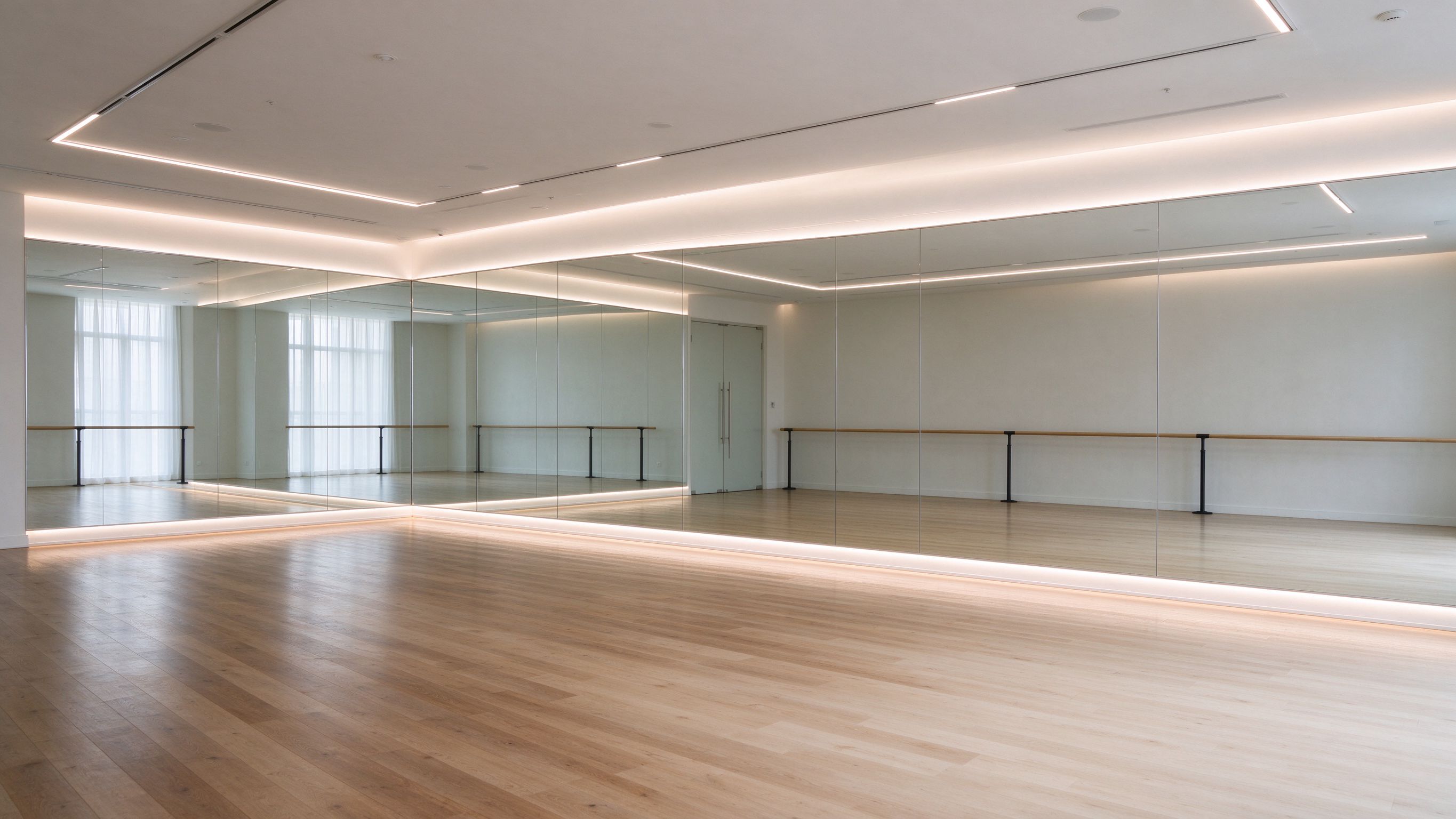
Two Layers: Technique Light and Atmosphere
Most of a studio's hours are rehearsal and class, which need bright, even, flattering white light with no shadows - dancers read alignment in the mirror and teachers watch feet and lines. Color belongs on a separate, switchable layer for performances, social content and themed classes.
Designing these as two independent systems means you never compromise rehearsal light for mood. The white layer runs the room day to day; the addressable color layer is a backdrop you bring in on cue rather than something the whole class happens under.
Bright Even Light Along the Mirrors
The mirror wall is the critical surface. I run high-CRI white strips along the top of the mirror or the ceiling in front of it so dancers are lit evenly and clearly reflected without the ceiling fixtures throwing glare back off the glass.
Get the white layer right with these points:
- High CRI, neutral-to-soft white so skin and costume colors read accurately.
- Even front light that avoids shadows under dancers' feet and faces.
- Diffusers positioned to stop fixtures reflecting in the mirror.
- Flicker-free drivers, important for both fast movement and video.
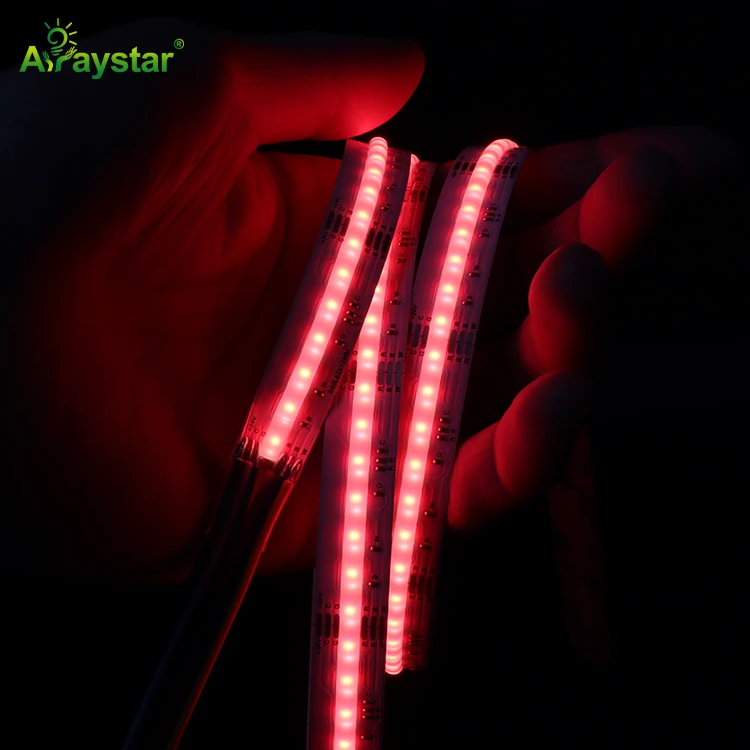
Adding Addressable Color Along Ceiling and Walls
For the atmosphere layer I use addressable RGB or RGBW strips in coves along the ceiling edge, behind the mirror surround or down the side walls, driven by a controller that runs chases, fades and static color. Because they're indirect, they wash the room in color without shining in dancers' eyes.
Pixel and magic-COB strips give smooth color with no harsh dotting, and a simple controller lets staff pick a static warm glow for a contemporary piece or a dynamic chase for a hip-hop showcase. Keep this layer dimmable so it can be a subtle tint rather than full saturation.
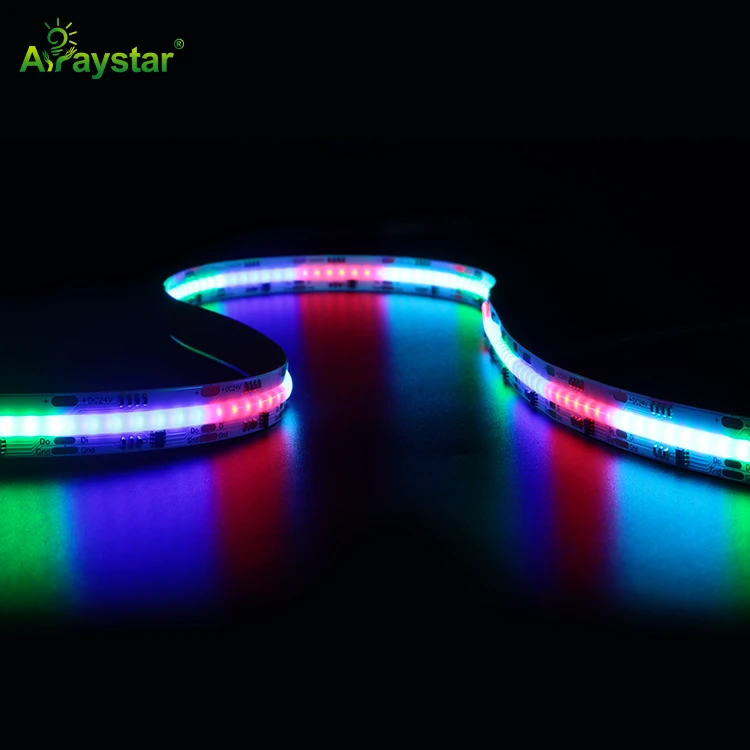
Control: Scenes for Class, Rehearsal and Show
Preset scenes make the room easy to run: a bright white 'class and rehearsal' level, a soft white 'warm-up and audition' level, a static-color 'performance' look, and a dynamic 'showcase/social' chase. A keypad or app controller switches between them in one tap.
For studios that sync lighting to music or run programmed shows, an addressable system on a capable controller handles that, while basic studios only need static color. Match the controller to the strip protocol (SPI for pixel runs, DMX for larger staged spaces) so you're not mixing incompatible gear.
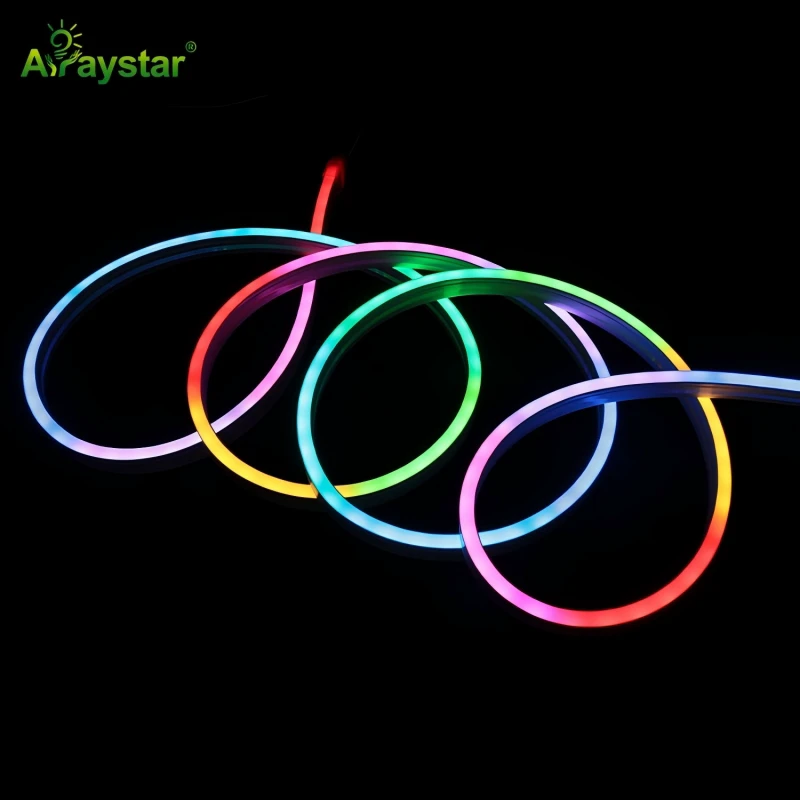
Flicker, Glare and Filming Considerations
Dance is fast movement and studios film constantly, so flicker bands on camera and fatigues dancers. Specify high-frequency, low-riple drivers and check the setup on a phone camera. Control glare around the mirror, where bright reflected points distract dancers, and keep color indirect. With a bright rehearsal layer and flexible color, the studio handles morning technique through evening showcases.
Recommended Products
Frequently Asked Questions
What lighting do you need for a dance studio?
Two layers: bright, even, high-CRI white light along the mirror wall for rehearsal, and a separate addressable RGB layer in ceiling coves for performances. Keep color switchable so it never compromises rehearsal light.
How do you stop lights reflecting in dance studio mirrors?
Run the white strips along the top of the mirror or ceiling in front of it with diffusers, positioned so the fixtures don't bounce back off the glass, and keep colored accent light indirect. Glare or bright points reflected in the mirror distract dancers and appear on film.
Can dance studio lights change color for shows?
Yes, with addressable RGB/RGBW strips on a controller running static color, fades and chases. Pixel or magic-COB strips give smooth color; match the controller to the protocol - SPI for pixel runs, DMX for larger spaces.
Why does my dance studio lighting flicker on video?
Because the drivers have high ripple or run at a low frequency, which bands on camera under fast movement. Specify high-frequency, low-riple drivers that meet flicker standards and check the setup on a phone camera before relying on it for filmed content.
What CRI and color temperature suit a dance studio?
Use high-CRI white (90 or close) so skin and costume colors read accurately, in a neutral-to-soft white around 4000K for flattering, alert rehearsal light. The separate color layer handles mood, so the white layer doesn't need to be warm or dim for technique class.
Need help with your LED project?
Get factory-direct pricing, free samples and engineering support within 24 hours.
Email: info@arraystarled.com | Phone: +86-0755-2103-6746 | WhatsApp: 0086 1581 8514 077







