
Glass Display Cabinet & Collectibles LED Strips: Museum-Like Light for Your Collection
- 2026-09-30 17:38
- /
- Arraystar LED
Collectibles live or die on how they're lit - a glass cabinet with a single top bulb leaves lower shelves dark and throws the viewer's reflection on the glass, while even per-shelf lighting at the right angle makes every piece read like a museum exhibit. Use slim dot-free COB per tier, angled profiles that light the objects rather than the glass, and touchless hand-wave sensors so you can illuminate a cabinet without opening it or fumbling for a switch. The trick is to light the collection, never the reflections.
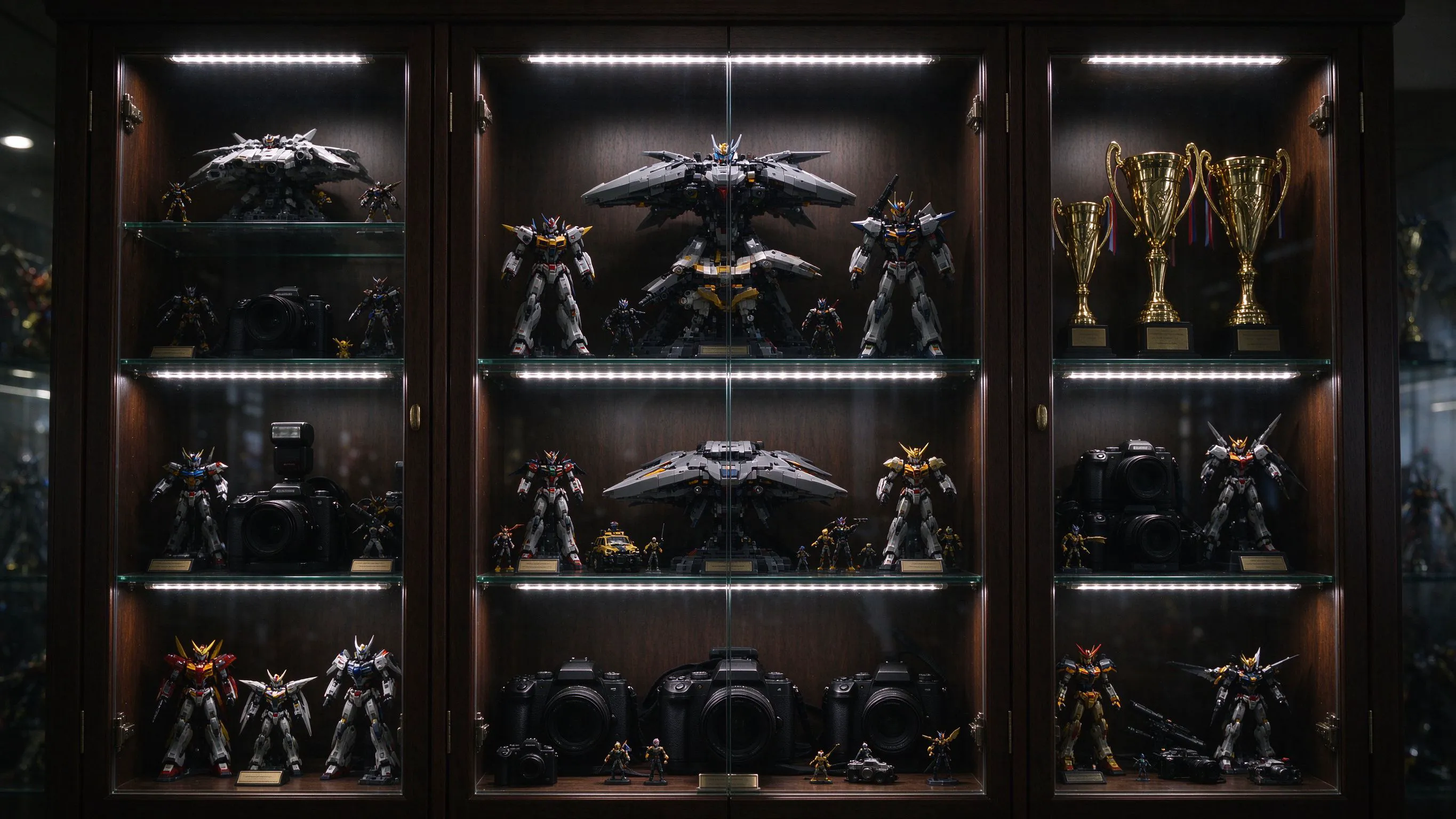
A Glass Cabinet Is a Tiny Lighting Trap
Collectors spend time and money acquiring pieces and then put them in a cabinet lit by one puck at the top. The top shelf glares, the middle is dim, the bottom is dark, and the glass reflects the room and the viewer instead of showing what's inside. Glass, glossy surfaces and small objects are genuinely demanding to light.
The fix is the same logic a museum uses: even, controlled, per-shelf illumination angled onto the objects, with the light source hidden so it doesn't reflect on the glass or glare in the viewer's eyes. Slim LED strips in the right channels do this discreetly and run cool enough to sit near delicate collectibles.
Per-Shelf Dot-Free Light With Slim COB
Each shelf tier needs its own light - one top source can't reach down through glass and objects. An 8mm COB strip is narrow enough to hide on the front or rear lip of glass shelves and produces a continuous dot-free line that diffuses to an even wash, so figurines, models, trophies and glassware on every tier get equal light.
Run one strip per shelf, typically along the front-top edge angled slightly back, or along the rear edge for a dramatic uplight on taller pieces. COB matters here because at the close viewing distances of a display cabinet, individual LED dots from ordinary tape would reflect in the glass and look cheap.
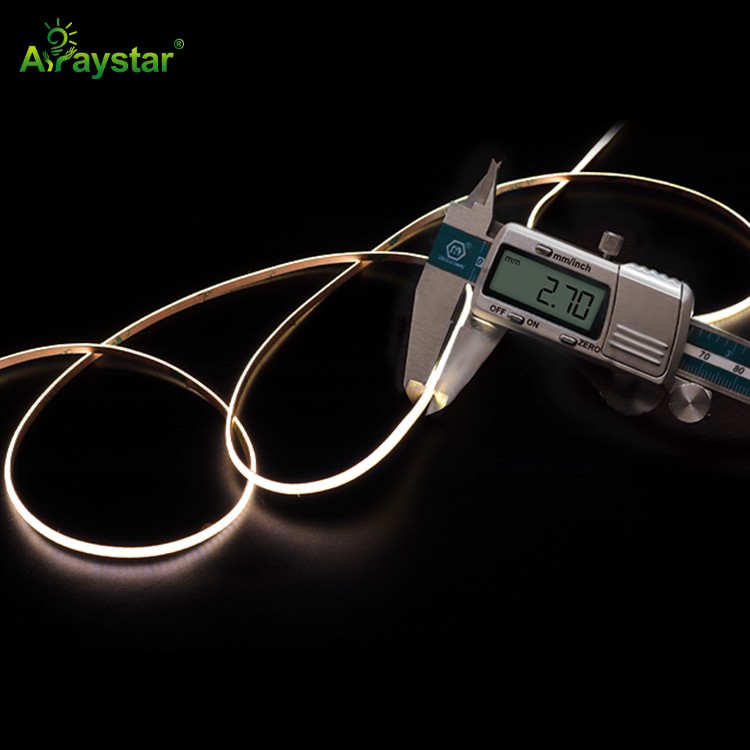
- Light every tier - a dark bottom shelf hides half the collection.
- Use dot-free COB; visible LEDs reflect as rows of specks on glass.
- Keep brightness even top to bottom rather than one bright top shelf.
- Choose warm 2700-3000K for most collectibles; neutral for coins/scale models.
Angled Profiles Aim Light at the Objects, Not the Glass
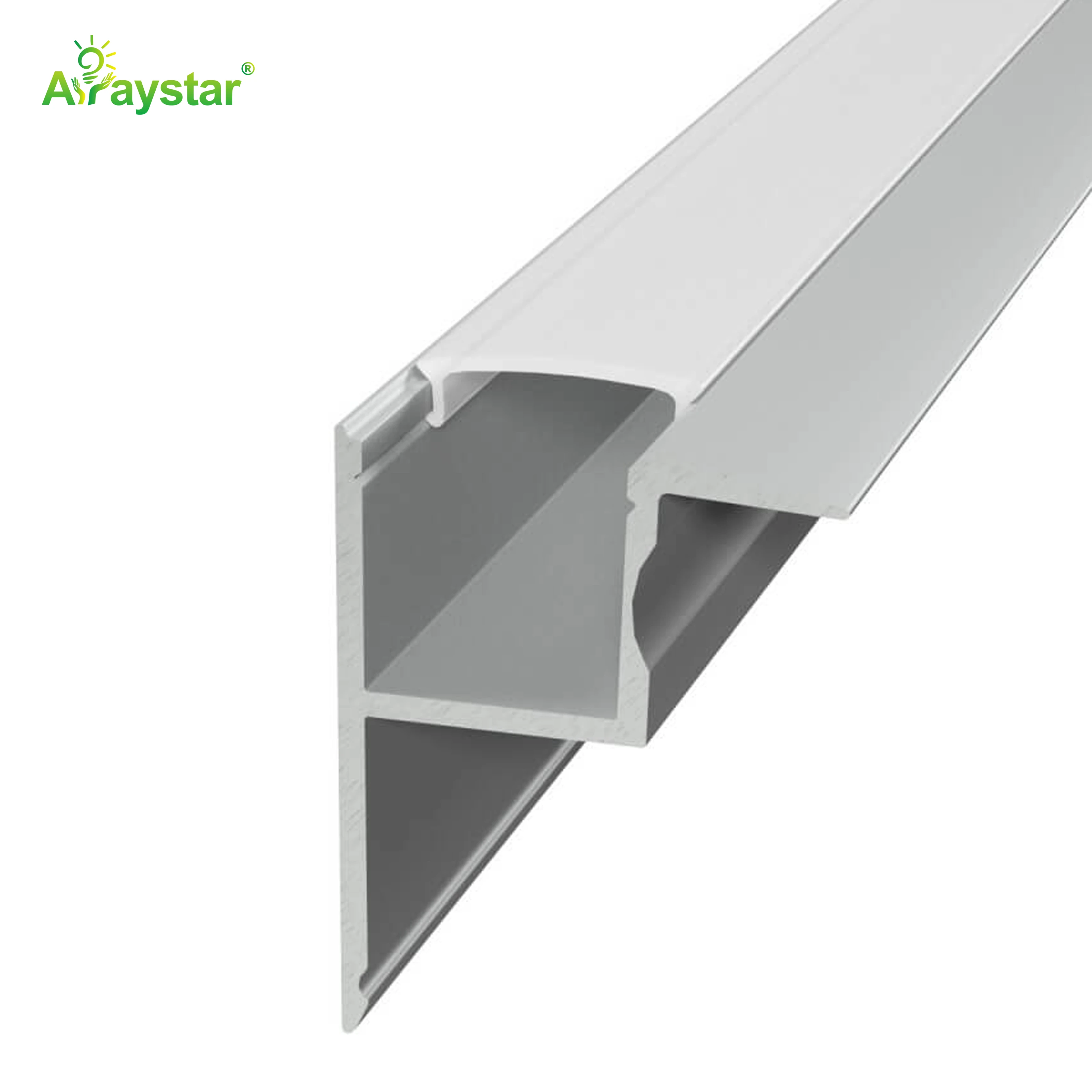
Glare in a glass cabinet is geometry: a light aimed straight at the glass surface reflects back as a bright streak or mirrors the viewer. Angling the beam across the shelf puts the photons on the collectibles and keeps the glowing source out of the reflection path.
An angled (wedge) profile holds the strip at a tilt - commonly around 30-45 degrees - so the wash crosses the shelf onto the pieces rather than hitting the glass face. Mount it at the shelf lip with the diffuser pointing inward, and the cabinet lights its contents while the glass stays clear and non-reflective from the viewer's normal position.
Special cases
Highly reflective items (glass art, chrome, polished models) benefit from softer, lower-level light from two directions to avoid a single hot reflection. UV-sensitive items (paper, fabrics, some plastics) are safe with LEDs, which emit essentially no UV and almost no heat - a real advantage over halogen that could fade or warp a collection.
Touchless Control: Wave to Light the Collection
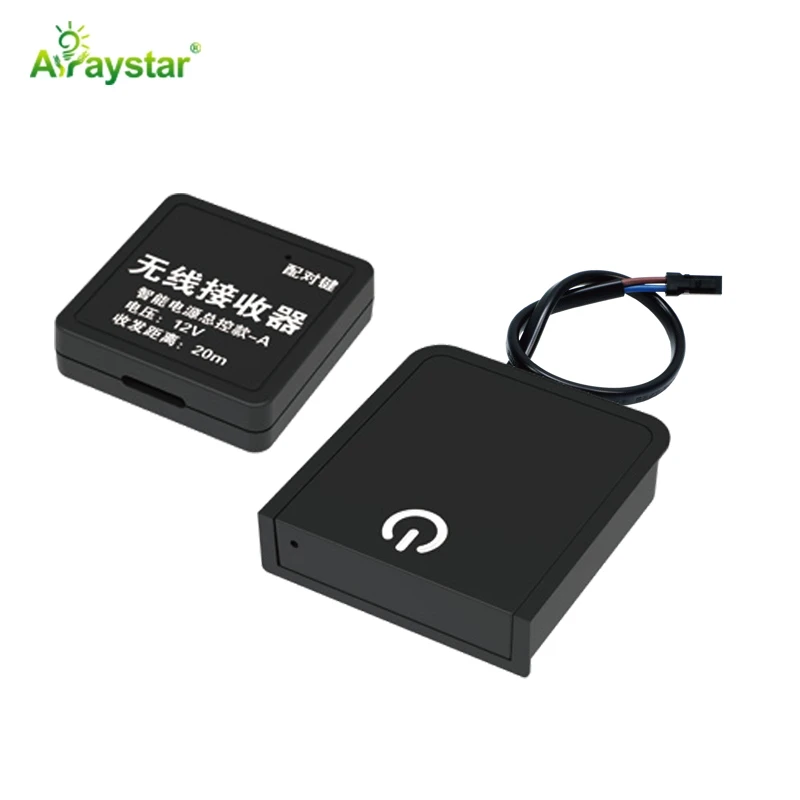
Display cabinets often sit in living rooms or hallways where you want them lit when admired but not running 24/7, and opening a glass door just to switch a light on is awkward. A touchless hand-wave sensor mounted discreetly inside or under the cabinet lets you toggle or dim the shelves with a wave - no fingerprints on the glass, no switch hunt.
A touchless hand-wave sensor turns the per-shelf strips on as you approach and wave, and off the same way, with some models supporting hold-to-dim. It keeps the interaction effortless and the cabinet pristine, and it pairs naturally with a low always-on mode if you want a soft permanent glow for a prized piece.
Heat, Color and Finishing the Build
Lighting guidance by collection type.
| Collectible type | CCT / level | Notes |
|---|---|---|
| Glass / crystal art | Warm, soft, two-sided | Avoid single hot reflections |
| Die-cast / scale models | Neutral 4000K, CRI90+ | Reveals detail and true paint |
| Coins / stamps / cards | Neutral, even, low UV | LEDs ideal - no UV fading |
| Trophies / memorabilia | Warm 3000K | Flattering, celebratory |
| Figurines / pop culture | Warm-neutral, per tier | Even, dot-free, touchless |
Recommended Products
Frequently Asked Questions
What is the best LED strip for a glass display cabinet?
A slim, dot-free COB strip (around 8mm) in an angled diffused profile, one run per shelf tier so every level is evenly lit, angled across the objects rather than at the glass. Warm 2700-3000K suits most collectibles; neutral 4000K high-CRI works best for scale models, coins and paint-accurate pieces.
How do I stop LED lights reflecting on the cabinet glass?
Mount the strip in an angled wedge profile at the shelf lip, tilted 30-45 degrees so the beam crosses the shelf onto the objects instead of hitting the glass face, and hide the glowing diffuser from the viewer's normal position. Check from where people actually stand; lighting the glass instead of the contents is the core mistake.
Do LED lights damage or fade collectibles?
No - unlike halogen, LEDs emit essentially no UV and very little infrared heat, so they're far safer for paper, fabrics, plastics and delicate items. Use low-wattage strips in channels, keep drivers outside the enclosed cabinet if heat is a concern, and avoid enclosing high-wattage tape with no ventilation.
How do I turn on display-cabinet lights without opening it?
Fit a touchless hand-wave sensor discreetly inside or under the cabinet; a wave toggles or dims the per-shelf strips with no fingerprints on the glass and no visible switch. Many support hold-to-dim and can leave a soft low glow on a featured piece.
Why is the bottom shelf of my display cabinet dark?
Because a single top light can't reach down through glass shelves and the objects on upper tiers. Give every shelf its own slim COB run in an angled channel so illumination is even from top to bottom; per-shelf lighting is the difference between a cluttered box and a properly lit museum-style display.
Need help with your LED project?
Get factory-direct pricing, free samples and engineering support within 24 hours.
Email: info@arraystarled.com | Phone: +86-0755-2103-6746 | WhatsApp: 0086 1581 8514 077
Need to size your power supply? Use our LED Strip Power Calculator to find the right driver in seconds.







