
Stair Handrail & Guardrail Integrated LED Strip Lighting: Continuous, Safe Wayfinding
- 2026-09-30 17:38
- /
- Arraystar LED
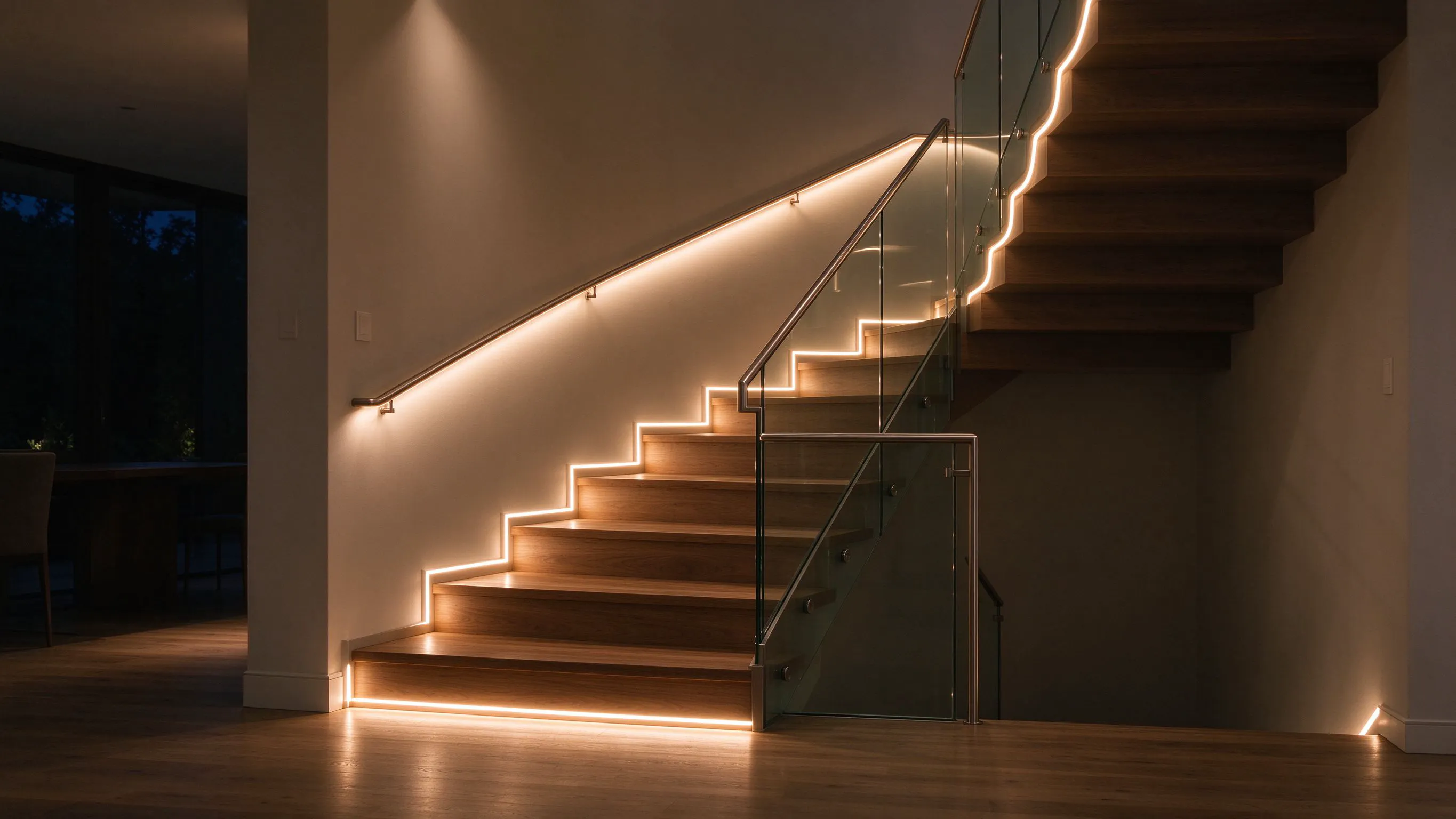
Stair lighting is a safety system first and an architectural feature second, and the two goals pull in different directions: the light needs to illuminate the tread edges without glare from above, and it needs to come on automatically at night. Side-emitting strip integrated into the handrail or stringer lights the steps softly at foot level, corner profiles let you follow turns cleanly, and step/contact sensors bring the stairs up only when someone approaches. Keep it dim, warm and continuous - bright stair lights don't make stairs safer, they make glare.
Stairs Are the Most Dangerous Lighting Job in a Home
Falls on stairs are among the most common household injuries, and they happen disproportionately at night when someone navigates by the glow of a hallway light that throws shadows on the tread edges. Good stair lighting defines each step's leading edge and the path of travel at low, even brightness - it's wayfinding, not floodlighting.
The light belongs at foot level, continuous along the run, and it should be automatic. Bright overhead lights at night create glare and kill night vision; a soft continuous line along the handrail, stringer or stair wall lets the eye read every riser and tread without a bright source in the sightline.
Side-Emitting Strip Integrated Into the Handrail
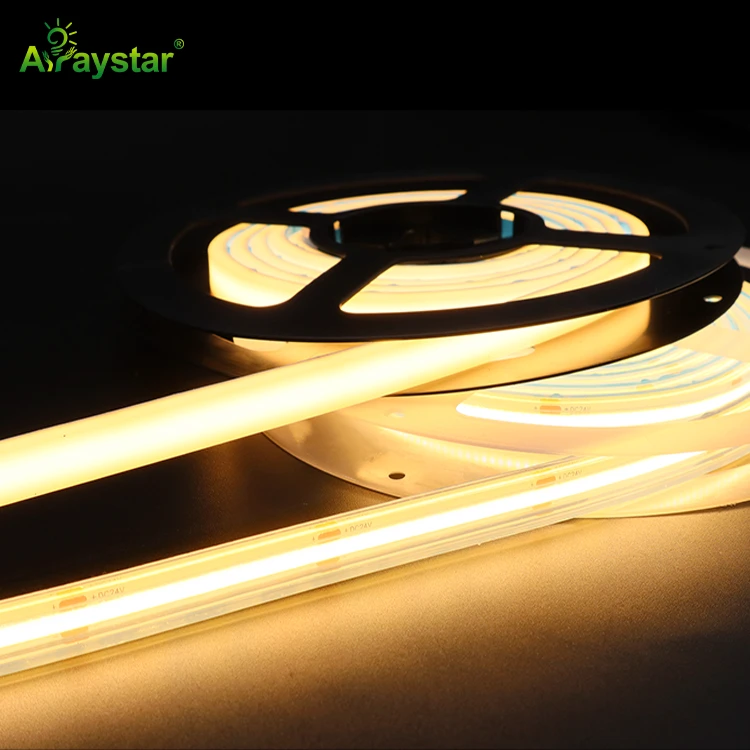
The cleanest modern approach integrates the light into the handrail itself or the stringer just below it, aimed down across the treads. For this you want side-emitting strip - the LEDs emit from the edge of the tape rather than straight up, which is exactly what's needed to send light sideways/down into a handrail channel or along a narrow wall recess.
5040 side-emitting strip laid into a handrail extrusion or a recessed channel in the stringer casts a soft grazing light across each tread nose, defining the step edges without a visible row of dots. Because the light is aimed at the feet and the source is recessed, there's no glare whether you're ascending or descending.
Corner Profiles for Landings and Turns
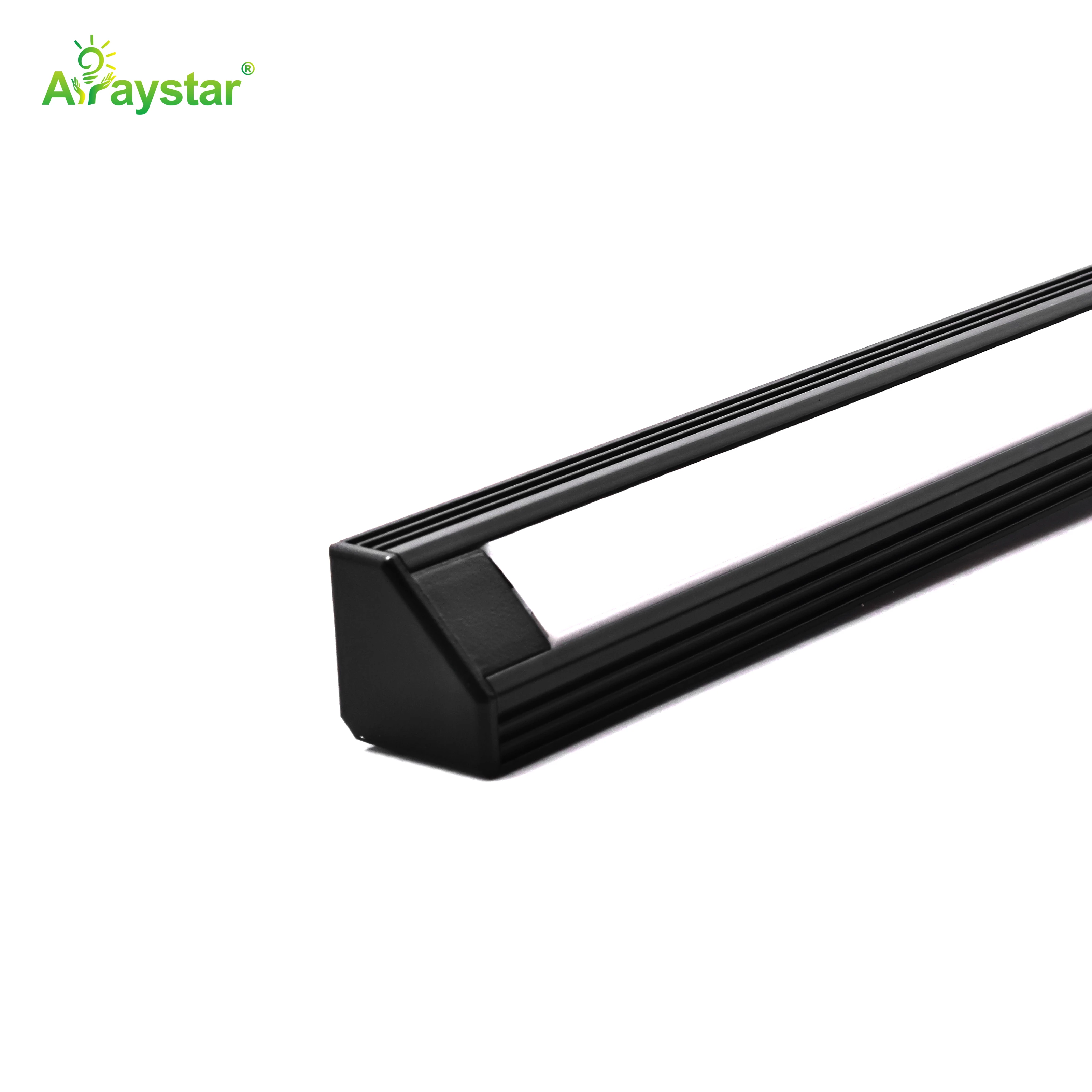
Stairs turn, land and change direction, and a straight channel leaves dark gaps at each corner - exactly where someone misjudges a step. A corner profile lets the continuous line follow inside and outside turns so the wayfinding glow never breaks at a landing.
A corner (angled) aluminum profile carries the strip cleanly around 90-degree turns and along the handrail-to-wall junction, maintaining a continuous diffused line up the whole flight and across landings. Plan the channel route before installation - handrail-integrated jobs need the extrusion and strip specified together rather than retrofitted.
- Keep the line continuous across landings - dark corners cause missteps.
- Recess the source so it lights treads, not the eyes of someone descending.
- Use opal diffusers; stair light should be a soft glow, never visible dots.
- Match channel and handrail extrusion at the specification stage.
Automatic Step and Motion Sensors
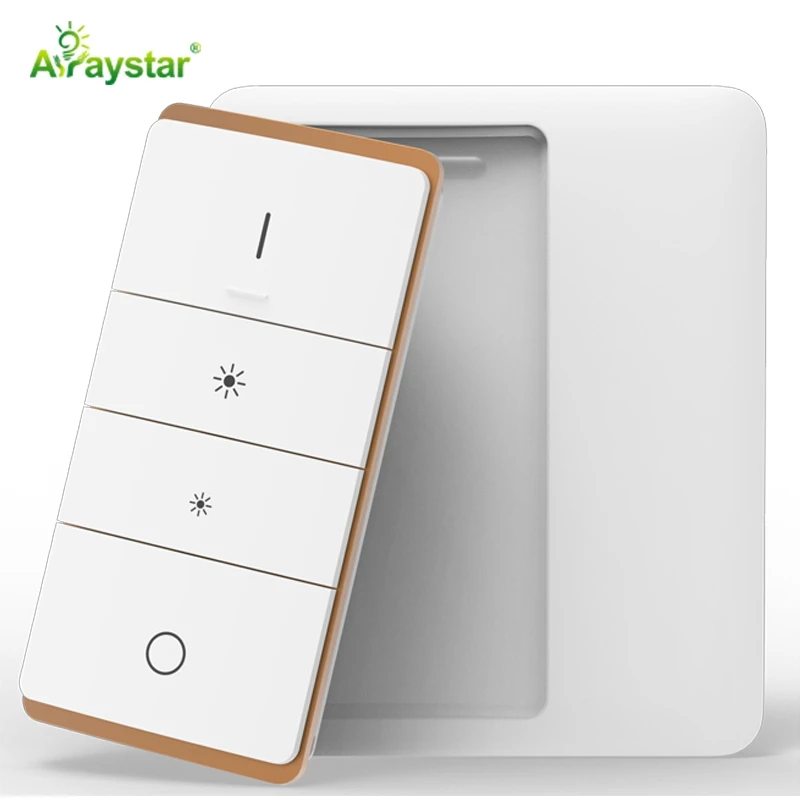
Stair lights that need a wall switch never get used on the night trip you actually need them for. Automatic control - a sensor that lights the run as someone approaches and steps through it - is what makes the system genuinely safe and effortless.
Step sensors embedded along the run can light treads progressively as you ascend or descend (a premium effect), while a simple contact or PIR sensor at the top and bottom brings the whole run up at low warm brightness and fades it out after you leave. A contact sensor tied to a bedroom door or the stair gate is a simple, reliable trigger for the nightly path.
Brightness, Color and the Glare Rule
Stair-lighting spec at a glance.
| Parameter | Recommendation |
|---|---|
| Level | Low and even - just enough to read tread noses |
| CCT | 2700-3000K warm to preserve night vision |
| Position | Handrail/stringer/foot level, recessed and downward |
| Control | PIR/step/contact sensors, auto fade in/out |
| Continuity | Unbroken line including corners and landings |
| Diffuser | Opal, no visible dots, no glare on descent |
Resist the urge to make stairs bright. At night the eye is dark-adapted, and a soft warm line that defines each edge is both safer and more elegant than a wash of light. Wire the run from a compact low-voltage driver tucked under the stairs or in a landing cupboard, and the system is essentially maintenance-free.
Recommended Products
Frequently Asked Questions
What is the best LED strip for stair handrails?
Side-emitting strip (such as 5040) recessed into a handrail extrusion or the stringer, so the light is directed sideways and down across the tread noses rather than up into the eyes. Use an opal diffuser for a soft continuous dot-free line and corner profiles to keep the glow unbroken around landings and turns.
How bright should stair lighting be?
Deliberately low and even - just enough to clearly read each tread's leading edge at night. Bright stair lights create glare and destroy dark-adapted vision, which is less safe. Warm 2700-3000K at foot level, continuous along the run, is both safer and more elegant than bright overhead light.
How do I make stair lights turn on automatically?
Use PIR sensors at the top and bottom to bring the whole run up at low warm brightness and fade it out after use, or embed step sensors that light treads progressively as you walk. A contact sensor on a bedroom or stair-gate door is a simple reliable trigger for the nightly path.
Where should LED strips be positioned on stairs?
At foot level - integrated into the handrail, along the stringer, or in a recessed wall channel - aimed down across the tread noses, with the glowing source recessed so it isn't visible to someone descending. Avoid mounting bright strips at eye level or overhead, which glare and cast shadows on the steps.
How do I keep stair LED light continuous around corners and landings?
Use corner aluminum profiles that carry the strip and diffuser around 90-degree turns and across landings instead of stopping the channel at each change of direction. Dark gaps at turns are where people misjudge steps, so plan the full handrail/stringer route - including corners - before installing.
Need help with your LED project?
Get factory-direct pricing, free samples and engineering support within 24 hours.
Email: info@arraystarled.com | Phone: +86-0755-2103-6746 | WhatsApp: 0086 1581 8514 077
Need to size your power supply? Use our LED Strip Power Calculator to find the right driver in seconds.







