
15-Metre Continuous IP67 Neon With No Voltage Drop
- 2026-10-09 18:40
- /
- Arraystar LED
Outdoor outlines look their best when there are no visible power leads breaking the line, which is what a purpose-built 15-metre single-feed IP67 neon delivers. By staying uniform across a full 15 metres from one feed, it removes most of the junction points that complicate waterproofing. It is a low-voltage, touch-safer alternative to mains driverless neon for medium outdoor runs.
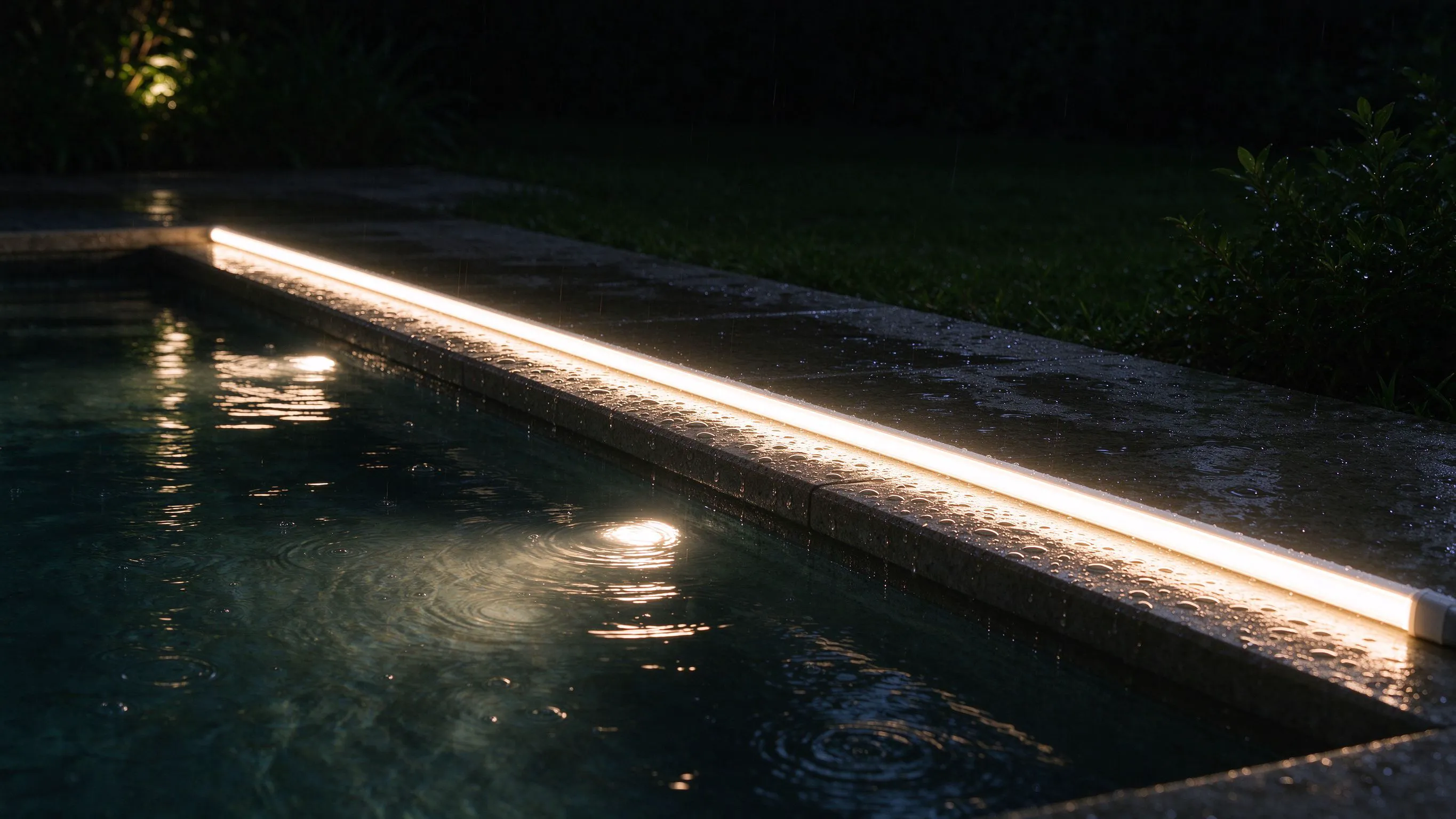
Why Outdoor Neon Ends Up Covered in Power Leads
On a typical low-voltage outdoor outline, the strip can only run a few metres from a feed before voltage drop dims the far end. To keep brightness even, installers add a feed every few metres, and every feed is a cable, a connector and a hole in the waterproofing. On a facade or sign exposed to rain, each of those junctions is a future leak.
A long-run neon engineered for a 15-metre single feed attacks the problem at the source: fewer feeds means fewer connections, cleaner lines and fewer places for water to get in.
What '15 Metres, One Feed' Really Gives You
- Uniform brightness across a continuous 15-metre run from a single power feed.
- Fewer visible leads breaking the outline of a sign or facade.
- Fewer waterproof junctions, directly reducing leak risk on outdoor work.
- Faster, cleaner installation with less cable to route and hide.
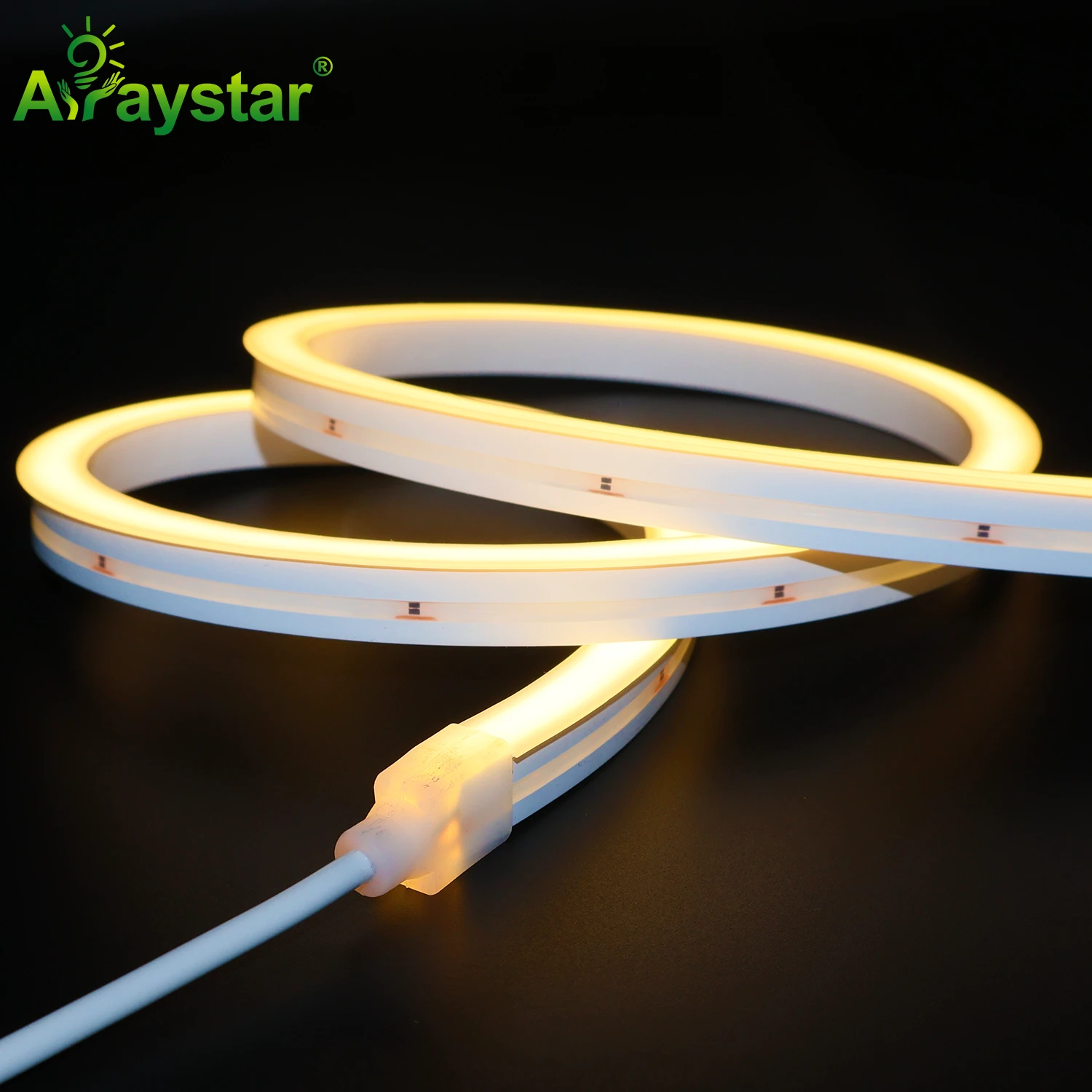
The IP67 long-run 15-metre neon at 120 LEDs per metre is the product I reach for when an outdoor outline is longer than a standard feed but does not justify stepping all the way to mains-voltage driverless product. It keeps the safer low-voltage architecture while extending the clean run.
How It Stays Uniform Over 15 Metres
Long-run low-voltage products achieve their distance through a combination of wider copper conductors, matched LED loading and sometimes a higher system voltage or constant-voltage design tuned for length. The practical result is that the voltage at the 15-metre point stays within the LED's tolerance, so the far end matches the near end. As always, I confirm the stated length against the real loaded wattage and the driver rather than treating 15 metres as universal regardless of conditions.
Where the 15-Metre Product Fits
Match the technology to the single longest clean run you need.
| Run length | Recommended approach |
|---|---|
| Up to a few metres | Standard low-voltage neon, single feed |
| Roughly 5-15 metres outdoor | IP67 long-run single-feed neon |
| Beyond 15 metres | Multiple planned feeds, 48V, or 220V driverless |
| Very long building perimeters | 220V driverless (fixed, non-touchable) |
This middle band is extremely common in outdoor signage: logo outlines, fascia runs, menu and pylon sections, landscape and architectural edging. Many jobs are just slightly too long for a standard feed but nowhere near long enough to warrant mains product, which is exactly the gap the 15-metre long-run fills.
IP67 Encapsulation for Outdoor Use
IP67 means the product is protected against temporary immersion and, in signage terms, is built for heavy rain and wet environments through full encapsulation, typically silicone extrusion. That rating is only as good as its weakest point, which on a long run is usually the connector rather than the neon itself. I use matched IP-rated connectors and sealed end caps and I protect every feed point, because the 15-metre advantage is partly about having fewer of those points to seal.
- Use the manufacturer's matched waterproof connectors, not generic barrel plugs.
- Seal every end cap and cable entry intended for outdoor exposure.
- Drain or orient connections so water cannot pool around them.
- Confirm whether the project needs the higher IP68 rating for immersion rather than IP67 rain exposure.
Planning Feeds Beyond 15 Metres
For outlines longer than 15 metres I plan the feeds deliberately rather than letting the run dim. Feeding from both ends of a longer section often extends the even length neatly, and placing feeds at natural corners or behind letters hides them. I keep feed counts as low as the electrical design allows, because every avoided feed is an avoided leak and a cleaner visual line.
Driver and Wattage Planning
A 15-metre run at 120 LEDs per metre adds up to real wattage, so I size the driver for the full loaded length with headroom and use an outdoor-rated or protected supply. I also match dimming gear to the driver if the outline will be dimmed or scheduled. Under-sizing the driver on a long run is a quiet way to end up with the very dimming and colour issues the long-run product was meant to prevent.
Specifying an Outdoor Outline
Send the single longest continuous section, the total outline length, the mounting surface and the exposure (rain, wash-down or potential immersion). I will confirm whether the 15-metre IP67 product clears each section from one feed or where a small number of protected feeds are needed. We supply the IP67 long-run neon with matched connectors and can lay out the feed and driver plan so the finished outline is both uniform and properly weather-sealed.
Choosing Between the Three Outdoor Long-Run Options
When an outdoor outline exceeds a standard low-voltage feed, there are three credible routes, and clients often ask which one applies to them. I decide from run length, whether people can touch the fixture, and how fixed the installation is.
The 15-metre IP67 product is the sweet spot for medium outdoor signage.
| Option | Best run length | Touch / access | Hardware |
|---|---|---|---|
| Standard low-voltage neon | A few metres | Touch-safer, flexible use | Frequent drivers/feeds |
| IP67 15m long-run neon | Up to ~15 m per feed | Low voltage, outdoor-safe | Few feeds, sealed connectors |
| 48V neon | Long architectural runs | SELV, fixed or accessible | Very few feeds |
| 220V driverless | Very long perimeters | Mains, fixed, non-touchable | Minimal, qualified install |
Most commercial signage projects live in that middle band: a fascia logo, a pylon face or an entrance outline that runs five to fifteen metres and is reachable for cleaning or maintenance. There the IP67 long-run neon gives the clean, low-feed installation while keeping low-voltage safety, without taking on the compliance burden of mains product. I only step up to 48V or 220V when the single run genuinely exceeds what the 15-metre product can cover, or when the architecture demands tens of metres of unbroken line. Framing the three options by length and touch access prevents the two mistakes I see most often: over-engineering a short sign with mains hardware, and under-engineering a long outline with dozens of leak-prone low-voltage feeds.
Recommended Products
Frequently Asked Questions
What does '15-metre single-feed neon' mean?
It is a low-voltage neon engineered to stay uniformly bright across a continuous 15-metre run powered from one end, using wider copper and matched loading to control voltage drop. It removes the mid-run feeds and waterproof junctions that shorter-run neon would need on outdoor outlines.
Is IP67 neon suitable for permanent outdoor use?
Yes, IP67 encapsulation is built for heavy rain and wet outdoor environments. The neon itself is well protected, but the connectors and end caps are the weak points, so use matched IP-rated connectors, seal every entry, and keep water from pooling around junctions. Use IP68 rather than IP67 if the fixture will be immersed.
When should I use 15-metre neon instead of 220V driverless?
Use the 15-metre low-voltage product for medium outdoor runs such as logo outlines, fascias and pylons, where you want fewer feeds but still prefer safer touch low voltage. Reserve 220V driverless for very long, fixed, non-touchable building perimeters where even 15 metres is far too short.
What happens if my outline is longer than 15 metres?
Plan deliberate feeds rather than letting the run dim: feeding a section from both ends can extend the even length, and place feeds at natural corners or behind letters to hide them. For much longer runs consider 48V or 220V driverless product, and always size the outdoor driver for the full loaded wattage.
Why are fewer feed points better outdoors?
Every feed adds a cable, a connector and a break in the encapsulation, and each waterproof junction is a potential leak point on a rain-exposed sign. A 15-metre single-feed run minimises those junctions, which both cleans up the visible outline and reduces the number of places water can enter over years of exposure.
Need help with your LED project?
Get factory-direct pricing, free samples and engineering support within 24 hours.
Email: info@arraystarled.com | Phone: +86-0755-2103-6746 | WhatsApp: 0086 1581 8514 077
Need to size your power supply? Use our LED Strip Power Calculator to find the right driver in seconds.







