
How to Recycle LED Strips: WEEE, Components & Disposal Guide
- 2026-10-15 14:34
- /
- Arraystar LED
LED strips don't last forever, and once a project is stripped out the reels, drivers and offcuts shouldn't just go in general waste - they hold copper, aluminium and electronics covered by WEEE rules in many markets. I've worked through the disposal route enough to know it's straightforward once you separate the parts and use the right channel, and I'll lay out how to handle old strips and drivers legally and with minimal hassle.
Why LED Strips Are Not General Waste
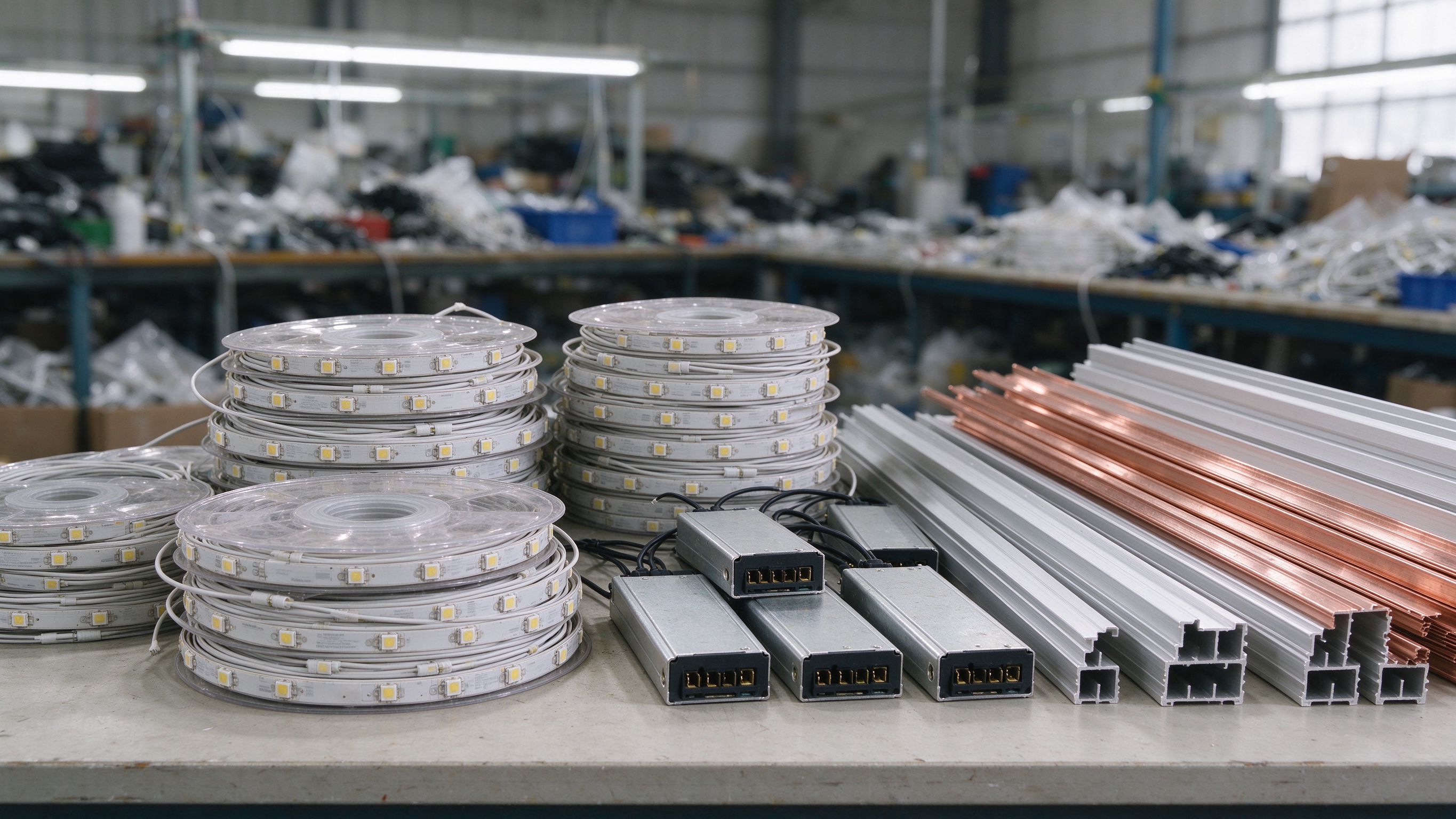
An LED strip is a mix of a copper circuit, aluminium or PCB backing, plastic or silicone, diodes and solder, and a driver adds its own electronics and components, which is why finished electrical product falls under WEEE-type rules rather than ordinary rubbish.
In practice that means the brand, installer or business putting it on the market carries some responsibility for take-back, while a business replacing old lighting needs to route it through the proper electrical waste stream rather than the skip.
Separating Strips, Drivers and Offcuts
I sort a strip-out into three streams before disposal: the reels and cut strips, the drivers and controls, and any metal channels and housings, which keeps the recyclable metal clean and routes the electronics correctly.
Separate it like this:
- LED reels and cut lengths as electrical/electronic waste.
- Drivers and controllers as separate electronic waste.
- Aluminium channels and metal housings to metal recycling.
- Keep silicone-heavy and sealed product with the electrical stream.
WEEE Schemes, Distributors and Take-Back Routes
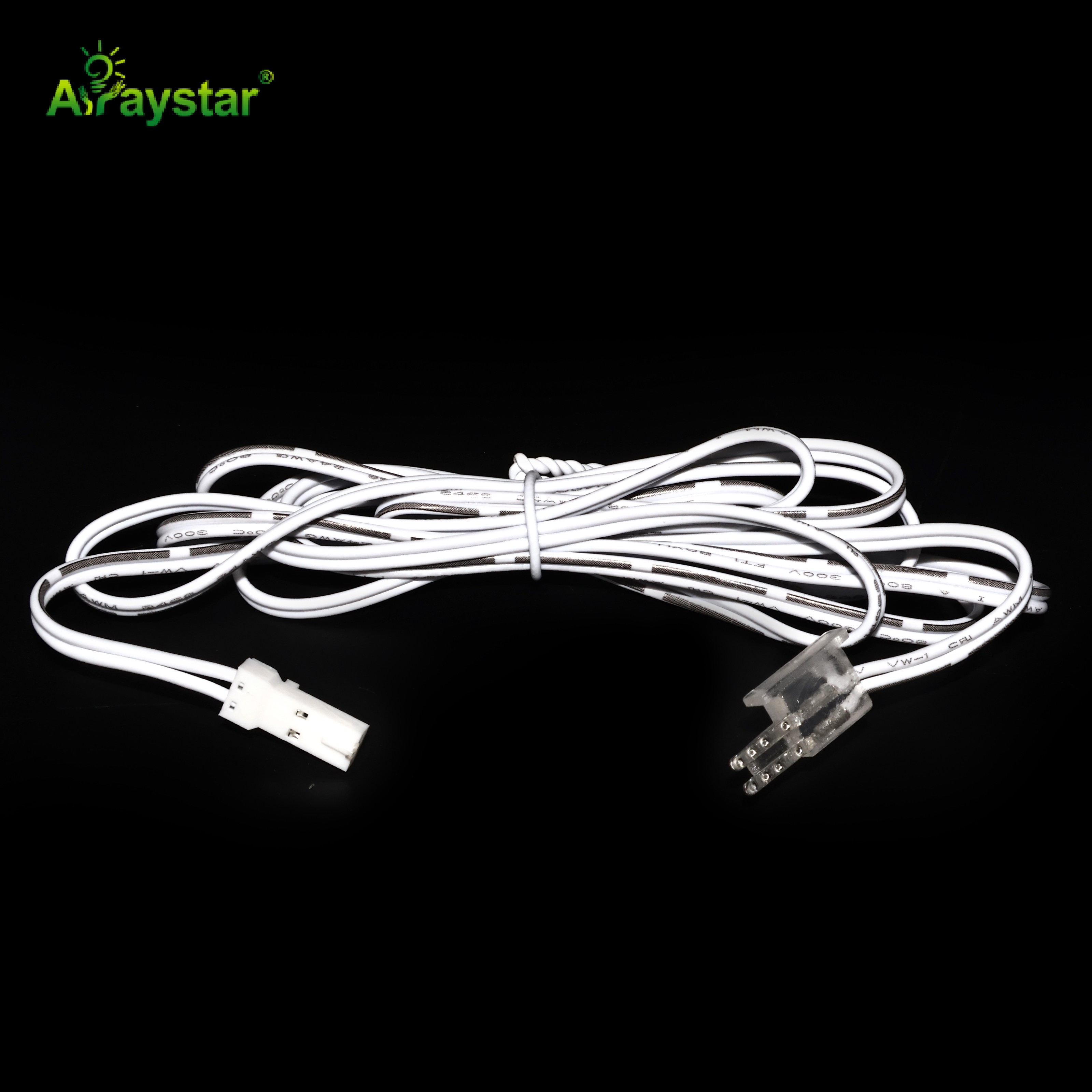
The practical route is usually an authorised WEEE collector or the take-back offered by electrical distributors and civic amenity sites, and for a brand selling into the EU or UK, membership of a compliance scheme and the correct marking keeps the legal side covered.
Because rules and thresholds differ by country and change, I confirm the current local requirement and scheme rather than assuming, and keep simple records of volumes routed through the authorised channel. B2B product often uses a dedicated business take-back rather than the retail route.
Designing for Easier End-of-Life Recovery
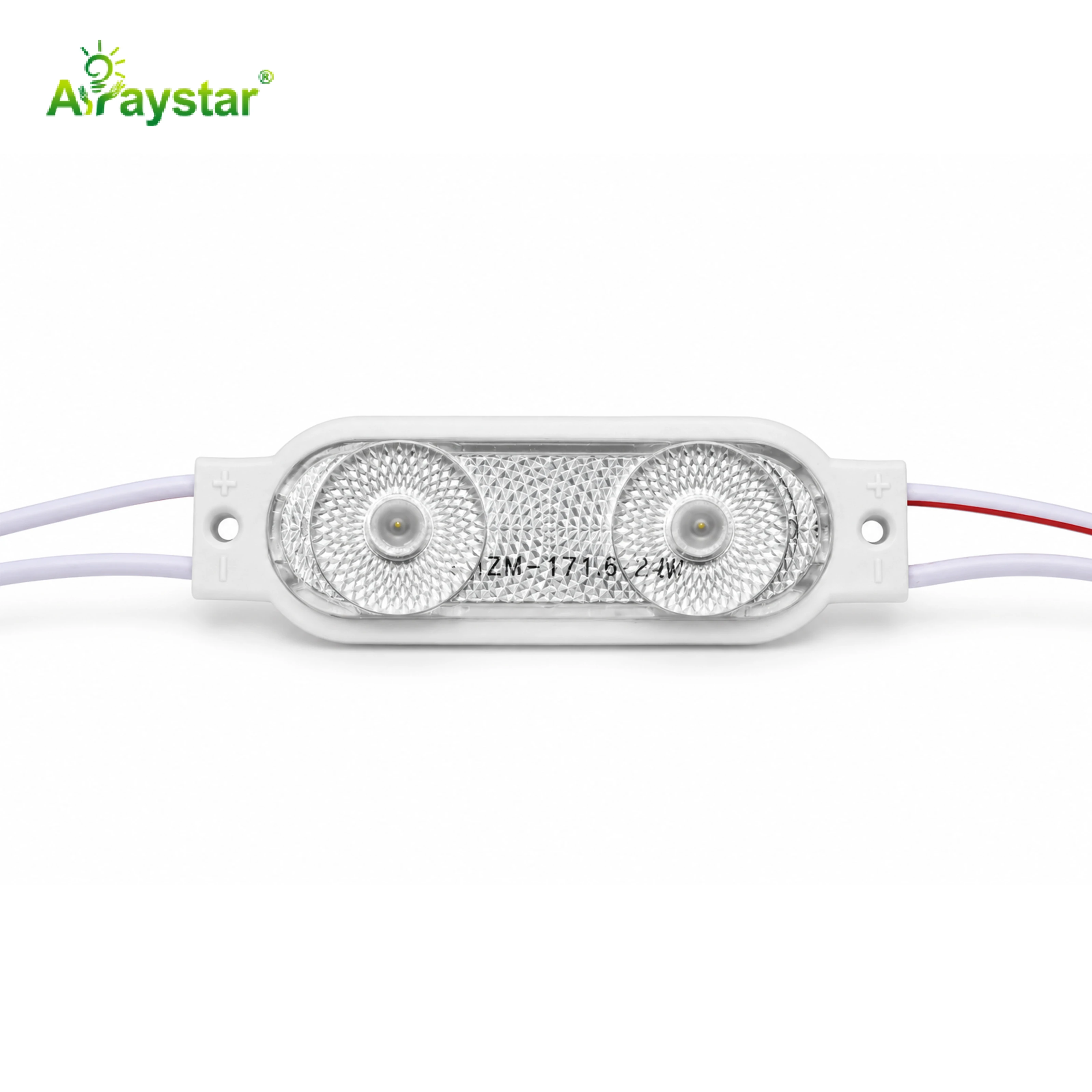
How a strip is built affects how easily it's recovered, continuous strips in reusable aluminium channels come apart cleanly, while fully glued, sealed product is harder to separate, which is worth knowing when specifying for a large install.
Reusing channels and drivers that are still sound, and only replacing the strip itself, cuts both waste and cost on a refit, and choosing durable product in the first place delays disposal entirely. A longer-lasting strip is the simplest waste reduction.
Steps, Records and Keeping Disposal Legal
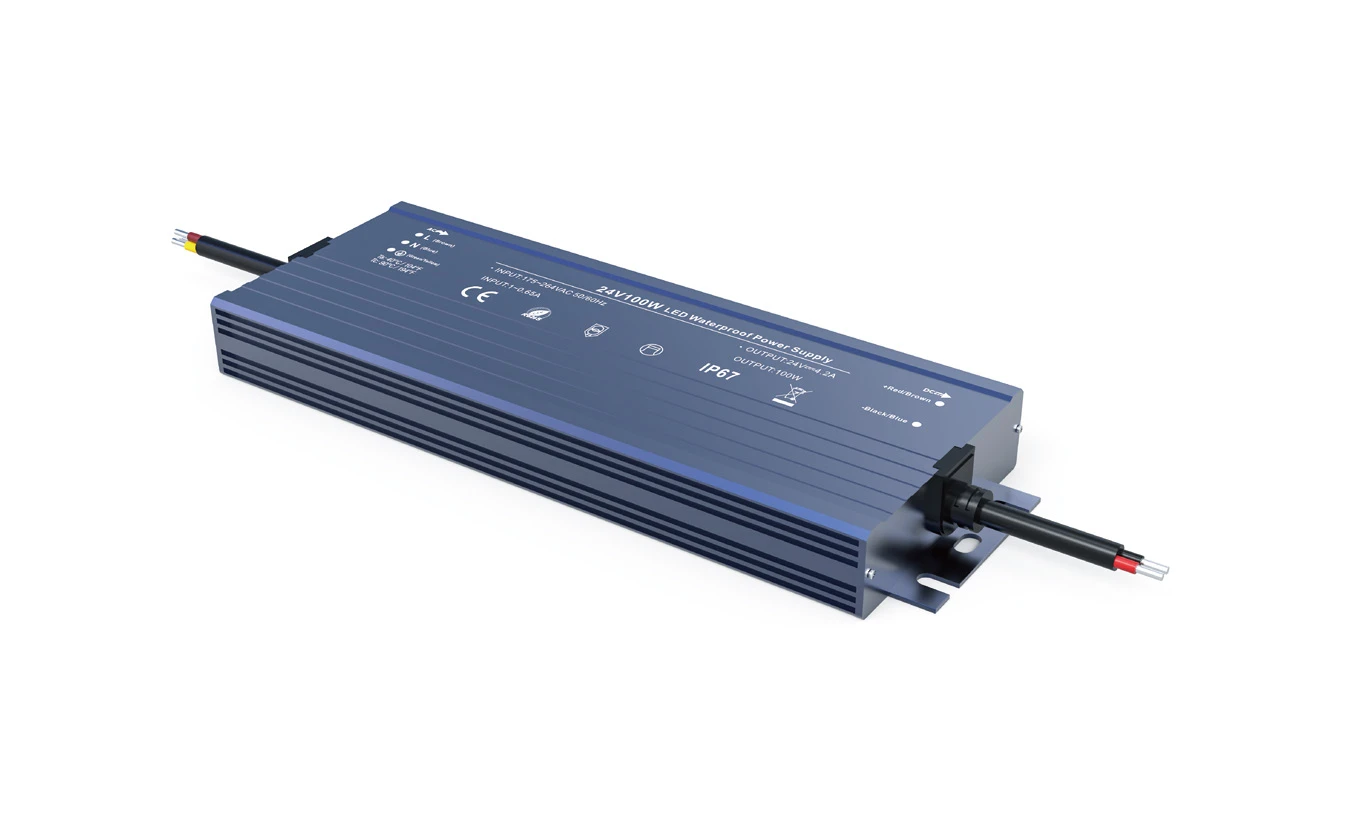
My disposal routine is: sort the strip-out into the three streams, check the current local WEEE route and scheme, book an authorised collection or use distributor take-back, and keep the paperwork that shows it went through the proper channel.
Get the separation and the authorised route right, and LED disposal is a low-fuss process that stays on the right side of the rules while recovering the copper and aluminium rather than sending it to landfill.
Recommended Products
Frequently Asked Questions
Can you throw LED strip lights in the bin?
No, finished strips and drivers are electrical waste containing copper, aluminium and electronics, and in many markets fall under WEEE rules. Route them through an authorised electrical waste collection or distributor take-back rather than general waste.
How do I dispose of old LED strips and drivers?
Sort them into strips, drivers and metal channels, then use an authorised WEEE collector, a civic amenity electrical waste point or distributor take-back. Aluminium channels can go to metal recycling once stripped.
What is WEEE and does it apply to LED strips?
WEEE is the waste electrical and electronic equipment regime covering products like LED strips and drivers. Brands and sellers often need a compliance scheme and marking, while businesses replacing lighting must use the proper waste stream, with rules varying by country.
Are LED strips recyclable?
Yes, the copper circuit, aluminium backing and metal channels are recyclable, though sealed silicone-heavy product is harder to separate. Reusing sound channels and drivers on a refit reduces waste further.
Who is responsible for LED strip take-back?
Typically the business that puts the product on the market carries producer responsibility, while the business or installer removing old lighting must route it correctly. The exact split and thresholds depend on the country and should be confirmed locally.
Need help with your LED project?
Get factory-direct pricing, free samples and engineering support within 24 hours.
Email: info@arraystarled.com | Phone: +86-0755-2103-6746 | WhatsApp: 0086 1581 8514 077







