LED Strip Wire Gauge Guide: AWG Sizing for 12V/24V/48V
- 2026-09-18 18:06
- /
- Arraystar
Quick Answer
Size LED strip feed wire so that voltage drop stays under ~3%: use 18 AWG for short 12V runs under 5 m, 16 AWG for 10 m 24V runs, and 14 AWG or thicker for high-wattage or long feeds. Always size the conductor for the total current (watts ÷ volts), not the length alone, and de-rate for bundled, hot or in-wall cable.
📑 Table of Contents
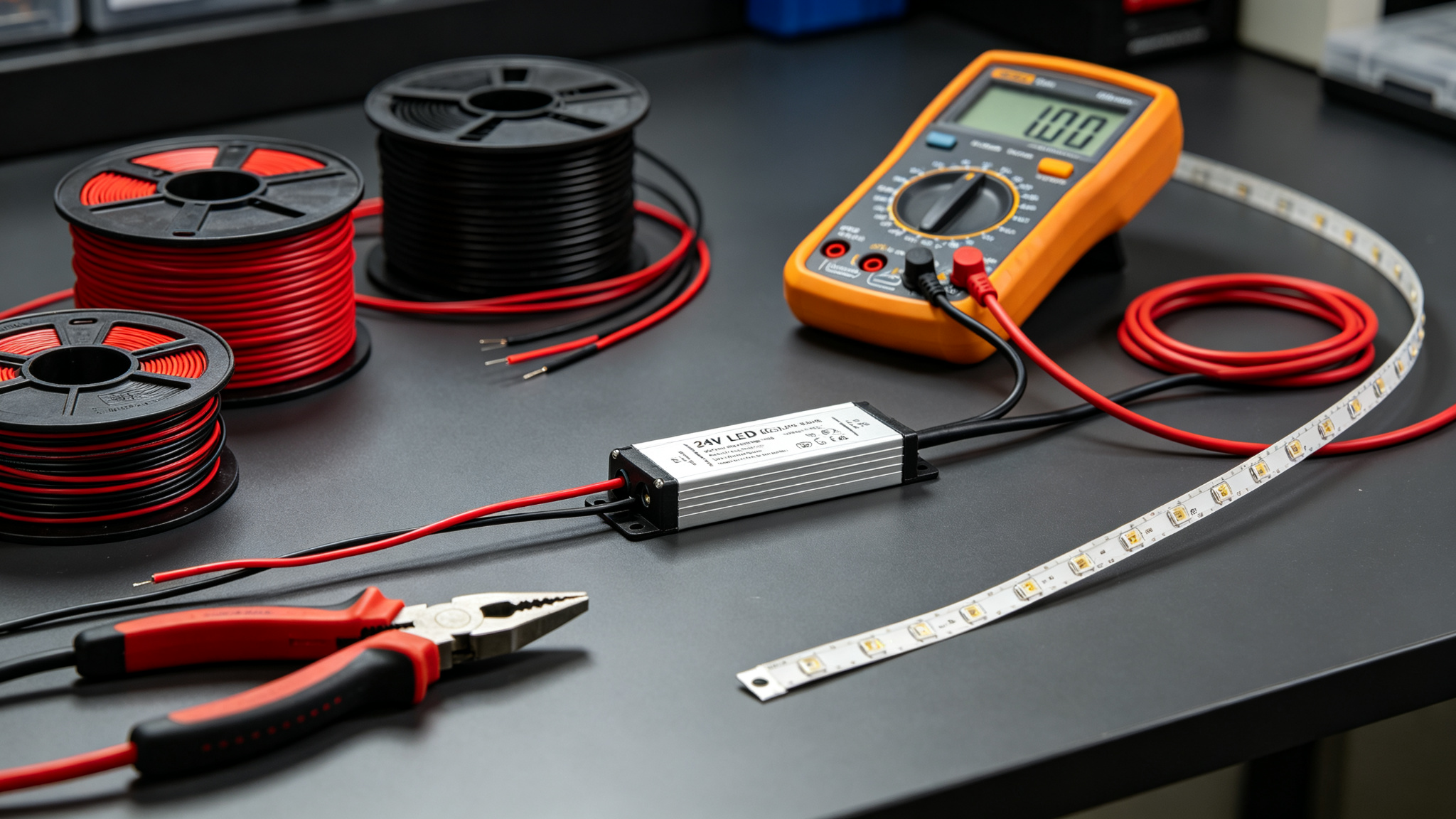
Choosing the right AWG gauge is the difference between a bright, uniform run and a dim, warm, early-failing installation.
Why Wire Gauge Matters for LED Strips
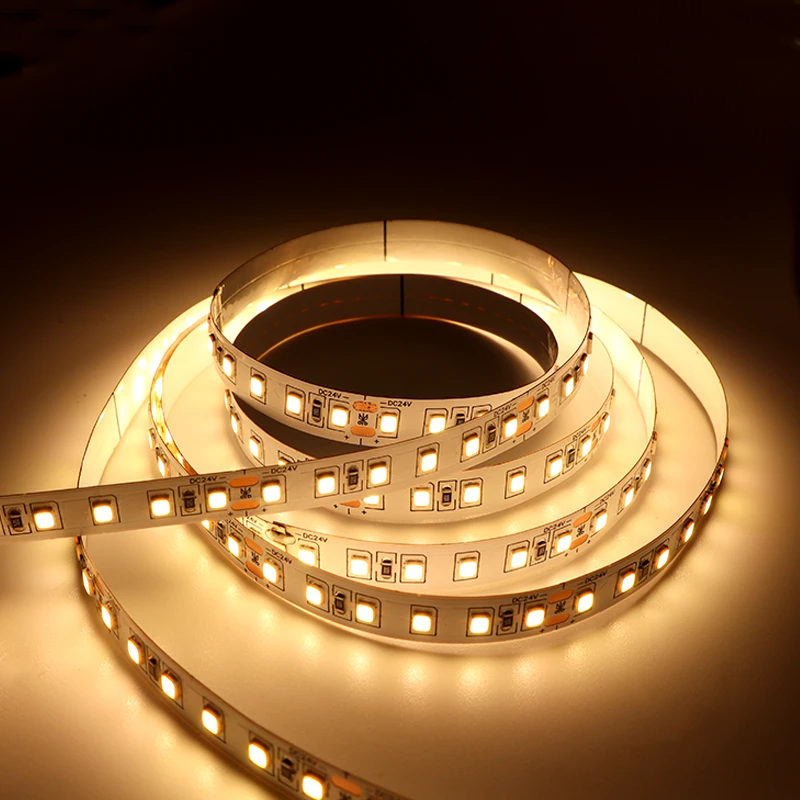
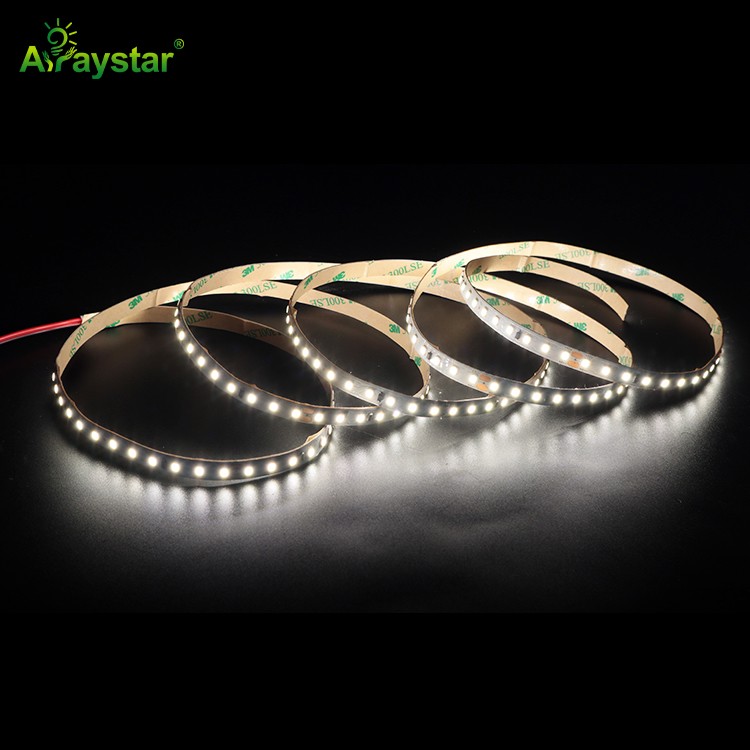
Every copper wire has resistance, and resistance causes two problems: lost voltage and wasted heat. On low-voltage LED strips (12 V, 24 V and 48 V) the current is high — a 9.6 W/m 24 V strip draws 0.4 A per meter, and a 20 W/m 12 V strip draws nearly 1.7 A per meter. Carry that current through too thin a wire and the voltage at the strip end collapses, LEDs dim, color shifts warm, and the conductor itself can overheat.
American Wire Gauge (AWG) is the standard size system for this wire: the smaller the AWG number, the thicker the copper. 18 AWG is fine for a short fixture lead; 12 AWG is a heavy feeder. The job of the designer is simple — pick the smallest gauge that keeps voltage drop acceptable and the conductor cool under the full load. This guide gives you the table, the math and the shortcuts.
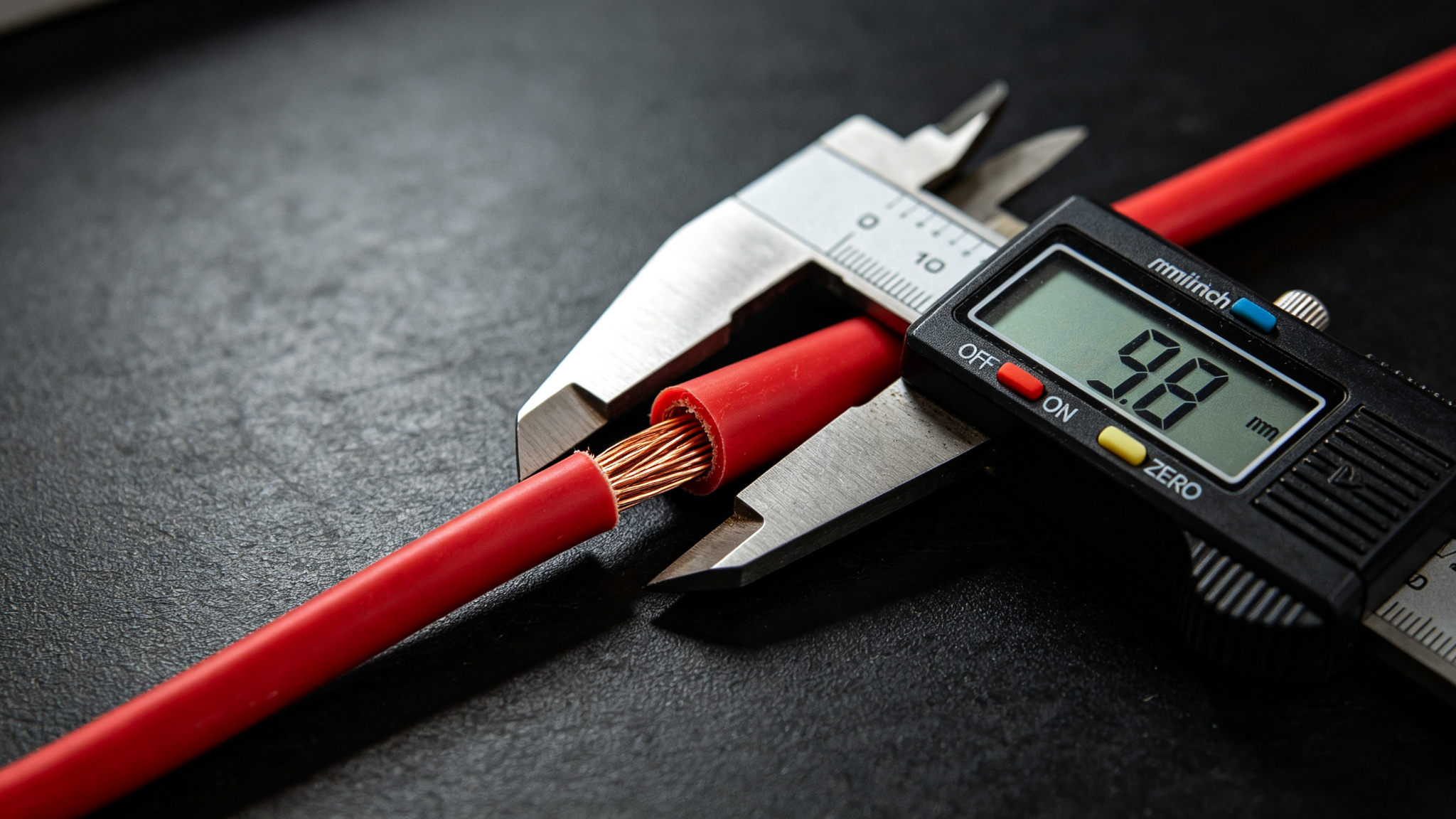
Measure conductor diameter if you are unsure of the gauge — it is the quickest way to confirm a suspect feed cable.
AWG Wire Gauge vs Current Capacity: Reference Table
The table below lists the gauges most often used for LED strip feeds, with typical ampacity (current capacity) for copper at room temperature and the recommended maximum feed length on a 24 V circuit at a light-duty 5 V drop budget. Always use the manufacturer’s rated ampacity and local electrical code for final sizing.
| AWG Gauge | Diameter (mm) | Typical Ampacity | Resistance (ohm/m) | Typical Use |
|---|---|---|---|---|
| 20 AWG | ~0.81 | ~3 A | ~0.034 | Very short fixture leads, signal wires |
| 18 AWG | ~1.02 | ~6–8 A | ~0.021 | 12V runs under ~5 m, short branches |
| 16 AWG | ~1.29 | ~10–13 A | ~0.013 | 24V runs to ~10 m, under-cabinet feeds |
| 14 AWG | ~1.63 | ~15–18 A | ~0.0085 | High-wattage feeds, long 24V branches |
| 12 AWG | ~2.05 | ~20–25 A | ~0.0053 | Main feeders, 48V long runs, high-power bars |
| 10 AWG | ~2.59 | ~30–35 A | ~0.0033 | Very long high-current feeders |
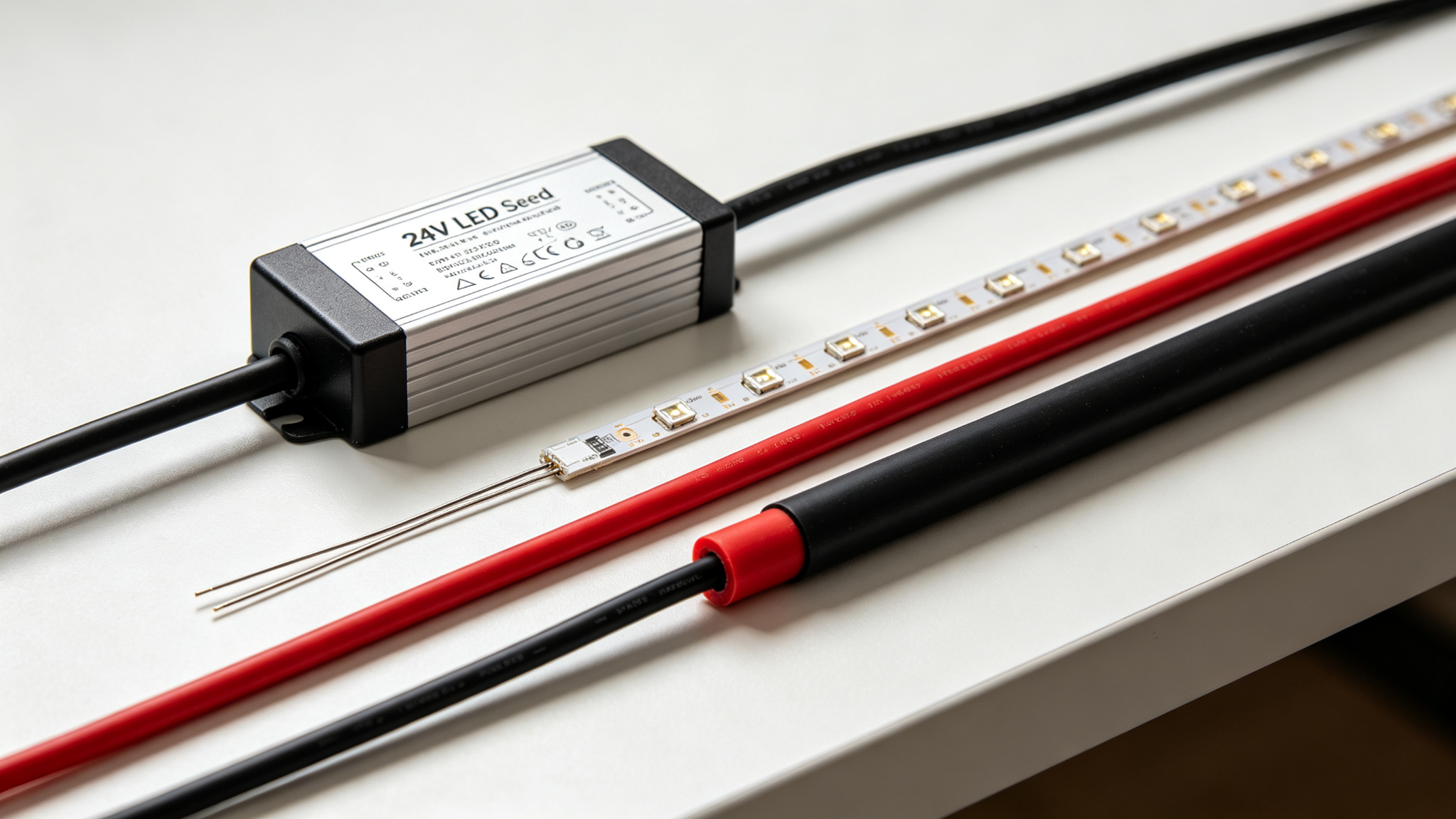
Thin and thick feed cable side by side — the right gauge is chosen by current and length, not by convenience.
How to Size Wire: the Voltage-Drop Calculation
Work in three steps. First, find the total load current: I (amps) = total watts ÷ supply volts. For a 10 m run of 24 V strip at 9.6 W/m, that is 96 W ÷ 24 V ≈ 4 A. Second, estimate the round-trip resistance of the feed wire (current travels out and back, so use twice the one-way length). Third, compute the voltage drop: Vdrop = I × R. Aim to keep Vdrop under 3% of the supply — 0.36 V on 12 V, 0.72 V on 24 V, 1.44 V on 48 V.
If the drop is too high, move up one gauge (e.g. 18 AWG to 16 AWG halves the resistance), shorten the feed distance, or inject power closer to the strip. For the full theory behind this, read our guide to LED strip voltage drop: causes, effects and solutions.
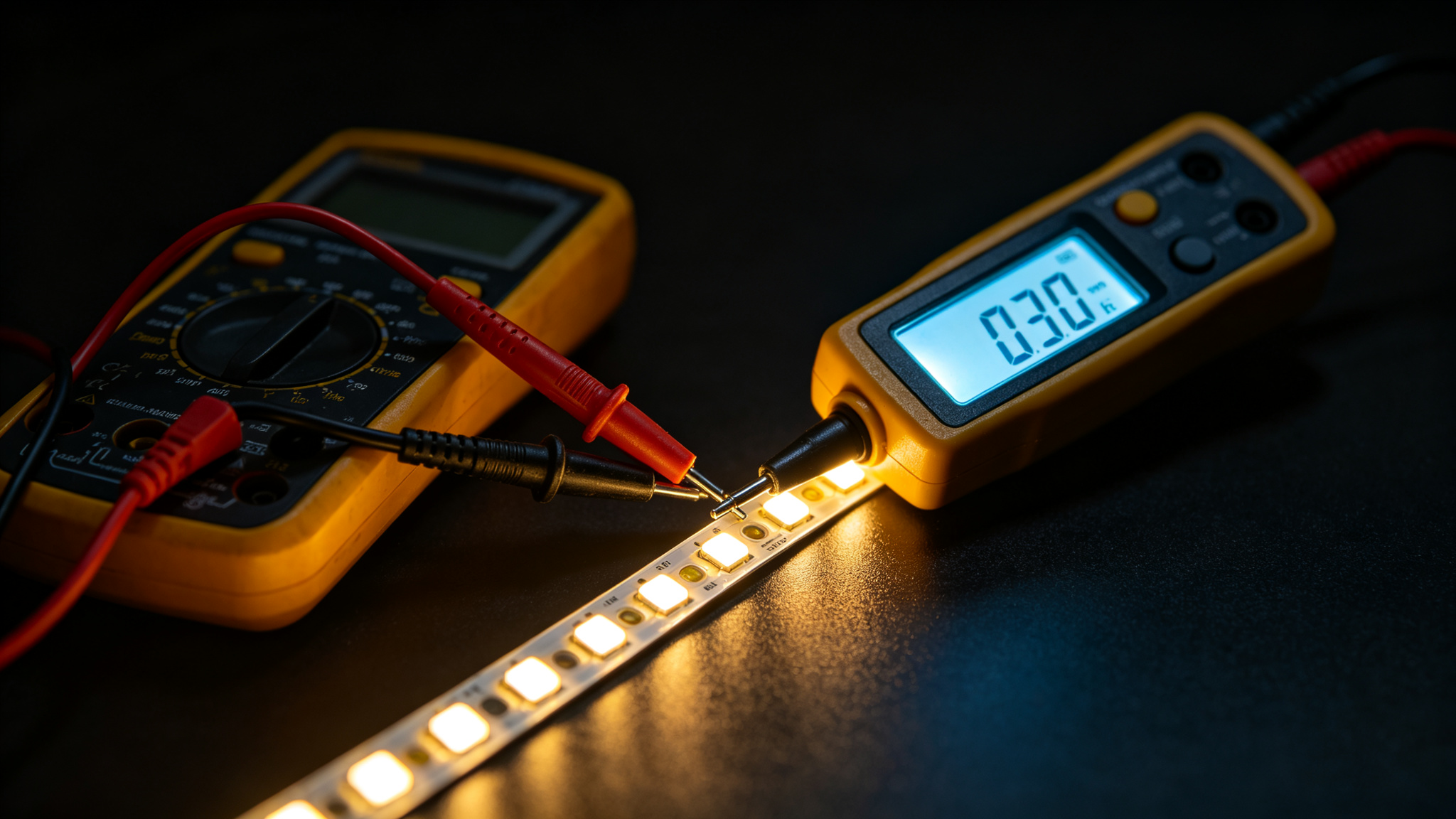
Measure at the far end under full load — that is where voltage drop finally shows up on the LEDs.
Rule of thumb: target ≤3% voltage drop. If your feed is longer than ~5 m on 12 V or ~10 m on 24 V, before you thicken the wire try moving the driver closer or injecting power — it is often cheaper and more effective.
Gauge by Voltage and Run Length: Quick Chart
The table below is a practical starting point for a typical LED strip feed carrying up to ~5 A (about 120 W on 24 V, 60 W on 12 V). Use it as a first cut, then check with the 3% drop calculation for high-wattage runs.
| Feed One-Way Length | 12 V Circuit | 24 V Circuit | 48 V Circuit |
|---|---|---|---|
| Up to 3 m | 18 AWG fine | 20–18 AWG | 20 AWG fine |
| 3–6 m | 16 AWG | 18–16 AWG | 18 AWG |
| 6–10 m | 14 AWG (or inject) | 16 AWG | 16 AWG |
| 10–20 m | Not recommended — inject power | 14–12 AWG | 14 AWG |
| 20 m+ | Use 24V/48V instead | 12 AWG + injection | 12 AWG |
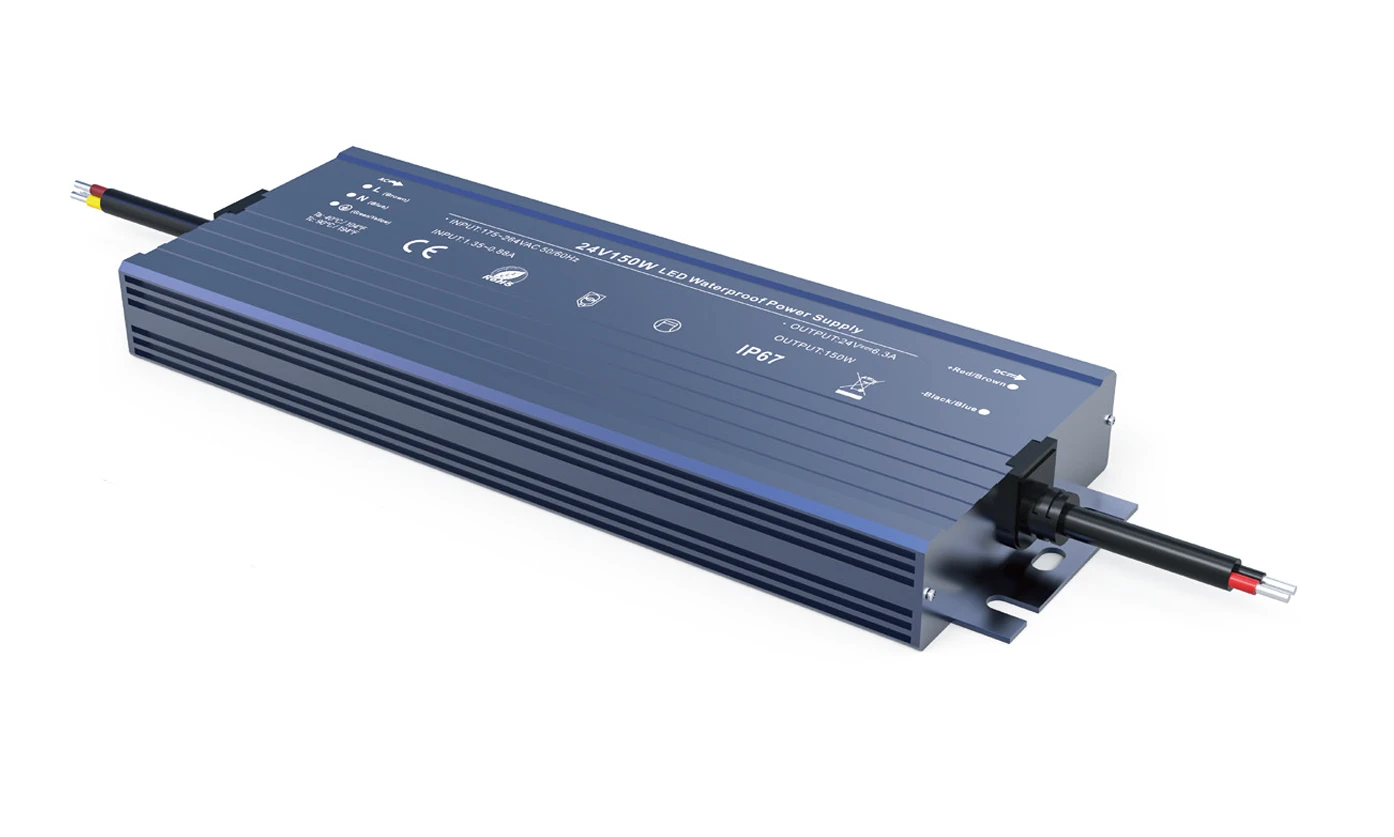
Note how moving from 12 V to 24 V halves the current for the same wattage, which is why 24 V strips can run noticeably farther on the same gauge. For the wider context, see our 12 V vs 24 V selection guide, and pair your gauge choice with the right driver size in the power supply sizing calculator guide.
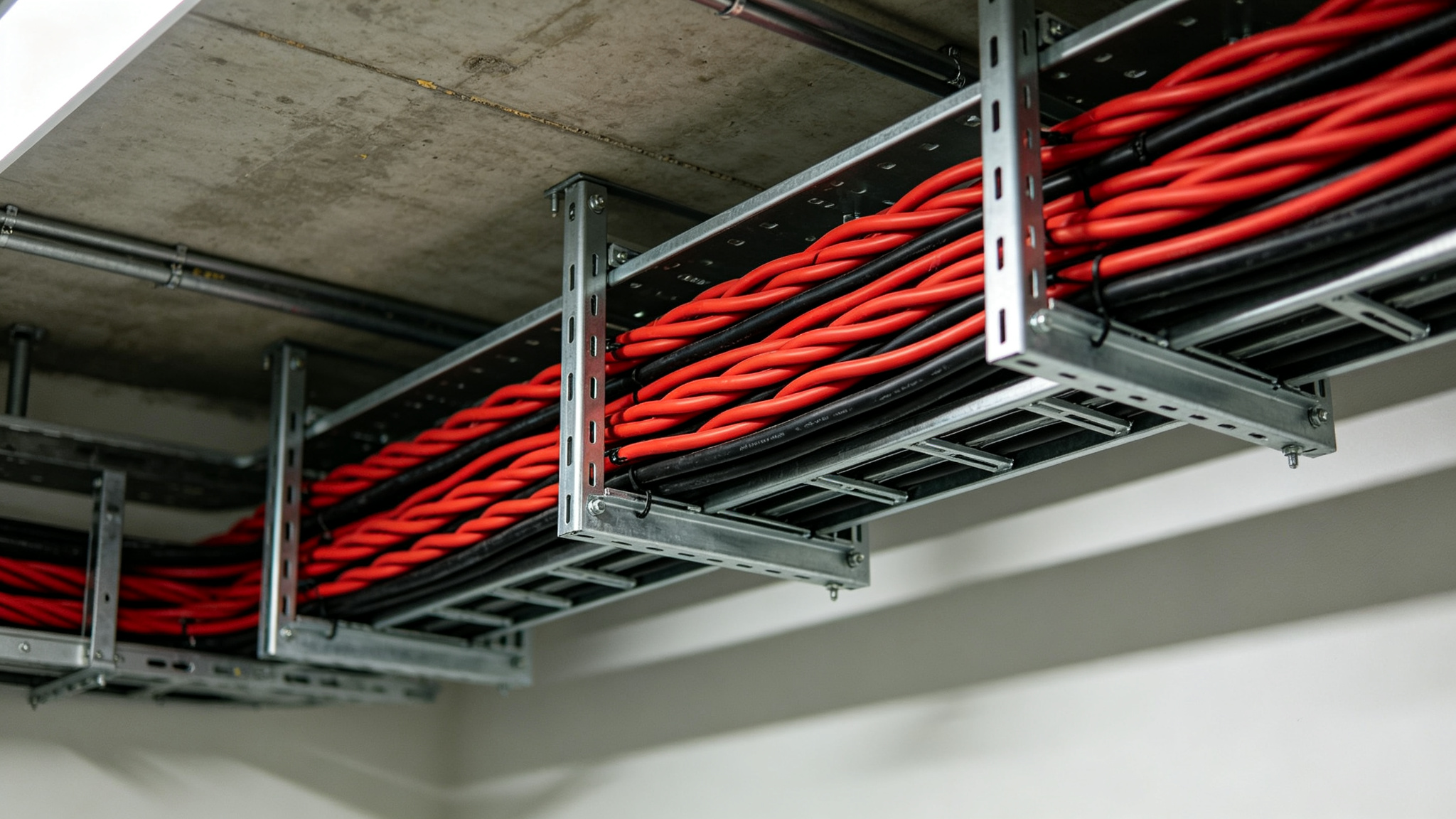
Keep feeder runs in a tidy tray and never coil excess wire — coiled cable behaves like an inductor and runs hotter.
Installation Best Practices
- Never undersize to save cost: a thinner wire is cheaper than a rewiring job or a premature driver failure.
- De-rate bundled cable: if several feeds share a conduit or trunking, drop the ampacity one step and use thicker gauge.
- Account for heat: cable inside a hot wall or near the driver runs hotter; use a lower ambient rating.
- Crimp proper terminals: use ferrules or ring terminals and the correct crimp tool instead of twisted-and-taped joints (see below).
- Keep the return path short: remember the round trip — both the positive and negative legs count toward voltage drop.
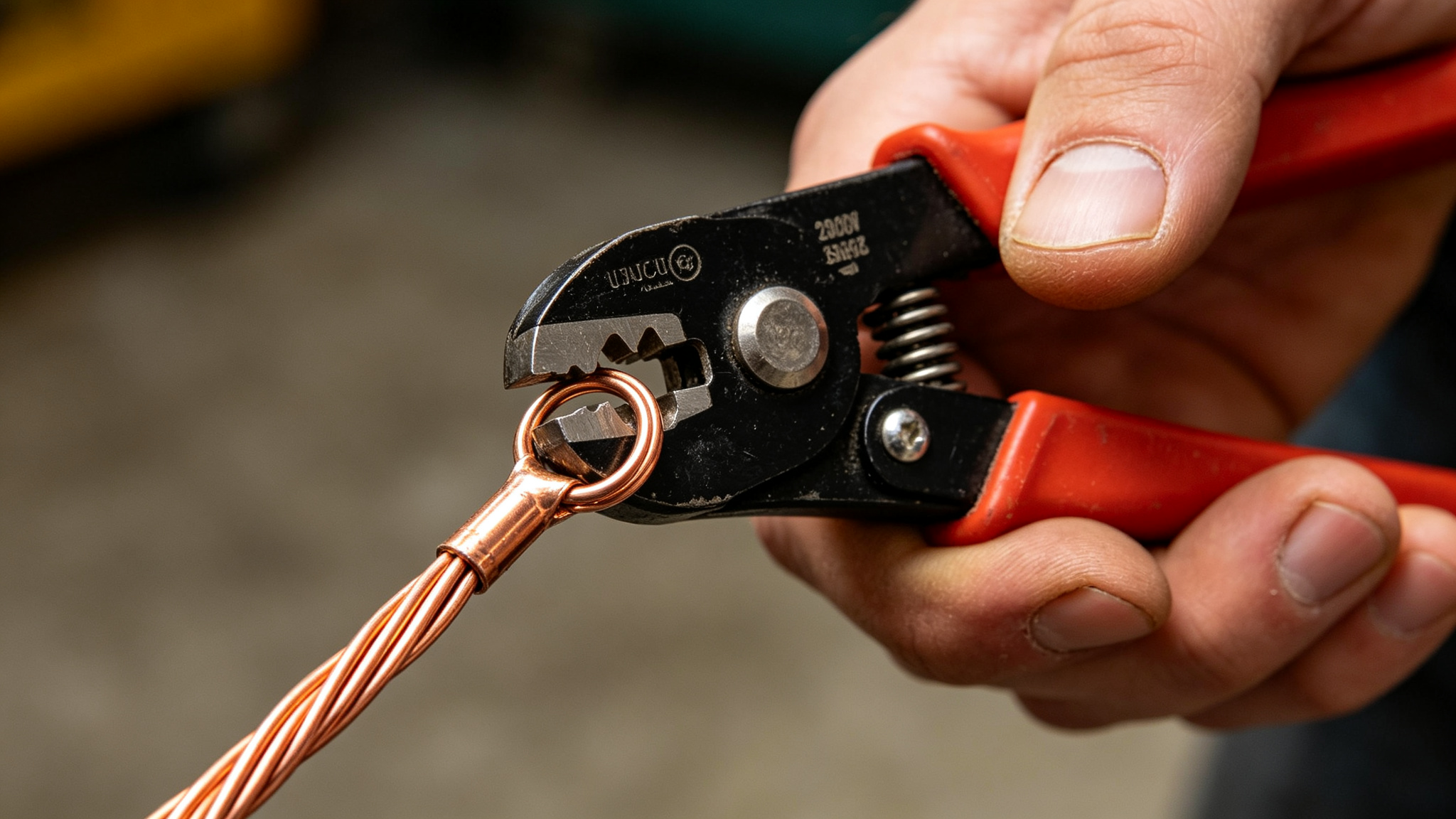
A proper crimped terminal stays tight for years; a taped twist looses up and becomes a resistive, warm spot.
Recommended Products
Frequently Asked Questions
What happens if LED strip wire is too thin?
The thin wire drops voltage, so the far end of the run dims and shifts toward warm yellow. Worse, the wire heats up under load — bundled or in-wall thin cable can become a genuine fire risk at high current. Size for the full load current and keep the voltage drop under 3%.
Should I use 18 AWG or 16 AWG for 24V LED strip?
For a short 24V run under about 5 m at moderate wattage, 18 AWG is fine. For 6–10 m runs or loads above roughly 5 A, step up to 16 AWG. Above that or for high-wattage bars, use 14 AWG or move the driver closer.
Does voltage drop count one way or round trip?
Round trip. Current flows out through the positive wire and back through the negative wire, so both conductors add their resistance. In your V = I × R calculation, use twice the one-way cable length.
Can I just use thinner wire and a bigger driver?
No. A bigger driver cannot fix resistive loss in the cable — the voltage still drops before it reaches the strip. The correct fix is thicker gauge, shorter feed distance, or power injection closer to the strip.
Designing a wiring plan for your LED project?
Get factory-direct driver sizing, cable advice and a custom quote within 24 hours.
Get a Quote