
Office Ceiling Panel Light Retrofit: LED Frame Panels for Drop Ceilings
- 2026-09-30 17:39
- /
- Arraystar LED
Retrofitting office fluorescent troffers and tired recessed grids to LED is one of the fastest-payback lighting projects a facility can run - it cuts energy and maintenance, removes flicker and improves the light quality that affects comfort and productivity. The decisions that make or break it are the right panel form factor and mounting (frame/backlit, 595x595/600x600 grid), selectable color temperature to match the space, and pairing perimeter/cove strip where panels alone look flat. Get photometric levels and controls right and the retrofit is invisible in the ceiling but obvious in the room.
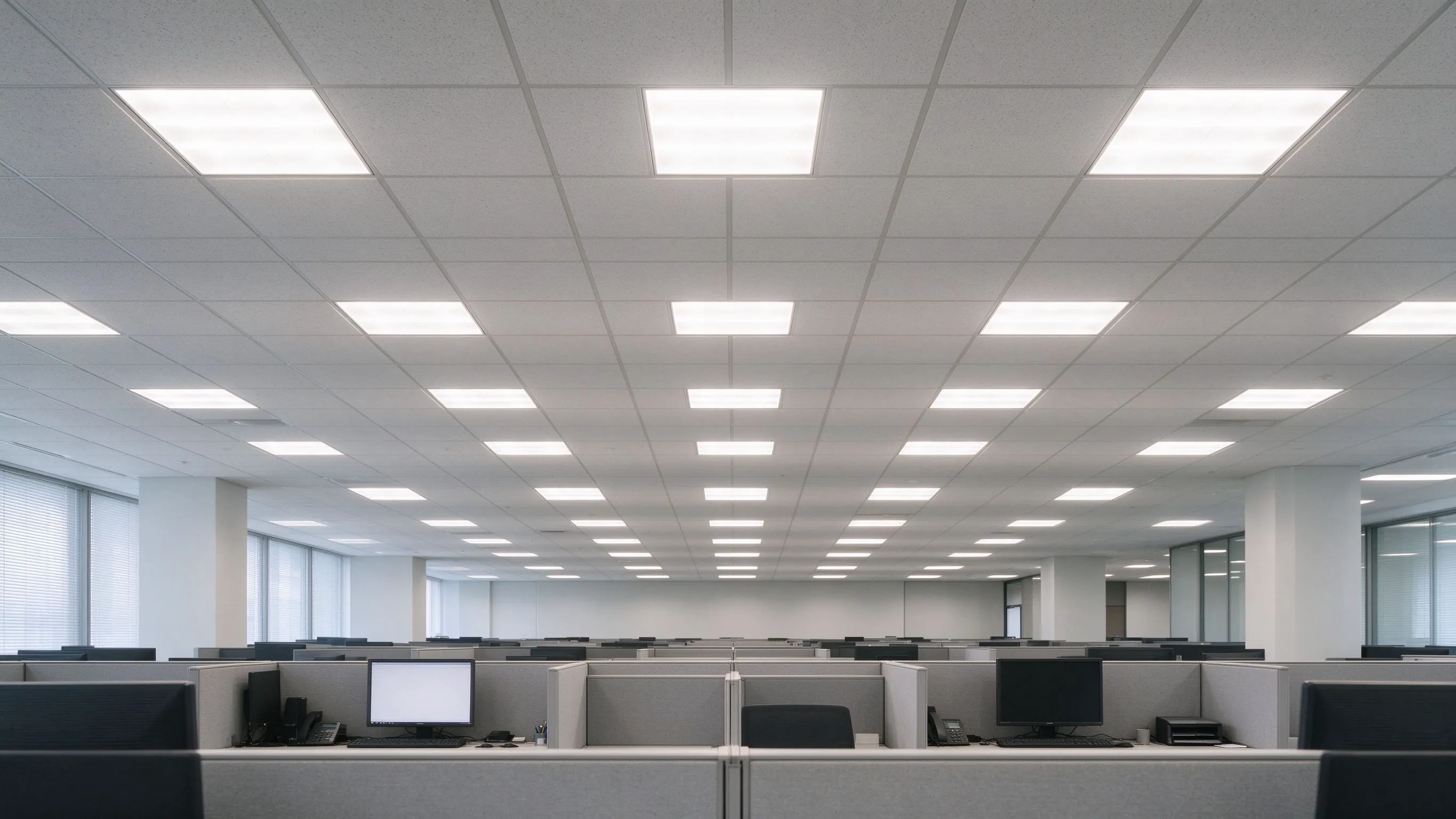
Why Office Troffer Retrofits Pay Fast
Legacy fluorescent troffers and recessed modular fixtures are energy-hungry, flicker (especially as tubes and ballasts age), lose brightness fast, need recurring tube/ballast replacement, and often deliver poor, uneven light with dated color. LED panel retrofits cut wattage dramatically, last far longer with virtually no maintenance, start instantly, dim cleanly and improve uniformity and color.
Because the fixtures drop into the existing suspended-ceiling grid with no structural change, an LED panel retrofit is low-disruption and typically pays back through energy and maintenance savings quickly - especially when paired with controls. It's the highest-ROI lighting upgrade in most offices, schools and commercial fit-outs.
Panel Types: Frame/Backlit and Grid Sizes
LED panels come in edge-lit and backlit constructions and standard modular sizes to match ceiling grids - 595x595mm for metric 600x600 grids, plus 295x1195/595x1195 for the larger modules. A frame panel light is a self-contained LED module designed to replace the troffer in the grid, often with its own frame for clean surface or recessed mounting.
The 50W LED frame panel at 595x595mm is the direct one-for-one replacement for a standard modular ceiling tile position, delivering bright even light at a fraction of a fluorescent troffer's wattage. Confirm grid size (metric 600-module vs imperial 2x2ft/2x4ft) before ordering, and choose backlit panels for higher efficacy and less edge shadowing on large areas.
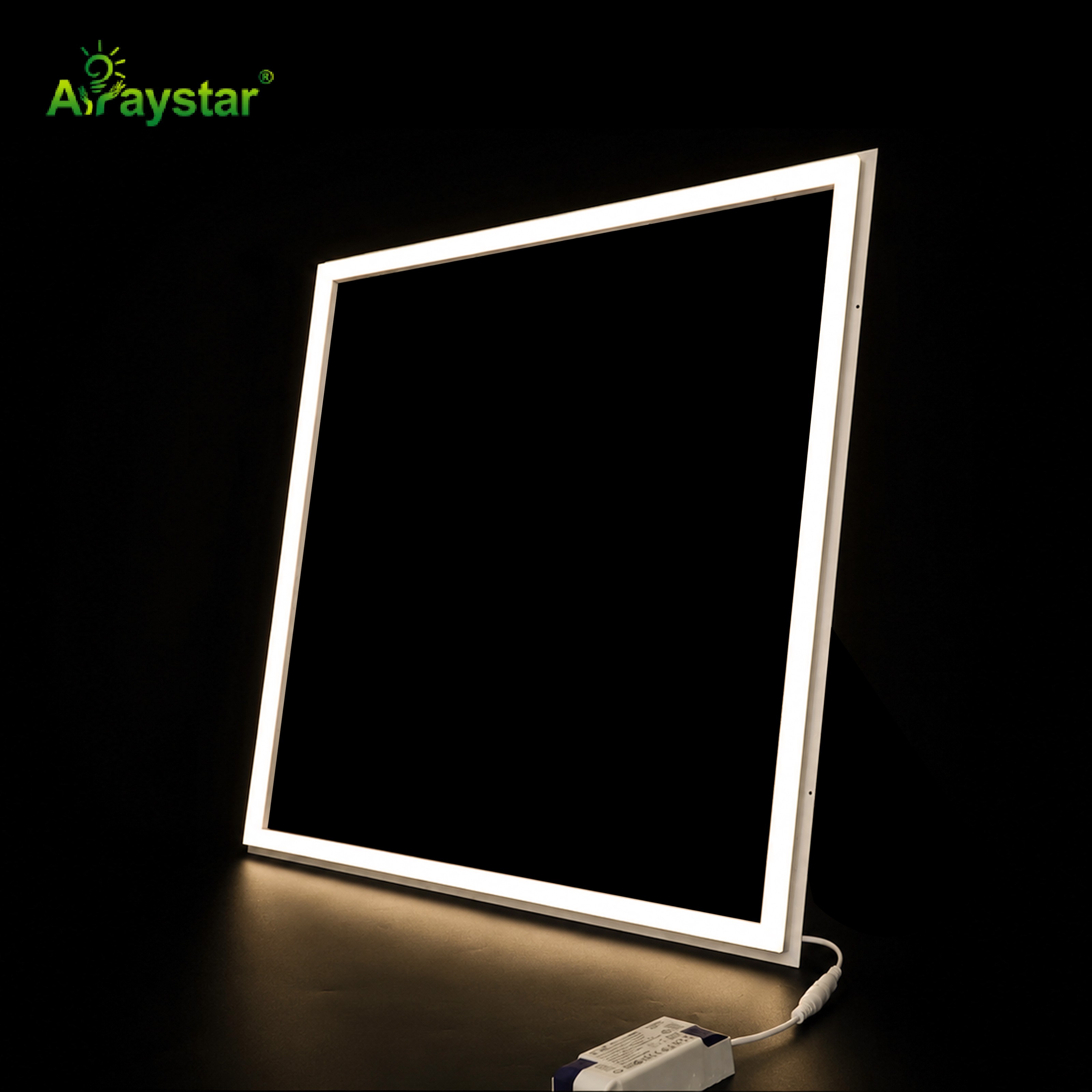
Office panel retrofit specification checklist.
| Spec point | What to check |
|---|---|
| Grid size | 595x595 metric 600 grid vs 2x2ft/2x4ft imperial |
| Construction | Backlit (efficacy/evenness) vs edge-lit (slim) |
| Wattage/lumens | Match required lux, not old fixture watts |
| CCT | Fixed vs 3CCT selectable for flexibility |
| UGR / glare | Low-UGR panels for VDU workstations |
| Controls | DALI/0-10V dimming, sensors for savings |
Selectable CCT and Visual Comfort
Different spaces want different white light - cool/neutral for task and meeting areas, warmer for breakout and reception - and tenants or uses change. A 3CCT-selectable LED frame panel lets installers switch color temperature (typically 3000K/4000K/5700K) on the fixture, so one SKU covers multiple spaces and the light can be retuned without replacing panels.
For open offices with computer screens, specify low-UGR (unified glare rating) panels to prevent reflected glare on monitors, and target the recommended lux for the task (typically ~300-500 lux at desk level) with good uniformity. Flicker-free drivers matter for eye comfort and for any space that's filmed or has people working under the lights all day.
Perimeter and Cove Strip to Complete the Ceiling
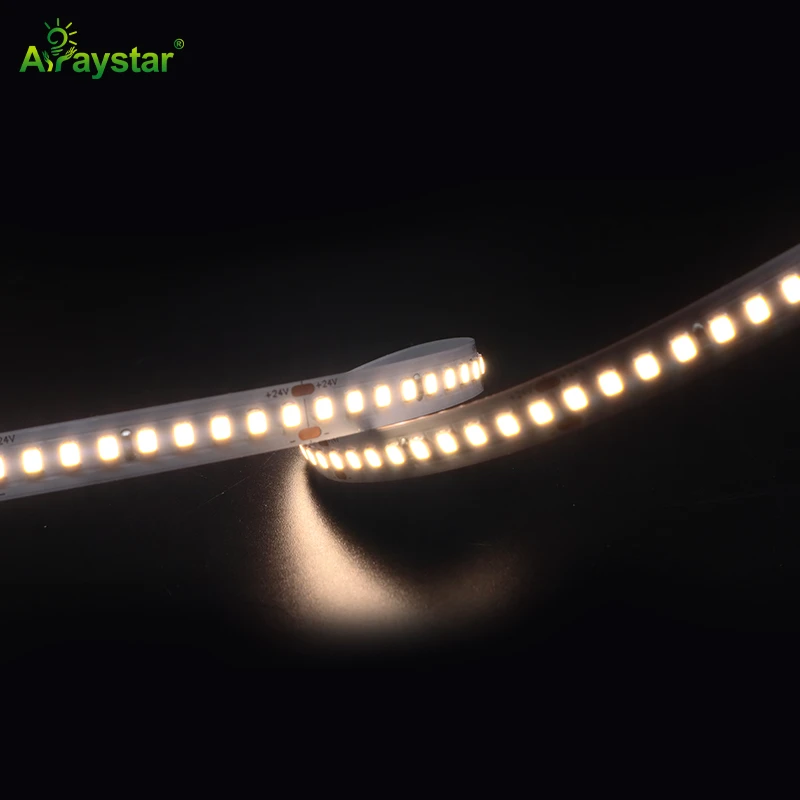
Panels alone can make an office feel flat and clinical. Adding linear strip in perimeter coves, along bulkheads and in feature ceilings adds visual interest, vertical illumination (important - panels light the desk, cove light lifts the walls and ceiling) and wayfinding, and it modernizes the feel of a standard grid ceiling.
ERP-listed high-efficiency 2835 strip is the appropriate cove and perimeter source for commercial retrofits - its ERP compliance matters for EU/energy-regulated commercial projects, and its efficacy keeps running cost low in coves that operate all day. Run it in aluminum cove profile for clean lines, dimmed on the same control system as the panels so the whole ceiling works as one scene.
Controls, Layout and Payback
- Design to lux and uniformity at desk level, not to old fixture count.
- Specify low-UGR, flicker-free panels for screen-based work.
- Use 3CCT panels where zones or future tenants differ.
- Add occupancy and daylight control for the fastest payback.
- Add cove/perimeter strip for vertical light and a modern ceiling.
- Verify grid size and dimming protocol before ordering.
Layer occupancy sensing (rooms and corridors that empty) and daylight harvesting (perimeter zones) onto dimmable panels and the energy savings compound - often halving lighting kWh while improving quality. Plan the retrofit zone by zone to minimize disruption, keep operations running, and the combination of lower wattage, zero tube changes and better light is an easy business case.
Recommended Products
Frequently Asked Questions
Can you replace fluorescent ceiling troffers with LED panels?
Yes - LED frame/backlit panels drop into the existing suspended-ceiling grid with no structural work. A 50W 595x595 frame panel replaces a standard modular fluorescent tile at a fraction of the wattage. Confirm grid size (metric 600 vs imperial 2x2/2x4ft), design to required lux, and choose low-UGR flicker-free panels for screen work.
What color temperature should office LED panels be?
Generally neutral white (~4000K) for open-plan task and meeting areas for alertness and accurate screen work, warmer (~3000K) for reception and breakout spaces. A 3CCT-selectable panel (3000/4000/5700K) lets one SKU cover all zones and be retuned if the tenancy or use changes.
What does UGR mean and why does it matter for offices?
UGR (Unified Glare Rating) quantifies discomfort glare from luminaires; low-UGR panels (typically UGR <19) control brightness so light doesn't reflect on computer monitors or glare in occupants' eyes, reducing fatigue in open-plan VDU workspaces. Specify low-UGR, flicker-free panels and design to ~300-500 lux with good uniformity.
Should I add LED strip to an office panel retrofit?
Yes for a less clinical result - panels light the desk but leave walls/ceiling flat, while perimeter cove and bulkhead strip adds vertical illumination, visual interest and wayfinding. Use high-efficiency ERP-listed 2835 strip in cove profile, dimmed on the same controls as the panels, so the whole ceiling forms one scene.
How do I maximize the energy payback of an office LED retrofit?
Start with efficient panels sized to lux (not old watts), then add occupancy sensors for rooms/corridors that empty and daylight harvesting for perimeter zones on dimmable drivers (DALI/0-10V). Lower wattage plus eliminated tube/ballast maintenance plus controls often halves lighting energy, giving a fast payback with better light quality.
Need help with your LED project?
Get factory-direct pricing, free samples and engineering support within 24 hours.
Email: info@arraystarled.com | Phone: +86-0755-2103-6746 | WhatsApp: 0086 1581 8514 077
Need to size your power supply? Use our LED Strip Power Calculator to find the right driver in seconds.







