
Overlanding & Truck Camper LED Strip Lighting: Rugged 12V Light for Off-Grid Builds
- 2026-09-30 17:38
- /
- Arraystar LED
Camper and overlanding lighting runs on 12V, gets rained on, dusty and bumped, and has to work whether you're wired into the vehicle battery or parked off-grid for days. The winning setup is sealed silicone strip inside and out, battery-friendly wireless sensors that switch lights on as doors and drawers open, and IP68 runs for the awning and exterior. Keep the draw low, wire it properly to the house battery with fusing, and favor warm dimmable light - a rugged, low-power system is what actually works off the back of a truck.
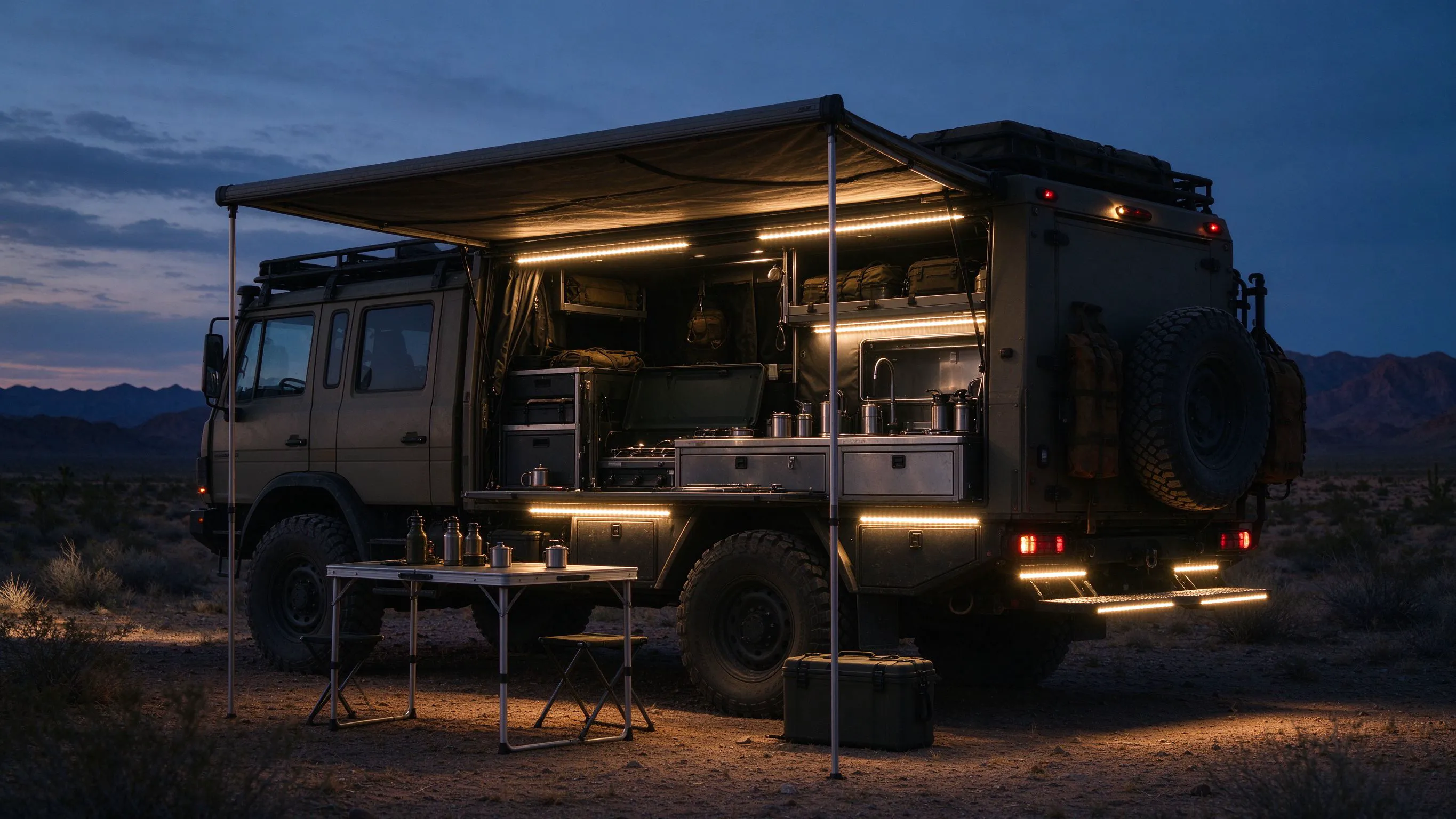
A Camper Van Is a Tiny, Mobile, Off-Grid Lighting Problem
Overlanding rigs and truck campers compress a whole living space into a few square meters that bounce down corrugated roads, get wet when the awning's out, and run entirely off a finite battery. Lighting has to be 12V, low-draw, physically tough, sealed against dust and rain, and genuinely useful for cooking, finding gear and setting up camp after dark.
The mistakes are predictable: cheap indoor strip that fails from vibration and moisture, lights left on draining the house battery, and harsh cool light that makes a small metal box feel even smaller. The right build uses sealed strip everywhere, automatic sensors to save power, and warm dimmable light that makes the rig feel like camp, not a cargo container.
Sealed Silicone Strip Inside and Out
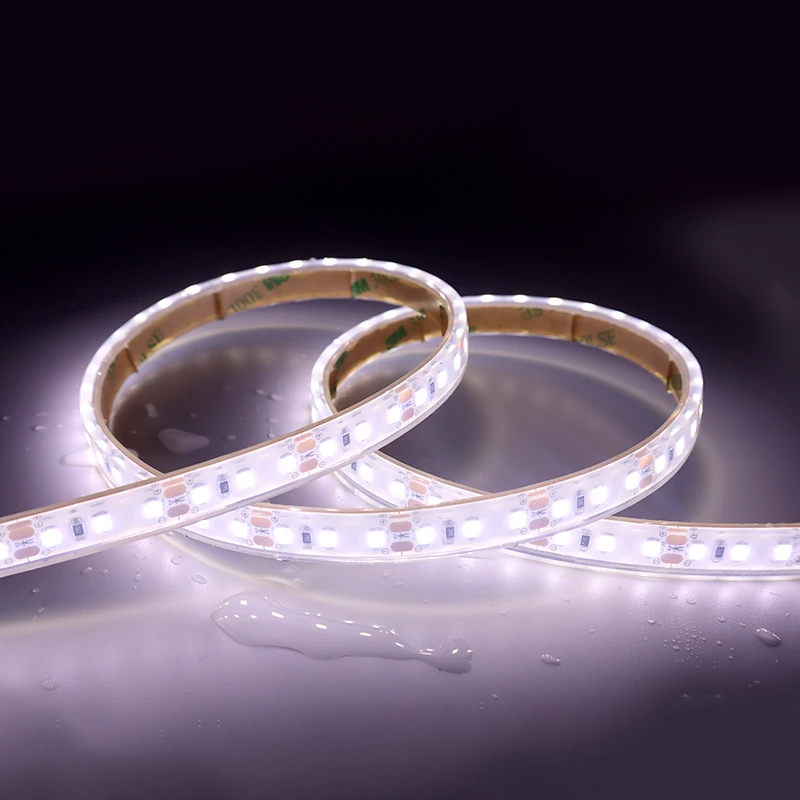
Even interior camper lighting lives with condensation, cooking moisture, dust from off-road travel and the occasional leak, so bare PCB tape is a false economy. Waterproof silicone-extrusion strip handles the vehicle environment, vibration and temperature swings far better and wipes clean after dusty trips.
Use waterproof silicone-extrusion strip under cabinets, along the ceiling cove and over the kitchen counter in warm white, dimmable for evening. The same sealed product family serves the interior and the awning/exterior, which simplifies spares and connectors on the road. Mount it in slim aluminum channels where you can - they double as heatsink and protection against kit being shoved against it.
Automatic Sensors That Save Battery
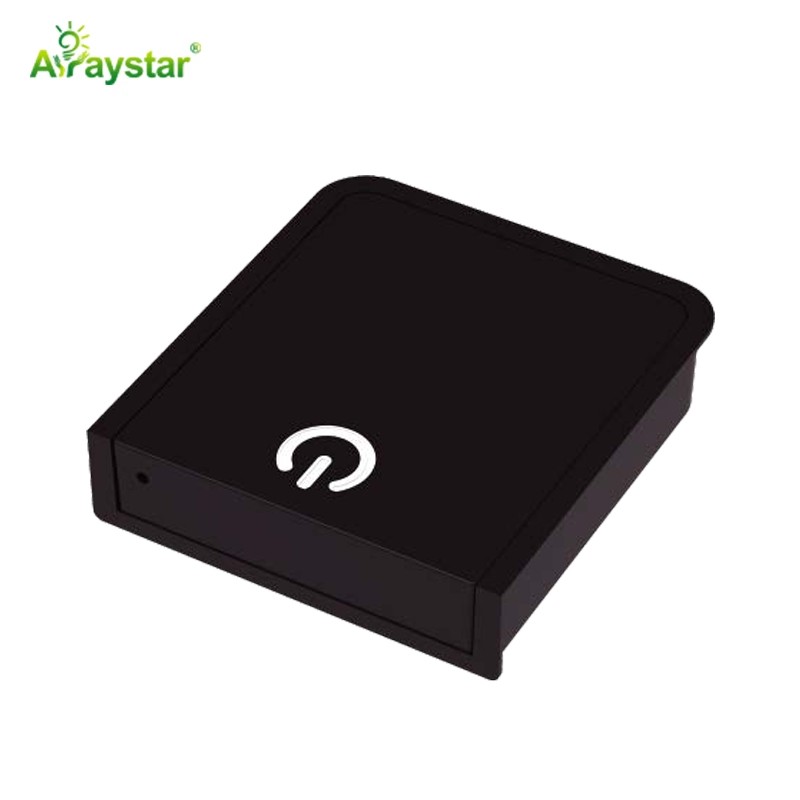
Off-grid, every amp-hour counts, and in a small rig you're constantly opening doors, drawers and the awning with your hands full. Rechargeable wireless sensors are perfect here - they need no control wiring (a big win in a finished vehicle) and they switch lights on only when and where needed.
A rechargeable wireless hand-wave and door sensor handles both jobs: mount the door version on cabinets, the garage/gear box and the camper entry so compartments light as they open, and use a hand-wave version at the kitchen or entry to toggle lights with muddy or full hands. Because it's wireless and rechargeable it retrofits to a finished build without tearing panels apart, and it guarantees lights switch off rather than silently draining the battery.
Awning and Exterior Light Built for Weather
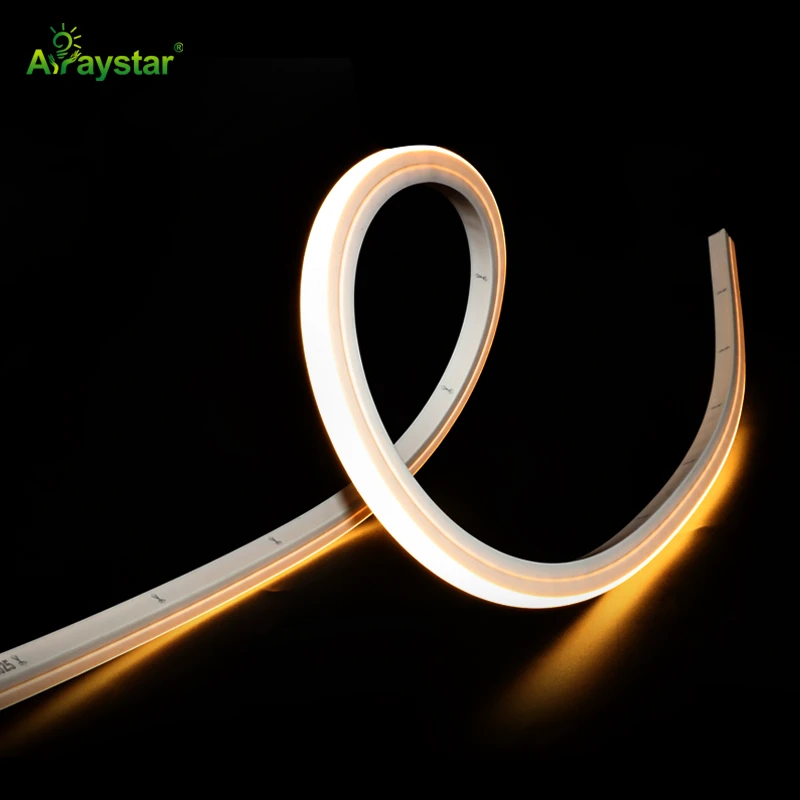
The awning and exterior of the rig see direct rain, dust and road spray, so exterior runs want the highest sealing. IP68 TPU waterproof strip along the awning rail, under the camper's rear edge and around a slide-out kitchen gives camp light that survives weather and the occasional brush with branches.
IP68 TPU strip is solid-encapsulated and tough enough for exterior vehicle use - run it under the awning rail for a wide camp glow (aimed down, not into fellow campers' eyes) and along entry steps for safe footing at night. Warm white keeps the campsite pleasant and attracts fewer insects than cool light.
- Awning light aimed down at the camp area, not horizontally at neighbors.
- Step and entry lighting matters - it prevents falls in unfamiliar campsites.
- Use warm white outside to reduce insect attraction around the rig.
- Secure exterior runs against vibration and branch strikes with sturdy clips.
12V Wiring, Fusing and Battery Realities
Camper/off-grid lighting checklist.
| Element | Overlanding recommendation |
|---|---|
| Voltage | 12V DC to match the house battery/electrical system |
| Strip | Sealed silicone interior, IP68 TPU exterior |
| Control | Rechargeable wireless door/hand-wave sensors to save power |
| Wiring | Fuse every circuit, use adequate wire gauge for runs |
| CCT | Warm 2700-3000K dimmable; optional red night mode |
| Power draw | Favor low-density/low-wattage to conserve amp-hours |
Wire each lighting circuit to the house battery with proper fusing and correctly sized wire (voltage drop is acute in 12V vehicles over even short runs), and consider a low red/amber night setting that preserves night vision and draws minimal power. A rugged, automatic, low-draw system beats a bright power-hungry one every time you're camped far from a hookup.
Recommended Products
Frequently Asked Questions
What LED strip is best for a camper van or overlanding rig?
Waterproof silicone-extrusion 12V strip inside (under cabinets, ceiling cove, kitchen) and IP68 TPU strip outside along the awning and steps, all warm and dimmable. Add rechargeable wireless door/hand-wave sensors so lights come on automatically and switch off to conserve the house battery, and fuse every circuit.
How do I power LED lights off-grid in a truck camper?
Run 12V sealed strips directly from the house battery with a fuse on each lighting circuit and adequately sized wire to limit voltage drop. Favor low-wattage strip and automatic wireless sensors so lights only draw power when needed; a rechargeable sensor retrofit needs no control wiring in a finished build.
How do I add lights to camper cabinets and doors without rewiring?
Fit rechargeable wireless door and hand-wave sensors: door sensors on cabinets, the gear box and entry light compartments as they open, and hand-wave sensors at the kitchen for full or muddy hands. They pair wirelessly to receivers, need no control wiring, and switch off automatically to save battery.
What LED lights work under a camper awning in the rain?
IP68 solid-encapsulated TPU strip mounted along the awning rail and rear/step edges with sturdy vibration-resistant clips, aimed down at the camp area. It tolerates rain, dust and road spray; warm white keeps the site pleasant and draws fewer insects, and step lighting prevents falls at unfamiliar campsites.
What color temperature is best for camper interior lighting?
Warm 2700-3000K, dimmable, to make a small metal space feel comfortable at night and to keep power draw and insect attraction down. Many overlanders also add a low red/amber mode that preserves night vision and uses minimal battery when moving around camp after dark.
Need help with your LED project?
Get factory-direct pricing, free samples and engineering support within 24 hours.
Email: info@arraystarled.com | Phone: +86-0755-2103-6746 | WhatsApp: 0086 1581 8514 077
Need to size your power supply? Use our LED Strip Power Calculator to find the right driver in seconds.







