Solid Silicone-Extruded COB for Wet Coves and Outdoor Use
- 2026-10-09 18:40
- /
- Arraystar LED
A silicone sleeve pulled over a strip is not the same as a solid silicone-extruded COB. Solid extrusion fully encapsulates the LEDs in one continuous silicone body, giving durable IP67 protection, a smooth diffused line and strong resistance to wet and outdoor environments. It is the reliable choice for bathroom coves, kitchens and permanent exterior linear lighting where sleeves eventually let moisture in.
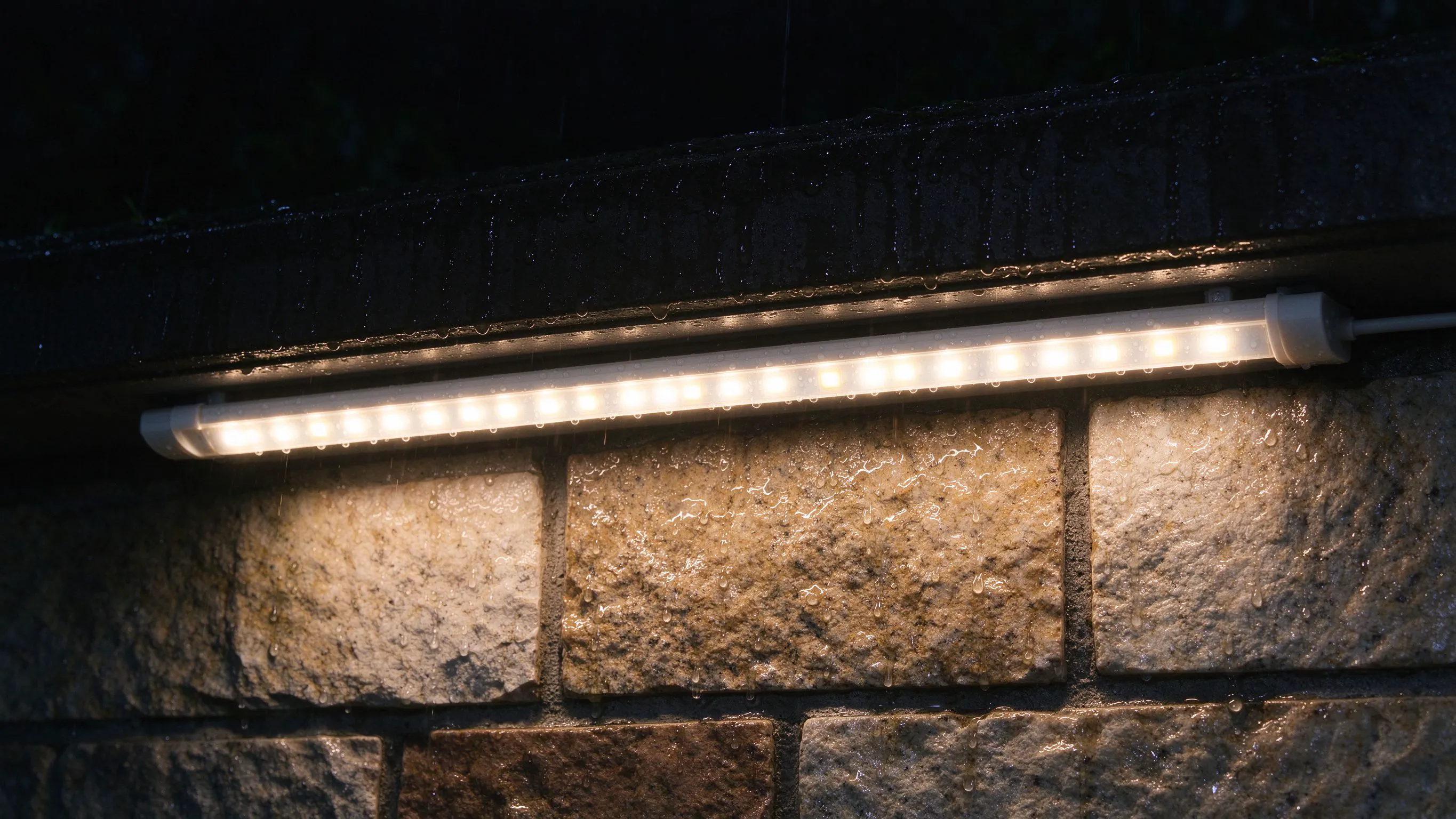
Sleeve vs Solid Extrusion: Two Different Products
Waterproof strip is sold in two constructions that look similar but perform very differently. A sleeved product is a bare strip pulled inside a hollow silicone tube with end caps; the seal depends entirely on those few joints. A solid silicone-extruded product is manufactured by extruding silicone directly around and over the strip, fully encapsulating the LEDs in one continuous body with no hollow gap.
In dry, protected locations a sleeve can be fine. In genuinely wet coves and permanent outdoor runs, the difference in long-term reliability is significant.
What Solid Silicone Encapsulation Provides
- Full IP67 encapsulation with silicone bonded around the strip.
- No hollow air gap where condensation can collect over time.
- Fewer failure points than sleeves relying on end-cap seals alone.
- Integral diffusion for a smooth, soft COB line.
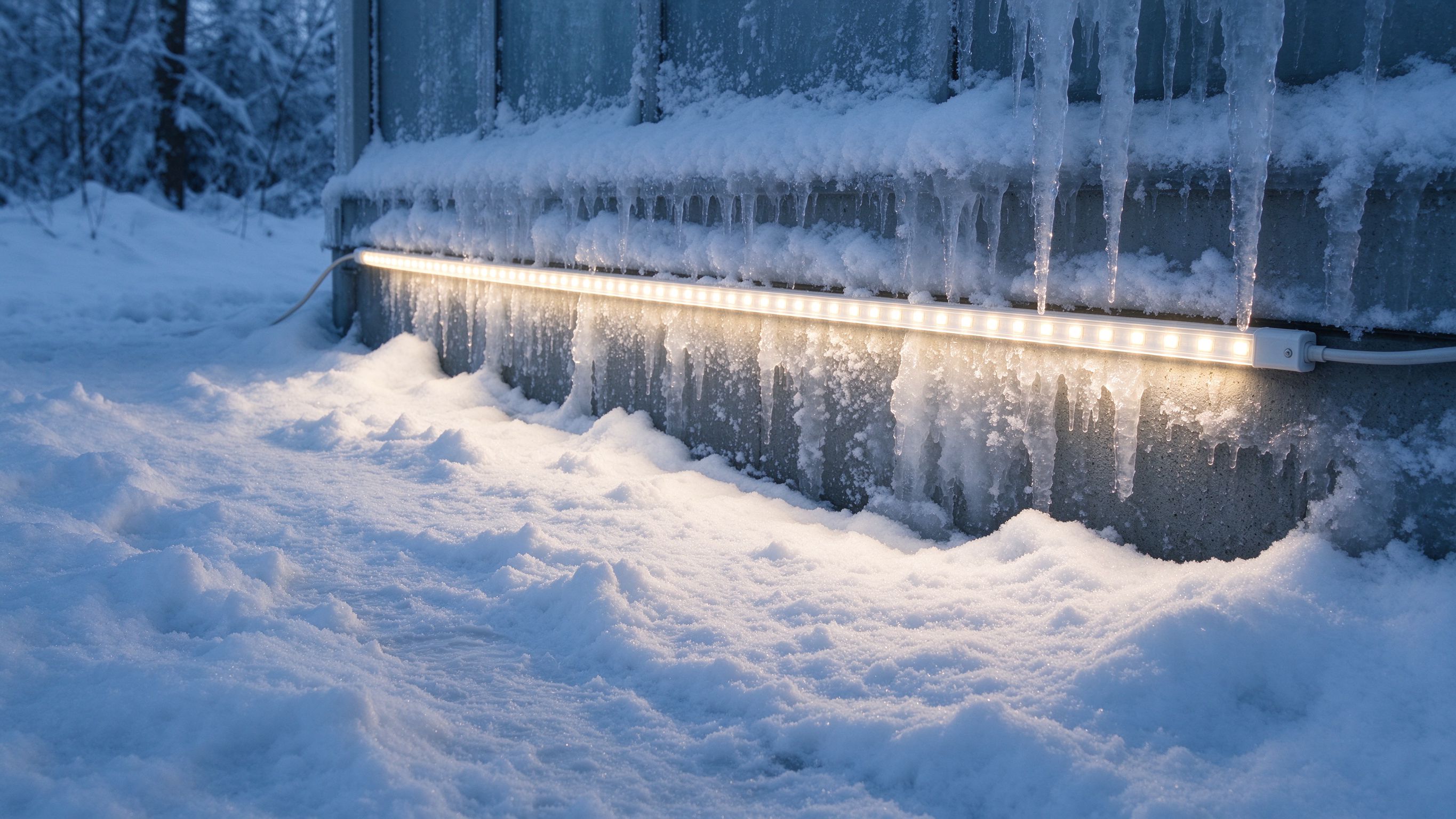
- Resistance to moisture, UV ageing and temperature cycling.
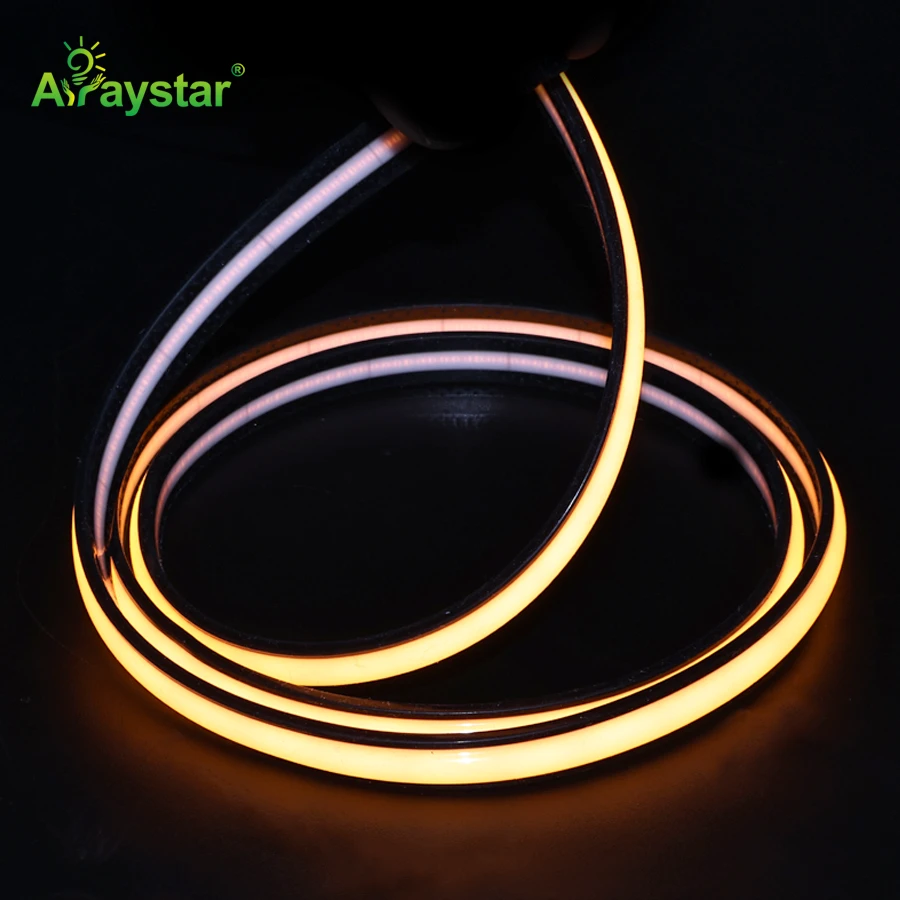
For wet coves and permanent outdoor lines I use the solid silicone-extruded COB series. The encapsulation is part of the product rather than an accessory fitted in the field.
Why Sleeves Fail in Wet Locations
Wet and outdoor exposure exposes the sleeve's weak points.
| Failure mode | Sleeved strip | Solid extrusion |
|---|---|---|
| End-cap seal | Critical, can leak | Body fully encapsulated |
| Internal condensation | Can form in the hollow tube | No hollow gap to trap moisture |
| Thermal cycling | Works the end seals over time | Continuous bonded body |
| Aging / yellowing | Depends on sleeve quality | UV-stable outdoor-grade silicone |
| Field handling | Easy to nick or pull the sleeve | Robust integrated body |
Where Solid-Extruded COB Is Specified
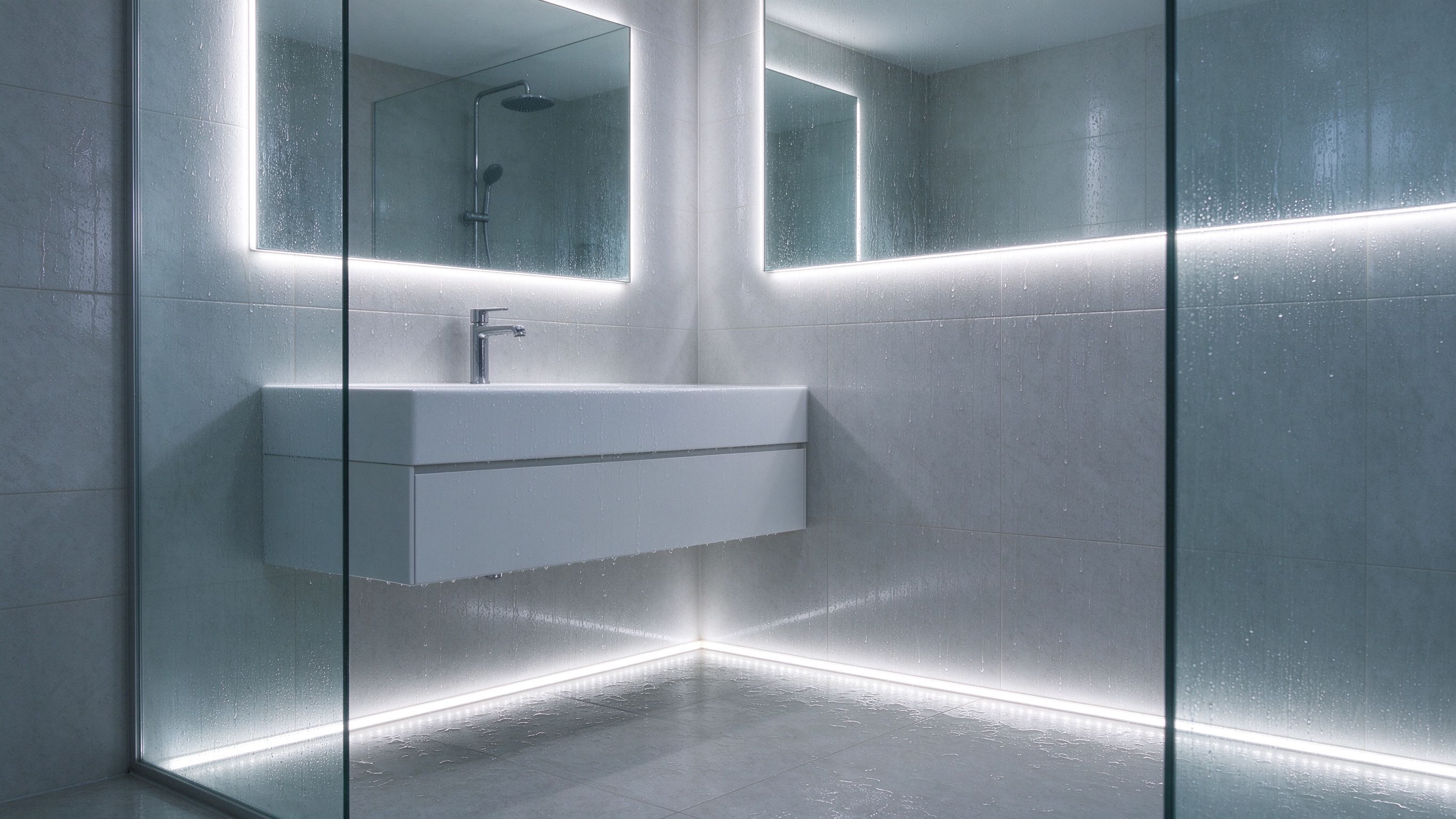
- Bathroom, shower and spa coves exposed to steam and splash.
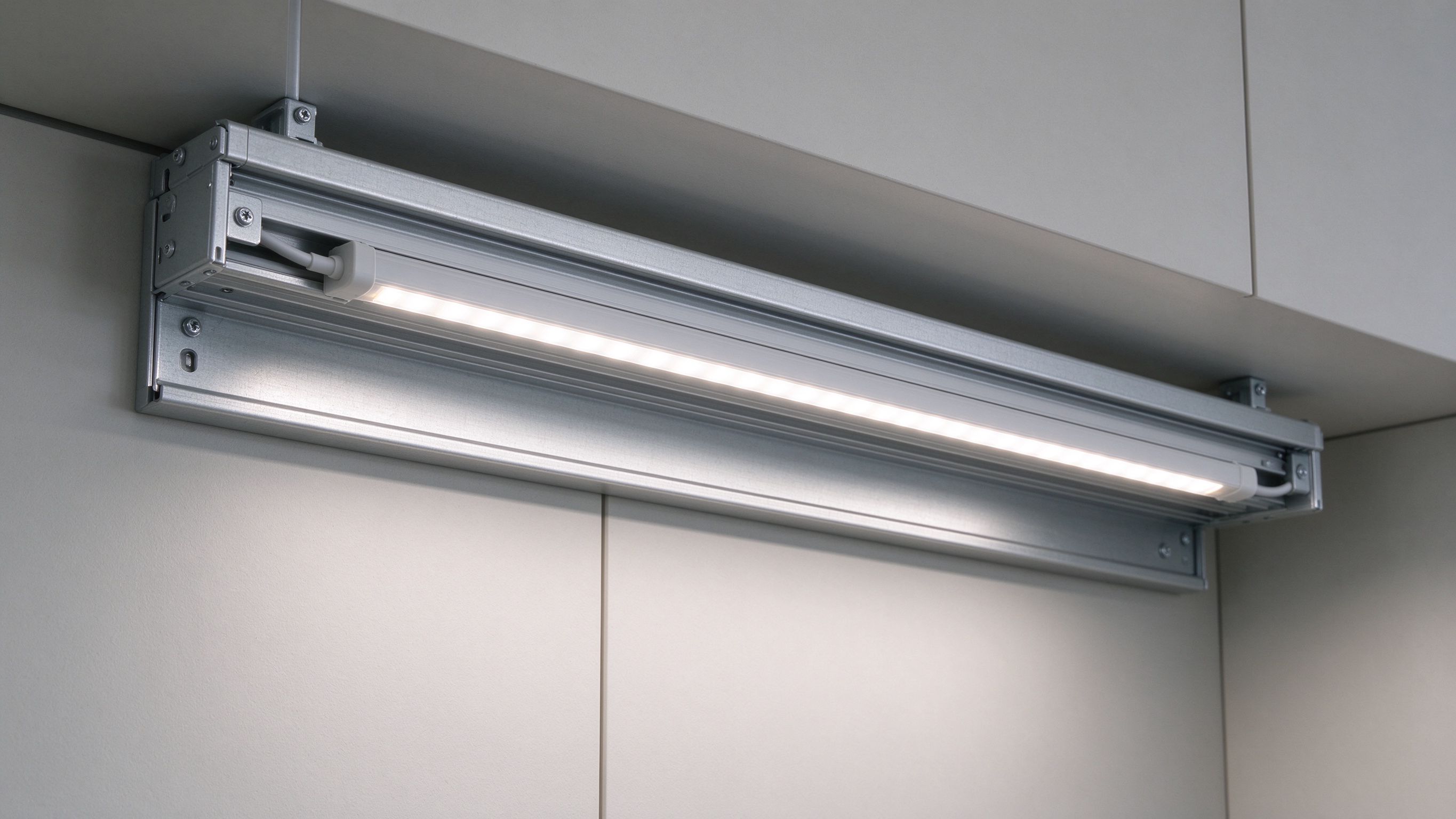
- Kitchen under-cabinet and splashback lines near water and grease.
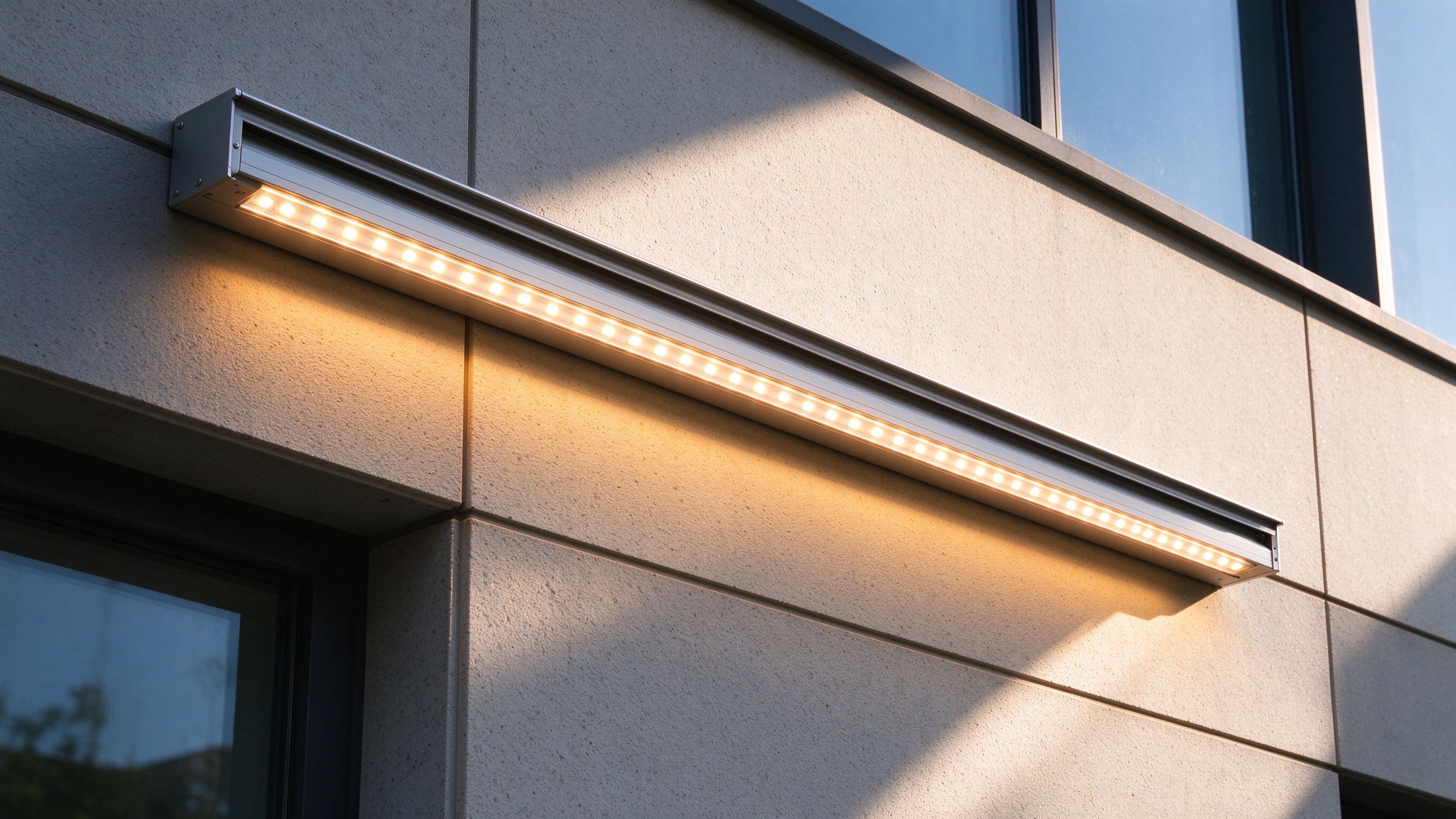
- Permanent exterior facade, soffit and landscape linear lighting.
- Covered outdoor dining and pool-adjacent areas with high humidity.
- Basements and utility spaces prone to damp and condensation.
Connections Still Need Respect
The extruded body is waterproof, but the system is only as sealed as its connections, the same principle as every IP-rated product. I use matched waterproof connectors and end caps designed for the extrusion profile, seal every entry point properly, and I prefer to keep junctions in accessible, drier locations rather than burying them in the wettest part of a run. A fully encapsulated strip with a poorly sealed connector is still a failed wet-location install.
Light Quality Through Solid Silicone
Because the silicone body also acts as a diffuser, solid-extruded COB produces a soft, even line with the dot-free quality COB is known for, without needing a separate channel diffuser in many coves. The trade-off is a slight reduction in raw output compared with a bare strip, which I account for when calculating brightness. For most wet cove and exterior accent work the smooth diffused result is exactly the goal, so the small optical loss is a worthwhile exchange for the protection.
Heat, Mounting and Long Outdoor Runs
- Mount to aluminium profiles or thermally suitable surfaces; encapsulation is not a substitute for heat management.
- Avoid fully sealing extruded strip inside an unventilated metal channel that traps heat.
- Use UV-stable clips and corrosion-resistant fixings on exterior runs.
- Observe feed intervals and driver sizing as with any dense COB product.
- Allow for thermal expansion of long outdoor runs in the fixing method.
Specifying Wet and Outdoor COB
Send the environment (steam, splash, rain, humidity), run lengths, mounting profile and whether the line is enclosed or open. I will confirm the solid silicone-extruded COB, matched IP67 connectors and end caps, and the thermal and feed layout. We supply the silicone-extruded COB series and recommend distinguishing it clearly from hollow-sleeved products when comparing quotes, because the two are not equivalent for permanent wet or outdoor use and the price difference reflects a real difference in construction.
Cleaning, Chemicals and Long-Term Care
Wet-location lighting gets cleaned far more aggressively than dry cove lighting, and that reality is rarely considered at the specification stage. Bathroom and kitchen lines are wiped with sanitisers and degreasers; exterior runs are hit by pressure washing, bird droppings, salt and pool chemicals. A solid silicone body tolerates this far better than a sleeve with a seam, but the cleaning regime still needs to be matched to the product and the connectors.
What the encapsulation handles well
- Routine wiping with mild soap and water and normal household sanitisers.
- Humidity, steam cycles and UV exposure over years of outdoor service.
- Occasional splashing and rain without water reaching the LEDs.
- Flexing and thermal movement without opening a hollow sleeve seam.
What still damages wet-location systems
- Direct high-pressure water aimed at connectors and end caps, regardless of the body rating.
- Harsh solvents or abrasive cleaners that attack silicone or cable jackets.
- Pool chemicals and salt allowed to build up on seals and fixings without rinsing.
- Cleaning crews pulling on the strip or catching it with equipment.
I brief clients to clean the smooth silicone body gently and never to pressure-wash the junction points, which is where water is eventually forced in even on correctly rated systems. For pool-adjacent and coastal runs I specify a periodic fresh-water rinse of the fixings and connectors to stop salt and chemical residue concentrating at the seals. The maintenance log records where every junction sits, because a line that runs for years with no attention is usually one whose connections were positioned where cleaning and weather could not attack them. On one spa project the extruded strip itself was flawless after years of steam, but a connector positioned where a cleaner sprayed sanitiser daily eventually showed corrosion; moving that single junction a few centimetres out of the direct spray line solved it. The encapsulated body does the bulk of the protection, but the system's real service life is decided by how its handful of connections are placed and cleaned.
Recommended Products
Frequently Asked Questions
What is solid silicone-extruded COB strip?
It is COB strip manufactured by extruding silicone directly around the LEDs to fully encapsulate them in one continuous body, rather than pulling a bare strip into a hollow silicone sleeve. It provides durable IP67 protection with no internal air gap and an integral diffused, dot-free line for wet and outdoor use.
Is a silicone sleeve not waterproof enough?
A sleeve can work in dry, protected spots, but its protection relies on end-cap seals and leaves a hollow gap where condensation can form over time; thermal cycling works those seals loose. In bathrooms, kitchens and permanent outdoor runs, solid extrusion with a continuous bonded body is far more reliable long term.
Where should I use solid silicone-extruded COB?
In bathroom, shower and spa coves, kitchen splashbacks, permanent exterior facade and landscape lines, humid covered-outdoor and pool-adjacent areas, and damp basements. Anywhere the strip faces steam, splash, rain or persistent humidity rather than occasional dust.
Do I still need waterproof connectors with extruded COB?
Yes. The extruded body is sealed, but every connection and end is a potential entry point, so use matched IP67 connectors and end caps for the extrusion profile, seal entries properly, and keep junctions in accessible, drier locations. A fully encapsulated strip with a poorly sealed connector still fails.
Does solid silicone reduce the light output?
Slightly, because the silicone body also acts as a diffuser, but in return it gives a soft, even dot-free line and durable IP67 protection, often removing the need for a separate channel diffuser. Account for the small optical loss in brightness calculations; for wet cove and exterior accents the smooth result is usually the desired look.
Need help with your LED project?
Get factory-direct pricing, free samples and engineering support within 24 hours.
Email: info@arraystarled.com | Phone: +86-0755-2103-6746 | WhatsApp: 0086 1581 8514 077
Need to size your power supply? Use our LED Strip Power Calculator to find the right driver in seconds.