
Tiny House & Small Cabin LED Strip Lighting: Save Power and Space in a Compact Build
- 2026-09-30 17:38
- /
- Arraystar LED
In a tiny house every surface doubles as storage and every watt comes off a limited battery or solar, so lighting has to be tiny, efficient, built-in and dimmable rather than made of bulky fixtures. Use low-power optional-wattage 2835 tape to conserve energy, recessed micro-profiles that disappear into the limited cabinetry, and a single wireless knob that runs the whole home's scenes. The goal is to make a small space feel bigger with layered indirect light while barely touching your power budget.
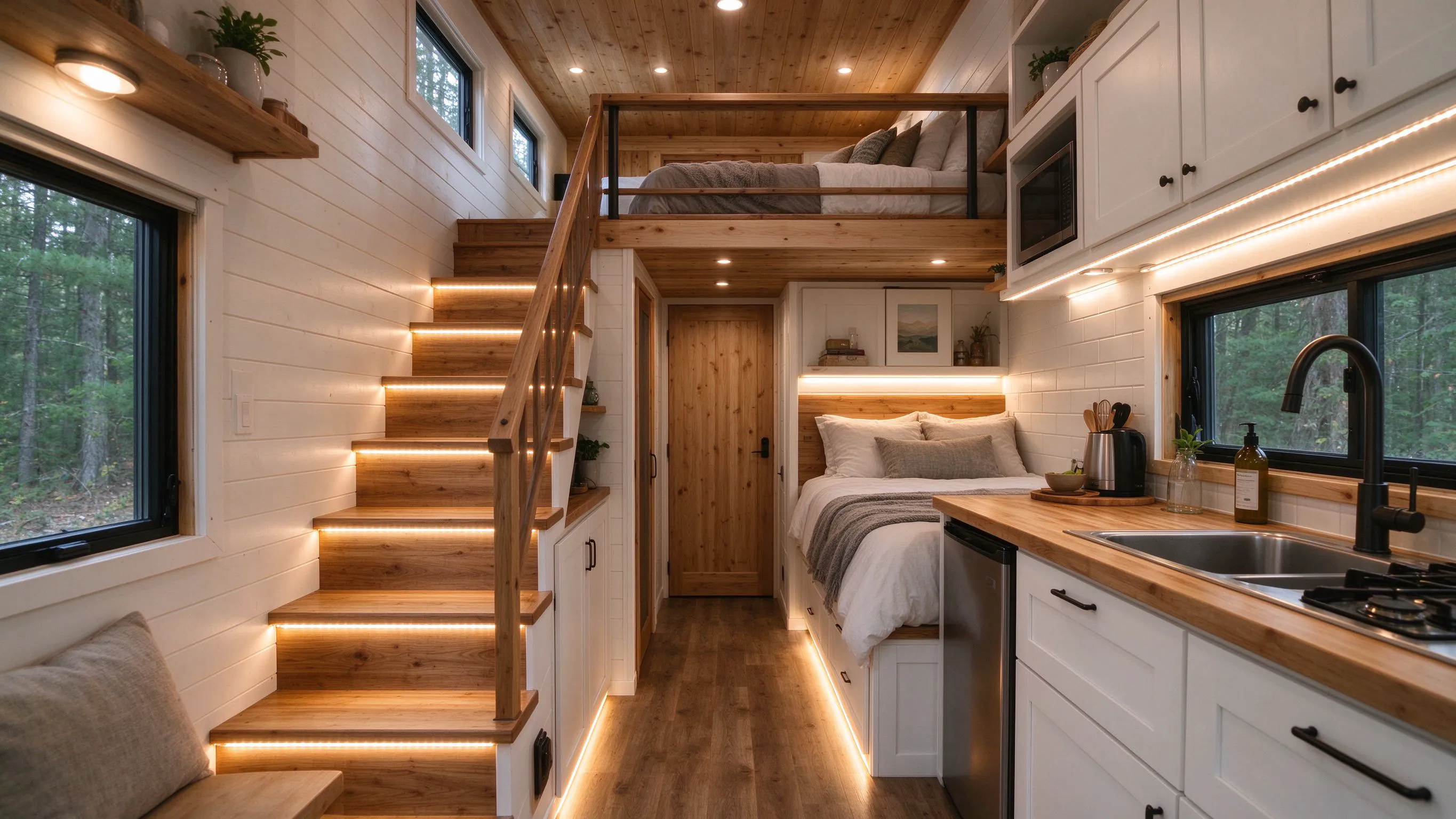
Tiny Houses Punish Bulky, Wasteful Lighting
A tiny house has almost no ceiling height to spare, every wall is also storage, and the electrical system is often battery and solar with a tight daily budget. A conventional collection of pendant fittings and downlights eats headroom, draws power and fights the built-in furniture that defines small-space living.
Linear LED strip is uniquely well suited to tiny homes precisely because it's tiny: it hides into the cabinetry that already fills the space, runs at a fraction of the wattage of fixtures, and - used as layered indirect light - makes a cramped interior feel larger and brighter than its square footage suggests.
Low-Power Strip to Stretch the Battery
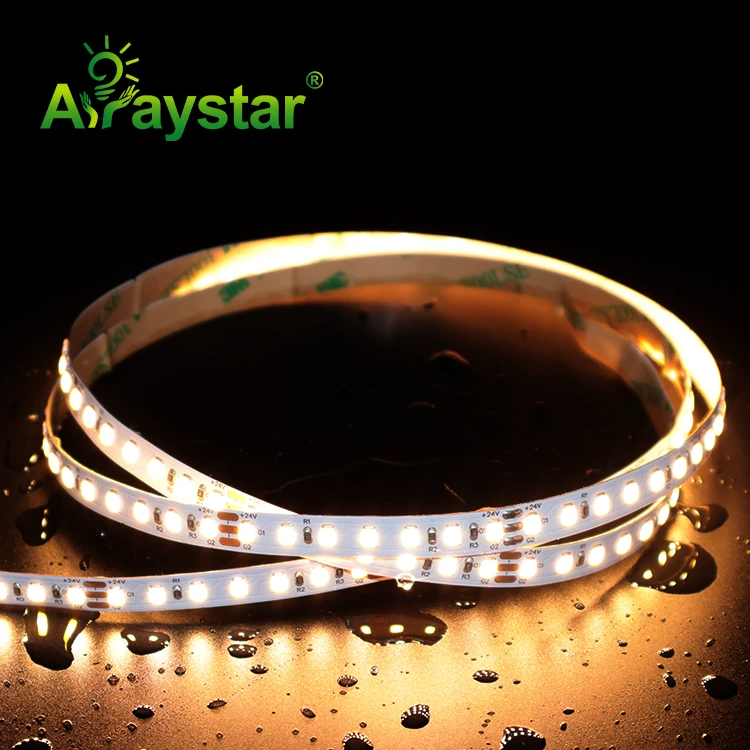
Off-grid and solar tiny homes care about watts first and lumens second. You can have plenty of light without high density - a power-optional 2835 strip on an 8mm PCB lets you choose lower LED counts and currents for general cove and under-cabinet use, keeping the daily amp-hour draw small while still covering the space.
Use lower-density 2835 for ambient coves, toe-kicks and storage where you need presence rather than high task brightness, and reserve denser/brighter tape for the kitchen counter and desk. Matching density to the actual task is how tiny homes get well-lit on a surprisingly small electrical budget.
Matching strip density to tiny-house zones.
| Tiny-house zone | Density / level | Role |
|---|---|---|
| Ceiling cove / uplight | Low-medium, warm | Spaciousness, ambient |
| Kitchen counter | Medium-high, neutral | Task where you actually cook |
| Under cabinets / toe-kick | Low | Wayfinding, night path |
| Loft / sleeping | Very dim, warm | Reading and safe ladder access |
| Storage / stairs | Low, sensor | Find things, safe movement |
Recessed Micro-Profiles That Disappear
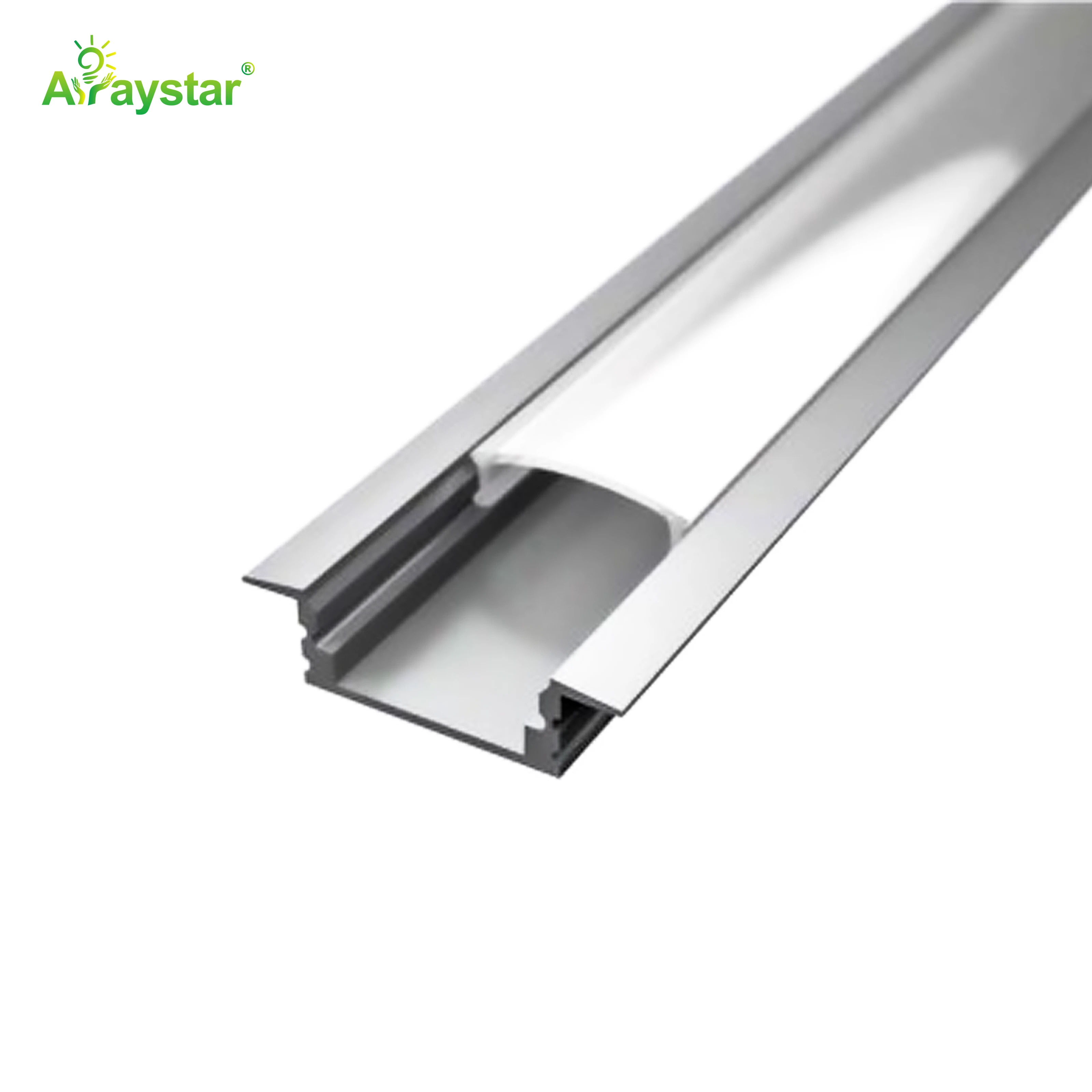
In a tiny home there's no room for surface-mounted hardware catching shoulders and hats. Recessed channels flush-routed into the limited cabinetry and ceiling edges turn the light into a seamless architectural line - which both looks clean and preserves every centimeter of clearance.
The AL2507 silver recessed profile is a compact channel well matched to small-space builds - it mounts flush into thin cabinet and panel construction (tiny houses often use slim materials that can't take deep channels), with a diffuser that produces a soft line along coves, under cabinets and beside the sleeping loft. Specify the rout at the panel-fabrication stage for the cleanest result.
One Knob to Run the Whole Home
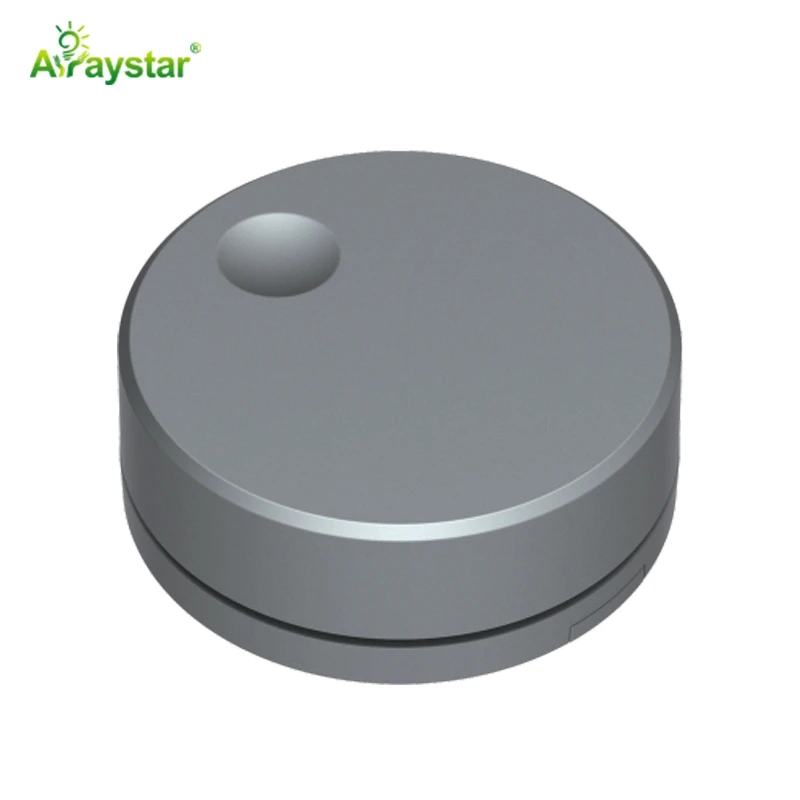
A tiny house doesn't need a wall of switches - there isn't wall space, and you move between zones constantly in a small open plan. A single wireless knob dimmer that controls grouped circuits handles day, evening and night scenes from one compact control you can place anywhere.
A 2.4G wireless knob dimmer rotates to set brightness and recalls scenes - full for cooking and working, warm and low for the evening, barely-there for the loft and toe-kick night path. Wireless control also means no running switch wires through already-crowded tiny-house walls, which is a real installation advantage in a compact build.
Making a Small Space Feel Bigger
- Wash the ceiling with indirect cove light - lifting the perceived ceiling height.
- Run toe-kick and under-cabinet light to stretch the walls visually.
- Keep the palette and CCT consistent; mixed colors fragment a small space.
- Light the sleeping loft dimly and the ladder/stairs clearly for safety.
- Use warm 2700-3000K ambient with a brighter neutral task zone only where needed.
Layered indirect light is the oldest small-space trick in lighting design: bright horizontal surfaces and a softly lit ceiling read as open and airy, while a single harsh overhead fixture makes the same room feel cramped. In a tiny house that effect is worth more than any fixture you could buy.
Recommended Products
Frequently Asked Questions
What LED strip is best for a tiny house?
Low-power 2835 strip on a slim 8mm PCB, with density matched to each zone - low-density for coves, toe-kicks and storage to conserve battery, brighter only at the kitchen and desk. Run it in flush recessed micro-profiles and control the whole home from one wireless knob dimmer with day/evening/night scenes.
How do I light a tiny house on solar or limited battery?
Use lower-density, low-wattage strip for ambient and wayfinding and put brighter light only where you genuinely work (kitchen, desk), dim aggressively, and rely on automatic/sensor and scene control so lights aren't left on. LED strip draws a fraction of conventional fixtures, so a zoned low-power setup is easily solar-friendly.
How do you hide LED strips in a tiny house with thin walls?
Use compact recessed aluminum profiles (like the AL2507) flush-routed into cabinetry, ceiling edges and coves at the panel-fabrication stage. Tiny-house builds use slim materials that can't take deep channels, so shallow recessed channels with diffusers give a seamless line without surface hardware eating headroom.
How do I control lights in a tiny house with limited wall space?
Use a single 2.4G wireless knob dimmer controlling grouped circuits, placed wherever's convenient rather than wiring many switches through crowded walls. It recalls bright daytime, warm evening and dim night scenes, and wireless control avoids running switch wiring through the tiny home's thin structure.
What color temperature makes a tiny house feel bigger?
Keep one consistent warm-neutral palette - around 2700-3000K for ambient with a brighter neutral task light at the kitchen/desk - and use indirect cove and toe-kick light to wash the ceiling and floors. Consistent warm light plus bright horizontal surfaces opens the space up; mixed color temperatures fragment it.
Need help with your LED project?
Get factory-direct pricing, free samples and engineering support within 24 hours.
Email: info@arraystarled.com | Phone: +86-0755-2103-6746 | WhatsApp: 0086 1581 8514 077
Need to size your power supply? Use our LED Strip Power Calculator to find the right driver in seconds.







