
LED Strip Lighting for Train & Subway Stations: Platform & Wayfinding
- 2026-10-15 14:34
- /
- Arraystar LED
Rail and subway stations are busy transit spaces where passengers read platforms, signs and screens, often in underground halls with no natural light, and the lighting has to be uniform, safe and reliable around the clock. I light platforms and concourses with even flicker-free strips, keep glare off screens and platform edges, and use light to support wayfinding and safety, because calm consistent light helps passengers navigate and keeps a critical transit space running.
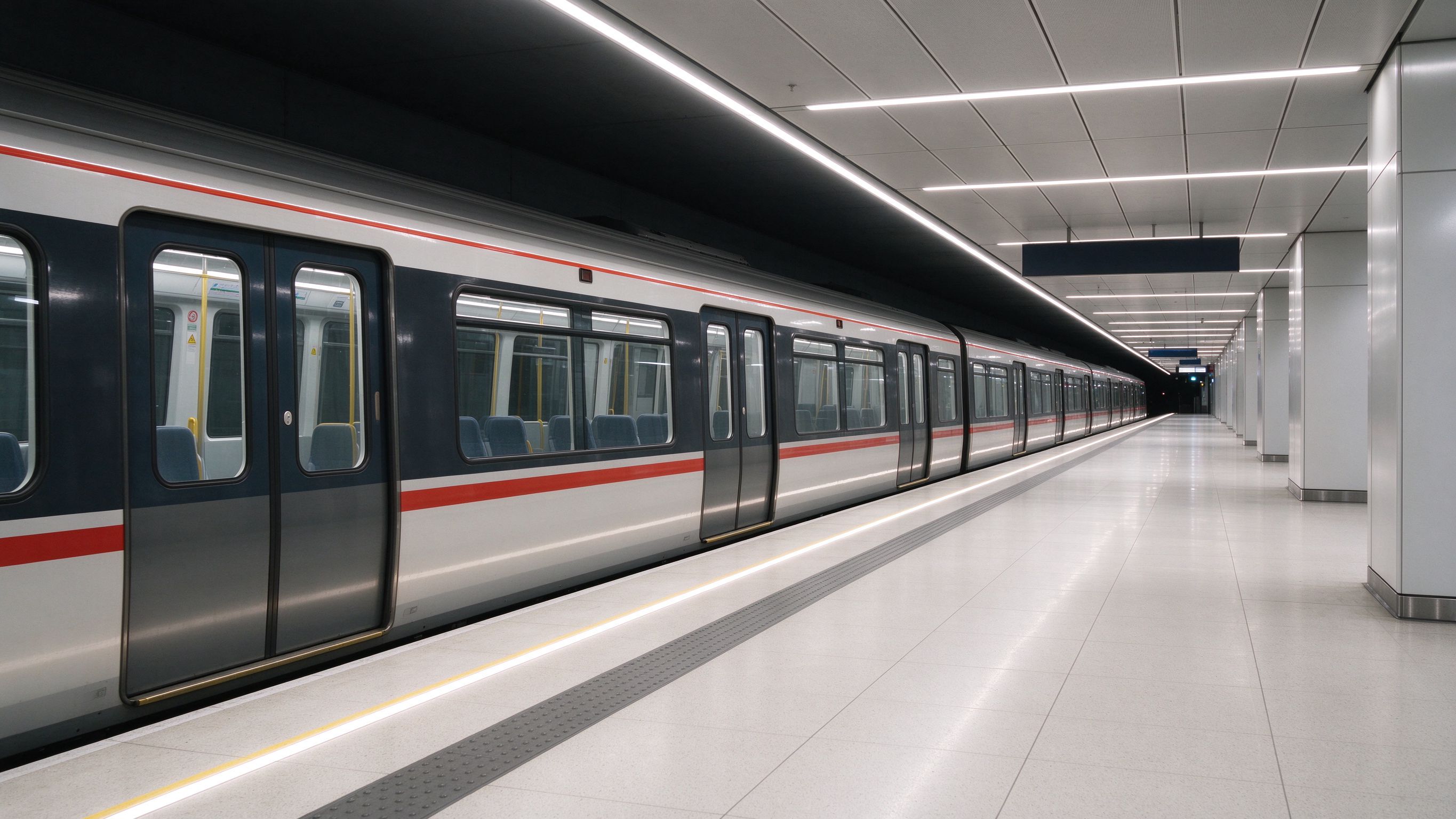
Lighting Underground and Elevated Stations
Underground stations rely entirely on artificial light, while elevated stations face weather and daylight changes, and both need uniform reliable light across platforms, concourses and stairs for safe passenger flow.
Passengers read signs, screens and platform numbers and judge platform edges, so even glare-free light that supports wayfinding and safety matters, with the reliability expected of a transit environment that can't easily go dark.
Platform Edge, Seating and Concourse Light
I light the platform length evenly so there are no dark stretches and the platform edge stays clearly visible, with continuous strips that guide passengers along and keep seating and waiting areas at a consistent level.
Keep these points in mind:
- Even light along the full platform with the edge clearly visible.
- Glare-free light over seating, signs and information screens.
- Flicker-free light for a calm passenger environment.
- Robust fixtures suited to long transit running hours.
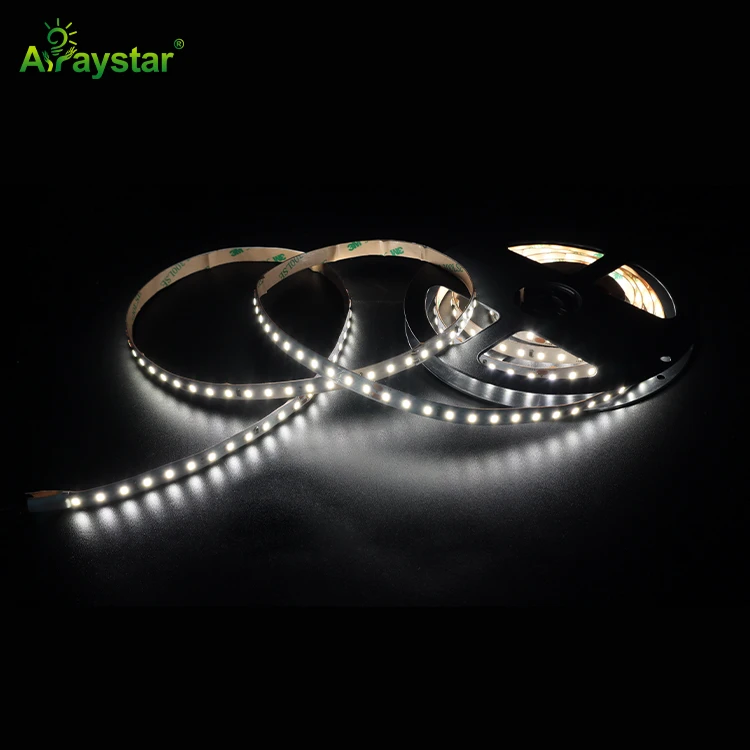
Stairs, Escalators and Underpass Walkways
Stairs, escalators and connecting tunnels need even light that makes every step and the route clear, since these are the areas where passengers move fastest and trip risk and congestion are highest.
Continuous strips along underpasses and concourses guide the eye through the station and remove the dark stretches that feel unsafe, while light at platform-to-concourse transitions keeps the change in level obvious.
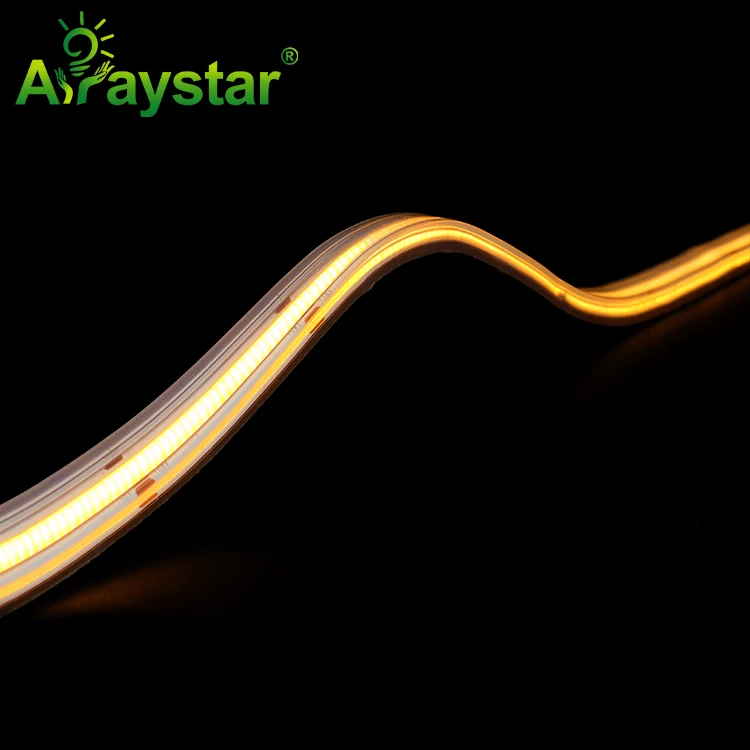
Screens, Ticketing and Staff Areas
Timetable and information screens need the light around them controlled to avoid reflections, while ticket halls, barriers and staff zones want bright practical light for processing and assistance.
The ticketing and gate areas run a little brighter and more neutral for queues and checks, similar to other transit task zones, while the general platform keeps a calm even level.
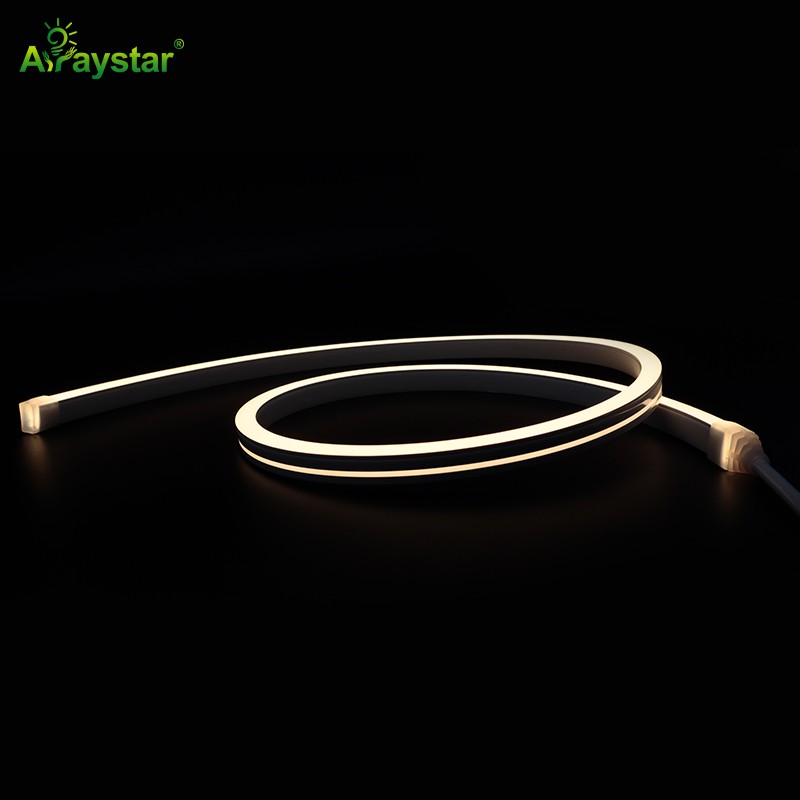
Efficiency, Drivers and Keeping Transit Running
Stations run long hours and underground light is always on, so efficient fixtures and accessible reliable drivers reduce both energy and maintenance in a space where working on the lighting is logistically difficult.
Run platforms, concourses and task areas on separate circuits, cover emergency and backup lighting properly, and use sealed weather-rated gear on elevated stations. Get the platforms even and the edges and routes clear, and the station stays safe and navigable at every hour.
Recommended Products
Frequently Asked Questions
What lighting do train and subway stations use?
Uniform flicker-free strips along the platforms and concourses with the platform edge clearly visible, even light on stairs and underpasses, and brighter neutral light at ticketing and gates. Reliability and wayfinding are the priorities.
How is the platform edge kept safe with lighting?
By lighting the full platform length evenly so the edge stays clearly visible with no dark stretches, and keeping transitions between platform and concourse obvious. Consistent light helps passengers judge the edge.
How do you light station stairs and underpasses?
With even continuous light that makes every step and the route clear, since these are the highest-traffic, highest-trip-risk areas. Linear strips through tunnels also guide passengers and remove unsafe-feeling dark stretches.
How are station screens kept glare-free?
By controlling the light around timetable displays so fixtures don't reflect or wash them out, and using diffused even light. Ticketing and gate areas still get their own brighter practical light.
What differs for elevated outdoor stations?
They need sealed weather-rated fixtures that handle daylight changes and the elements, while underground stations rely entirely on always-on artificial light. Both still prioritize uniform, reliable coverage.
Need help with your LED project?
Get factory-direct pricing, free samples and engineering support within 24 hours.
Email: info@arraystarled.com | Phone: +86-0755-2103-6746 | WhatsApp: 0086 1581 8514 077







