
LED Strip Lighting for Nursing Homes: Soft, Sensor-Safe Corridor Setup
- 2026-10-15 14:34
- /
- Arraystar LED
In a nursing home or assisted-living facility, residents are often older, with poorer eyesight and a higher fall risk, and the lighting has to be warm, even and gentle while making floors, doors and tasks clear at any hour. I use warm high-CRI light in the rooms and lounges, soft low-level night lighting that guides residents to bathrooms without glare, and sensors where they help, because careful lighting genuinely improves both safety and comfort for older residents.
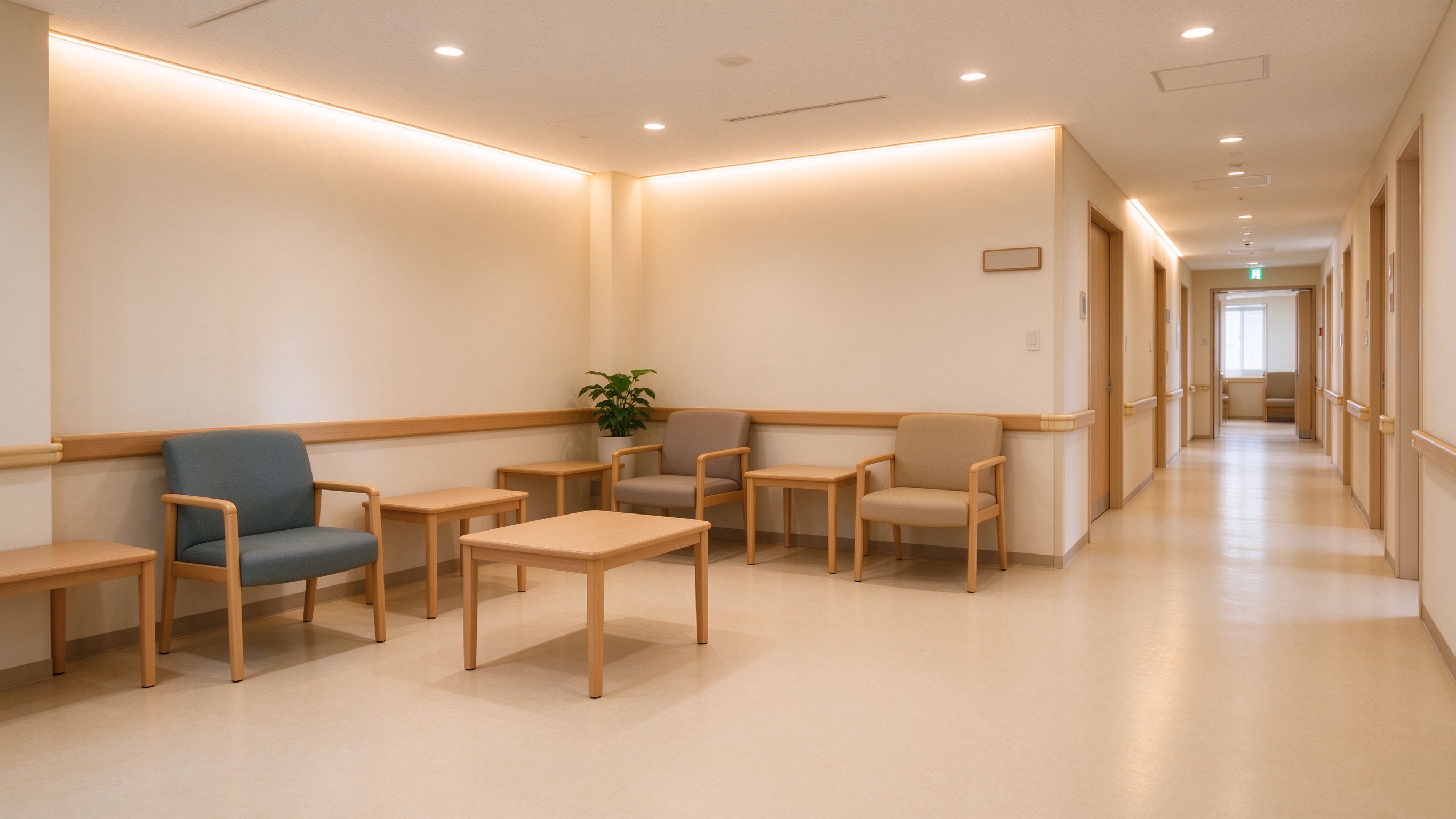
Lighting for Aging Eyes and Fall Safety
Older eyes need more light but are more sensitive to glare and take longer to adjust between bright and dark, so lighting should be even and warm without bright sources or abrupt changes that cause falls or confusion.
Much of the risk is at night, when residents walk to bathrooms in dim space, so soft low-level lighting that keeps the route visible without a bright wake-up light is one of the most valuable safety measures in a care facility.
Rooms, Lounges and Dining Areas
I light resident rooms with warm high-CRI light that's easy to read and rest under, and the lounges and dining areas with even comfortable light that encourages activity and socialising without glare.
Keep these points in mind:
- Warm high-CRI light that suits aging, glare-sensitive eyes.
- Even coverage with no bright/dark transitions across rooms.
- Good reading light by chairs and beds, easy to switch.
- Comfortable light in lounges and dining for daily activity.
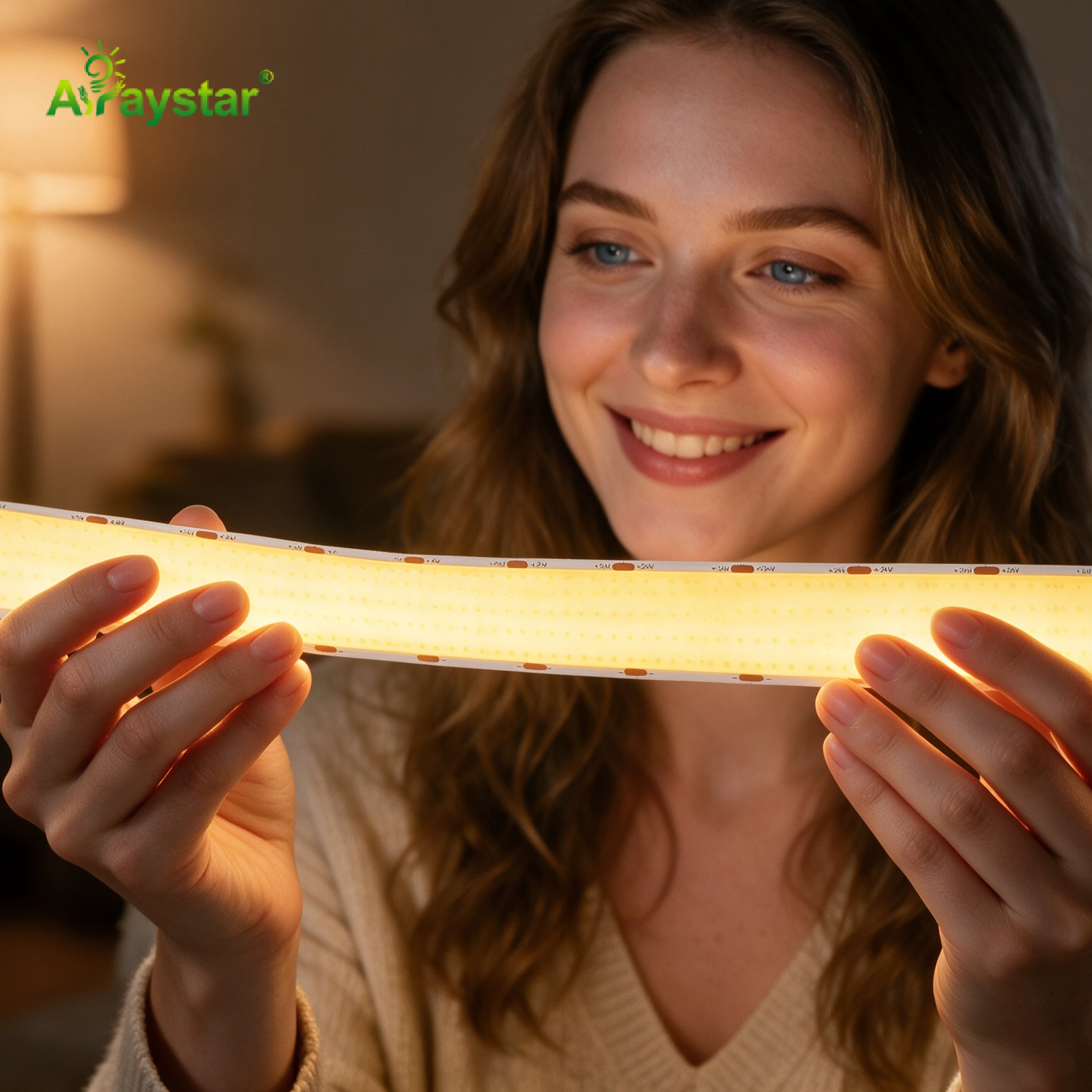
Night Lighting, Sensors and the Route to Bathrooms
I fit soft low-level strips along bed-to-bathroom routes and in bathrooms, often on motion or occupancy sensors that bring a gentle glow on when a resident gets up, lighting the path without a harsh overhead light.
These night scenes are kept warm and dim to preserve night vision and sleep, while still making doors, floors and grab areas visible. Sensor-controlled night light reduces both falls and the need for staff to switch lights.
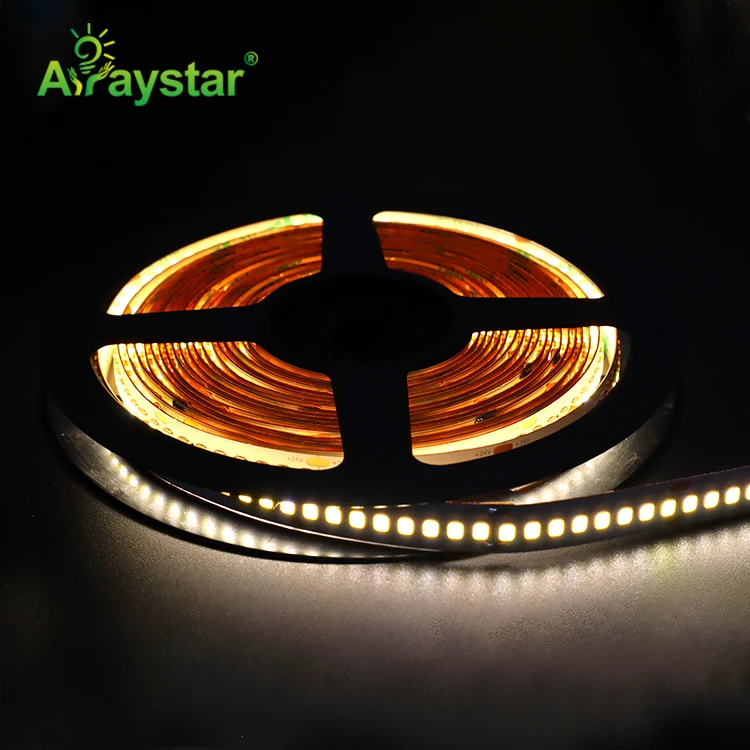
Corridors, Nurses' Stations and Care Areas
Corridors want even light around the clock with no dark stretches, kept calm at night, while nurses' stations use slightly brighter practical light for records and care work without spilling glare into resident rooms.
Care and assisted-bathing areas need warm, even, non-glare light that keeps both residents and staff safe and preserves dignity, with controls that can soften the scene as needed.
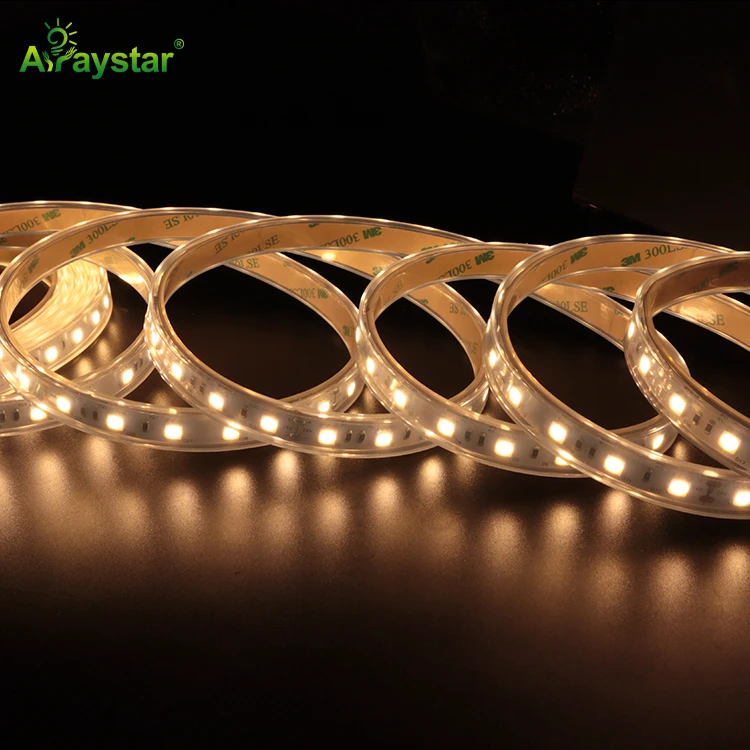
Drivers, Dimming and Keeping Residents Comfortable
Use flicker-free low-ripple drivers, warm dimmable strips, and separate zones for rooms, corridors, night routes and staff areas, with simple controls residents and staff can manage.
Get the daytime light warm and even, the night routes softly and automatically lit, and glare and abrupt changes designed out, and the facility lighting directly supports resident safety, orientation and comfort.
Recommended Products
Frequently Asked Questions
What is the best lighting for a nursing home?
Warm, even, high-CRI, flicker-free light that suits aging, glare-sensitive eyes, plus soft low-level night lighting on sensors along bed-to-bathroom routes. Avoiding bright/dark transitions is key to fall safety.
How do night lights reduce falls in care homes?
Sensor-triggered warm low-level strips light the route to the bathroom when a resident gets up, keeping floors and doors visible without a harsh overhead light that disrupts night vision and sleep.
What color temperature suits assisted living?
Warm, around 2700-3000K, which is comfortable and calming for older eyes while still giving enough light, with smooth dimming for day versus night rather than abrupt on-off changes.
Where do motion sensors help in a care facility?
On night routes, in bathrooms and along corridors, bringing a gentle glow when a resident moves without staff switching lights. They're set warm and dim to preserve sleep while keeping the path safe.
Why is glare a particular problem for older residents?
Aging eyes are more dazzled by bright sources and adapt more slowly between light and dark, which raises fall risk. Diffused even light and shielded fixtures prevent glare rather than relying on brighter bare lamps.
Need help with your LED project?
Get factory-direct pricing, free samples and engineering support within 24 hours.
Email: info@arraystarled.com | Phone: +86-0755-2103-6746 | WhatsApp: 0086 1581 8514 077







